French Terry vs Fleece Hoodies: Which Fabric Is Better for Your Brand?
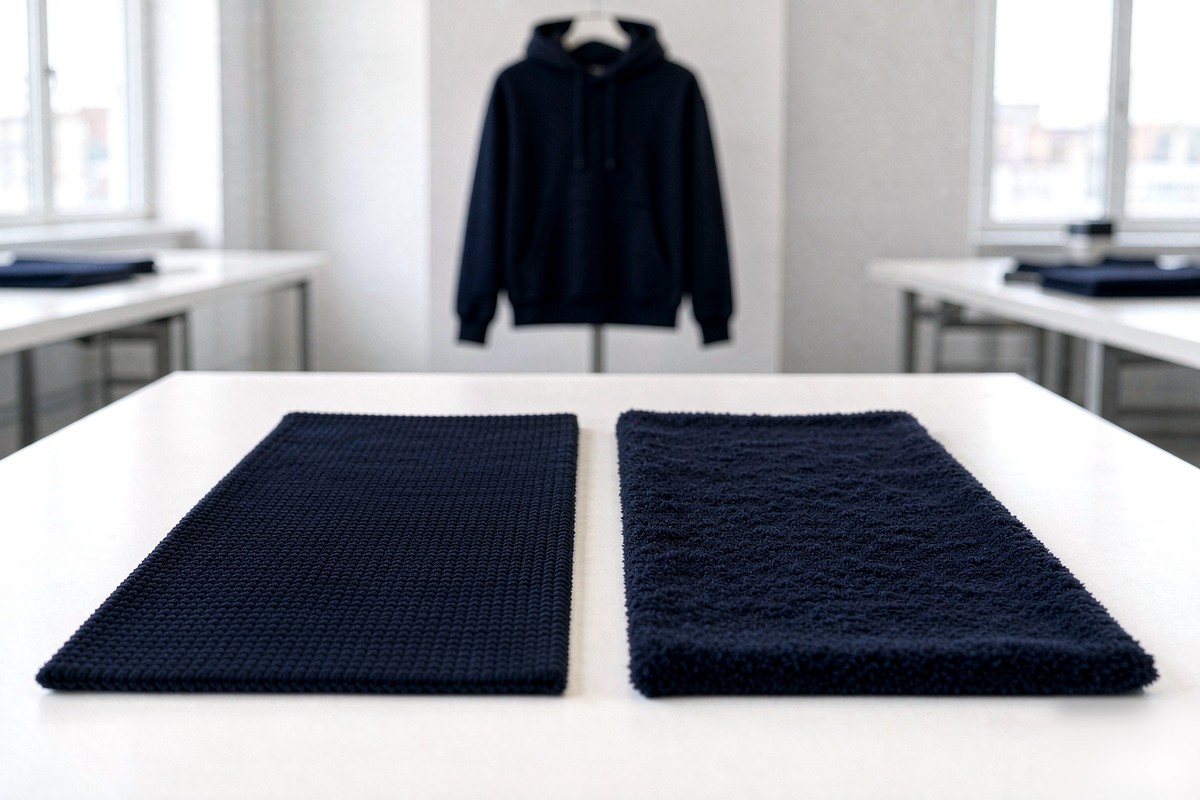
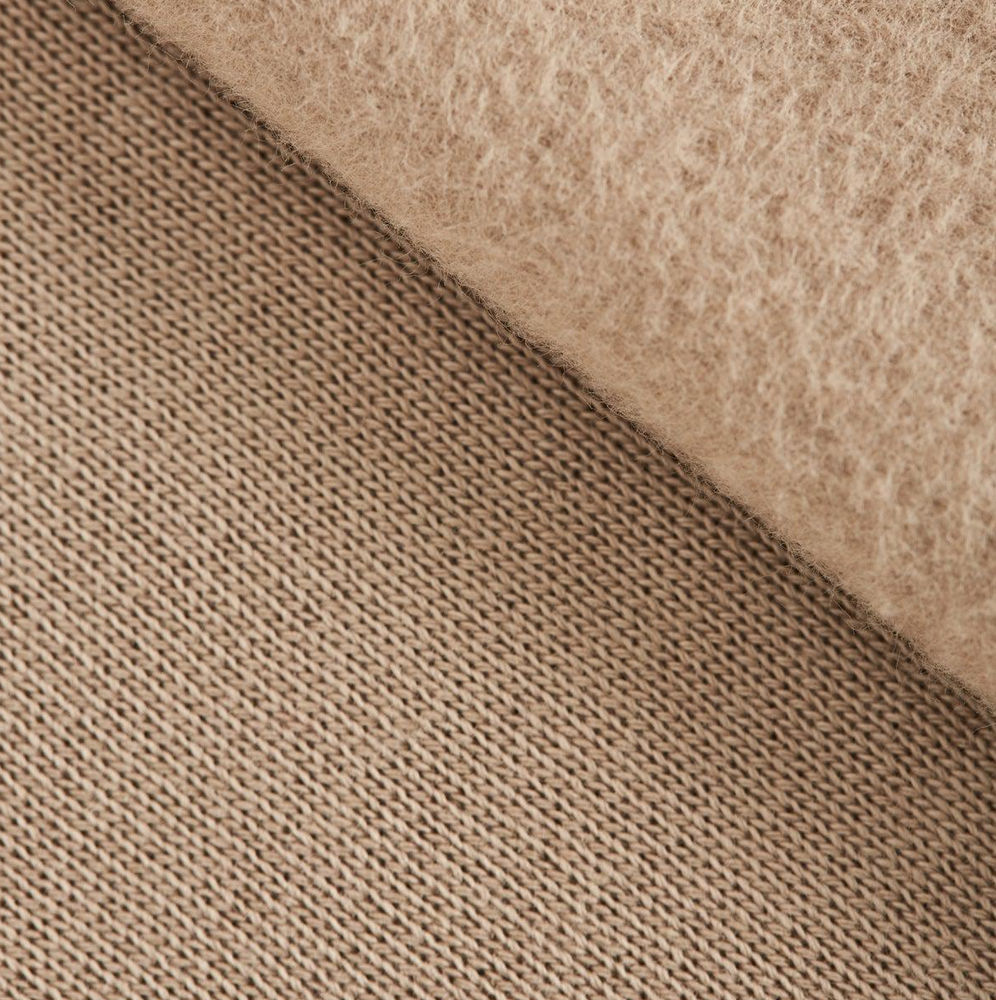
French terry and brushed fleece are two popular fabrics for custom hoodies. They can look similar from the outside, but turn them inside out and you will notice an important difference: French terry has visible loops on the back, while brushed sweatshirt fleece has a soft, raised surface.
That difference influences warmth, hand feel and the way a hoodie sits on the body. Neither fabric is automatically better. This guide compares their construction, GSM, drape, wash performance and decoration options, then shows where each fabric makes sense in a clothing collection.
What Is the Difference Between French Terry and Fleece?
French terry has an unbrushed loopback surface; brushed sweatshirt fleece has a raised nap, usually on the inside. Some versions begin with similar knitted structures, but they are not necessarily identical fabrics with one finishing step changed. Yarn, fiber blend, knitting density and finishing can all differ.
French Terry: A Loopback Knit
French terry is a knitted fabric with a relatively smooth face and small, visible yarn loops on the reverse. It is widely used in hoodies, sweatshirts, joggers and matching sets. Depending on the weight and construction, it can feel light and flexible or firm and substantial.
Because the inside is not brushed into a fluffy nap, French terry generally has a less plush feel than comparable brushed fleece. It is a useful option for everyday hoodies, layering pieces and styles where you want a clean, defined appearance.
Brushed Fleece: A Soft, Raised Interior
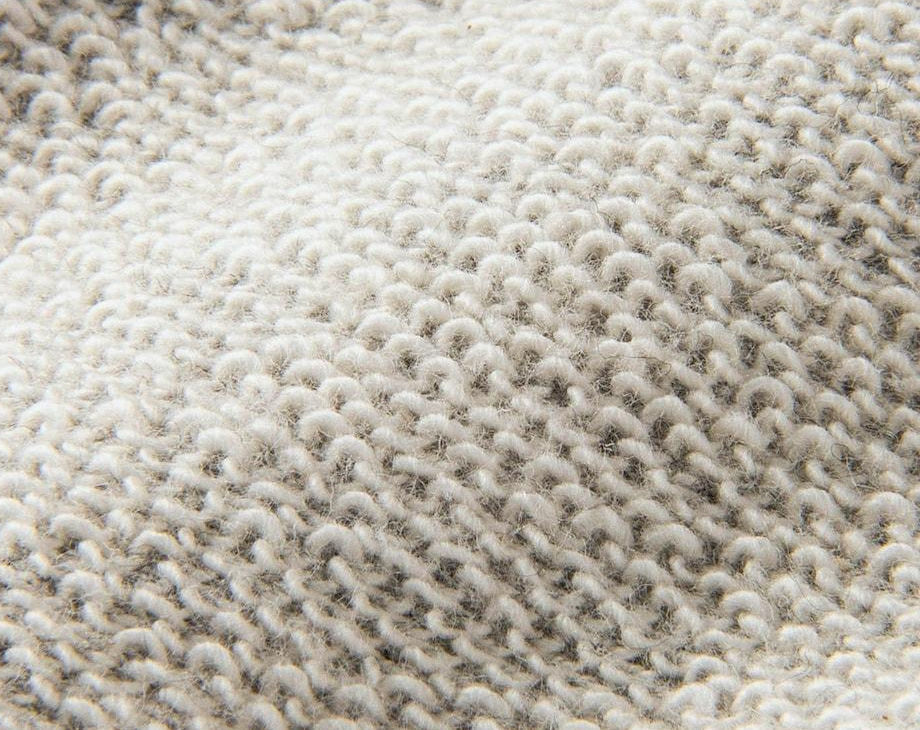
In sweatshirt manufacturing, brushed fleece usually refers to a knit fabric whose reverse side has been brushed to raise some of the fibers. The result is a softer, loftier inner surface. Many custom fleece hoodies use cotton or cotton-polyester blends, although exact compositions vary.
The raised nap can improve the feeling of warmth by holding air close to the body. It also gives the inside of the hoodie the familiar soft, cozy hand feel often associated with autumn and winter collections.
Is Polar Fleece the Same Thing?
No. Polar fleece is a separate category of fleece fabric, typically polyester-based, commonly used in outdoor tops, hoodies, midlayers and jackets. It should not be confused with the cotton or cotton-blend brushed sweatshirt fleece discussed here. When requesting fabric quotations, specify French terry loopback, brushed sweatshirt fleece or polar fleece rather than simply writing “fleece.”
What Should a Fabric Specification Include?
The fabric name alone cannot tell you how a finished hoodie will perform. The useful starting information is fiber composition, fabric weight in GSM, knit structure and whether the reverse is loopback or brushed. For a matching collection, color, finish and care requirements also matter.
If you sell in the United States, the fabric description must also match the garment's actual fiber content. The FTC clothing and textiles guidance explains the relevant labeling requirements.
Texture, Warmth & Drape: How the Fabrics Feel and Wear
For most hoodie collections, the deciding factors are how warm the fabric feels, how it hangs on the body and how its appearance changes with use. The brushing treatment matters, but weight, composition and construction matter just as much.
Hand Feel and Warmth
French terry's loopback interior usually feels less fluffy against the skin. This makes it appealing for spring collections, transitional weather and hoodies intended to be worn indoors or layered under outerwear.
Brushed fleece feels softer and more insulating, particularly when compared with French terry of similar construction and weight. However, the warmer option is not determined by the finish alone: a dense, heavyweight French terry can feel more substantial than a lightweight brushed fleece.
How GSM Affects a Hoodie
GSM stands for grams per square meter. It measures fabric weight, not thickness, warmth or quality by itself. Brushing adds loft, which can make a fleece fabric feel fuller without a proportional increase in GSM. Two 350 GSM fabrics may therefore look and wear quite differently.
The ranges below are practical starting points when discussing a custom hoodie brief. They are not universal industry grades, and the final result depends on the particular fabric construction.
| Fabric weight | French terry | Brushed sweatshirt fleece |
|---|---|---|
| 240–300 GSM | Lightweight hoodies, layering and mild-weather styles | Lightweight casual hoodies with a softer inside |
| 300–400 GSM | Everyday premium hoodies, relaxed fits and streetwear | Everyday fleece hoodies and cooler-season collections |
| 400–500+ GSM | Heavyweight hoodies and structured streetwear pieces | Heavyweight oversized hoodies and cold-weather styles |
Keep in mind: These ranges overlap. A 400 GSM fabric is not automatically warmer, softer or better than a 320 GSM fabric. Compare actual swatches at the weights you are considering before deciding.
Drape and Silhouette
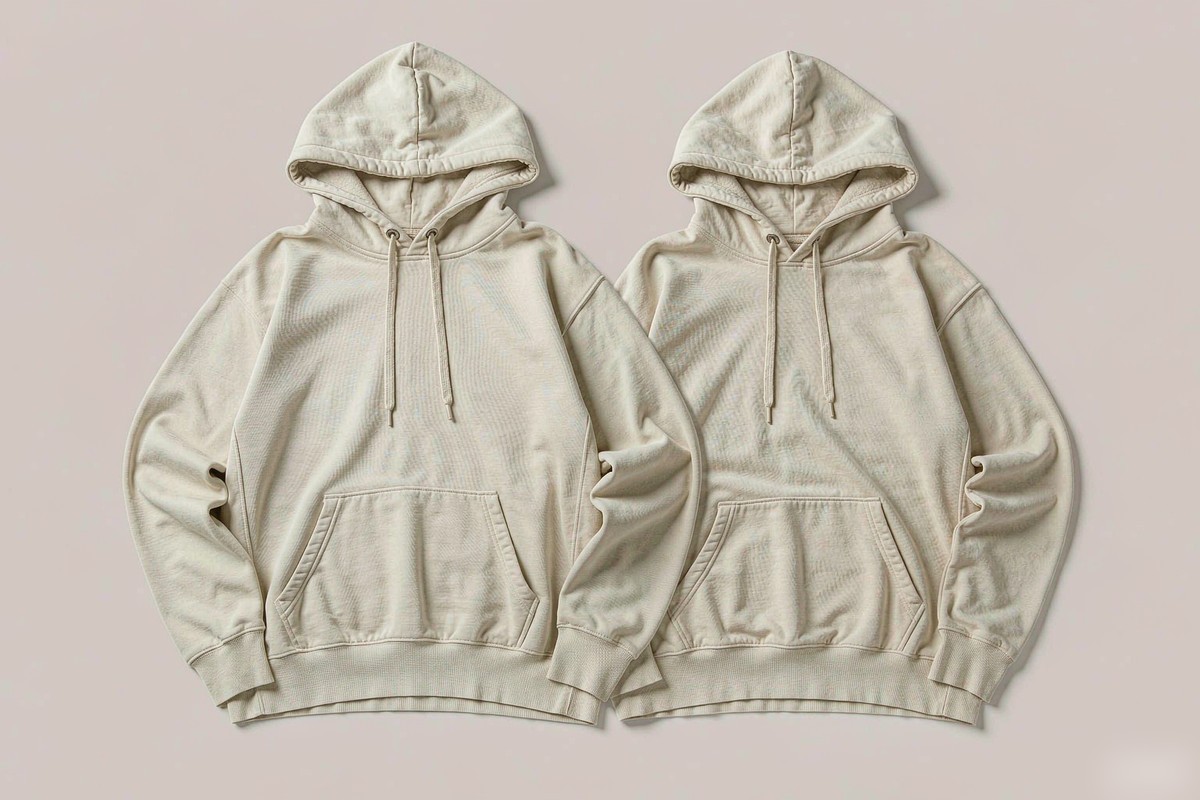
French terry is a popular option for hoodies with a cleaner, more defined silhouette. In a firm or dense construction, it can hold a boxy shape without feeling overly fluffy. Lighter French terry, on the other hand, can drape softly and move with the wearer.
Brushed fleece often gives an oversized hoodie a fuller, cozier appearance because of its raised interior. But it is not always the better choice for oversized designs; a heavyweight loopback terry can produce a sharp, structured streetwear silhouette too. The right choice depends on the look rather than the label.
Shrinkage, Pilling and Wash Performance
Both fabrics can shrink, twist or change hand feel after laundering. Those changes depend on the fiber blend, yarn, knitting, finishing and washing conditions, so it is not accurate to assume that French terry always shrinks more or that brushed fleece is always more stable.
The raised surface of fleece may be more exposed to visible fuzzing or pilling in some constructions, but pilling is not guaranteed. Fiber quality, yarn structure, brushing intensity and friction during wear all play a role. Well-developed fabrics in either category can perform well over time.
A washed sample is useful for judging the real appearance, dimensions and hand feel. For more on production checks, see VANRD's garment quality control guide.
Which Fabric Works Better for Different Hoodie Styles?
Start with the intended product rather than trying to choose a winner for every collection. Season, silhouette and the customer's expected hand feel will point you toward a more suitable fabric.
Lightweight and Everyday Hoodies
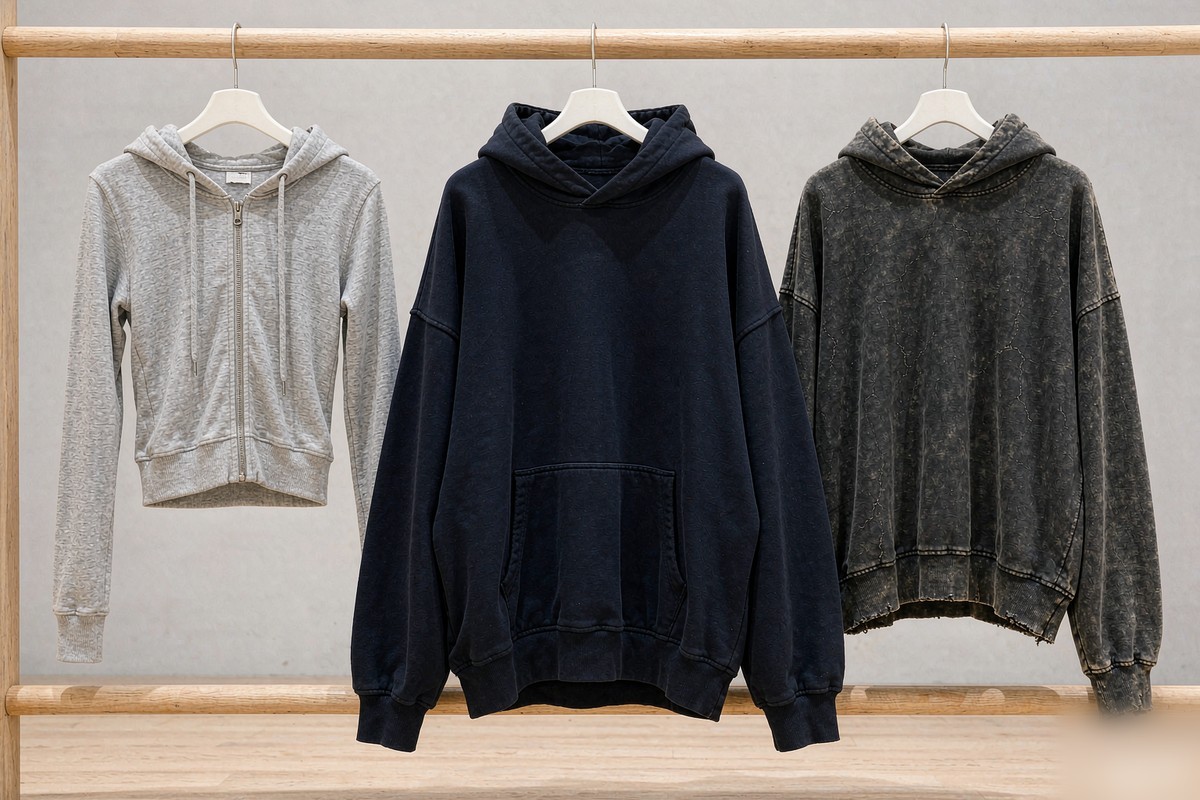
French terry is a strong option for lightweight pullovers, zip-ups and everyday hoodies sold into mild or warm climates. Its less plush interior offers a comfortable choice for layering, travel and casual wear without the pronounced cozy feel of a brushed lining.
Brushed fleece is still possible in a lighter weight when softness is part of the design. A zip-up or relaxed hoodie can work in either material; the decision should follow the season and hand feel you want. You can explore different silhouettes on VANRD's zip-up hoodie manufacturing page.
Heavyweight Oversized Streetwear Hoodies
For heavyweight oversized hoodies, brushed fleece offers a soft interior and a fuller look that suits many relaxed streetwear collections. It is especially appealing when comfort and warmth are the main selling points.
Heavyweight French terry can work equally well for boxy, dropped-shoulder styles that need cleaner lines and a denser hand feel. A brand focused on structured silhouettes may actually prefer loopback terry to fleece, even at similar GSM.
Vintage and Garment-Washed Hoodies
French terry is commonly used for vintage-inspired hoodies with pigment-dyed, garment-washed or faded finishes. The exposed loopback texture can complement a relaxed, lived-in look, especially when paired with a heavier knit.
Brushed fleece can also be garment-washed, but washing may change the raised nap and inner softness. Neither fabric guarantees a particular faded effect: fiber blend, dye method and wash recipe determine the final appearance. VANRD's vintage hoodie manufacturing page shows more directions for this type of collection.
Matching Hoodie and Sweatpants Sets
Both fabrics work for coordinating hoodie and sweatpants sets. French terry often makes sense for lighter travel, casual and transitional collections; brushed fleece suits sets built around a warmer, softer hand feel.
Using the same fabric helps create a consistent look, but mixing French terry and fleece is not automatically wrong. If a design needs both, compare the finished shade, texture and wash behavior across the garments. For matching bottoms, see VANRD's custom sweatpants manufacturing page.
Decoration, Care & Cost Factors
Once you have narrowed down the fabric, consider how it will work with your graphics, trims and finishing choices. These details may affect the result more than the difference between loopback and brushed backing.
Screen Printing, Puff Printing and DTG
Both French terry and brushed sweatshirt fleece usually have a relatively smooth outer face, so both can be suitable for screen prints, puff prints and direct-to-garment printing. The quality of that face, the fiber composition, the ink system and the finishing process have more influence on print definition than whether the inside is brushed.
Fine artwork, large graphics and raised prints may need different production settings. A printed sample on the intended fabric gives a more useful answer than assuming that French terry is always better for detailed artwork. VANRD's fabrics and techniques page introduces available decoration directions.
Embroidery, Appliqué and Chenille
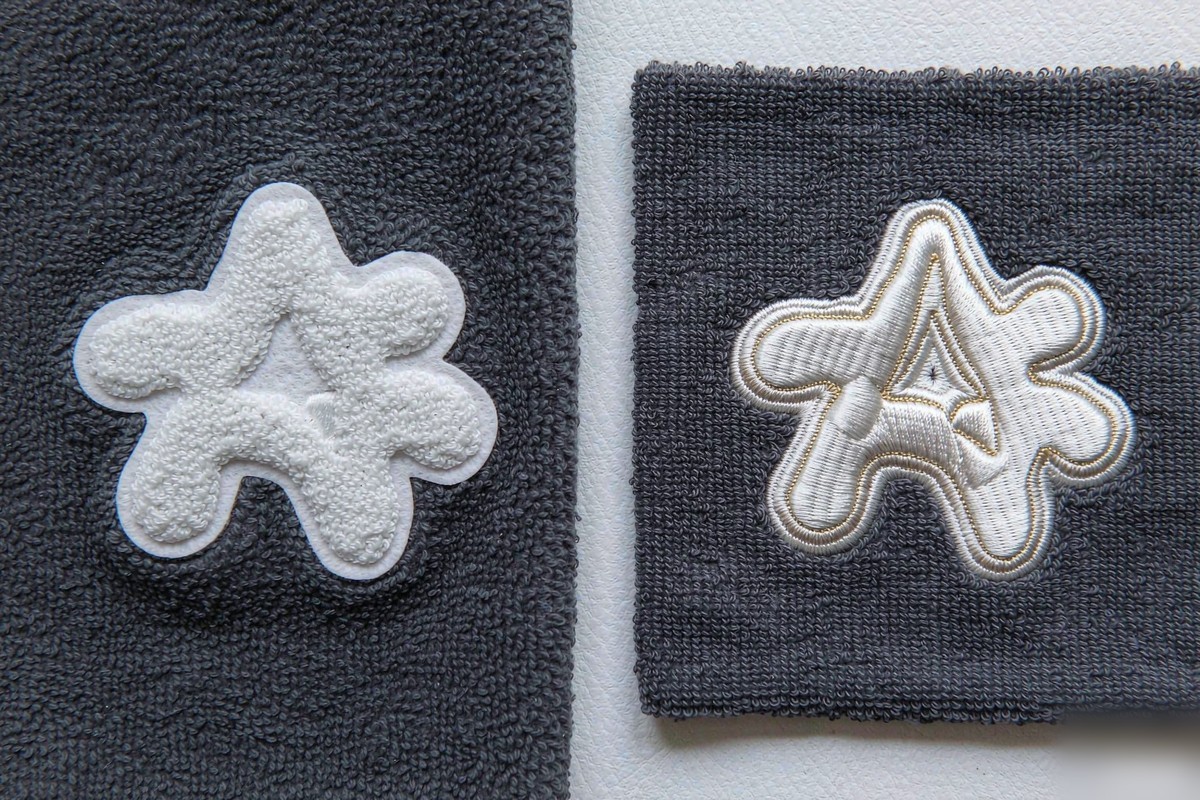
Both fabrics can support embroidery, appliqué and chenille patches. Heavier or stretchier knits may need suitable backing and stabilization to keep dense artwork neat. The design scale and stitch density usually matter more than the fabric's marketing name.
For an embroidery-led hoodie, look at how the finished decoration sits on the fabric and whether the surrounding panel stays smooth. The same applies to stitched patches and larger back designs.
Color, Washing and Repeat Orders
Fabric finishing can influence the way a color looks, and garment washing can change both shade and surface feel. If your collection includes matching tops and bottoms, compare the finished garments rather than relying only on a color name or a lab dip.
When a popular style returns for another production run, keeping a clear reference for weight, composition, finish, color and approved hand feel helps maintain a consistent collection. This is particularly useful when the same hoodie is released across several seasons.
What Affects the Manufacturing Cost?
Neither French terry nor brushed fleece is always the cheaper option. Cost depends on the fiber blend, yarn quality, GSM, knitting and finishing, dyeing or washing treatments, decoration, trims and order quantity. Additional brushing is one possible cost factor, but it cannot be used alone to predict the finished garment price.
For VANRD custom hoodies, the standard minimum order quantity is 100 pieces per style and color. A useful quotation starts with your design, fabric preference and expected quantity, so the fabric can be evaluated alongside the other product details.
Which Fabric Should Your Brand Choose?
Choose French terry when a less plush interior and a clean, versatile casual look best fit the product. Choose brushed fleece when a softer, warmer-feeling inside is a priority. Use the table as a starting point, not as a substitute for comparing actual fabrics.
| Decision point | French terry | Brushed sweatshirt fleece |
|---|---|---|
| Reverse surface | Visible unbrushed loops | Soft raised nap, usually on the inside |
| Hand feel | Typically less fluffy, ranging from light to substantial | Typically softer and more plush |
| Warmth | Often preferred for mild weather and layering | Often preferred for a warmer feel in cool weather |
| GSM | Available in a wide range; compare actual weight and construction rather than the name alone | |
| Drape | Can be fluid or structured depending on density | Can add fullness, but also depends on weight and construction |
| Pilling | Depends on yarn and surface quality | Raised nap may show fuzzing or pilling; quality varies |
| Printing | Suitable for many print techniques | Suitable for many print techniques |
| Common uses | Everyday hoodies, zip-ups, loopback sets, structured styles | Soft pullovers, warm sets, comfort-focused oversized styles |
| Key trade-off | Less plush feel on the inside | Raised inner surface can change with wear and washing |
Three Questions to Make the Decision
- When and where will the hoodie be worn? Mild climates and easy layering often favor French terry; colder conditions and cozy styling often favor brushed fleece.
- What silhouette are you aiming for? Either fabric can be used for oversized or regular fits. Compare dense loopback terry with fleece when you need to choose between a cleaner structure and a softer, fuller look.
- What should the customer notice first? If the focus is a soft, warm interior, fleece has a natural appeal. If it is a versatile casual layer with a visible loopback construction, French terry may be a better match.
Once you choose a direction, document the fabric composition, GSM, finish, color and intended decoration. The hoodie tech pack checklist shows how to communicate those choices for sampling.
Conclusion
French terry and brushed fleece are both useful fabrics for custom hoodies, but they serve different purposes. French terry is a good fit for versatile everyday styles and a less plush interior. Brushed fleece offers the softer, warmer-feeling surface many customers want in cold-weather hoodies.
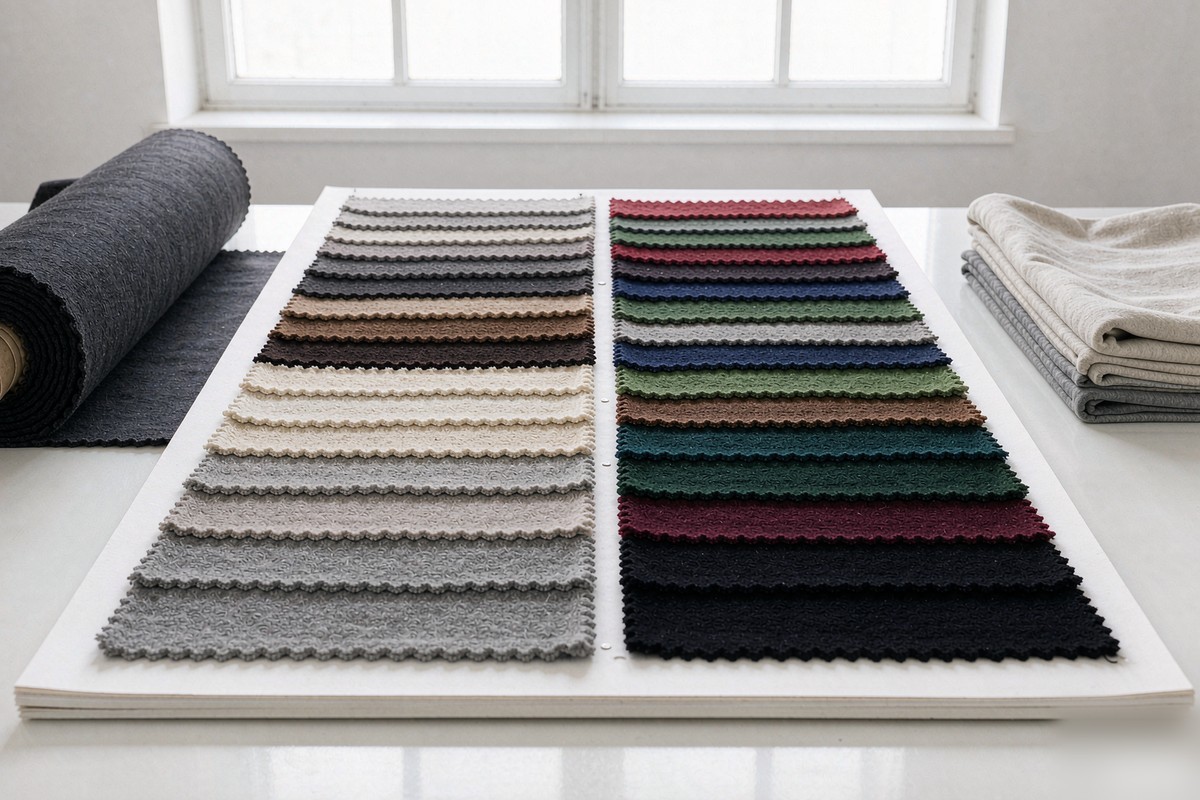
The best choice follows your collection's season, silhouette and intended hand feel. Start there, then compare real fabric swatches rather than relying on the fabric name alone.
Frequently Asked Questions
Is French terry warmer than fleece?
At similar weights and constructions, brushed fleece often feels warmer because the raised nap can trap insulating air. However, a heavyweight French terry may be warmer than a lightweight fleece, so the finished fabric specification still matters.
Can French terry be used for a winter hoodie?
Yes. Heavyweight French terry works well for structured winter hoodies and layered outfits. It will usually feel less plush against the skin than brushed fleece, even when the finished garment has a substantial weight.
Which fabric is better for screen printing?
Both can work well because they commonly have a smooth outer face. Print quality depends on the specific surface, composition, ink and application method; neither fabric is automatically superior for fine artwork.
Can I use French terry and fleece in one matching set?
Yes, provided the design benefits from combining them. Check that the colors, hand feel and wash performance work together; using the same fabric for both pieces is simply an easier route to a coordinated result.
Does brushed fleece always pill?
No. A raised fleece interior may be more susceptible to visible surface changes in some constructions, but pilling depends on yarn, fiber blend, finishing and wear conditions. A washed sample can help you evaluate the result before production.
Not sure whether French terry or brushed fleece is right for your collection? VANRD supports clothing brands with fabric sourcing, custom hoodie development, printing, embroidery and bulk manufacturing.
Share your hoodie design, fabric preference and estimated quantity. Our team can review your requirements and discuss suitable fabric options before preparing a project-specific quotation.
Related Hoodie Resources
- Custom Hoodie Manufacturer — explore VANRD's custom hoodie development services.
- Private Label Hoodie Manufacturing Guide — learn about the wider development and production process.
- Fleece Tracksuit Manufacturer — explore matching fleece sets.