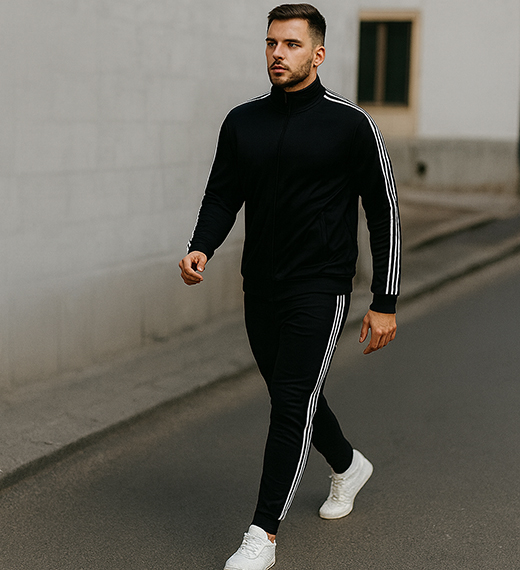
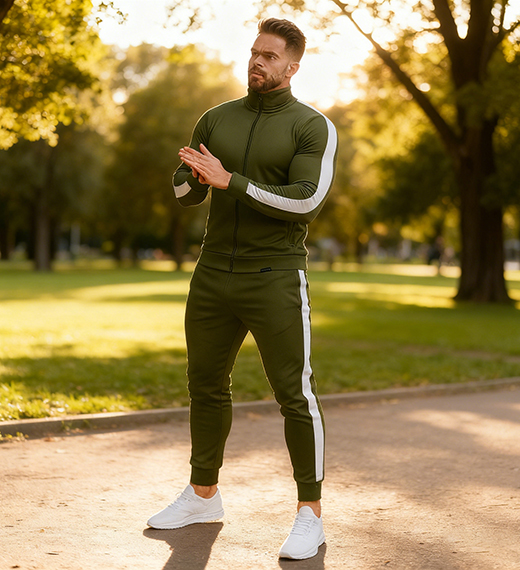
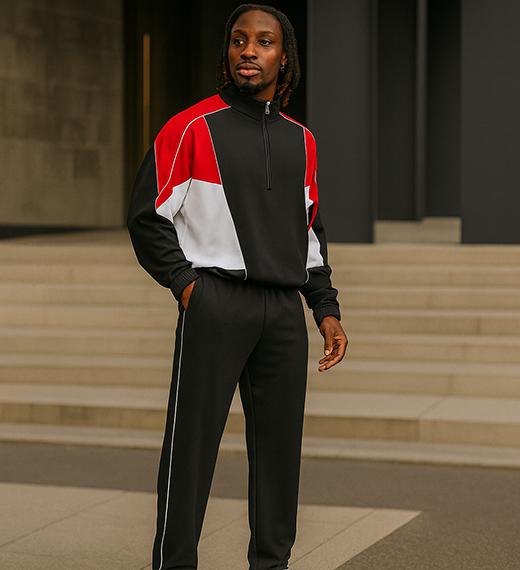
- MOQ 100+

- Samples 7–10 days

- OEM/ODM

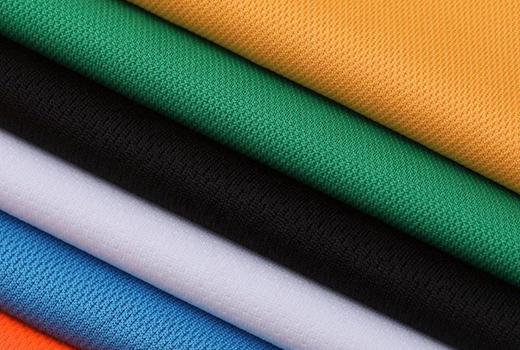
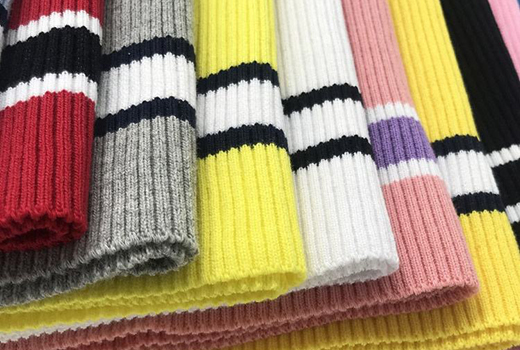
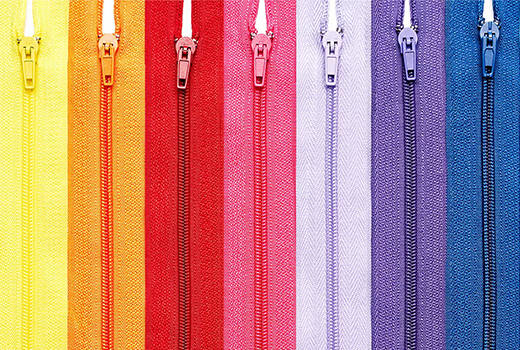
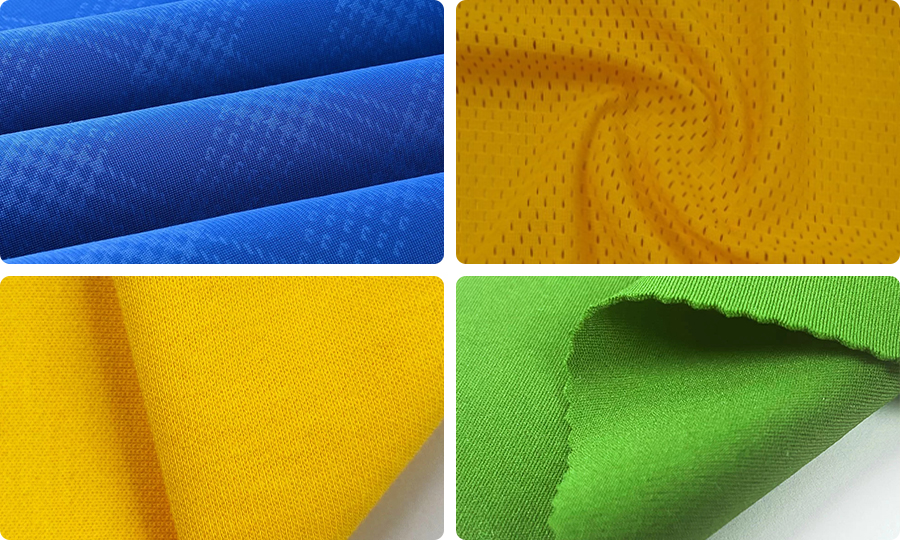
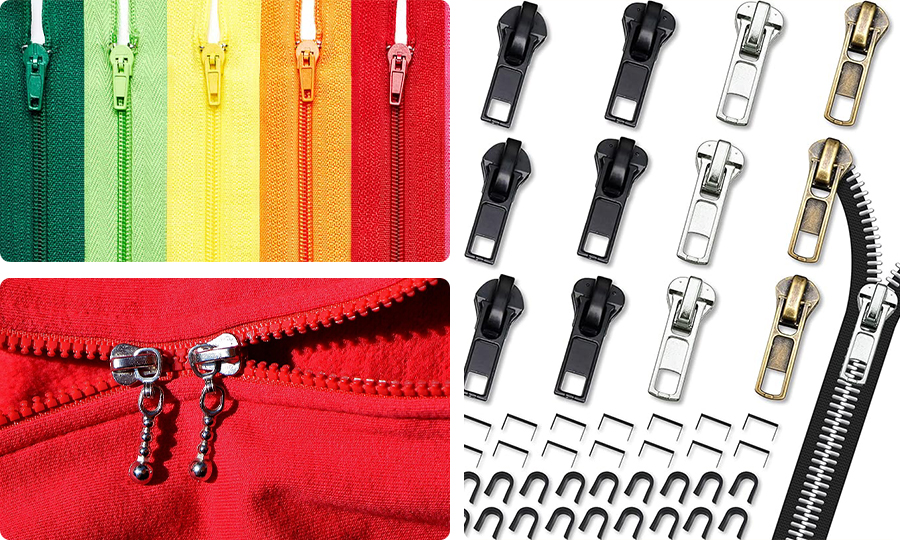
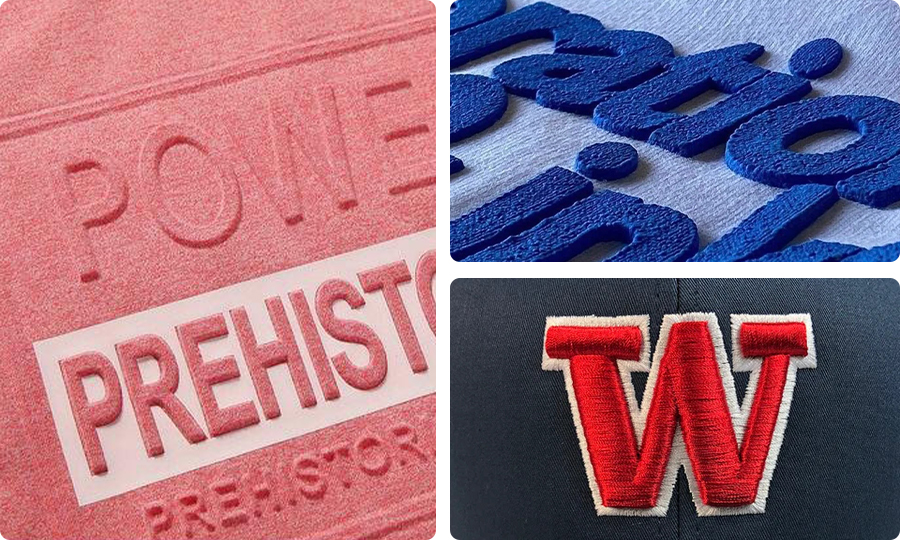
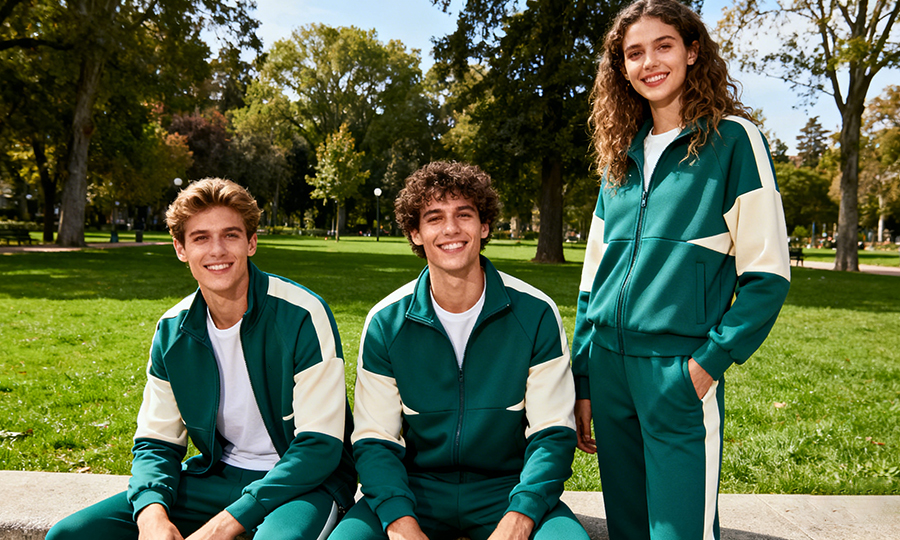

define sport, channels and volumes

choose jersey silhouettes, collars and sleeves

confirm fabrics, meshes, ribs and labels

prepare logos, sponsors, numbers and packaging

build sets, check fit, movement

lock colours, artwork, specs and grading

cut, apply stones, sew, inspect

pack by ratio, label cartons and dispatch
Nylon tracksuits and fleece tracksuits serve different streetwear purposes. Nylon tracksuits are lightweight, water-resistant, and have a sleek athletic finish — ideal for transitional weather and sporty aesthetics. Fleece tracksuits are heavier, warmer, softer, and better suited for colder seasons, with a relaxed casual look. The choice depends on your target climate, brand style, and customer preferences.
| Feature | Nylon Tracksuits | Fleece Tracksuits |
|---|---|---|
| Material Feel | Smooth, lightweight, slightly crisp | Soft, brushed, heavy, cozy |
| Weather Suitability | Spring, summer, transitional | Fall, winter, cold weather |
| Water Resistance | Good — nylon is naturally water-repellent | Low — fleece absorbs moisture |
| Print & Embroidery | Requires heat control for nylon | Easy — fleece holds decoration well |
| Fit Style | Sleeker, more athletic silhouette | Relaxed, oversized, streetwear fit |
| Weight | Light (180–250 GSM) | Heavy (280–400 GSM) |
| Common Use | Sportswear, warm-ups, retro looks | Casual wear, streetwear staple |
Contact VANRD to request samples of both nylon and fleece tracksuit fabrics before placing your bulk order.
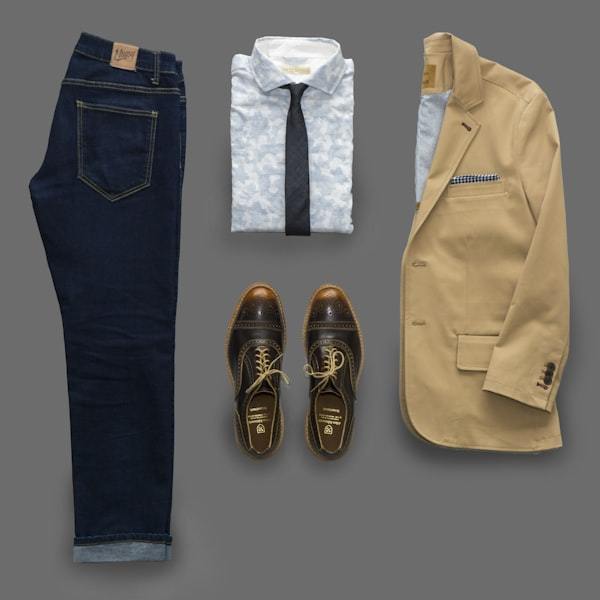
Lightweight, sleek, water-resistant. Great for retro and athletic streetwear.

Warm, soft, relaxed fit. The streetwear staple for cold seasons.
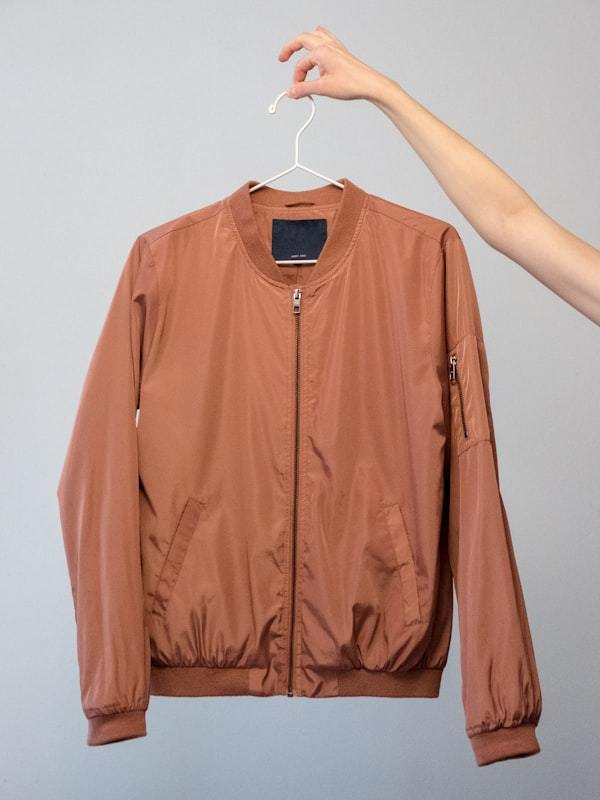
Both styles available with custom colors, branding, and packaging at VANRD.
Brands can avoid tracksuit material delays by confirming the BOM early. The BOM should include fabric, lining if needed, zippers, pullers, elastic, drawcords, labels, hangtags, packaging bags, carton marks, and any special trims. Color approval should also happen before bulk production, especially if the fabric or rib requires custom dyeing. For nylon or performance tracksuits, the brand should confirm fabric function, hand feel, weight, coating, and stretch before sampling is finalized. Mature brands do not wait until the bulk order is ready to ask about trims. They check material lead time early so the factory can prepare sourcing, lab dips, approvals, and production scheduling.
A tracksuit sample is almost never rejected for the reason the brand expects. Six issues account for most rejections — fabric weight and hand, color match, fit against the reference, logo size or placement, trim grade, and untested shrinkage. Each one is detectable before the sample is sewn, which is why most of them are specification problems rather than manufacturing problems.
1. Fabric weight and hand do not match the intent. The brief said "premium heavyweight" and the sample arrived in a 280 GSM fleece, or the reverse. A 400 GSM fleece and a 280 GSM fleece are different products in the same silhouette. Fix: state the weight as a number and the season, then confirm the actual fabric by swatch before cutting.
2. Color does not match. Almost always because the brief gave a color name instead of a Pantone reference or a physical swatch. "Charcoal" spans a wide band, and the difference is obvious once the garment is in hand. Fix: one Pantone reference or one physical swatch per colorway, agreed before fabric is booked.
3. Fit reads differently from the reference. When the brief is a photo, the sample is an interpretation. A photo shows silhouette but not chest, shoulder drop, inseam or leg opening. Fix: supply a size chart or a physical reference garment with the measurements marked — the physical garment is the single most useful item a brand can send.
4. Logo size or placement is off. Artwork supplied without a placement diagram leaves position to interpretation, and 2 cm in the wrong direction is immediately visible on a chest hit. Fix: a placement diagram with measurements from a seam or center line, plus the decoration method stated with the art.
5. Trim grade does not match the price point. A generic zipper or a thin waistband elastic on a set positioned as premium is a rejection even when everything else is correct. Fix: specify the zipper by model, the rib by structure, and the drawcord by tip type. On a tracksuit the trims are read as closely as the fabric.
6. Shrinkage has not been tested. A tracksuit correct before washing and a size short after it is the most expensive rejection because it is discovered late. Cotton fleece moves: expect roughly 3–5% shrinkage unless the fabric is pre-shrunk or compensated at the pattern stage. Fix: confirm the tested shrinkage figure on the actual fabric before the sample is approved, not after bulk.
What the two garments add to the problem. A tracksuit is one product made of two pieces, so a rejection can come from the set rather than either garment — jacket and pant in different shades because they were cut from different lots, or a waistband elastic tension that differs between the two. Both pieces are developed on one fabric lot and approved together.
The cost of a rejection round. Each revision round is 7–14 days plus a sample fee, and two rounds is the difference between landing on a launch date and missing it. Sampling itself runs 7–10 days and bulk production 30–45 days after pre-production approval, so the sample stage is where the calendar is actually decided.
The minimum order is 100 pieces per color per style, with a tracksuit counted as one style across jacket and pant.
Send us your brief and we will flag which of these six is most likely to bite before sampling starts — contact VANRD.
Before moving tracksuit production to a new factory, brands should check whether the manufacturer can match both pieces as one complete set. Tracksuit production requires control of fabric hand feel, color consistency, jacket fit, pants fit, waistband elasticity, cuff tension, zipper quality, drawcords, labels, logo placement, and packaging. The top and bottom must look balanced when worn together, not like two separate products. Brands should provide approved samples, fabric swatches, tech packs, measurement charts, trims, and previous bulk comments. A PP sample should be approved before bulk, and the first production output should be checked to make sure fabric shade, fit, trims, and logo execution remain consistent.