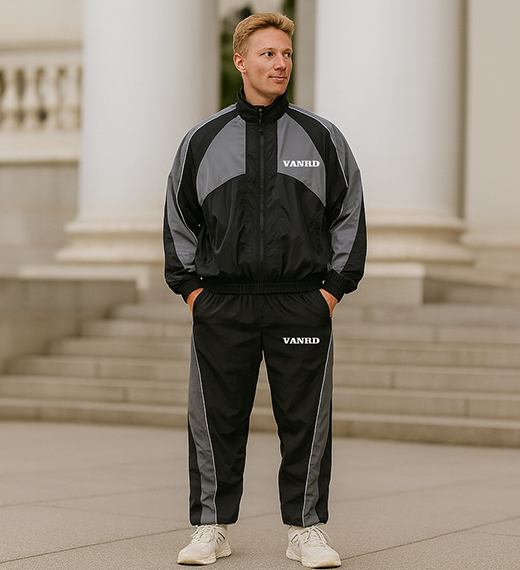
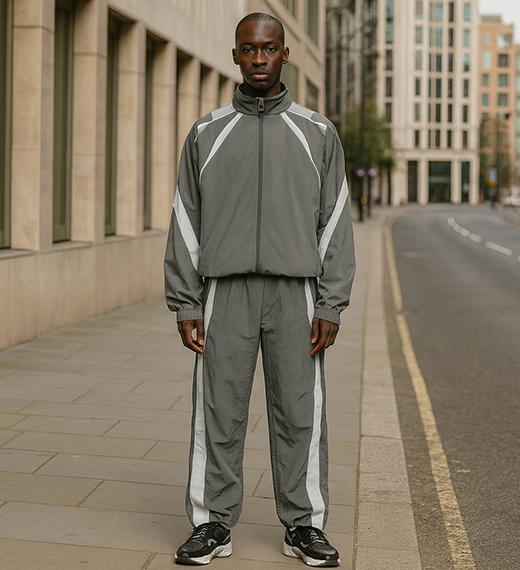
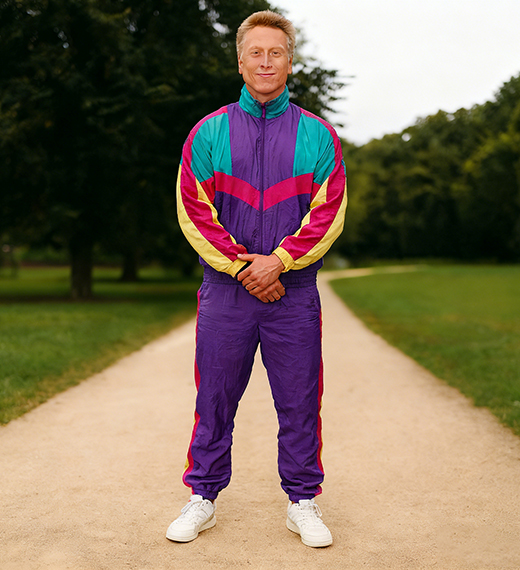
- MOQ 100+

- Samples 7–10 days

- OEM/ODM

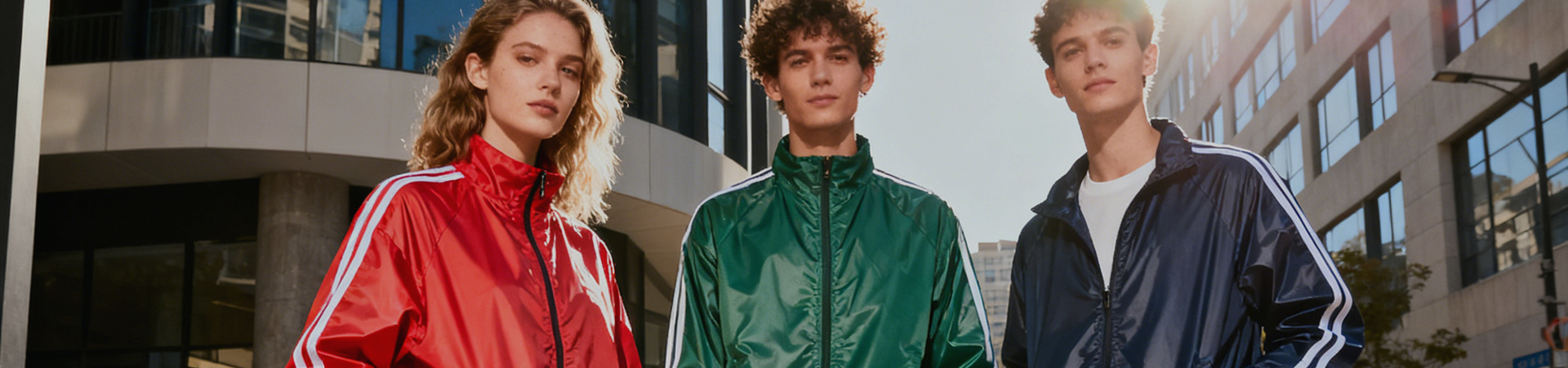

define sport, channels and volumes

choose jersey silhouettes, collars and sleeves

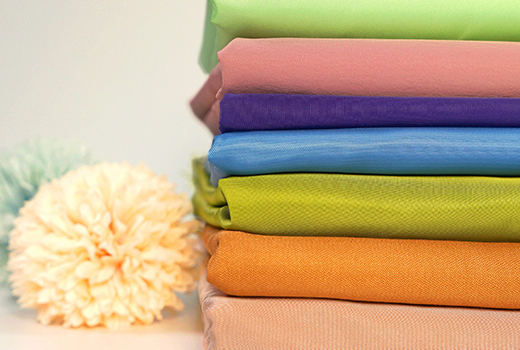
confirm fabrics, meshes, ribs and labels

prepare logos, sponsors, numbers and packaging

build sets, check fit and movement

lock colours, graphics, specs, grading

cut, print, sew and run inline QC

pack by ratio, label cartons and dispatch
Working with a manufacturer that specializes in performance tracksuits means one team controls the fabric spec, construction, trims, decoration and quality standard as a single recorded specification — which is what keeps fit, color and hand-feel consistent between the first production run and the reorder.
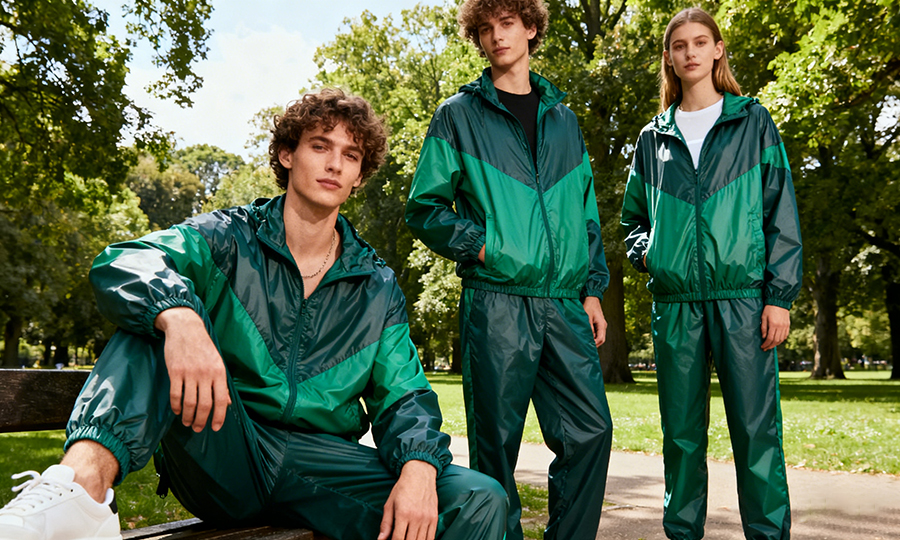
On this category specifically, the controls that matter are: panels and seams laid out for movement rather than purely for looks; ventilation planned with the pattern rather than added after the first sample; matching trim and rib across jacket and pant. Those are specification items, not preferences. When they are recorded they repeat; when they are agreed verbally they drift between runs.
A useful way to tell a factory from a trading company: it asks about your fabric, sizing and timeline before quoting; it flags problems before you find them, such as warning that performance sets are developed from fit and movement first, fabric second; it shares evidence such as QC checklists and measurement sheets; it discusses specific defects rather than claiming perfect quality; it is willing to run a small pilot order; and its business entity and factory address can be verified independently.
The commercial frame: minimum order 100 pieces per color per style, sampling in 7–10 days, bulk production in 25–35 days, and indicative FOB pricing in the costed as a set, driven by fabric technology, lining and branding range.
VANRD manufactures in Dongguan, China, with ISO 9001 process control, with BSCI or WRAP social compliance and OEKO-TEX Standard 100 fabric certification available.
Tell us what you are developing and we will tell you honestly whether it is a good fit for our line — contact VANRD.
A first custom performance tracksuit sample takes 7–10 days after the specification and available materials are confirmed, and bulk production runs 25–35 days after pre-production approval. Most programs need one to three sample rounds, which is where the real calendar is decided.
Stage by stage:
What pushes the timeline out: custom-dyed or imported fabric, where mill lead time sits outside the sewing floor; wash development, because the washed garment can still shift after an unwashed fit approval; and decoration testing on materials where the surface behaves differently from a test swatch. Performance sets are developed from fit and movement first, fabric second.
Quality checkpoints protect the calendar: after cutting, mid-production on the first units off the line, and pre-shipment against AQL 2.5. Catching an issue at the first checkpoint costs a correction; catching it after packing costs a rework cycle.
Send your tech pack and target launch date and we will come back with a dated sampling and production plan — contact VANRD.
Custom performance tracksuits are built from four decisions: fabric and weight, construction and trims, decoration, and the private label pack. Each one changes cost, lead time and how the finished piece reads.
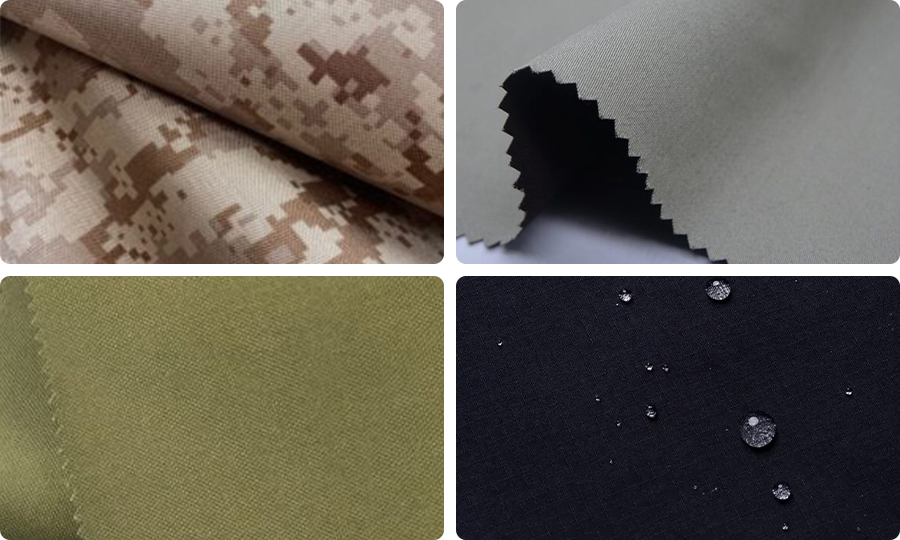
Fabric. The options we run most are performance polyester knits for moisture management; polyester-elastane blends for stretch recovery; brushed-back performance fabrics for warmth. For performance tracksuits the practical weight reference is polyester typically 200–300 GSM, placing it between nylon and fleece. Ordering by weight figure alone is not enough — two fabrics can both be called the same weight and still behave differently in wash, drape and color retention, so composition and shrinkage are confirmed by wash testing.
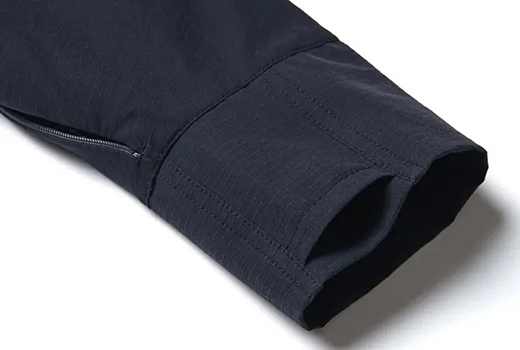
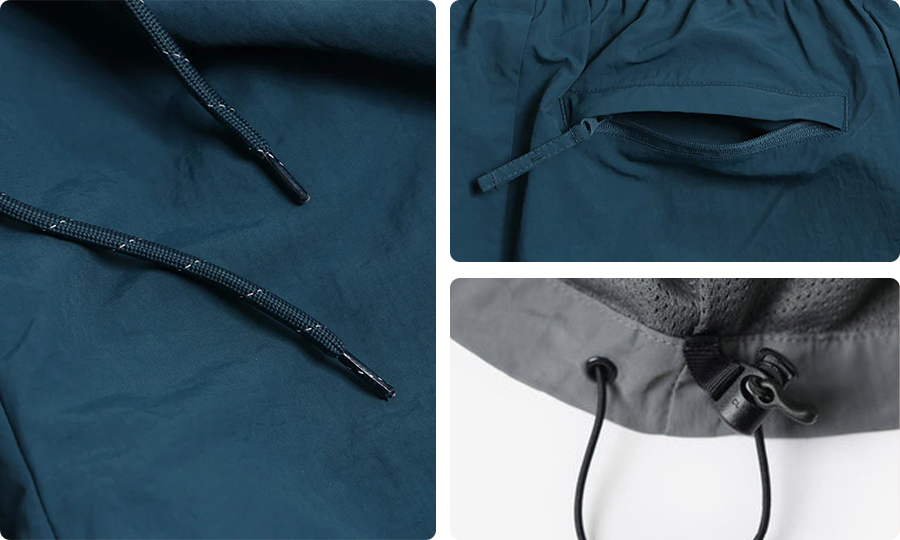
Construction and trims. The build includes panels and seams laid out for movement rather than purely for looks; ventilation planned with the pattern rather than added after the first sample; matching trim and rib across jacket and pant; flatlock or bonded seam options where chafing matters.
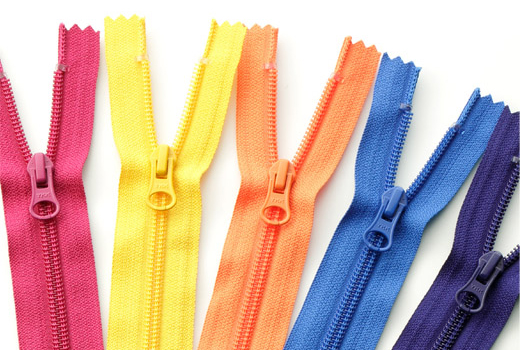
Decoration. Available routes include heat transfer, sublimation, embroidery, reflective print, custom zipper pulls. Decoration is approved on the actual fabric rather than on a test swatch, because stretch, pile, coating and heat sensitivity all change the result.
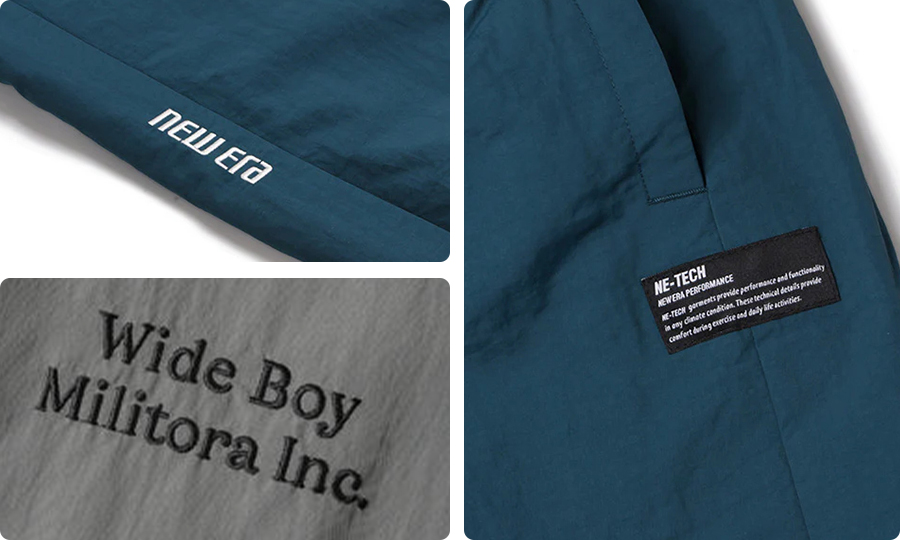
Private label pack. Woven neck labels, size and care labels, logo tags, hangtags, barcoded polybags and printed cartons. A garment can leave the sewing line finished and still not be retail-ready, and this layer is what closes that gap.
A note specific to this category: Performance sets are developed from fit and movement first, fabric second. Ventilation planned into the pattern behaves very differently from vents added after the first sample — one is construction, the other is a patch.
Send us your specification or reference and we will tell you which of these decisions drives your cost the most — contact VANRD.
Custom performance tracksuits commonly fall in the costed as a set, driven by fabric technology, lining and branding per unit FOB range. Within that band, technical fabrics and test requirements sit above a plain fleece set. A unit price quoted without fabric weight, construction details, decoration method and order volume is not comparable across suppliers.
What moves the number:
A low quote is rarely a lower cost. When three suppliers quote different prices for the same garment, the difference is usually the fabric weight, a stock trim substituted for a specified one, or a decoration method quietly swapped. Compare quotations only after aligning fabric, construction, decoration, labels, packaging and quantity — and ask each supplier to state what is excluded.
Reference points across the range: sample fees are typically USD 50–150 for a simple garment and USD 150–400 where multiple fabric panels and custom trims are involved, usually deductible from the bulk order; sea freight adds roughly USD 1–2.50 per unit at volume, and air freight costs about 5–6 times more.
Send your fabric preference, target quantity per color and decoration method, and we will price the actual bill of materials rather than a category average — contact VANRD.
VANRD's minimum order quantity for custom performance tracksuits is 100 pieces per color per style. It is a per-color minimum rather than a per-order minimum, so a two-color program starts at 200 pieces and a four-color program at 400. Sizes can be mixed inside a colorway as long as the total for that color reaches 100.
The minimum exists because performance tracksuits carry setup costs that a basic tee does not. Fabric minimums, pattern development, trims with their own supplier minimums and a separate sampling round all have to be carried by the first order. At 100 pieces those costs sit on a small quantity; at 500 pieces the same setup spreads across five times as many units, which is why unit price falls as volume rises.
Three things can push the minimum higher:
Once ventilation planned with the pattern rather than added after the first sample is approved, a second or third colorway becomes a fabric and trim decision rather than a new development cycle. Brands that plan for a reorder before the first order usually start with one color on a spec designed to accept more.
Sampling runs 7–10 days after the specification and available materials are confirmed, and bulk production takes 25–35 days after pre-production approval.
Send us your target quantity per color and size range and we will confirm the minimum against your actual performance tracksuit fabric and trim choices, rather than quoting a generic number — contact VANRD.
Choosing a manufacturer for custom performance tracksuits comes down to four checks: category experience, specification control, evidence, and commercial fit.
Category experience. Performance sets are developed from fit and movement first, fabric second. Ventilation planned into the pattern behaves very differently from vents added after the first sample — one is construction, the other is a patch.
Specification control. A manufacturer should be able to describe the fabric, the weight reference and the construction items it will control: performance polyester knits for moisture management and polyester-elastane blends for stretch recovery, with panels and seams laid out for movement rather than purely for looks and ventilation planned with the pattern rather than added after the first sample. If those are vague before you order, they will be vague during production.
Evidence. Ask for a QC checklist, a measurement sheet with tolerances, the AQL standard they work to, and a clear statement of what is produced in-house versus subcontracted. A supplier that answers yes to everything has not read your brief.
Commercial fit. Minimum order is 100 pieces per color per style, sampling runs 7–10 days, bulk production 25–35 days, and indicative FOB pricing for performance tracksuits sits in the costed as a set, driven by fabric technology, lining and branding range — technical fabrics and test requirements sit above a plain fleece set.
VANRD manufactures in Dongguan, China, working to AQL 2.5 inspection with ISO 9001 process control, with BSCI or WRAP social compliance and OEKO-TEX Standard 100 fabric certification available.
Send your specification and we will tell you what is straightforward, what needs development, and what we would warn you about — contact VANRD.