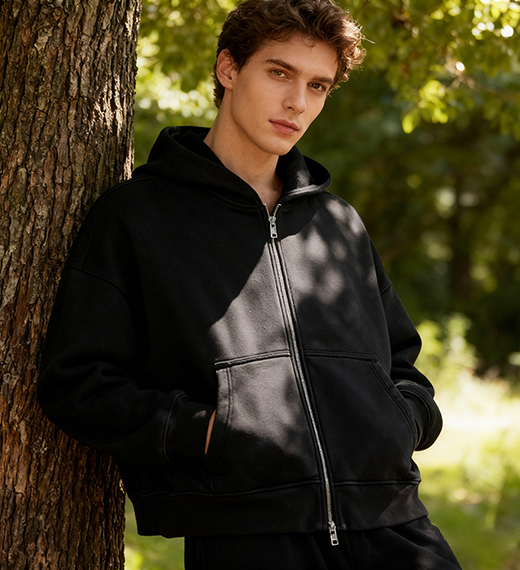
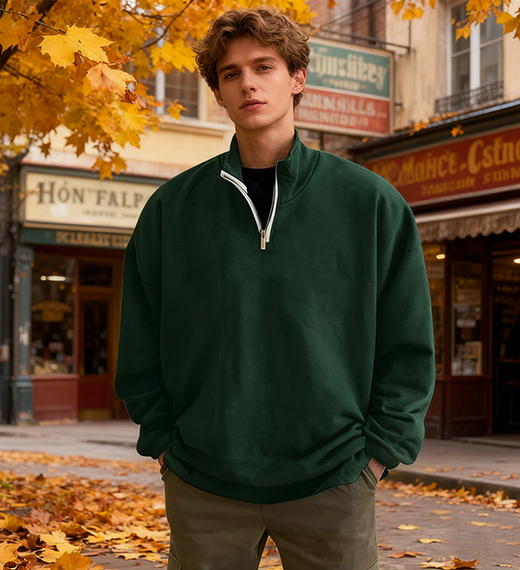
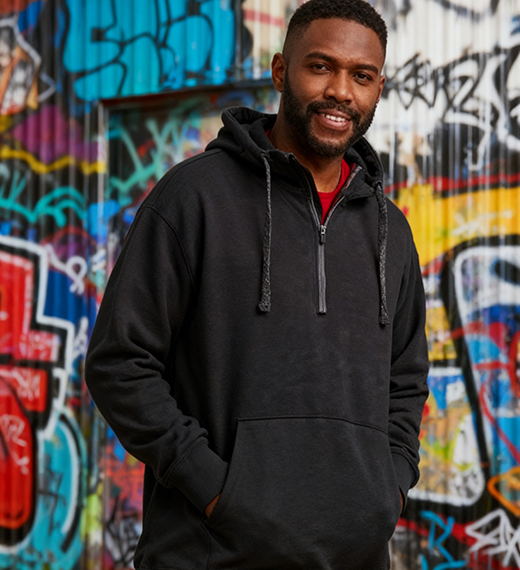
- MOQ 100+

- Samples 7–10 days

- OEM/ODM

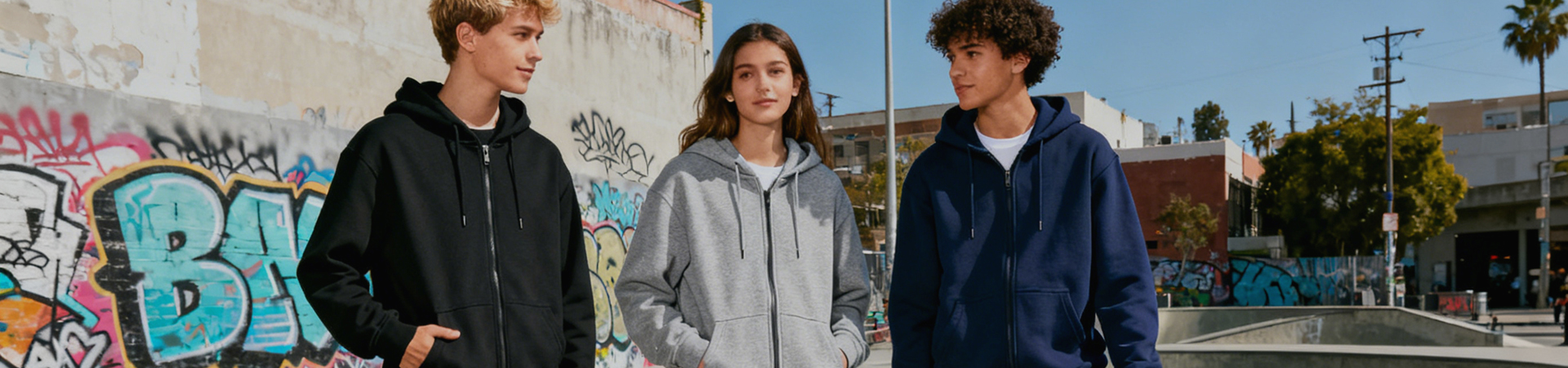

define product, markets and budget

choose zip-up body, hood, pockets

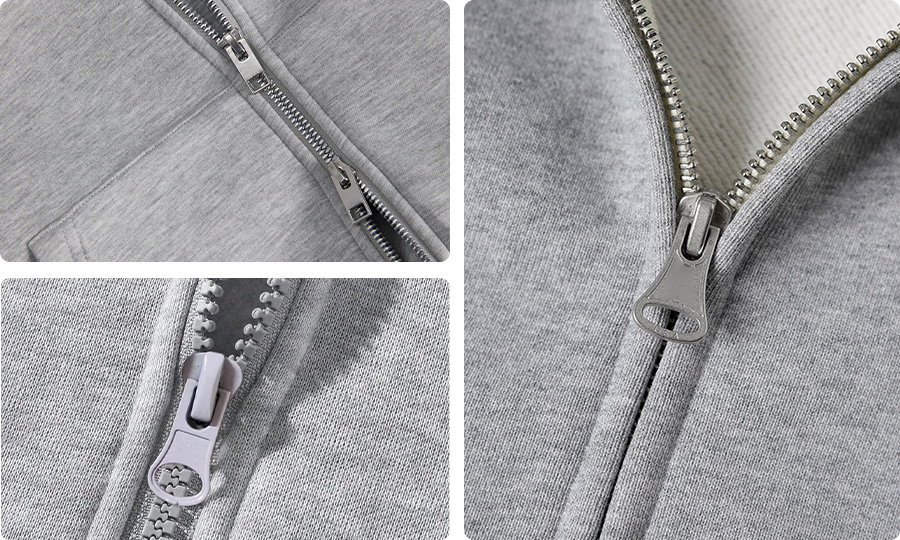
confirm fleece, ribs, zipper, hardware

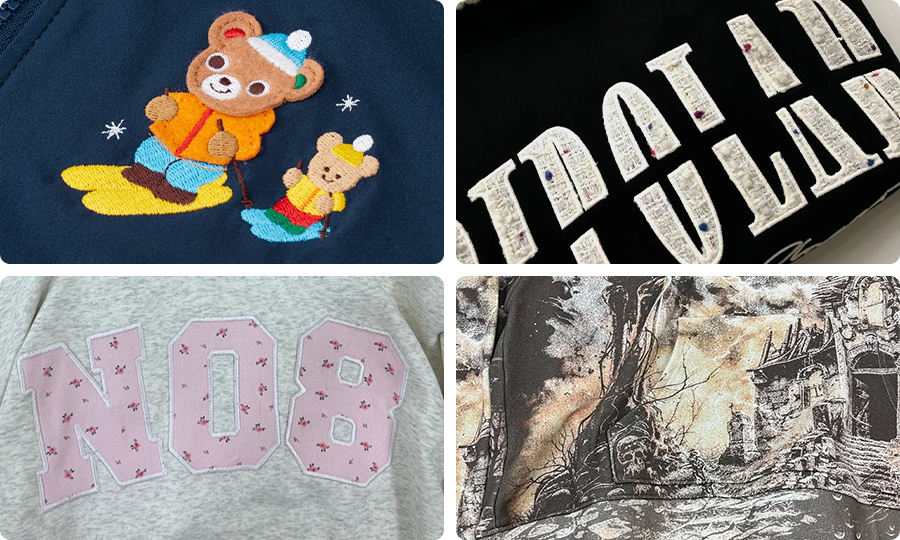
agree print, embroidery and label positions

make samples, review measurements and comfort

lock fabrics, colours, graphics, grading

cut, sew, decorate and inspect inline

finalize packing, carton marks and logistics
Brands should choose a zip-up hoodie manufacturer with real experience in cut-and-sew hoodie production, not only basic blank decoration. Zip-up hoodies require more construction control than pullover hoodies because the center-front zipper, hood shape, pocket alignment, rib trims, drawcords, zipper tape, pullers, and front panels all affect the final fit and appearance.
Before starting development, brands should confirm the manufacturer’s fleece options, zipper quality, fit development ability, MOQ, sample process, logo techniques, private label options, and quality control standards. A reliable zip-up hoodie manufacturer should help review your references, recommend suitable fabric weight, test zipper performance, control measurements, and reduce bulk production risks.
This is especially important for growing brands testing a first hoodie drop, designers developing a custom silhouette, established brands planning repeat production, and influencers or KOL brands launching limited-edition merch.
Zip-up hoodie MOQ and pricing are mainly affected by fleece weight, fabric composition, zipper quality, decoration method, paneling complexity, trims, size range, packaging, and total order quantity. For custom zip-up hoodie production, brands should normally plan around 100 pieces per color and per style, with a full size run included in that quantity.
A simple full-zip hoodie with standard fleece, basic zipper, and one logo print will usually cost less than a heavyweight oversized zip-up hoodie with premium fleece, custom zipper pullers, embroidery, appliqué, contrast panels, branded labels, hangtags, and custom packaging.
Growing brands should start with a clear quantity plan and one focused style. Designers should confirm fabric weight, fit, zipper type, and artwork early. Established brands should share reorder expectations. Influencers and KOL brands should prepare launch dates, target quantities, logo files, and packaging direction before requesting a quote.
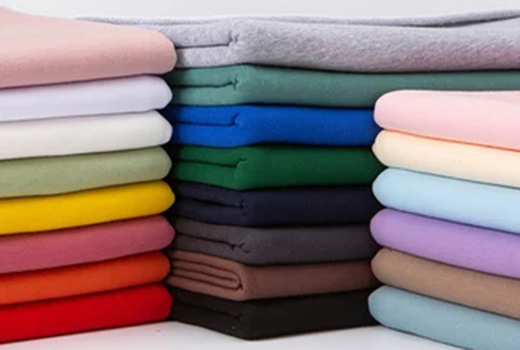
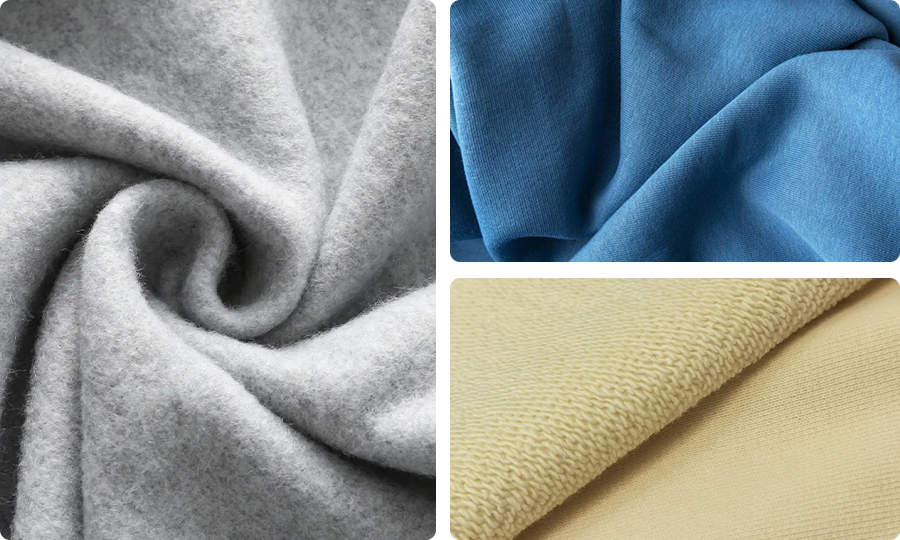
The best fabric for a zip-up hoodie depends on the target season, price level, handfeel, and brand positioning. Midweight fleece or loopback fabric is suitable for year-round lifestyle hoodies and layering pieces. Heavyweight brushed fleece is better for premium streetwear, colder markets, oversized silhouettes, and structured hoodie drops. French terry can create a lighter, cleaner feel for spring, athleisure, or travel-focused collections.
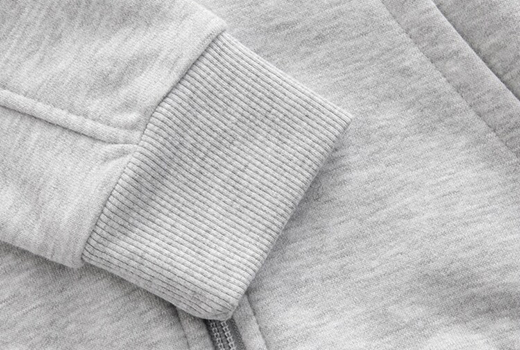
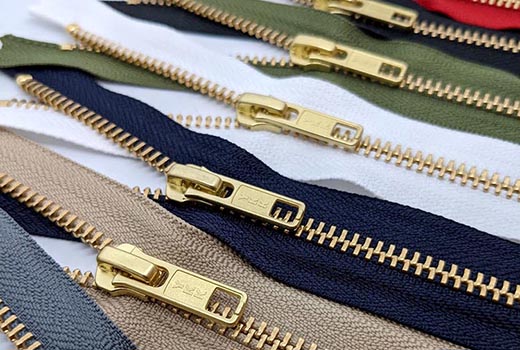
Trims are especially important for zip-up hoodies. The center-front zipper should feel smooth and durable, while zipper tape color, zipper pullers, drawcords, aglets, eyelets, rib cuffs, rib hem, pocket bags, and hood lining should match the product’s quality level.
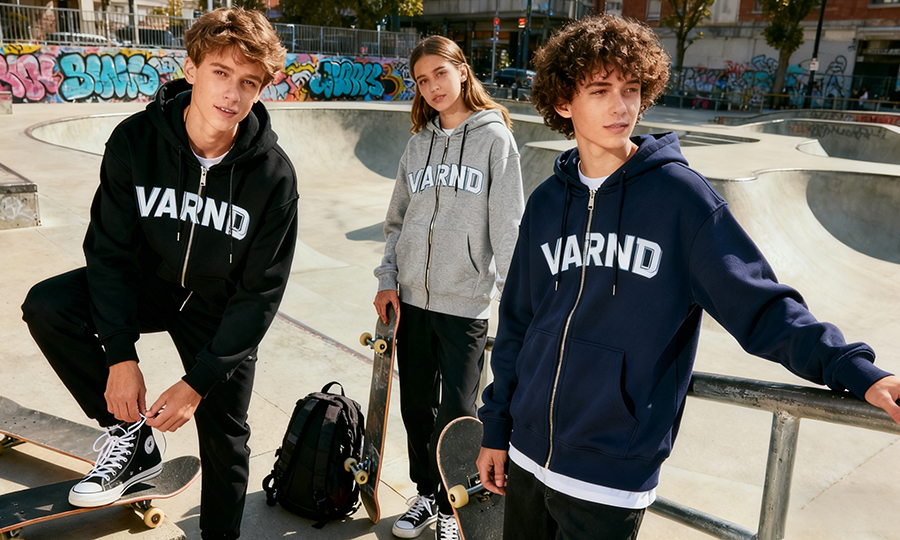
Brands should choose materials based on the final use. Streetwear brands may focus on heavyweight fleece and oversized fit. Designers may focus on fabric texture and silhouette. Teamwear and corporate programs may need durable fabric, stable sizing, and easy-care construction. Influencer merch may prioritize strong visual impact and premium finishing.
Zip-up hoodies can be customized with screen printing, puff print, water-based print, plastisol print, embroidery, appliqué, chenille patches, woven patches, rubber badges, contrast panels, custom zipper pullers, printed zipper tape, custom drawcords, neck labels, care labels, size labels, hangtags, barcoded polybags, and printed cartons.
Because zip-up hoodies have a center-front zipper, artwork placement must be planned carefully. Large front graphics may need to be split around the zipper, while chest logos, sleeve graphics, back prints, hood details, and pocket artwork can be placed more flexibly. For premium streetwear, back graphics, puff print, embroidery, appliqué, and custom trims can make the hoodie feel more brand-owned.
Brands should confirm artwork size, logo placement, print color, embroidery thread, zipper color, trim details, label position, and sample approval before bulk production. This helps avoid crooked graphics, poor zipper alignment, weak print results, or inconsistent branding.
Quality control for zip-up hoodie production starts with a clearly approved sample. Before bulk production, the fleece fabric, fabric weight, zipper type, zipper color, hood shape, pocket position, rib trims, drawcords, logo placement, labels, size specs, and packaging requirements should all be confirmed.
During production, QC should check fabric defects, cutting accuracy, stitching quality, seam strength, zipper smoothness, zipper alignment, hood symmetry, pocket balance, rib recovery, drawcord length, logo placement, embroidery quality, print quality, size grading, measurement tolerance, and overall garment shape.
Zip-up hoodies need extra attention because the zipper can affect front balance, fit, and comfort. If the zipper waves, pulls, twists, or does not match the garment length correctly, the hoodie can look lower quality even if the fabric is good. Before shipment, finished hoodies should be compared with the approved sample and production specifications to reduce bulk defects and keep repeat orders consistent.
Zip-up hoodie development should change depending on the brand stage, customer group, selling channel, and launch plan. Growing brands often need a lower-risk first hoodie drop with controlled MOQ, clear pricing, practical fabric choices, and a design that can be reordered if it sells well.
Designers usually focus more on silhouette, fabric texture, zipper placement, hood shape, body length, sleeve volume, pocket design, and how accurately the sample matches the original concept. Established brands often need stronger control over fabric records, fit consistency, zipper quality, color standards, labeling, carton requirements, quality inspection, and repeat production.
Influencers and KOL brands may use zip-up hoodies for limited-edition merch drops, creator collections, event launches, or fanwear. These projects usually need strong visual identity, premium labels, bold back graphics, custom packaging, and clear delivery planning. Before sampling, brands should explain whether the hoodie is for streetwear retail, designer collections, wholesale programs, teamwear, corporate uniforms, creator merch, or long-term private label production.