- MOQ 100+

- Samples 7–10 days

- OEM/ODM


(use case, target retail, margin)

(flight satin vs Taslan vs leather)

(classic/boxy/oversized)


(shade bands if garment dye)

(zipper cycle/snap pull tests)

Brands should check whether the racing jacket manufacturer has real experience with structured outerwear, motorsport-inspired designs, panel construction, logo placement, embroidery, appliqué patches, trims, and private label production. Racing jackets usually involve more complex design details than basic jackets because the final look depends on color-block panels, sleeve graphics, sponsor-style logos, patches, rib trims, zippers, lining, and overall fit.
Before starting development, brands should confirm the manufacturer’s fabric options, sample process, MOQ, patch and embroidery capability, quality control standards, and bulk production timeline. A reliable racing jacket manufacturer should help review the design, recommend suitable materials, control logo placement, test trims, and reduce production risks before shipment.
This is especially important for growing brands testing a first racing-inspired drop, designers developing a detailed jacket concept, established brands planning seasonal outerwear, and influencers or KOL brands launching limited-edition motorsport merch.
The MOQ for custom racing jacket manufacturing usually depends on fabric choice, color quantity, panel complexity, embroidery coverage, patch quantity, lining, trims, size range, and packaging requirements. For most private label racing jacket programs, brands should normally plan around 100 pieces per color and style, with full size runs included in that total.
Cost is strongly affected by decoration and construction. A simple racing-inspired jacket with standard fabric and limited logo placement will usually cost less than a jacket with multi-color panels, sleeve graphics, heavy embroidery, appliqué patches, custom zipper pullers, quilted lining, and branded packaging.
Growing brands should start with a focused design and clear quantity plan. Designers should confirm artwork and panel layout early. Established brands should share repeat order expectations. Influencers and KOL brands should prepare the launch date, target quantity, logo files, and packaging direction before requesting a quote.
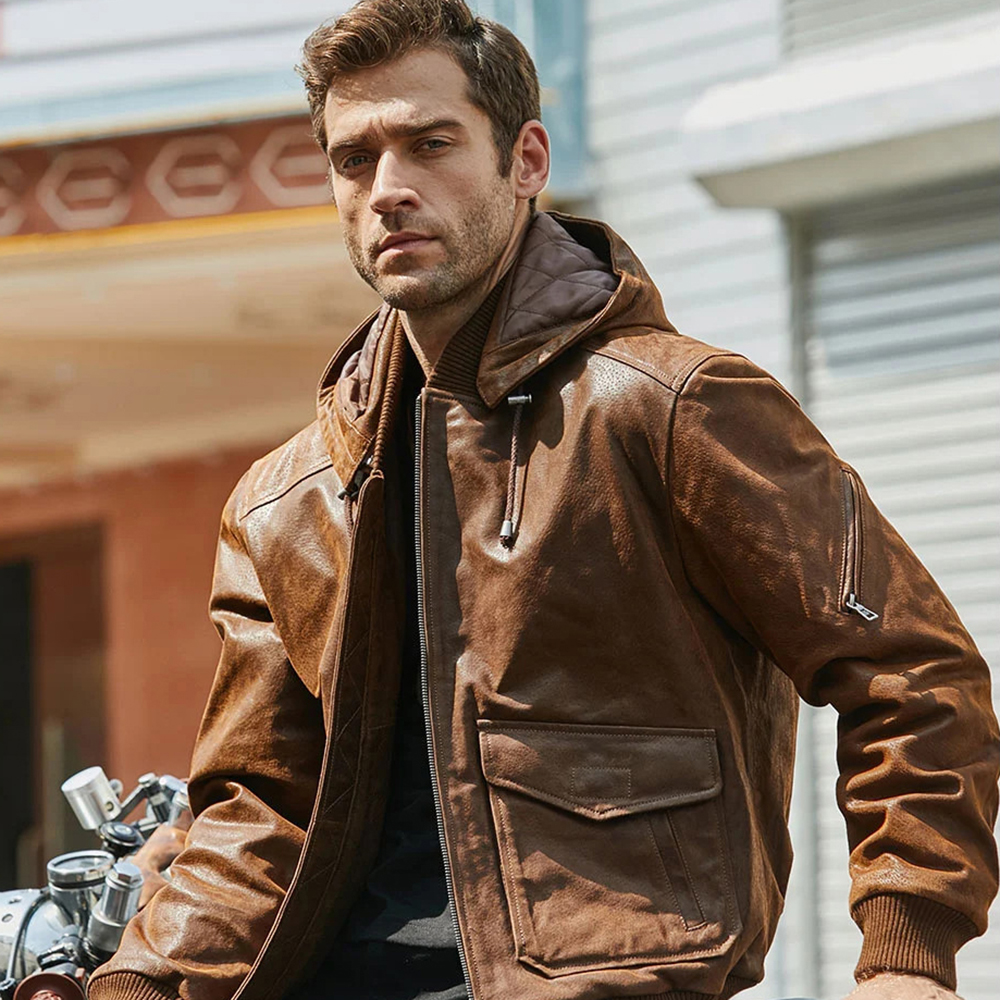
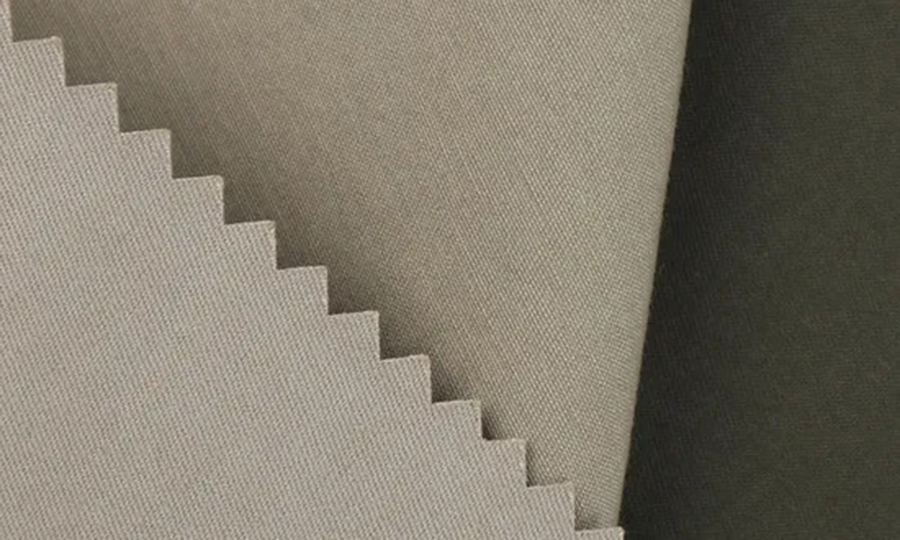
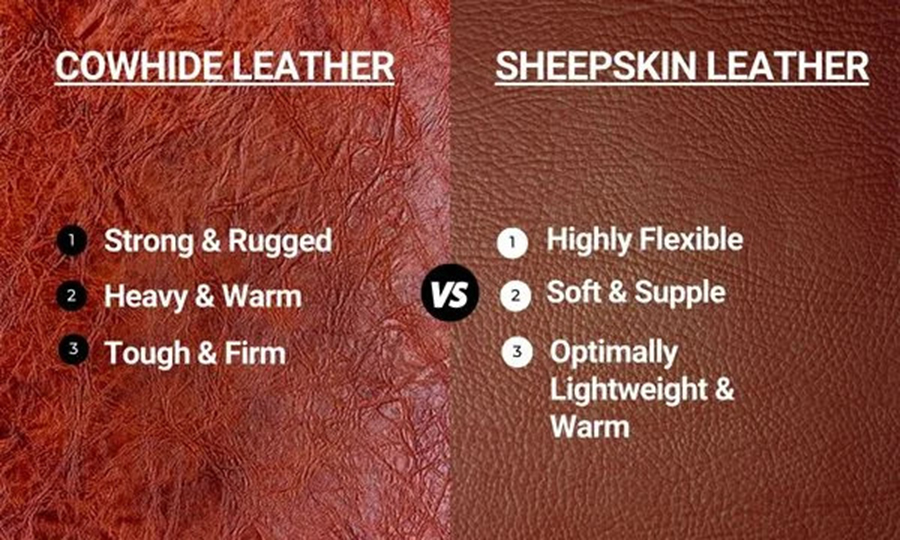
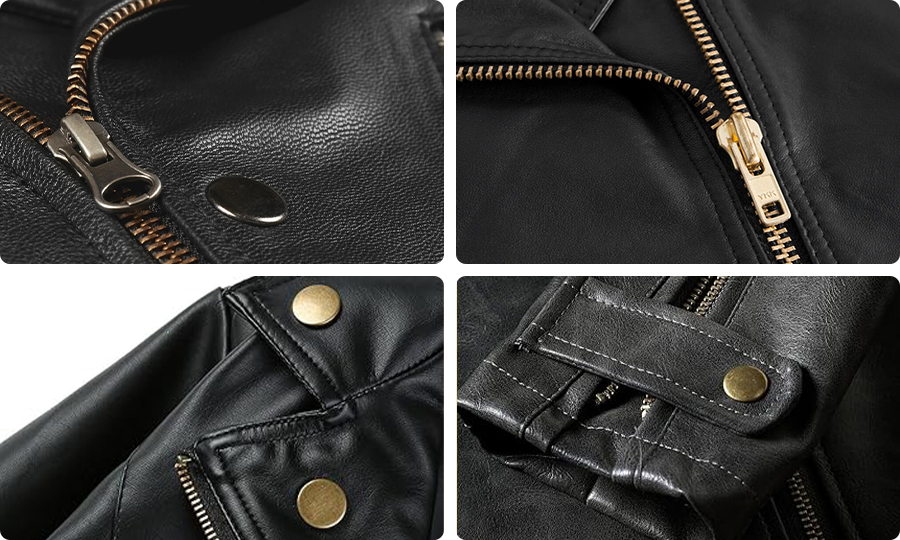
The best materials for custom racing jackets depend on the target style, season, price level, and brand positioning. Common options include nylon, polyester, satin, cotton twill, poly-cotton blends, coated fabrics, and selected synthetic or genuine leather options for premium moto-inspired programs. The right choice depends on whether the jacket should feel lightweight, structured, sporty, vintage, or more premium.
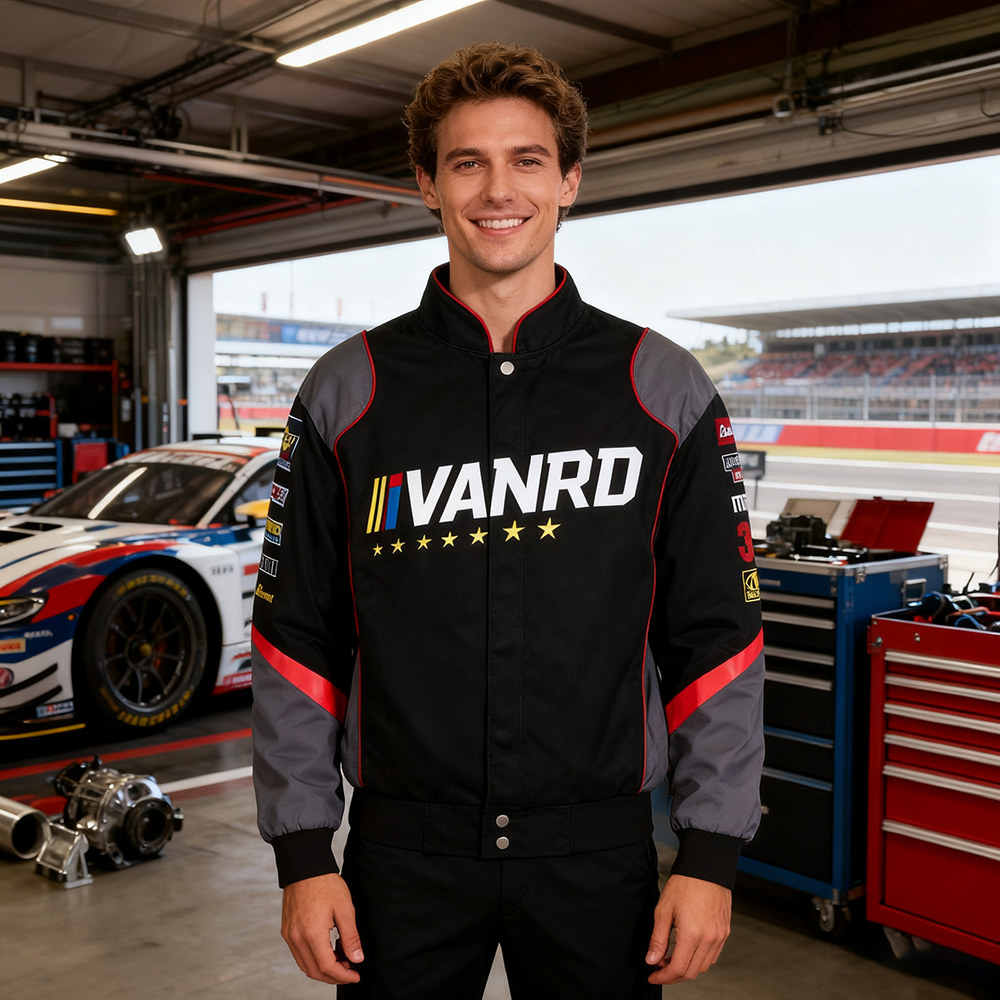
Panel construction is especially important for racing jackets. Color-block panels, sleeve stripes, chest yokes, contrast piping, quilted shoulders, rib cuffs, rib hems, and reinforced pocket openings can all change the final look. These details should be planned carefully so the jacket has clean logo zones and balanced proportions.
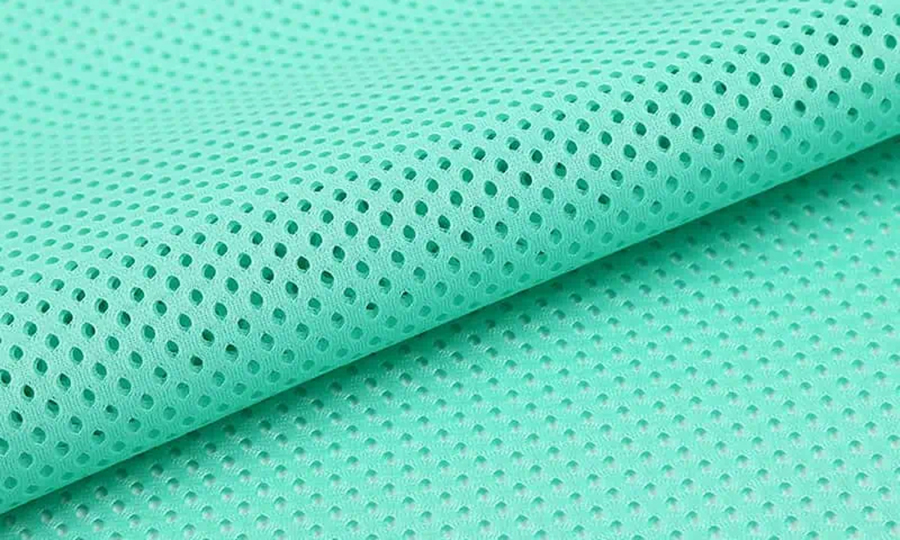
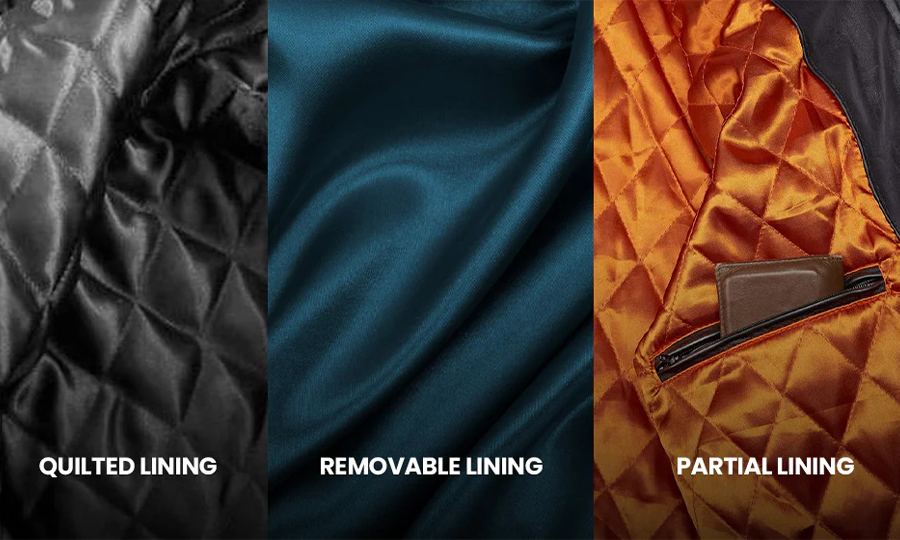
Linings and trims also affect comfort and quality. Mesh lining can keep the jacket lighter, taffeta lining gives a smoother inside finish, and quilted or brushed lining can add warmth. Zippers, snaps, rib trims, drawcords, patch backings, and label details should be selected based on the final use and target retail level.
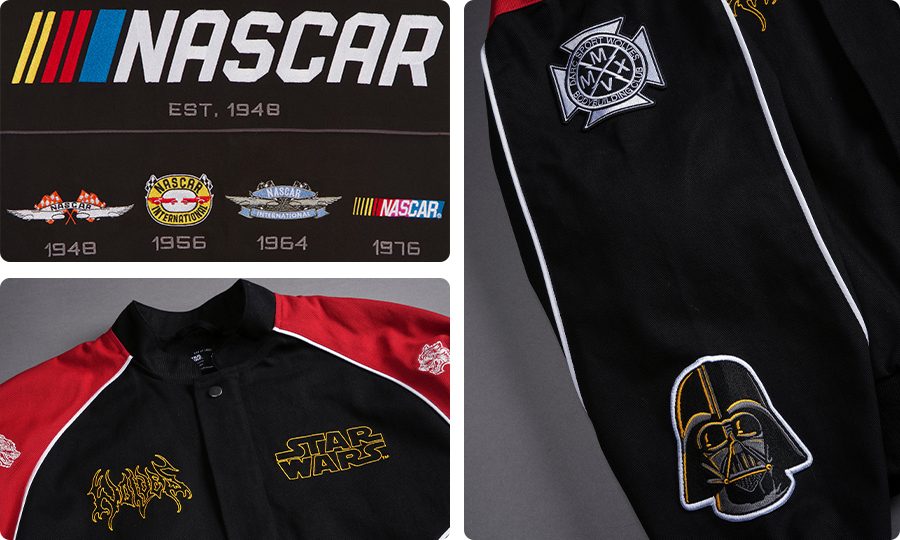
Yes. Racing jackets can be customized with embroidery, appliqué patches, woven patches, rubber patches, chenille-style badges, sponsor-style logo layouts, sleeve graphics, high-density printing, chain stitch, back artwork, custom labels, hangtags, polybags, and printed cartons.
Because racing jackets often use multiple logo zones, brands should confirm logo hierarchy before sampling. The chest, sleeves, collar, back panel, shoulder panels, and pocket areas can all carry different branding elements, but too many logos without a clear layout can make the jacket look messy or difficult to reproduce in bulk.
For best results, brands should prepare vector artwork, patch sizes, logo placement, color standards, thread colors, backing requirements, and reference images. Logo and patch placement should be checked on the sample before bulk production to avoid crooked patches, inconsistent spacing, poor embroidery density, or uneven sponsor-style layouts.
Quality control for custom racing jacket production starts with a clearly approved sample. Before bulk production, the shell fabric, lining, panel layout, patch placement, embroidery size, logo colors, zipper quality, rib trims, sleeve length, body length, shoulder width, labels, and packaging requirements should all be confirmed.
During production, QC should check fabric defects, cutting accuracy, panel alignment, color-block balance, stitching quality, seam strength, zipper function, snap strength, rib tension, sleeve graphics, patch placement, embroidery density, measurement tolerance, and overall garment shape. Racing jackets need extra attention because small placement errors can be very visible when the design includes multiple logos and color-block panels.
Before shipment, finished jackets should be compared with the approved sample and production specifications. This helps reduce bulk defects, inconsistent sizing, crooked patches, uneven embroidery, trim failures, and branding mistakes across first orders and repeat orders.
Racing jackets should be developed differently depending on the target customer, selling channel, and brand positioning. Streetwear racing jackets often focus on cropped or boxy fits, bold color blocking, oversized graphics, appliqué patches, vintage racing references, and strong visual identity.
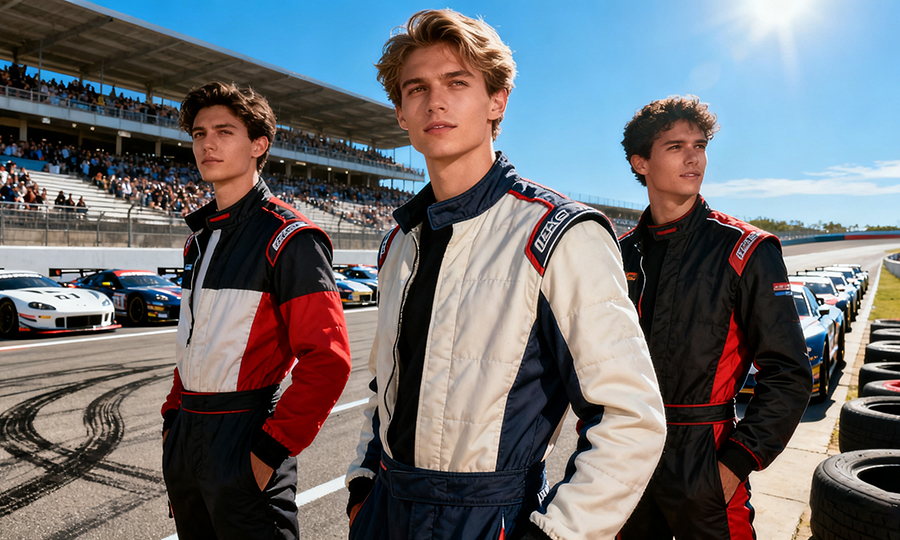
Motorsport-inspired fashion jackets may need more structured fabric, clean panel lines, reinforced trims, sleeve graphics, and a balance between authentic racing aesthetics and everyday wearability. Teamwear or club racing jackets usually require stable sizing, durable fabric, practical colors, consistent logo placement, and repeatable production for group orders.
Influencer and KOL racing jackets may focus on limited-edition appeal, strong back artwork, sponsor-style branding, eye-catching colors, premium labels, hangtags, and launch-ready packaging. Before sampling, brands should explain whether the jacket is for streetwear retail, motorsport lifestyle, team uniforms, fanwear, creator merch, or private label collections. This helps the manufacturer recommend the right fabric, fit, panel layout, logo technique, and production plan.