- MOQ 100+

- Samples 7–10 days

- OEM/ODM


align markets, vintage direction and budget

choose body shapes, panels and hood

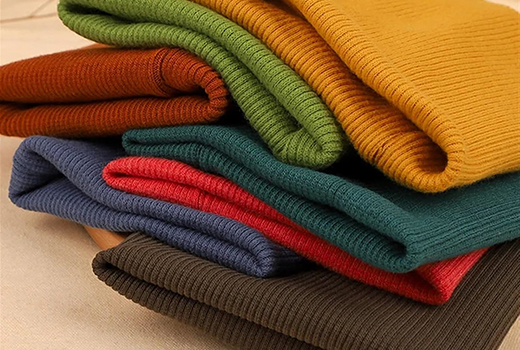
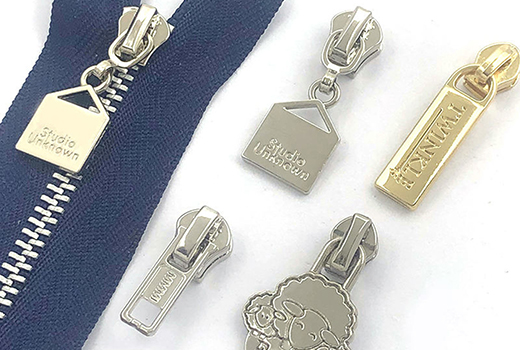
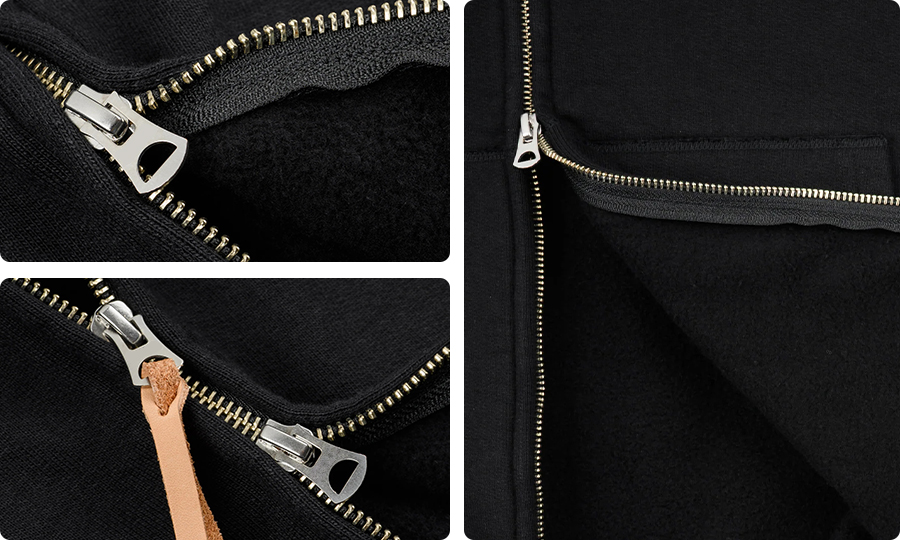
fix fleece weight, ribs and cords

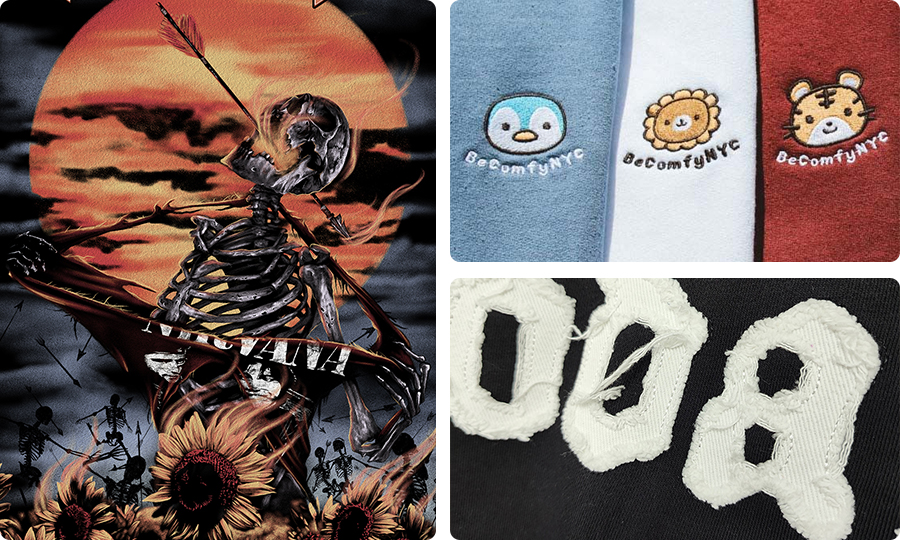
define prints, embroidery, patches and labels

test measurements, shrinkage, colours and distress

approve fits, graphics, washes and colours

cut, sew, wash and run checks

finalize packing, carton marks and logistics
Brands should check whether the vintage hoodie manufacturer has real experience with washed fleece, pigment dye, garment dye, enzyme wash, faded graphics, distressing, oversized fits, and private label hoodie production. Vintage hoodies are more complex than basic hoodies because the final look depends on fabric weight, shrinkage, wash recipe, rib recovery, logo technique, hand feel, and bulk color consistency.
Before starting development, brands should confirm the manufacturer’s fabric options, wash testing process, MOQ, sample process, logo techniques, quality control standards, and bulk production timeline. A reliable vintage hoodie manufacturer should help review your reference images, recommend suitable fleece, test the wash effect, control measurements after washing, and reduce bulk production risks.
This is especially important for growing brands testing a first streetwear drop, designers developing a specific vintage effect, established brands planning repeat orders, and influencers or KOL brands launching limited-edition merch.
For custom vintage hoodie manufacturing, brands should normally plan around 100 pieces per color and per style, with full size runs included in that quantity. The final MOQ can depend on fleece availability, fabric color, garment dye or pigment wash requirements, rib trims, logo technique, size range, and packaging details.
Cost is strongly affected by fabric weight, wash complexity, decoration coverage, and construction details. A simple washed pullover hoodie with one chest print will usually cost less than a heavyweight oversized hoodie with pigment dye, faded back graphics, distressing, embroidery, appliqué patches, custom drawcords, and private label packaging.
Growing brands should start with a focused design and clear quantity plan. Designers should confirm the vintage effect and artwork early. Established brands should share expected reorder plans. Influencers and KOL brands should prepare launch dates, target quantities, artwork files, and packaging direction before requesting a quote.
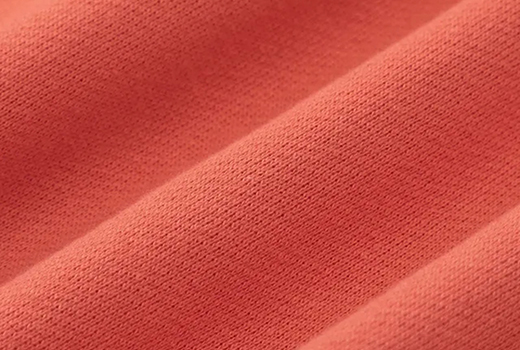
Brands should choose fabric weight, fit, and wash effect based on the target market, season, price level, and brand identity. Midweight fleece can work for year-round lifestyle hoodies, while heavyweight fleece is better for premium streetwear, winter drops, and structured oversized silhouettes. French terry or loopback fabric can create a lighter vintage feel, while brushed fleece gives a softer and warmer interior.
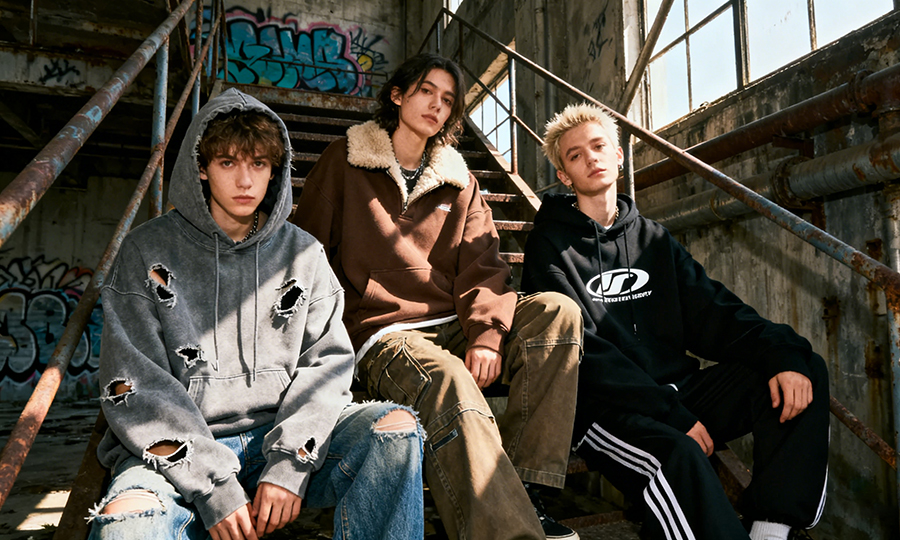
Fit also changes the final vintage look. Oversized hoodies usually need careful control of shoulder drop, sleeve volume, body length, hood shape, and rib recovery. Cropped hoodies require more precise length control after washing because shrinkage can change the proportion. Regular-fit vintage hoodies are easier for teamwear, merch, and broader retail programs.
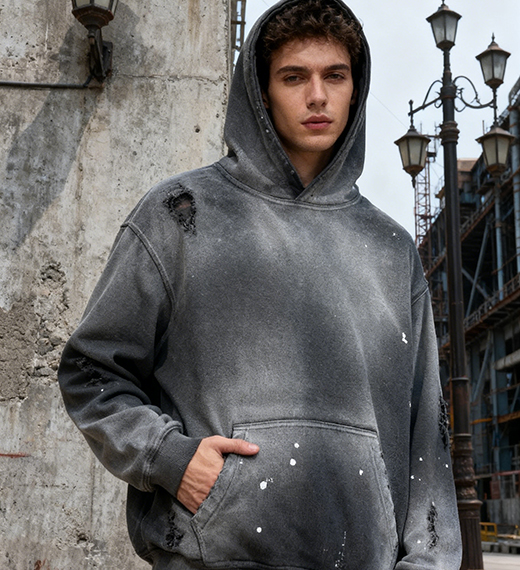
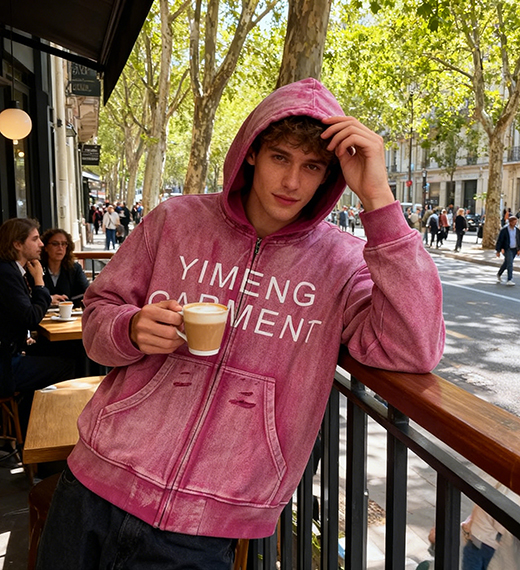
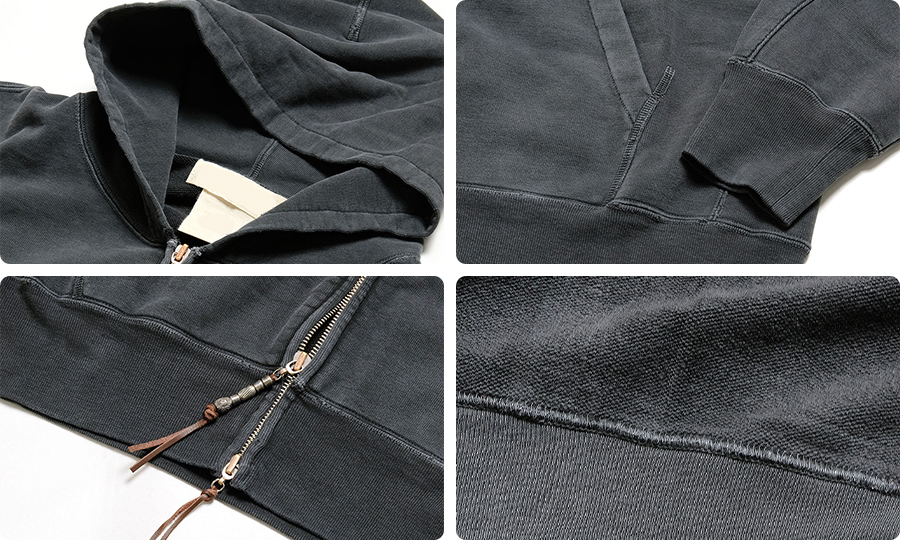
Wash effect should match the story of the collection. Pigment wash, garment dye, enzyme wash, acid wash, faded finish, cracked print, and distressing can all create different vintage directions. Brands should approve a physical sample before bulk production because fabric photos alone cannot show real hand feel, shade variation, shrinkage, or wash depth accurately.
Brands can control color variation in washed vintage hoodie production by defining an acceptable shade range before bulk manufacturing. Washed and garment-dyed hoodies often have natural variation because fabric composition, dye formula, washing time, temperature, and finishing process affect the final shade. Mature brands should approve a physical sample, confirm a shade band, record wash standards, and check measurements after washing. During bulk production, the manufacturer should inspect color consistency, handfeel, rib recovery, print effect, and shrinkage. Clear approval records help reduce disputes when the product uses intentional vintage or faded effects.
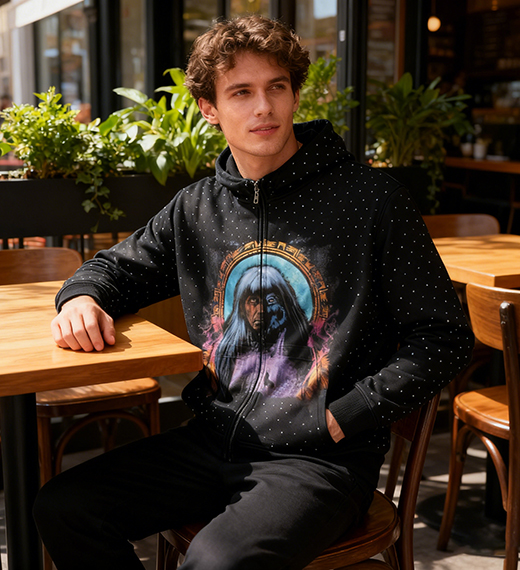
Embroidery is often better for logos, chest branding, sleeve details, patches, and premium streetwear finishing because it creates texture and durability. Printing is usually better for large graphics, multi-color artwork, oversized back prints, and softer surface effects. For private label hoodies, the best choice depends on fabric weight, logo size, artwork complexity, hand feel, budget, and wash requirement. Brands should test embroidery density, backing material, thread color, fabric tension, and placement before confirming bulk production.
Vintage hoodie development should change depending on the brand stage, target customer, launch model, and selling channel. Growing brands often need a low-risk first drop with one or two strong hoodie styles, controlled MOQ, clear pricing, and repeatable wash standards. The focus should be on testing demand without creating too much inventory risk.
Designers usually care more about fabric texture, silhouette, distress placement, wash depth, graphic aging, and accurate sample translation from sketches or reference images. Established brands need stronger control over fit consistency, fabric records, wash recipes, shade bands, reorder stability, carton labeling, and bulk quality control.
Influencers and KOL brands often need vintage hoodies for limited-edition merch drops, fan collections, event launches, or creator-led apparel lines. These programs usually focus on strong back graphics, premium labels, emotional storytelling, packaging, and fast launch planning. Before sampling, brands should explain whether the hoodie is for streetwear retail, designer collections, wholesale programs, creator merch, or long-term private label production.