- Samples 7–10 days

- Standard MOQ 100

- AQL 2.5/4.0

- US/CA/UK/AU

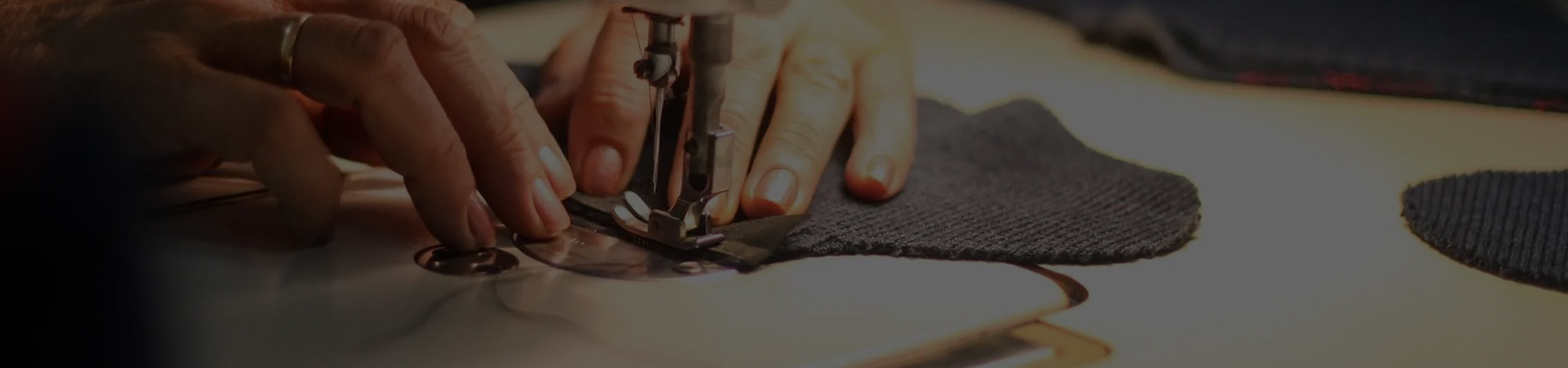
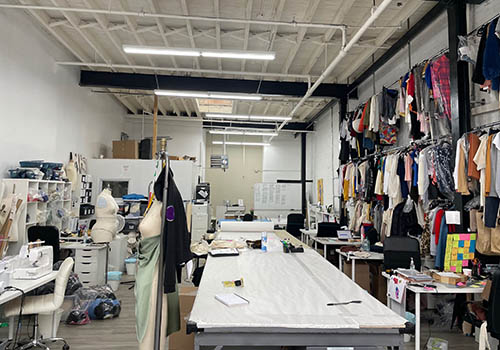
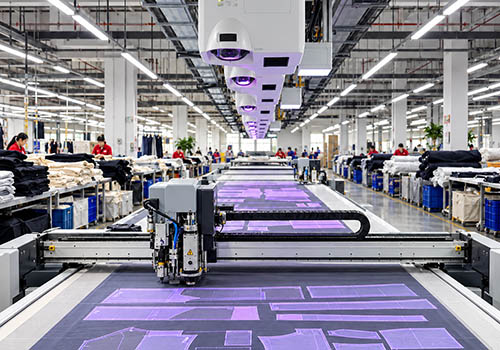
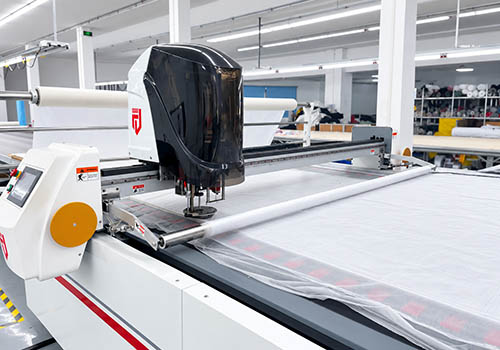
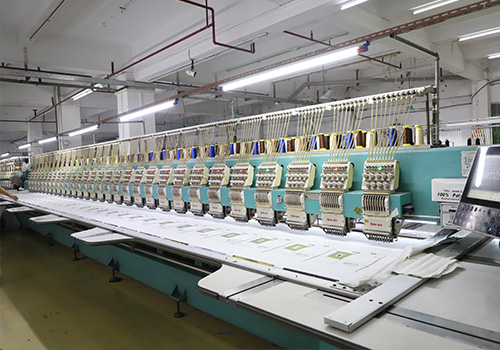
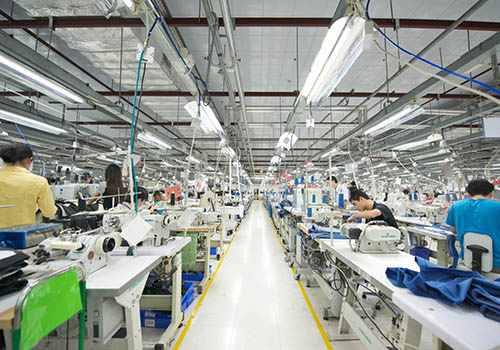
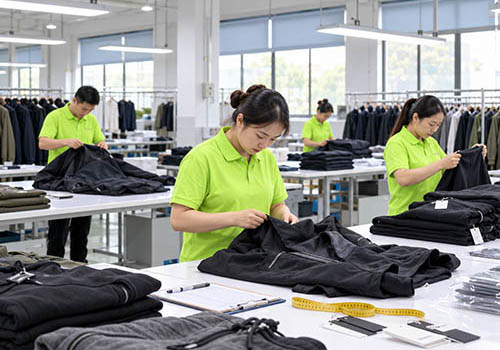
Clear specifications, timely approvals, and consistent communication help keep every project on track.


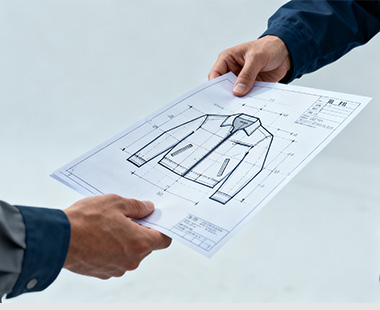
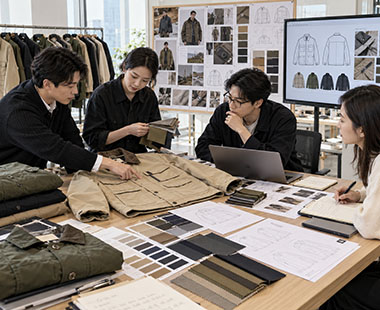
We review your tech packs, reference samples, measurements, and construction details to prepare your designs for sampling.
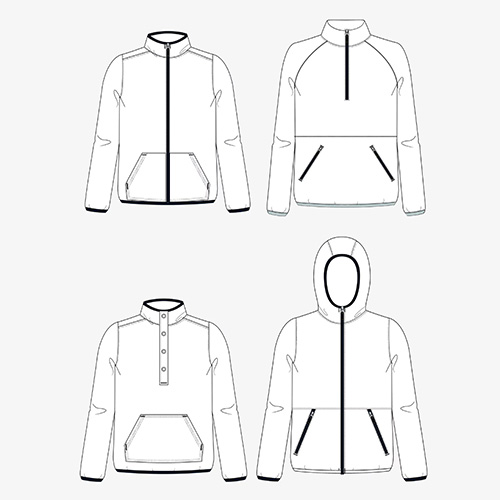
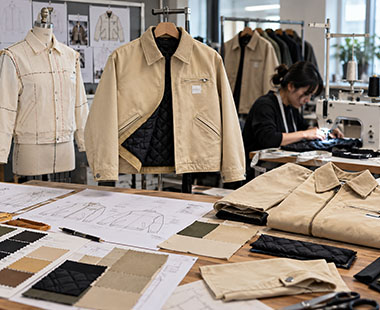
Choose from suitable fabrics, linings, zippers, ribbing, buttons, and other trims to meet your product requirements.

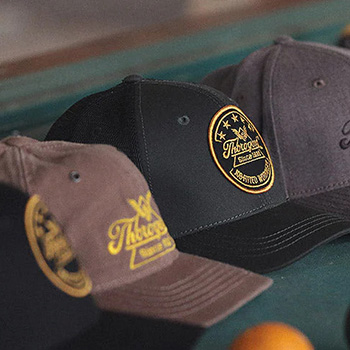
Customize your apparel with embroidery, printing, woven labels, patches, and branded details that reflect your collection.
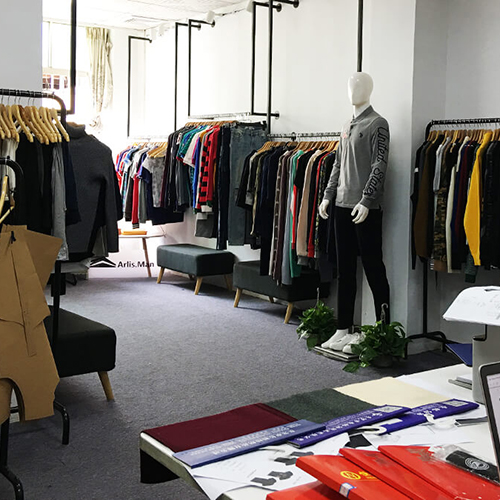
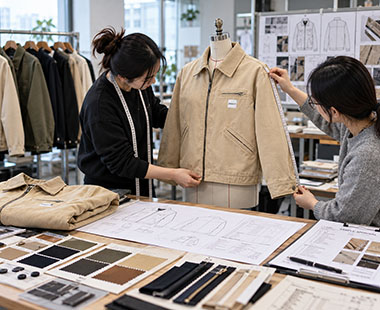
We create garment samples based on your tech packs or reference designs, with adjustments to fit, measurements, and construction as needed.
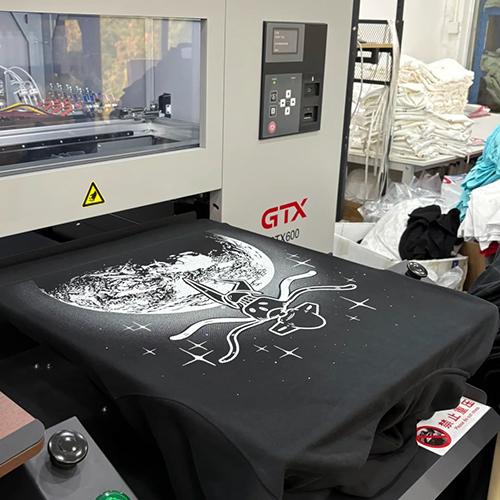
We prepare print and decoration samples to review artwork placement, colors, appearance, and application on selected fabrics.
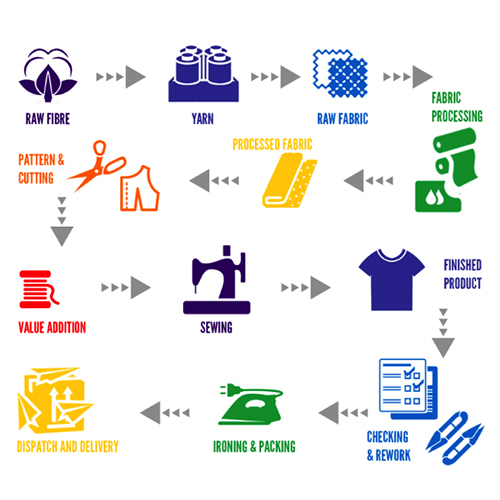
Final samples are reviewed for fit, measurements, construction, trims, and branding details before bulk manufacturing begins.
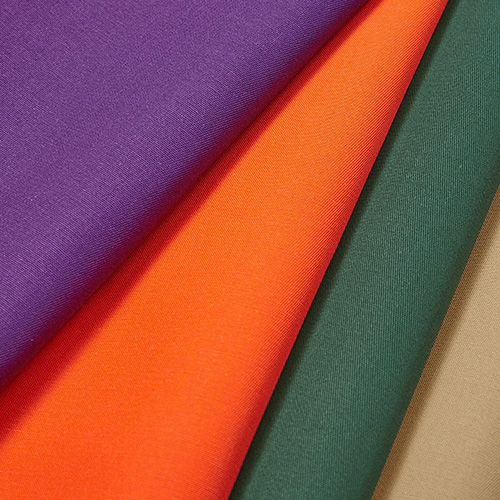
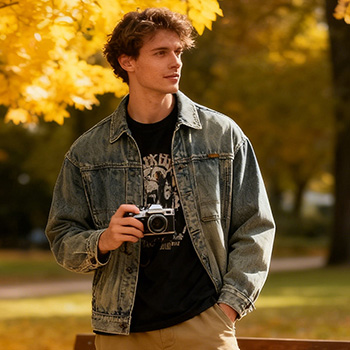
Cotton twill, denim, canvas, nylon, polyester, fleece, and other fabrics for different styles and applications.

Taffeta, mesh, quilted linings, down, and synthetic insulation for comfort, warmth, and functionality.
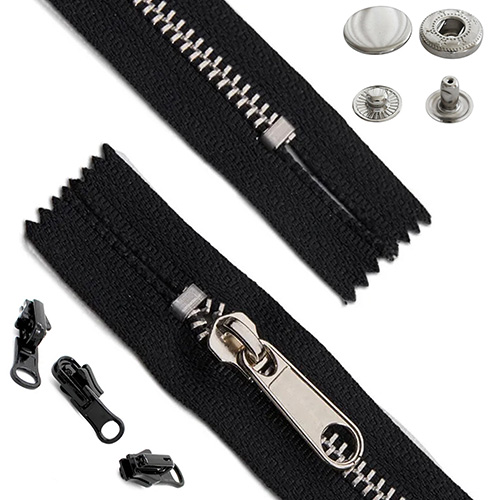
Custom zippers, snap buttons, ribbed cuffs, elastics, woven labels, and other finishing details.
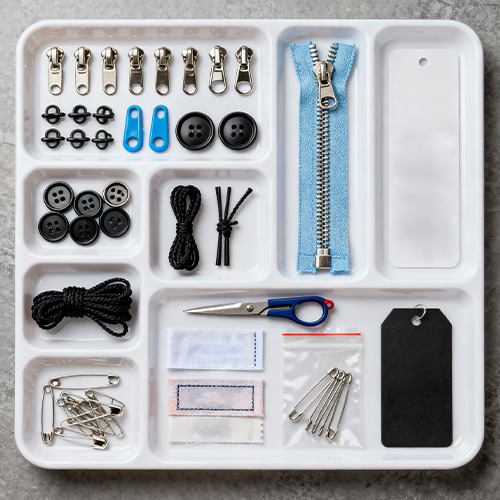
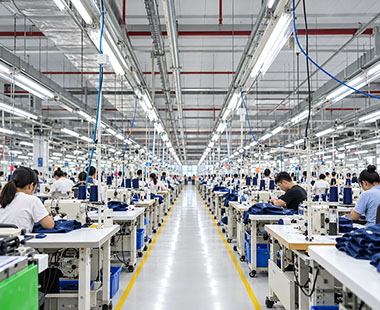
We coordinate materials, production schedules, and order requirements based on approved samples and specifications to keep manufacturing organized and on track.
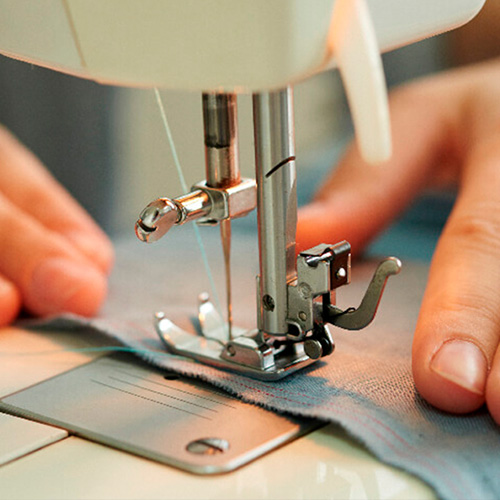
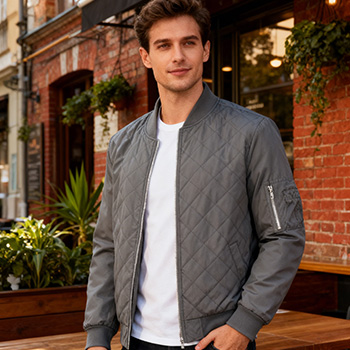
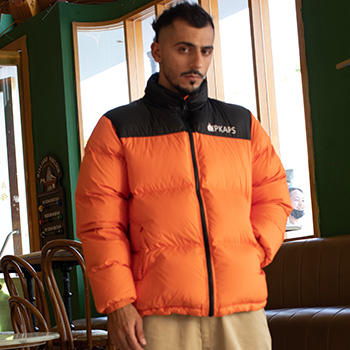
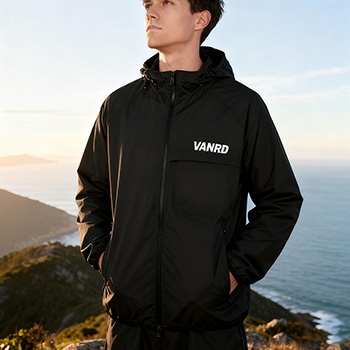
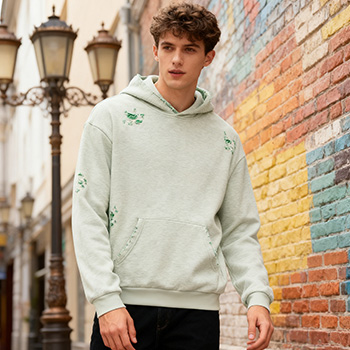
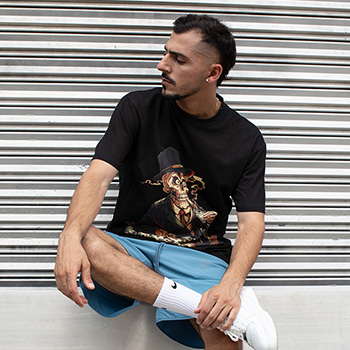
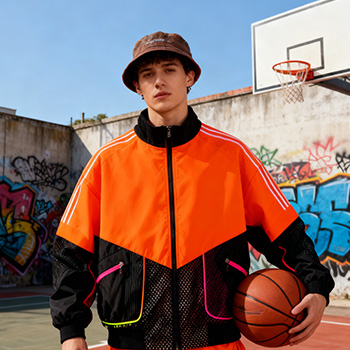
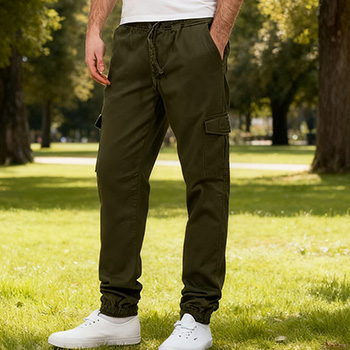
Our production capabilities cover jackets, hoodies, pants, and other streetwear apparel, with attention to stitching, seam construction, and finishing details.

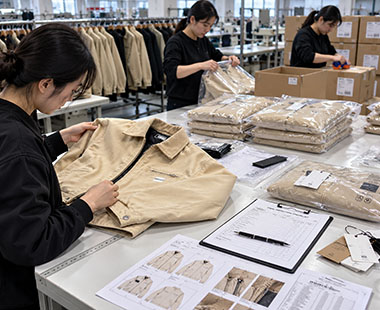
We check garment measurements, workmanship, and construction against approved specifications during production and before shipment.
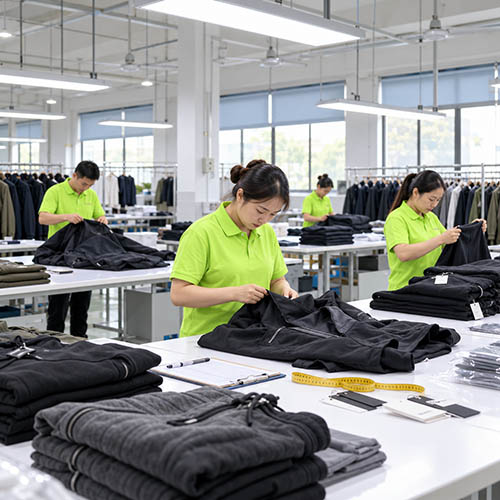
Finished garments are checked against approved specifications, including measurements, stitching, workmanship, and finishing details before shipment.
We prepare garments for shipment according to agreed packing requirements, including folding, labeling, carton packing, and shipping documentation.
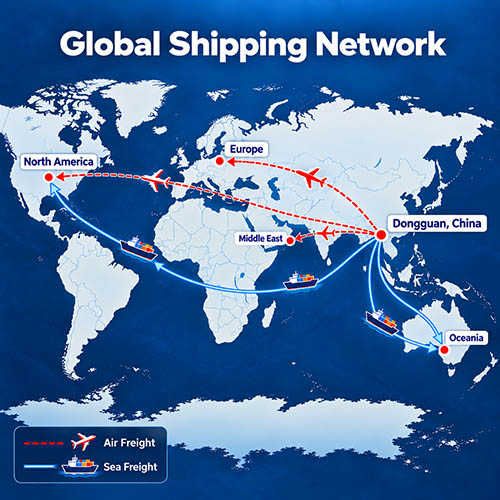
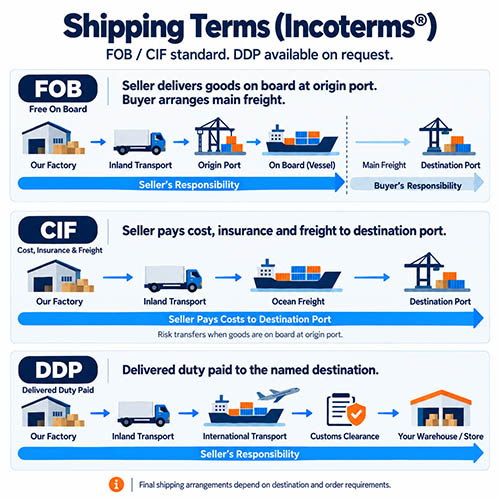
We coordinate air and sea freight based on your destination, order volume, and delivery requirements. FOB and CIF terms are available, with DDP options reviewed upon request.
VANRD manufactures custom jackets, hoodies, and streetwear based on your designs, tech packs, or reference samples. We support pattern refinement, sampling, material sourcing, and bulk production to ensure your approved specifications are consistently followed.


Size charts, grading specifications, and measurement tolerances.
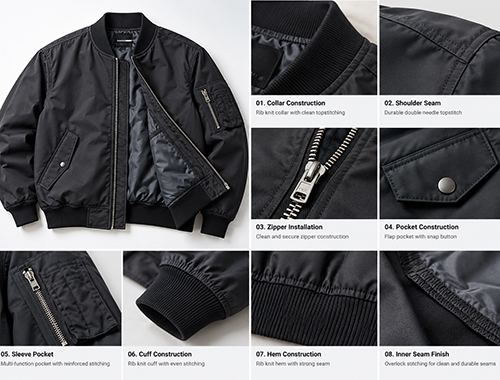

Seam types, stitching methods, and garment construction instructions.
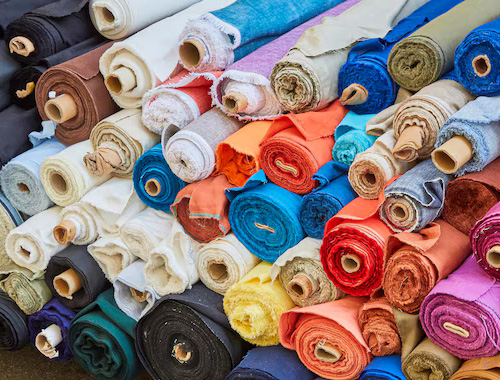

Fabric composition, weight (GSM), colors, and material requirements.
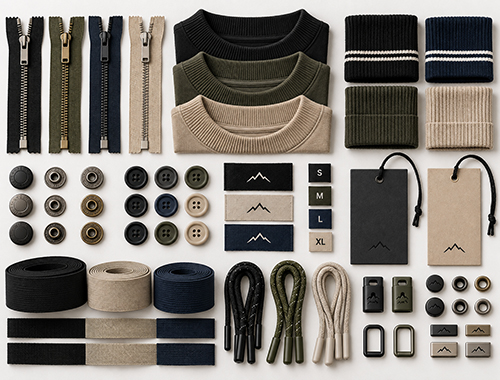

Zippers, buttons, ribbing, woven labels, and other trim specifications.
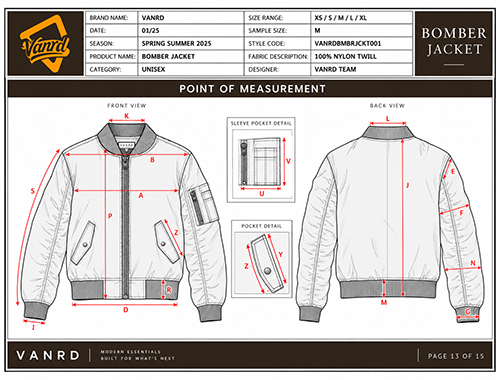

Print and embroidery artwork, dimensions, colors, and positioning.
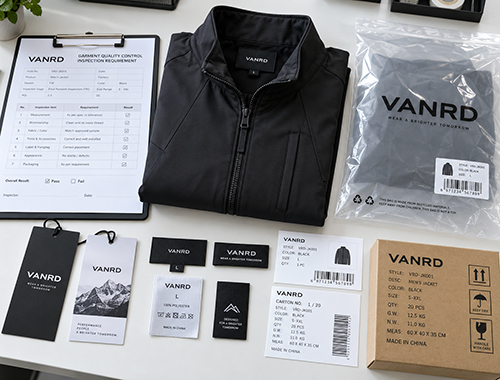

Inspection requirements, finishing details, and packing instructions.
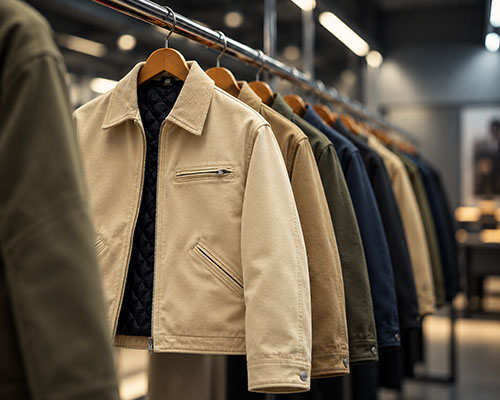
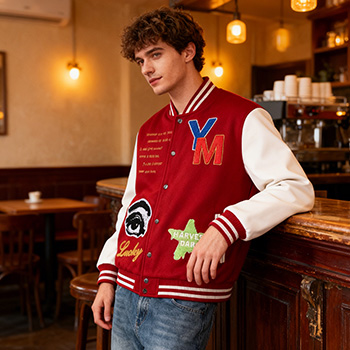
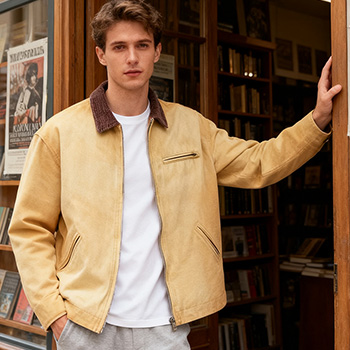
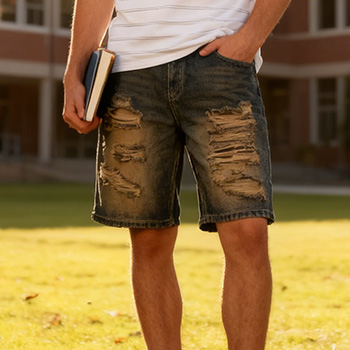
From varsity jackets and workwear to hoodies and everyday essentials, we understand the materials, construction, and details behind custom apparel collections.

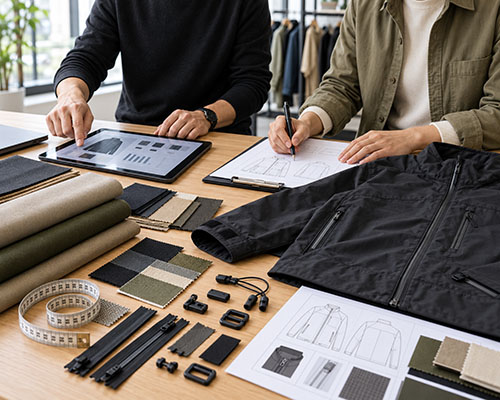
We help brands refine their designs through fabric sourcing, fit adjustments, custom trims, and branding options to meet their product requirements.

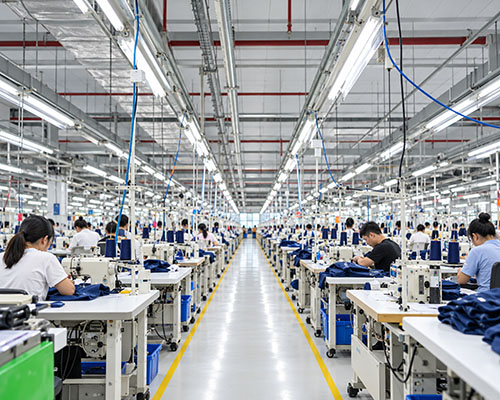
With established production capabilities and quality control processes, we support consistent manufacturing and long-term cooperation with apparel brands.

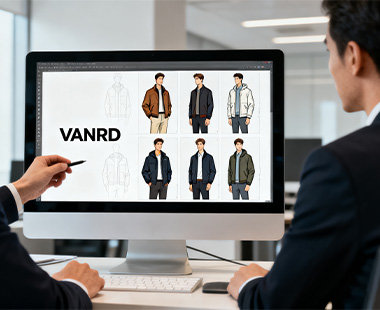
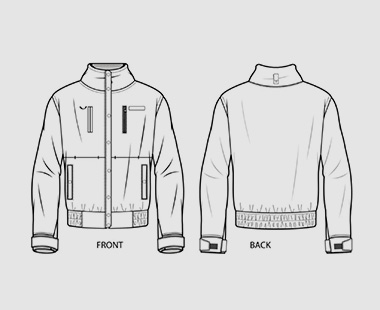
 OEM Manufacturing
To Your Specifications
Manufacturing based on your designs and approved technical requirements.
 ODM Development
Concept to Production
Development support for your product concepts and reference designs.
The typical lead time for custom apparel manufacturing from China ranges from 7 to 10 days for sampling and 25 to 35 days for bulk production from sample approval. Shipping costs depend on weight, volume, destination, and method. Sea freight to the US and Europe averages $3–$8 per kg, while air freight ranges from $8–$20 per kg.
| Stage | Duration | Notes |
|---|---|---|
| Fabric sourcing | 5–15 days | Stock fabric faster; custom mills longer |
| Sample development | 7–10 days | Pattern, fit sample, and approval |
| Bulk production | 25–35 days | Cutting, sewing, QC, and packing |
| Sea freight (US) | 20–30 days | Port-to-port plus customs |
| Sea freight (Europe) | 25–35 days | Varies by port of entry |
| Air freight (US/EU) | 5–10 days | Door-to-door with customs |
VANRD provides production timeline estimates and shipping guidance for each order. Contact the team for a detailed schedule.
Different brand types should choose their production model based on design control, budget, timeline, and product complexity. OEM is suitable when the brand has its own design, tech pack, or clear product specifications. ODM is useful when the brand needs development support, style recommendations, fabric guidance, or help turning an idea into a finished garment. Private label production is suitable when the brand wants to use existing or semi-developed styles and add its own labels, hangtags, and packaging.
Growing brands may start with ODM or private label to reduce development pressure. Designers often prefer OEM or custom ODM to protect design details. Established brands usually need OEM/ODM support with stronger quality control and repeat order consistency. Influencers and KOL brands may begin with private label or ODM merch drops and later upgrade into a full custom apparel line.
Yes, influencers and KOL brands can use OEM/ODM manufacturing to launch limited-edition apparel drops, seasonal merch, or a more complete creator-led clothing line. Popular products often include hoodies, T-shirts, tracksuits, jackets, sweatpants, caps, and custom packaging.
Compared with basic print-on-demand merch, OEM/ODM production gives creators more control over fabric, fit, garment weight, decoration method, labels, hangtags, and packaging. This helps make the product feel more like a real apparel brand instead of a simple logo item. For best results, influencers should prepare their audience profile, product idea, artwork, target quantity, launch date, and packaging direction before development starts.
OEM/ODM manufacturers can help brands develop trend-driven apparel collections by turning market ideas into practical products. This may include style recommendations, fabric suggestions, fit direction, construction advice, printing and embroidery options, color planning, trims, labels, packaging, and production feasibility review.
For growing brands, this support helps reduce uncertainty before launching new styles. For designers, it helps convert creative ideas into manufacturable garments. For established brands, it supports seasonal planning and repeat production. For influencers and KOL brands, it helps build merch products that feel more premium and brand-ready instead of basic logo items.
Yes, OEM/ODM manufacturing can support more responsible apparel production through sustainable fabric options, certified material sourcing, lower-risk development planning, quality control, and better production consistency. Brands can request options such as organic cotton, recycled polyester, bamboo, modal, or OEKO-TEX related fabric choices depending on the product category and target market.
Sustainability should not only be a marketing claim. It should be considered during fabric selection, dyeing and printing methods, order planning, packaging, quality control, and repeat production. A practical manufacturer should help the brand choose materials that balance comfort, performance, cost, durability, and market positioning.
Established apparel brands should check whether the manufacturer has experience with similar product categories, stable production capacity, clear communication, sample development ability, quality control procedures, fabric sourcing support, customization options, and repeat order management.
Important questions include: What products do you specialize in? What is your MOQ? How long does sampling take? How do you manage bulk production timelines? What QC process do you follow? Can you support labels, hangtags, packaging, and custom trims? Can you keep fit and fabric consistent across repeat orders? These questions help brands identify whether the manufacturer is suitable for long-term cooperation.