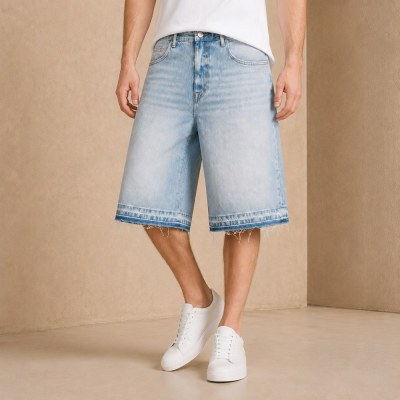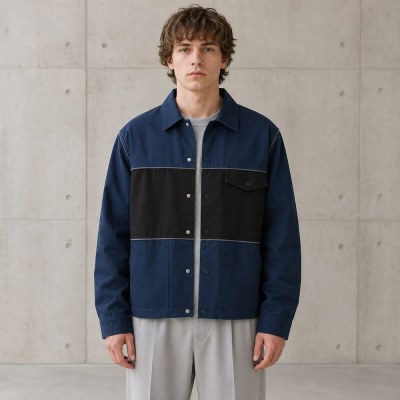
What Makes a Hoodie Look Vintage in Modern Apparel Manufacturing
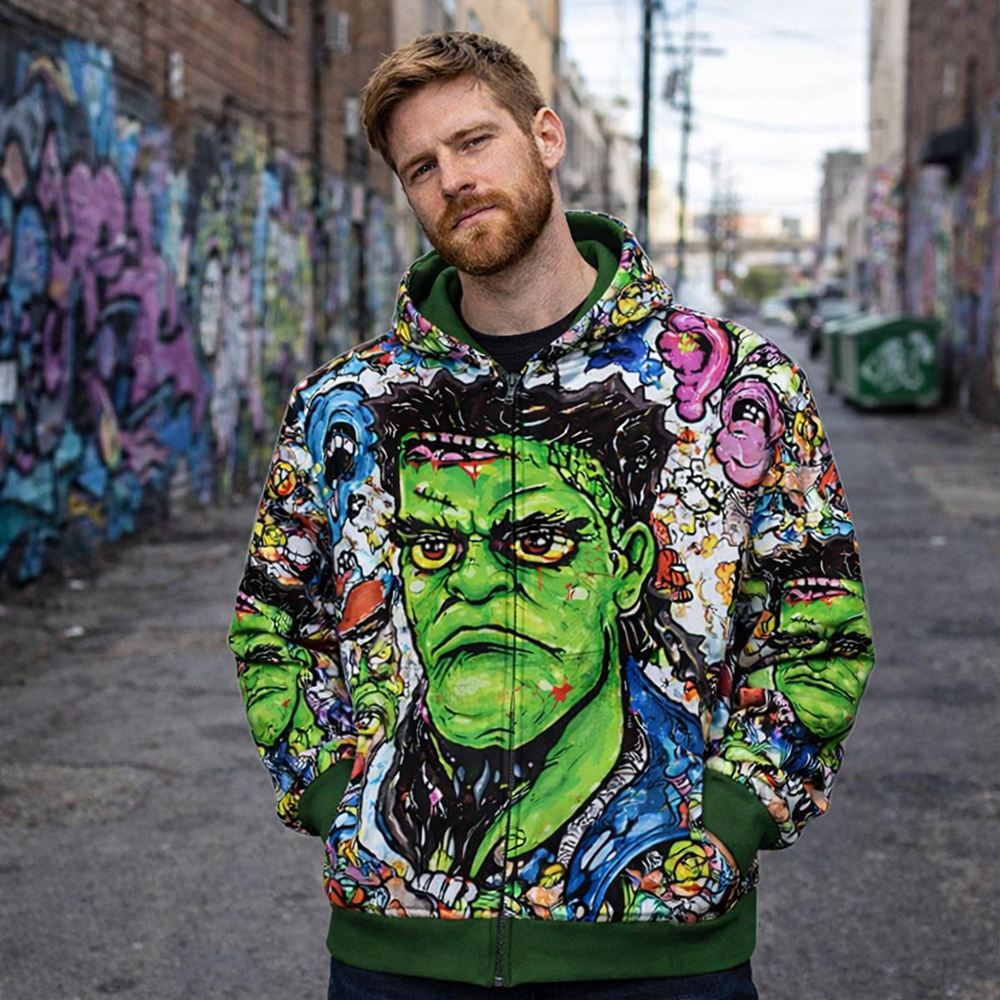
A hoodie usually looks vintage when fabric, color, wash, graphic treatment, fit, and finishing work together to create a worn-in but controlled result. In manufacturing terms, "vintage" is usually an effect system, not a single fabric or process name. Brands that define the look clearly before sampling often get better alignment on development, approvals, and bulk consistency.
Quick Answers
What makes a hoodie look vintage?
A vintage hoodie usually looks aged, softened, faded, or broken-in because of the combined effect of fabric choice, dyeing, wash treatment, graphics, fit, and finishing.
Is a washed hoodie the same as a vintage hoodie?
Not exactly. A washed hoodie can look cleaner or more basic, while a vintage hoodie usually aims for a more intentional aged character in color, handfeel, graphics, and silhouette.
Can any hoodie be made to look vintage?
In many cases, yes, but the final result depends on the base fabric, dye method, construction, and how much wash or print effect the garment can handle.
Does garment dye automatically create a vintage look?
Not always. Garment dye can help, but a vintage effect often also needs the right wash direction, print treatment, and fit balance.
What should brands prepare before developing a vintage hoodie?
A brand should usually prepare reference images, target fit direction, fabric preference, wash comments, graphic style, artwork files, and approval priorities before sampling starts.
Does a vintage look affect lead time and approval work?
Often, yes. Wash trials, print testing, color comparison, and fit correction can add more development decisions than a cleaner standard hoodie program.
What a Vintage Hoodie Really Means in Manufacturing
A vintage hoodie does not usually mean "old." In modern apparel manufacturing, it usually means a hoodie that has been developed to look more worn-in, softened, faded, washed down, or visually broken-in than a standard new garment.
From a manufacturer perspective, the vintage effect often comes from six combined factors:
1.Fabric base
2.Dyeing or color application
3.Wash process
4.Graphic treatment
5.Fit and pattern shape
6.Final finishing and quality control
7.That is why a vintage hoodie is not just a color story. It is a product-development decision.
For brands working on custom programs, this is also why early alignment on OEM/ODM services and the relevant fabrics and techniques matters before sample comments start to pile up.
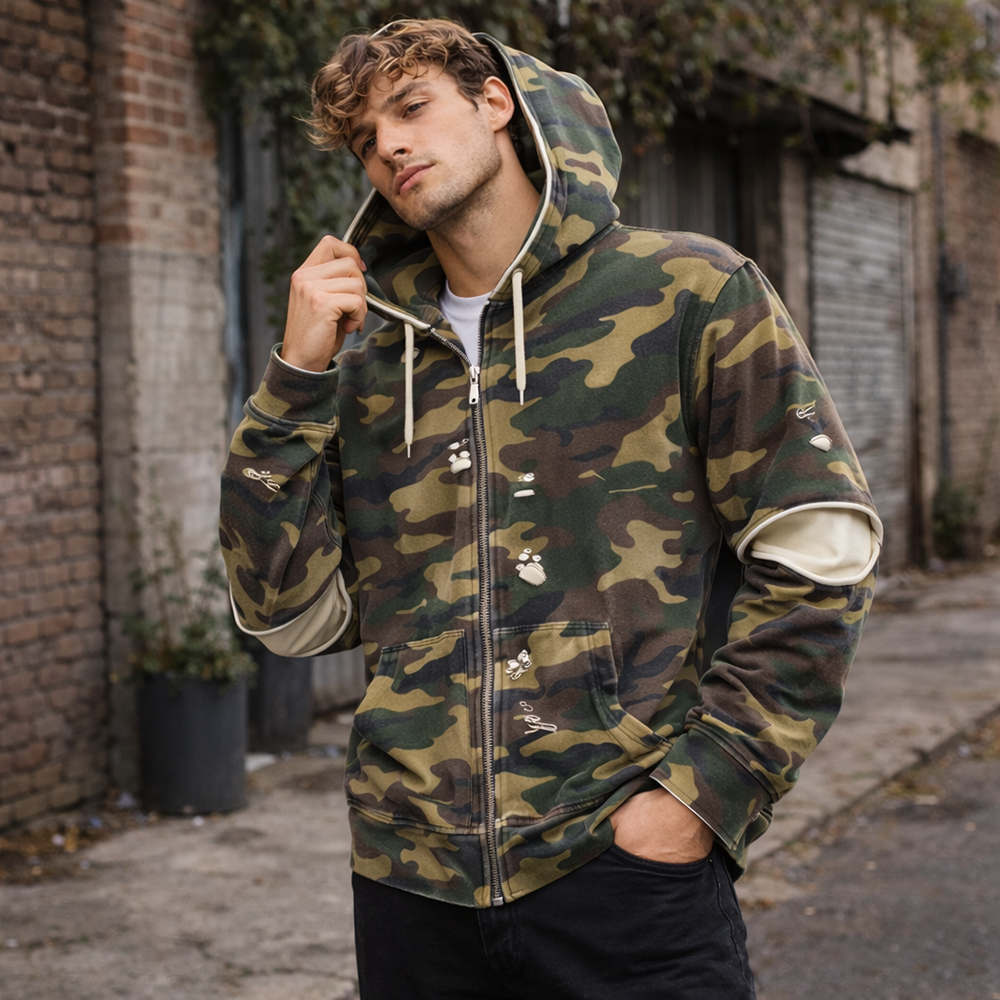
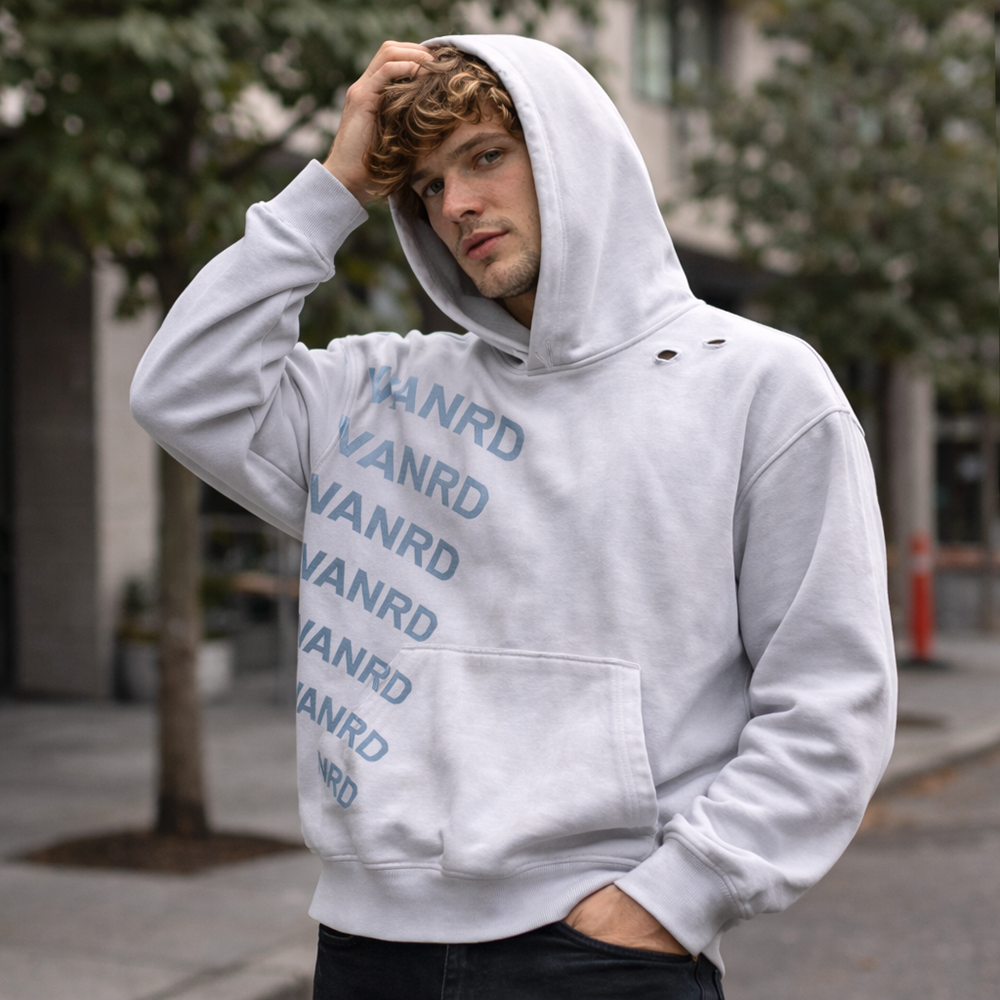
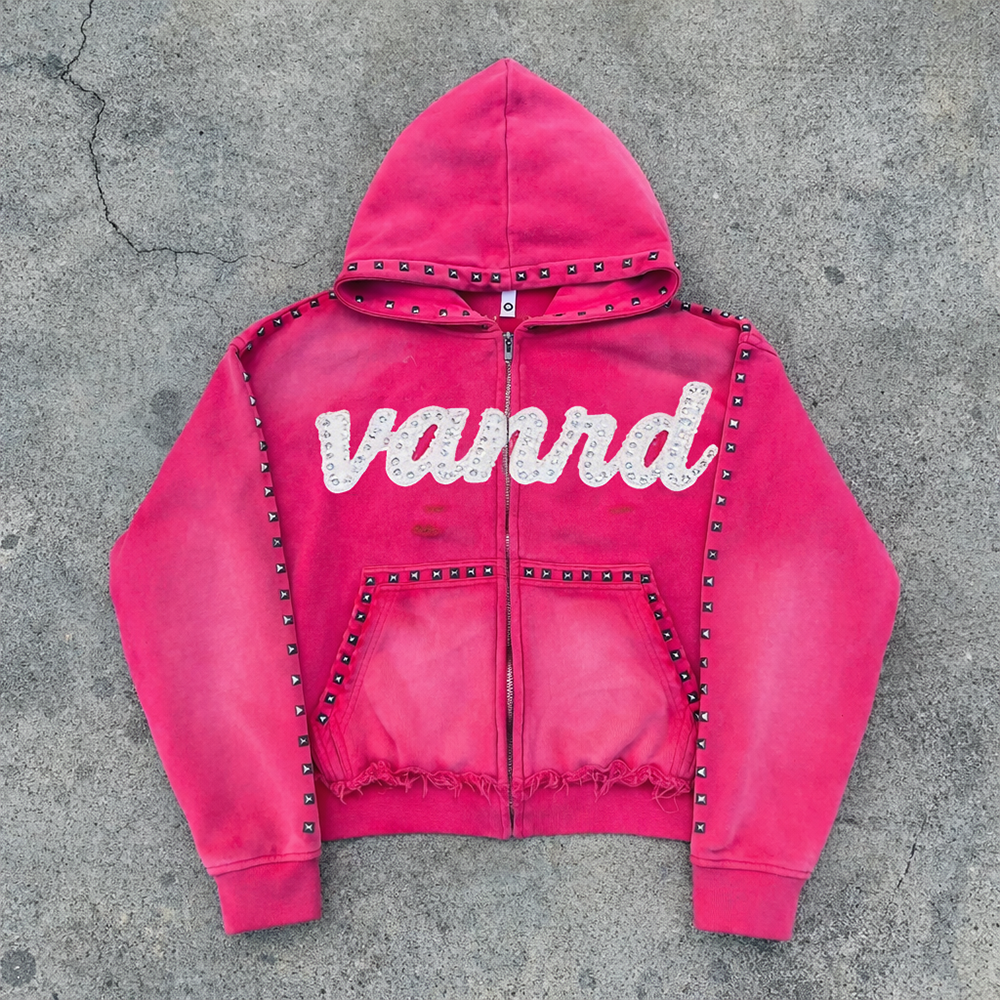
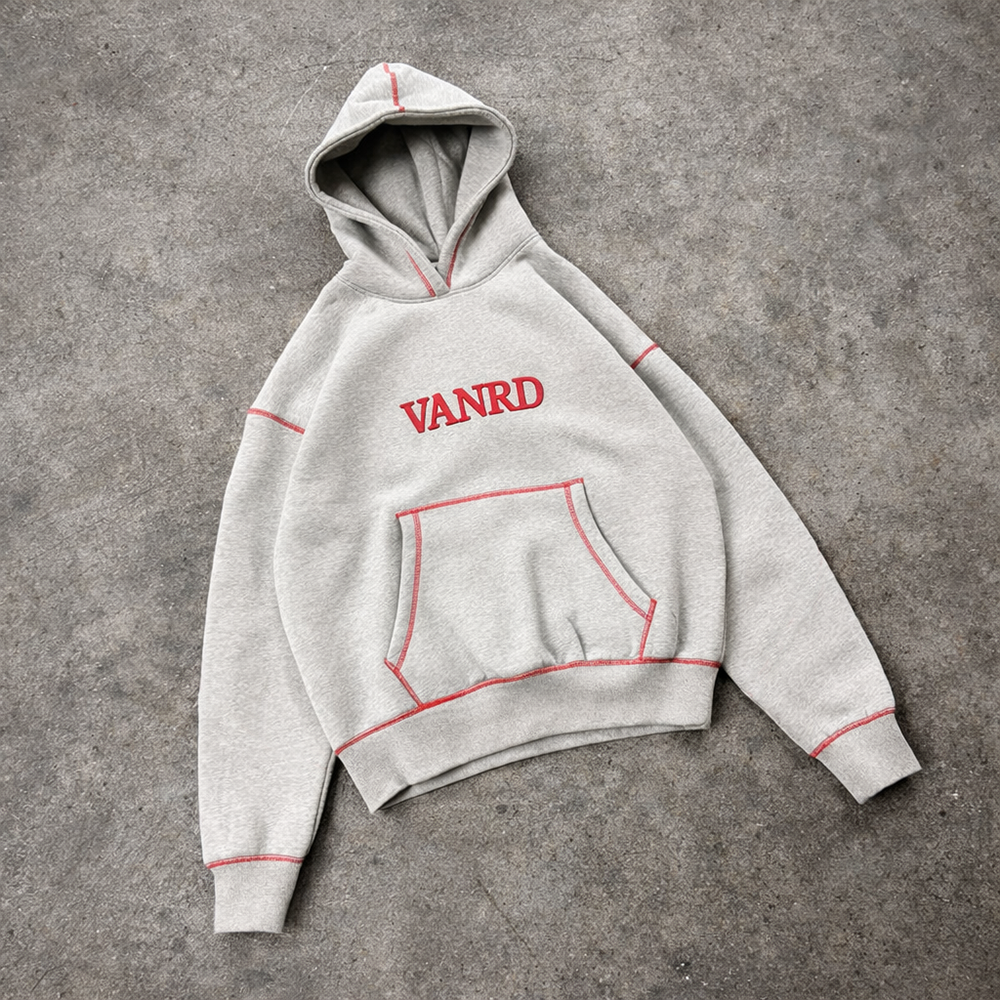
Vintage Hoodie vs Standard Hoodie
Design Instruction| Element | Standard Hoodie | Vintage-Looking Hoodie |
| Color appearance | Cleaner and more even | More faded, broken-in, or washed down |
Handfeel | Fresher and more uniform | Softer, more worn-in, sometimes drier or heavier depending on treatment |
Graphic effect | Crisp and new-looking | Cracked, faded, distressed, or aged-looking when relevant |
Fit direction | Often regular and stable | Often relaxed, boxy, dropped, or intentionally less sharp |
Surface character | Cleaner and flatter | More texture, shade variation, or subtle irregularity |
Approval focus | Basic color and fit | Color tone, wash depth, print aging, fit, and consistency together |
The key point is simple: a vintage hoodie is usually approved as a visual system, not as one isolated treatment. | ||
The Main Elements That Make a Hoodie Look Vintage
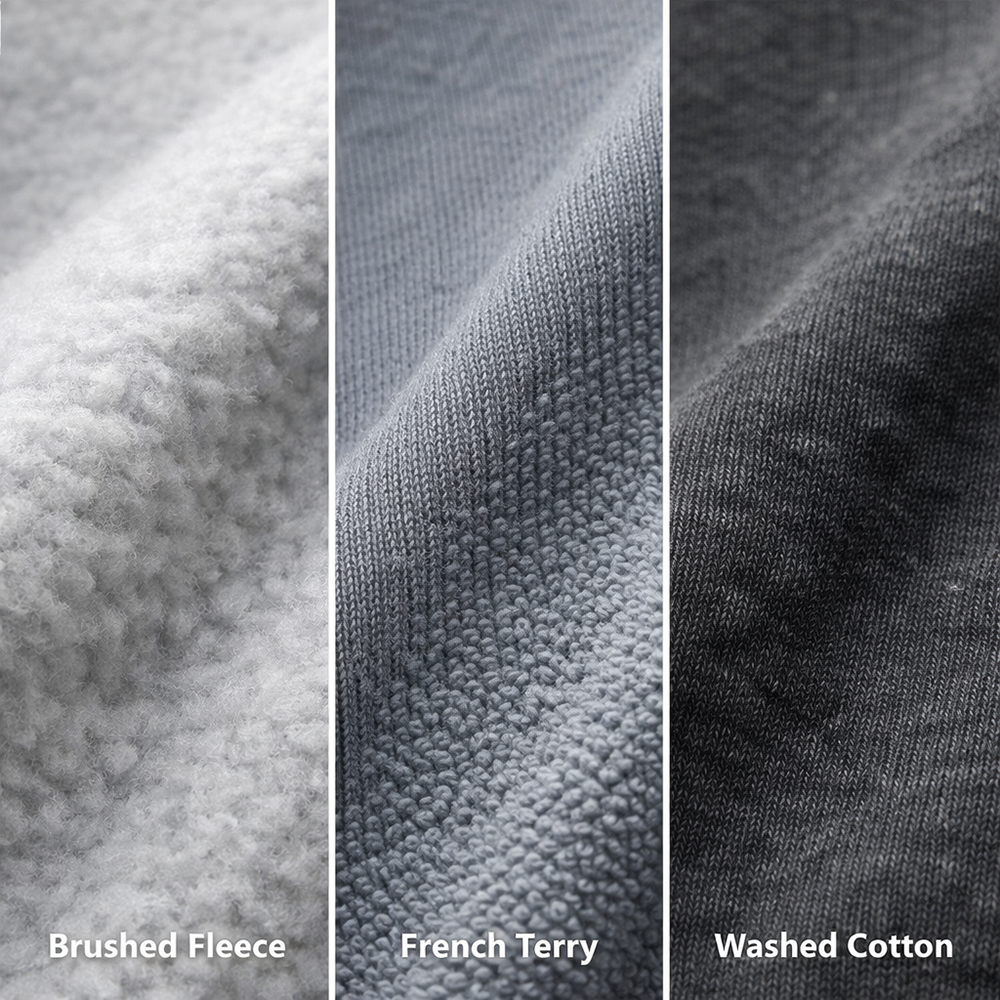
Fabric Base
Fabric is the foundation. A vintage effect usually looks more convincing when the base fabric can support depth, softness, and surface character.
In many cases, brands consider:
1.heavier fleece with a fuller handfeel
2.French terry for a lighter vintage direction
3.cotton-rich bases that respond well to dyeing and wash treatment
4.yarn and knit structures that do not look too flat after finishing
A fabric that is too smooth, too synthetic-looking, or too clean in surface appearance can make the final garment look new even after washing.
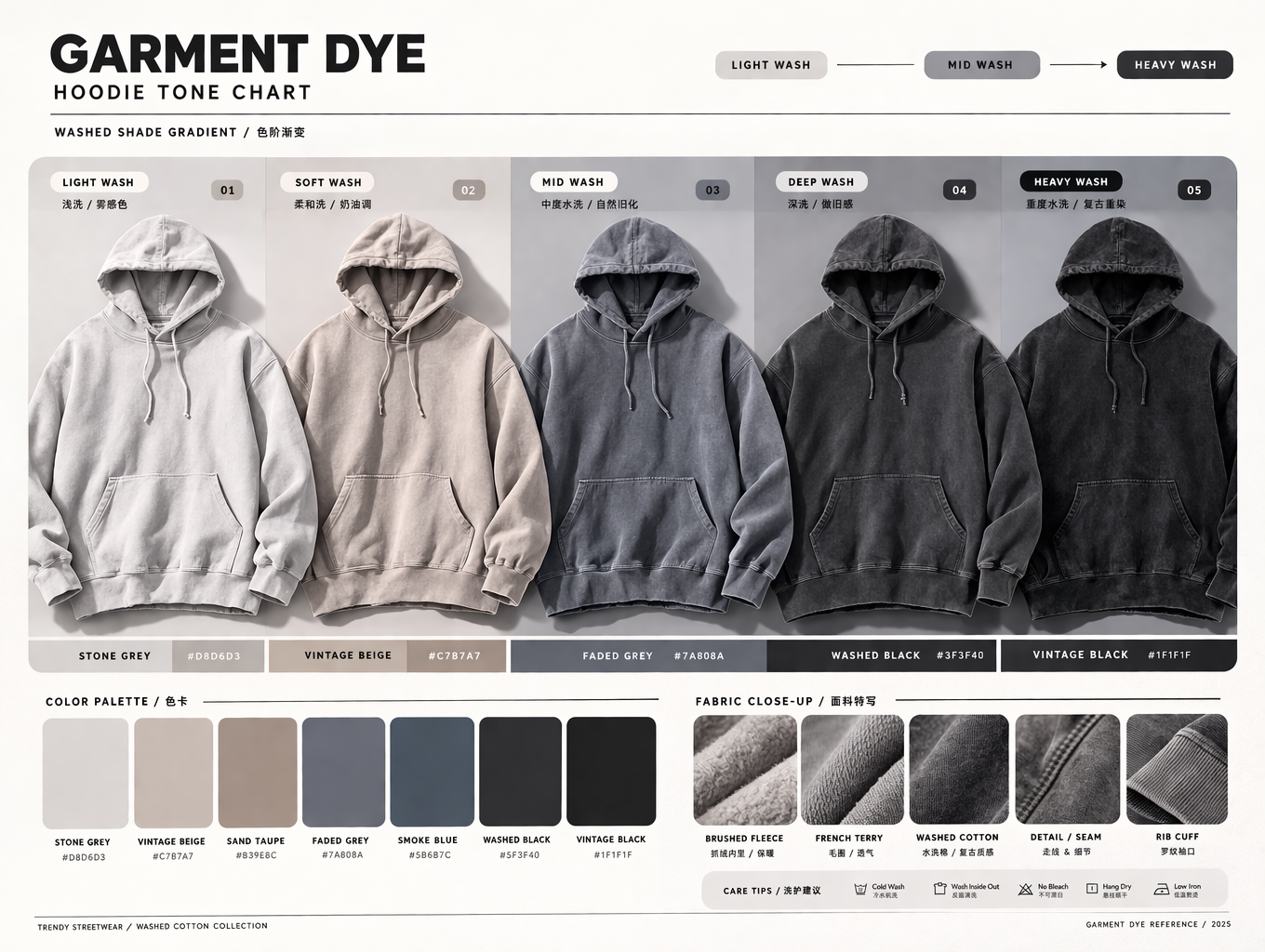
Dyeing and Color Tone
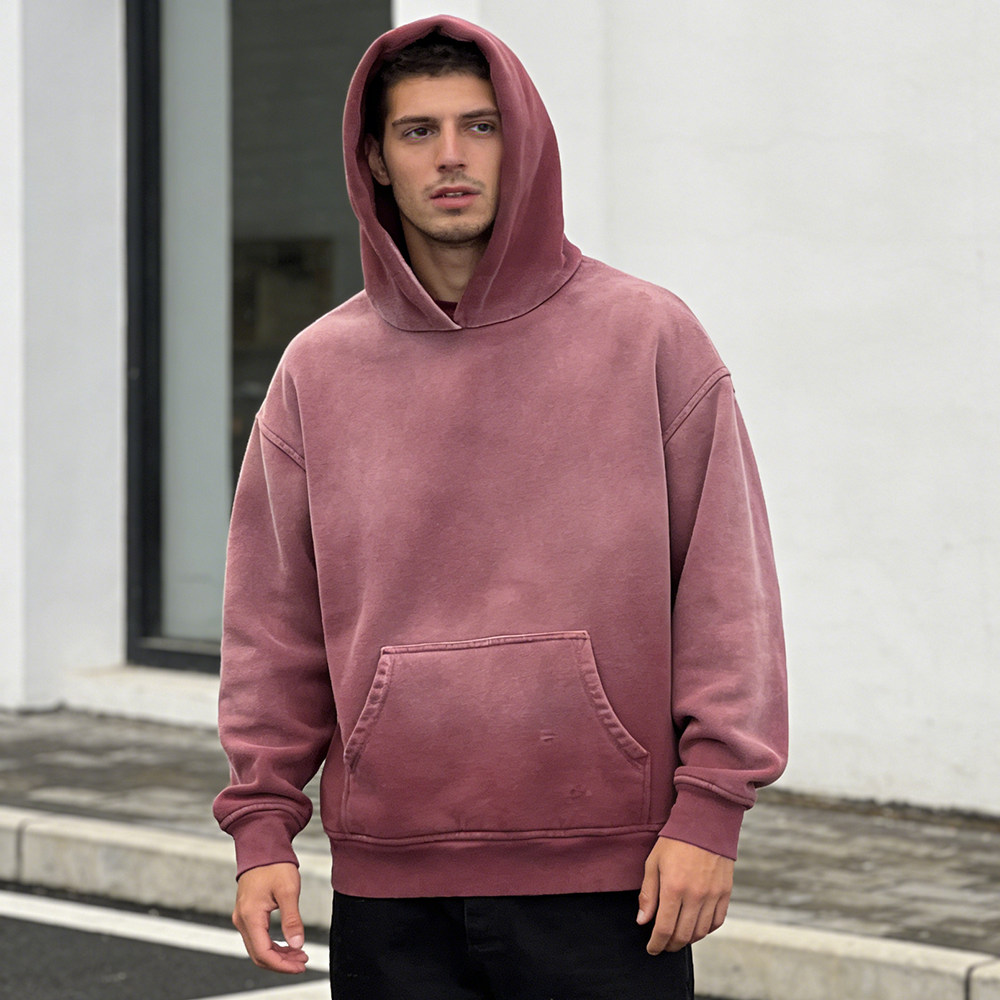
Color is one of the first things buyers read as "vintage." A hoodie can look more vintage when the color feels muted, washed down, sun-faded, dusty, or uneven in a controlled way.
Common development directions may include:
1.garment dye
2.pigment dye
3.reactive dye with later wash treatment
4.overdye or tone adjustment depending on the concept
However, a vintage look is not just about making the garment darker or lighter. It is about making the color feel lived-in rather than freshly applied.
Wash Treatment
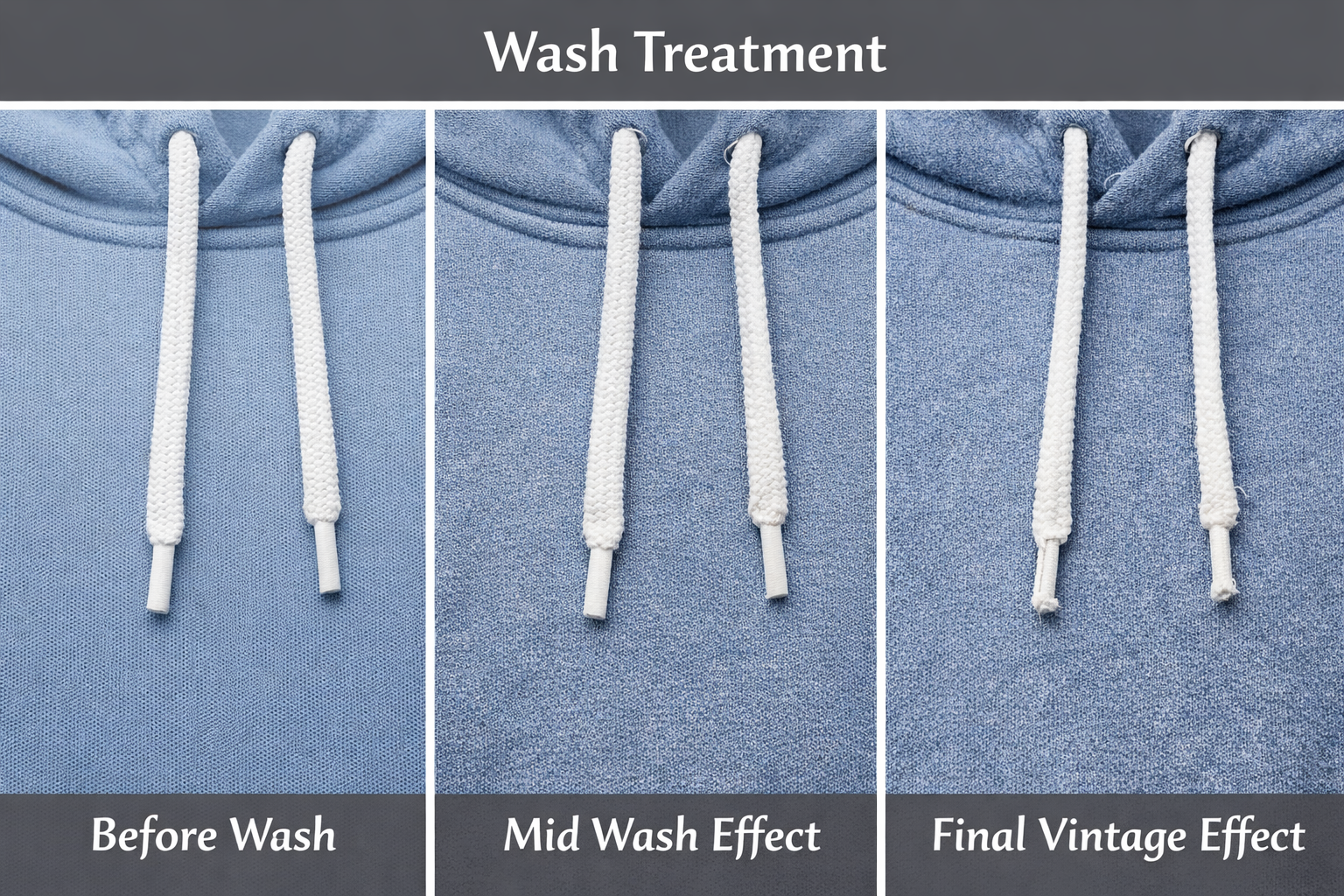
Wash is often the most visible driver of vintage character. This is where many brands first focus, but wash only works well when the fabric and dye path are compatible.
Depending on the target look, a wash direction may aim for:
1.softness
2.fade
3.slight abrasion
4.broken surface tone
5.aged handfeel
6.a less polished finish
This is also where brands should expect trade-offs. Stronger wash direction can change shade, affect print appearance, or shift garment measurements. That is why wash comments need to be linked to fit and QC, not handled alone.
Graphic Treatment
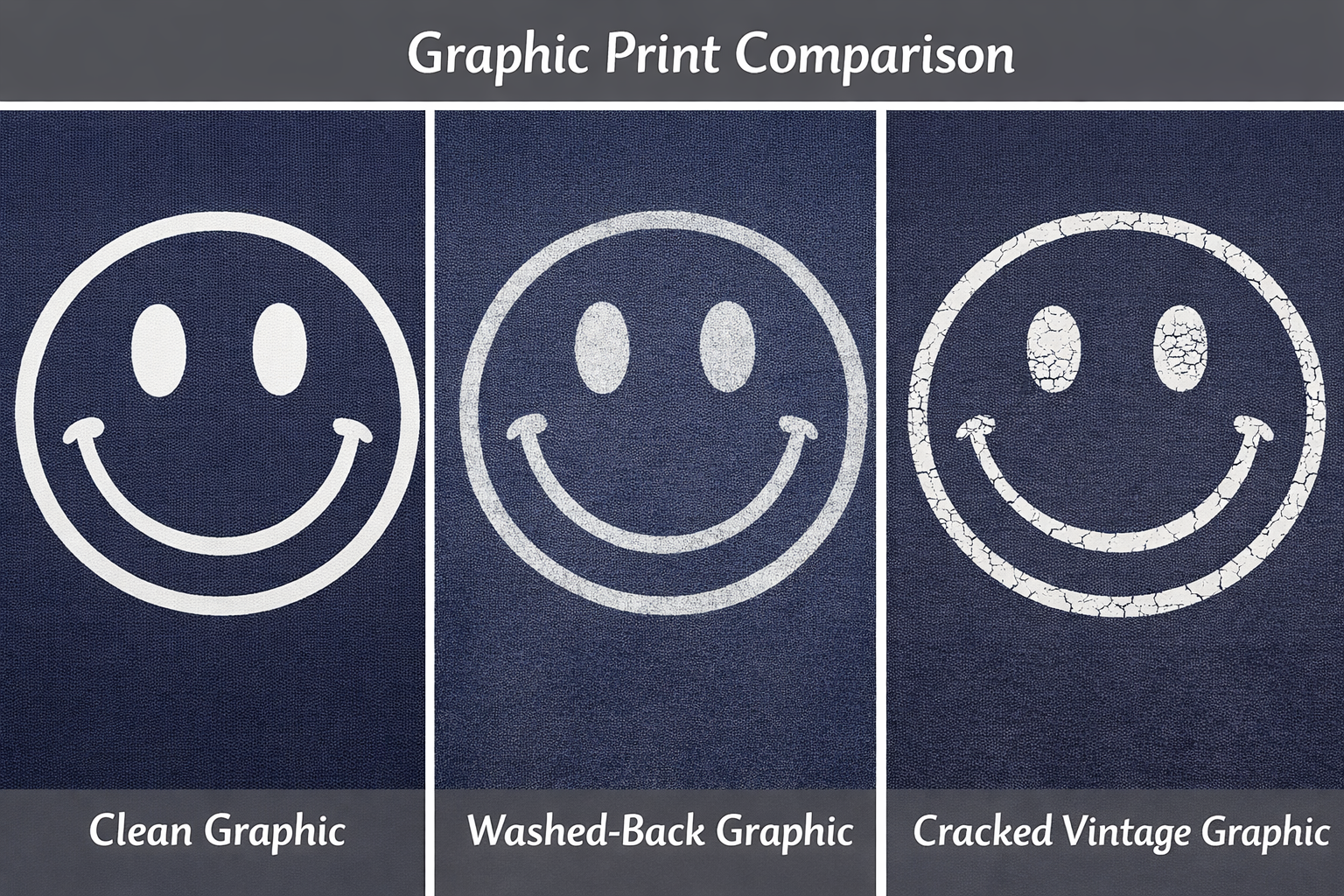
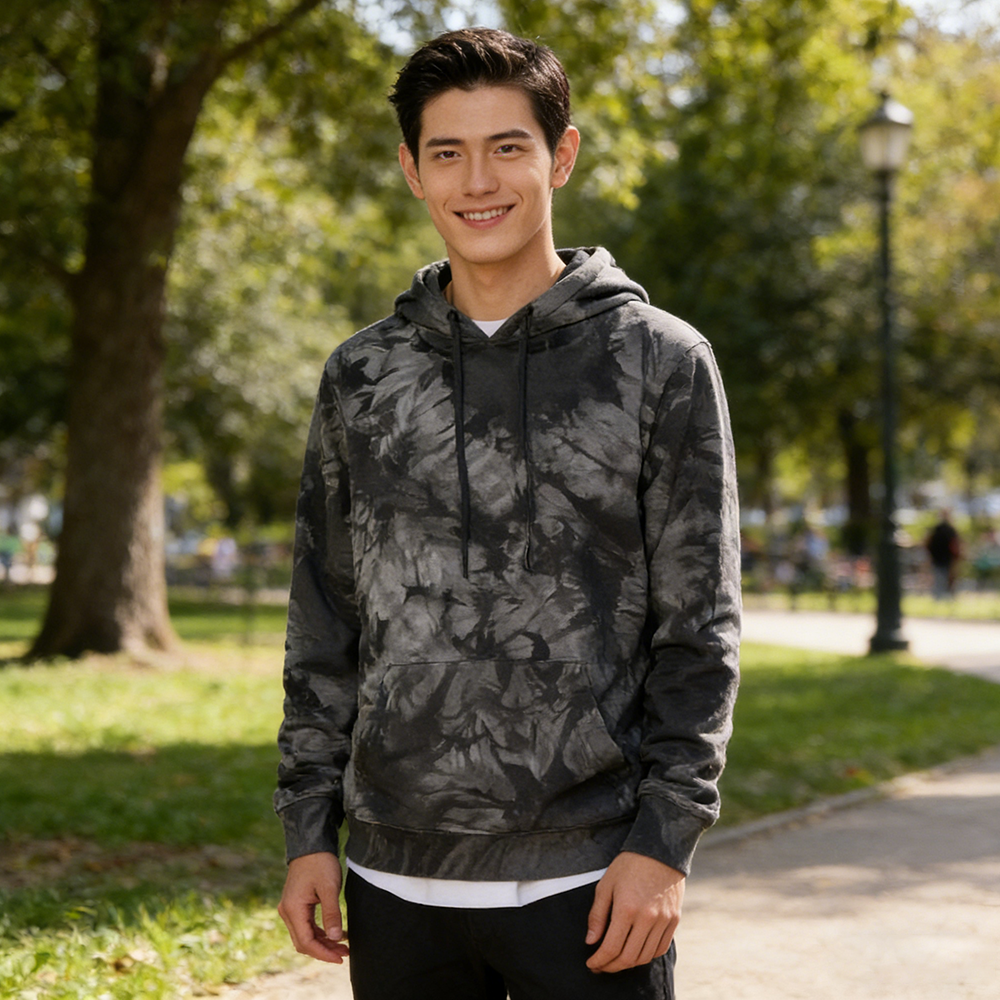
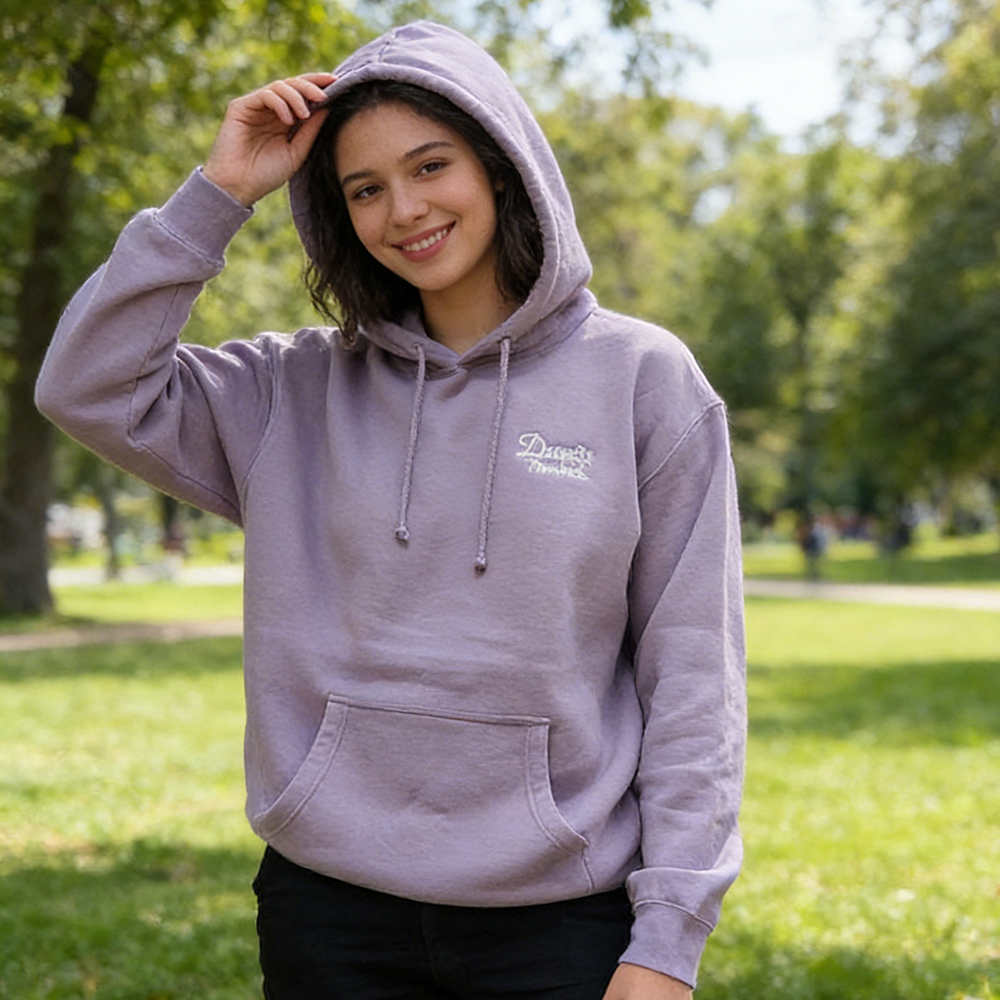
A vintage hoodie graphic usually does not look too perfect. In many programs, the print direction may feel slightly broken, faded, cracked, washed back, or visually integrated into the garment instead of sitting on top of it.
That does not mean every vintage hoodie needs a distressed print. Some vintage-looking hoodies are blank or logo-light. But when graphics are used, brands often need to decide:
clean print vs aged print
heavy contrast vs washed-in contrast
bold front placement vs smaller heritage-style placement
screen print vs other methods depending on the target handfeel
If the print and wash direction are developed separately, the final look can feel mismatched.
Fit and Pattern Shape
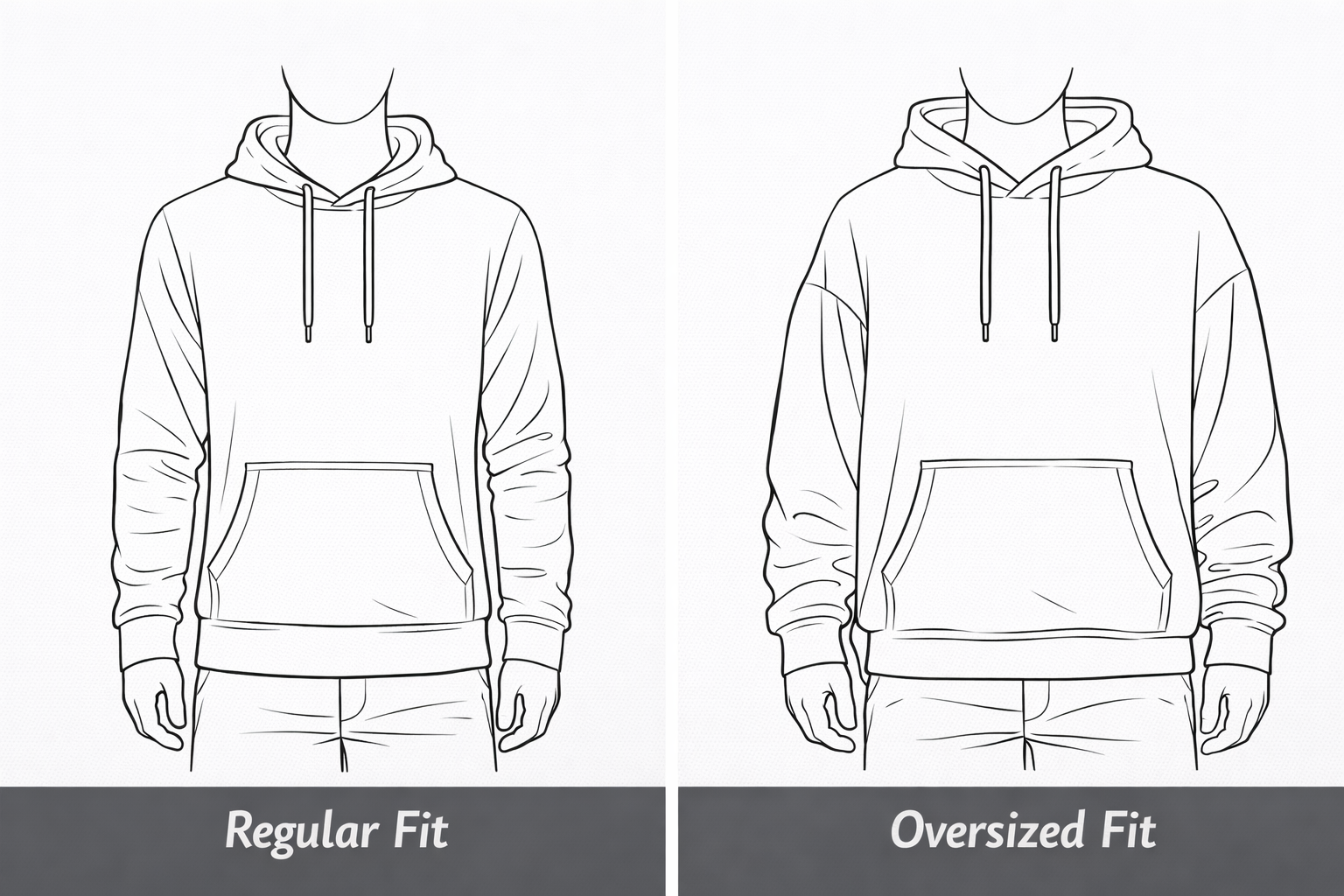
Many buyers focus on wash first, but fit also plays a major role in whether the hoodie feels vintage. A cleaner slim silhouette often reads as more modern, while a slightly boxy or relaxed shape can support a more heritage or worn-in impression.
Depending on the brand direction, the vintage look may be supported by:
1.dropped shoulder
2.fuller sleeve
3.wider body
4.shorter body proportion
5.heavier rib effect
6.slightly more relaxed neck opening or hood volume
Fit is not decoration, but it changes how the vintage effect is perceived.
Finishing and Small Details
Vintage direction can also come from small details that are easy to overlook:
1.rib texture and tension
2.seam appearance after wash
3.label style
4.drawcord choices
5.surface pilling control
6.edge softness
7.shade balance across body, sleeve, and hood
These details usually do not create the look alone, but they often decide whether the garment feels intentional or unfinished.

Common Confusion: Vintage Hoodie vs Washed Hoodie vs Garment-Dyed Hoodie
This is one of the most common areas of confusion in buyer communication.
A Washed Hoodie Is Not Always a Vintage Hoodie
A washed hoodie may simply be softer or more casual. It can still look relatively clean and modern.
A Garment-Dyed Hoodie Is Not Always a Vintage Hoodie
Garment dye can create depth and a softer color character, but by itself it does not always create the aged look many brands want.
A Vintage Hoodie Usually Combines More Than One Decision
A vintage hoodie usually gets its look from multiple aligned choices:
1.suitable fabric
2.suitable dye path
3.suitable wash direction
4.suitable graphic direction
5.suitable fit
6.suitable finishing control
That is why many development problems happen when the buyer says "make it look vintage" without clarifying what kind of vintage result matters most.
What Buyers Should Define Before Sampling Starts
If a brand wants a custom vintage hoodie that is easier to develop and approve, the brief should usually cover more than artwork and size specs.
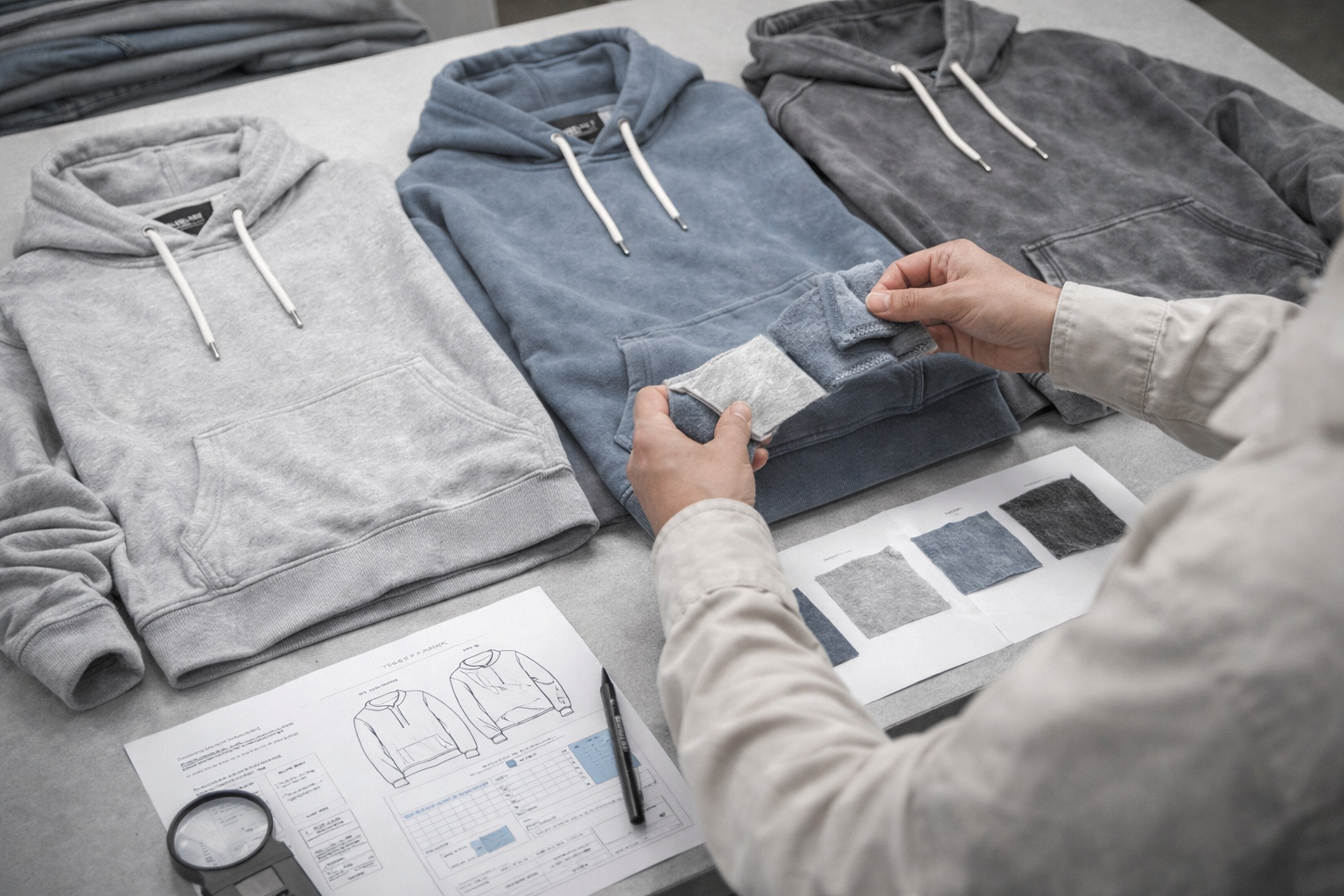
Before sampling, buyers should usually prepare:
1.clear visual references for the target vintage effect
2.comments on color depth, fade level, and surface mood
3.desired fit direction, such as oversized, boxy, or standard relaxed
4.fabric preference, such as fleece or French terry
5.graphic direction, if any, including whether the print should look clean or aged
6.tolerance for shade variation after wash
7.trim direction, such as drawcord, rib, and label style
8.priority order for approvals: look, handfeel, fit, print, or color
If the project includes multiple treatments, it is also useful to align the sample path through the Service Process before bulk planning begins.
Factory Reality: A Vintage Effect Is Easier to Describe Than to Repeat
From a factory perspective, a vintage hoodie program is usually more complex than a standard clean hoodie program.
At Vanrd in Dongguan (Humen), the practical challenge is not just creating a good first look. The challenge is translating that look into repeatable development steps that hold together through fabric sourcing, sample washing, print testing, fit correction, and bulk approval.
Three factory realities matter here:
Vintage Is Usually a Controlled Range, Not a Single Exact Point
Brands often want a lived-in look, but the production team still needs a workable approval range. If the brief only says "make it more vintage," the result can drift.
Wash, Fit, and Graphics Influence Each Other
A stronger wash can shift shade, soften fabric, affect measurements, and change how graphics read. This is why sample review should not separate wash comments from fit and print comments.
QC Starts Earlier Than Shipment
For vintage-looking garments, quality control process should begin during development and sample approval, not only at final inspection. The bigger the visual effect, the more important early alignment becomes.
Brands that want smoother execution should also evaluate whether the supplier has the right factory strength for fabric, wash, print, and bulk coordination together.
Common Mistakes and Risk Watchpoints | ||||
| Mistake 1: Using "Vintage" as a Vague Aesthetic Word | Mistake 2: Approving Only From Edited Photos | Mistake 3: Ignoring Measurement Impact After Wash | Mistake 4: Treating Print and Wash as Separate Projects | Mistake 5: Chasing Too Many Effects in the First Sample Round |
"Vintage" can mean faded, sun-washed, heavy, distressed, heritage, washed black, cracked graphic, boxy fit, or several things at once. A vague brief creates vague sampling. | Vintage effects often look different in edited campaign images than in real sample review conditions. Physical review or consistent review standards matter more than a single styled photo. | If the garment will be washed aggressively, size balance and tolerance need attention. Otherwise, the final look may be good while the fit becomes unstable. | An aged hoodie print often needs to be developed with the wash direction in mind. If not, the print may stay too sharp or degrade in the wrong way. | Trying to combine aggressive wash, complex print aging, oversized fit, heavy rib, and multiple trim changes in one early sample can slow approvals and make problem diagnosis harder. |
Next Steps: How To Turn A Vintage Concept Into A Better Sample BriefTitle
A more workable vintage hoodie development path usually looks like this:
Step 1: Define the Visual GoalTitle
Decide what "vintage" means for your brand:
1.faded and minimal
2.graphic-heavy and distressed
3.washed and soft
4.oversized and heritage-inspired
5.cleaner vintage rather than heavily destroyed
Step 2: Lock the Core Product DecisionsTitle
Choose the fabric family, fit direction, wash priority, and graphic treatment before asking for refinement in smaller details.
Step 3: Send Better ReferencesTitle
Provide front, back, and close-up references when possible. If you have target color mood, print aging level, and handfeel comments, include them early.
Step 4: Review Samples as a SystemTitle
Review the sample as one combined result:
1.color
2.handfeel
3.wash
4.print
5.fit
6.finishing
Do not approve these in isolation if they affect each other.
Step 5: Move Into Controlled Bulk PlanningTitle
Once the target look is aligned, confirm the practical path into manufacturing, QC, and delivery. That is where a structured partner and clear OEM/ODM services can reduce rework.
FAQ
What is the difference between a vintage hoodie and a garment-dyed hoodie?
A garment-dyed hoodie refers to one color application method. A vintage hoodie usually refers to the overall final look, which may also include wash, fit, graphic treatment, and finishing choices.
What files should I send before starting a vintage hoodie sample?
A good starting package usually includes reference images, artwork files if applicable, fit direction, color comments, wash expectations, size specs, and any notes on graphic aging or trim details.
Does a vintage hoodie usually take longer to develop than a standard hoodie?
In many cases, yes. Vintage-looking hoodies often require more alignment on wash depth, shade, print feel, and fit stability, so sample review can involve more decisions than a cleaner basic hoodie.
Can I achieve a vintage look without heavy distressing?
Yes. A vintage effect can come from muted color, soft handfeel, relaxed fit, and subtle print treatment without using aggressive surface destruction.
Is a washed black hoodie automatically a vintage hoodie?
Not necessarily. Washed black can be part of a vintage direction, but the final impression also depends on fabric, silhouette, graphics, and finishing.
What is the best fabric for a custom vintage hoodie?
There is no single best option for every program. The right choice depends on your target weight, handfeel, wash response, graphic direction, and price position. That is why fabric selection should be aligned early through the relevant Fabrics & Techniques discussion.
CTA Copy
If your brand is planning a custom vintage hoodie program, the fastest way to reduce confusion is to start with a clearer development brief. Send your references, tech pack, target wash direction, and graphic notes to contact Vanrd so the team can review the concept and help you move into a more workable sampling path.