- MOQ 100+

- Samples 7–10 days

- OEM/ODM

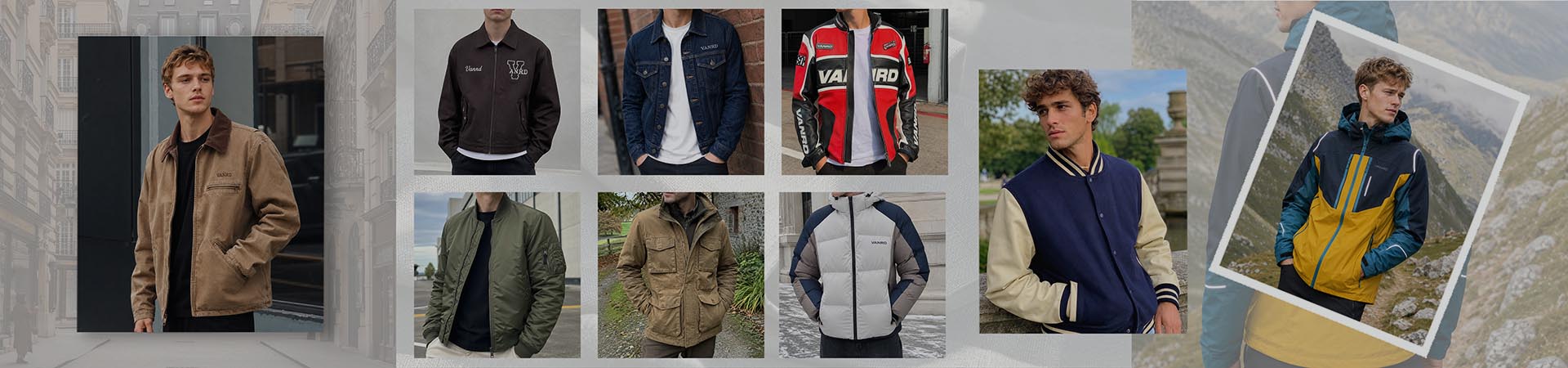
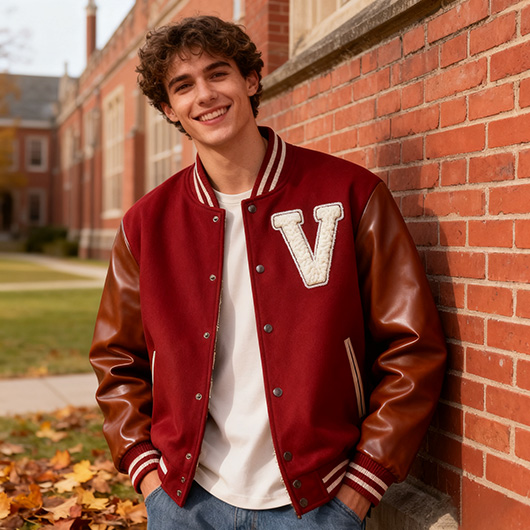
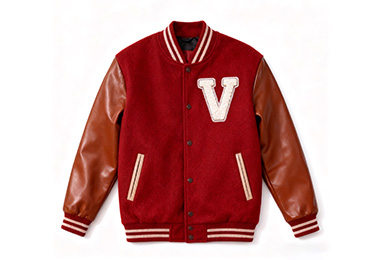
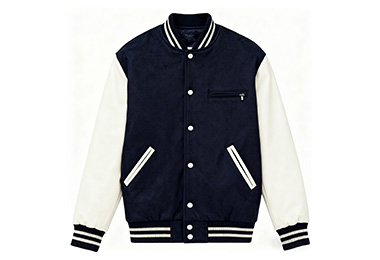
Private label varsity jacket manufacturing with wool-blend bodies, PU or leather sleeves, striped rib, snap fronts, chenille patches, embroidery, woven labels, and branded packaging.
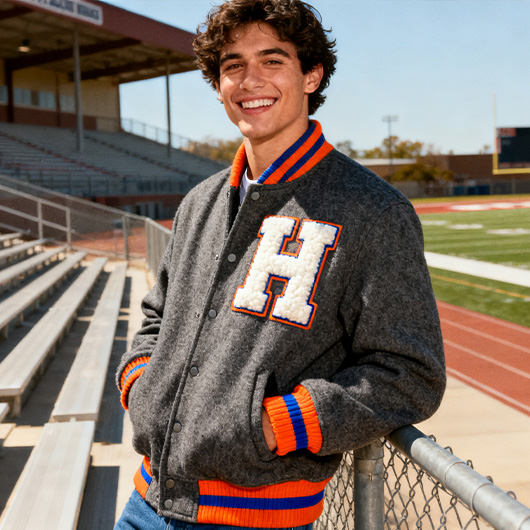
Custom letterman jacket production for school, team, capsule, and streetwear programs, including chenille letters, mascot appliqué, rib color matching, snap fronts, and personalized details.
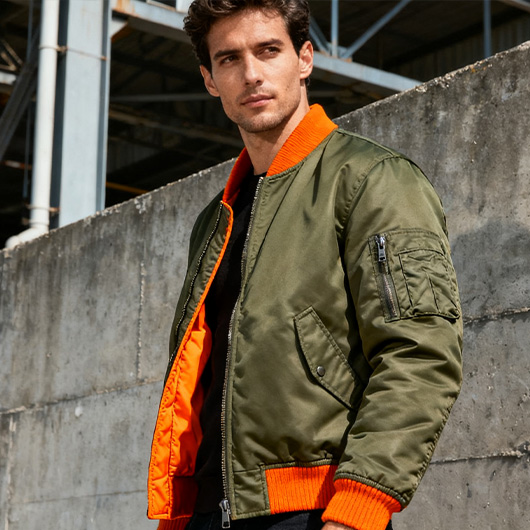
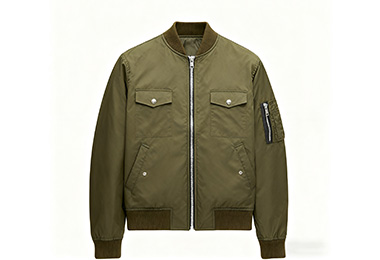
OEM/ODM bomber jacket manufacturing for fashion and streetwear brands, including MA-1 nylon shells, quilted lining, sleeve pockets, rib trims, embroidery, patches, and private label trims.
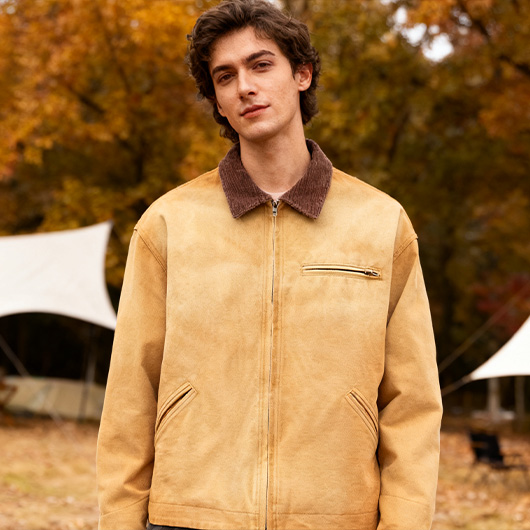
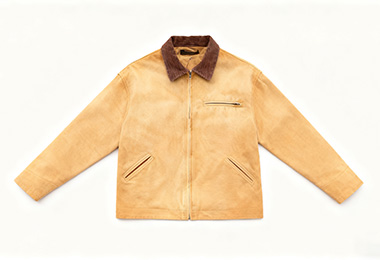
Custom work jacket manufacturing for utility, workwear, and streetwear collections, using duck canvas, twill, reinforced seams, bar-tacks, heavy-duty zippers, embroidery, and branded labels.
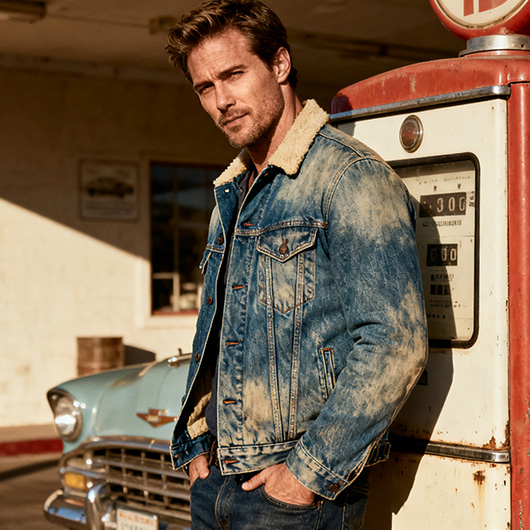
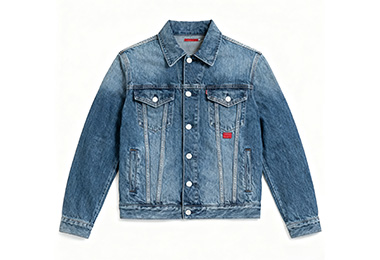
Private label denim jacket production with Type II/III trucker patterns, custom washes, distressing, embroidery, patches, branded buttons, metal hardware, labels, and packaging.
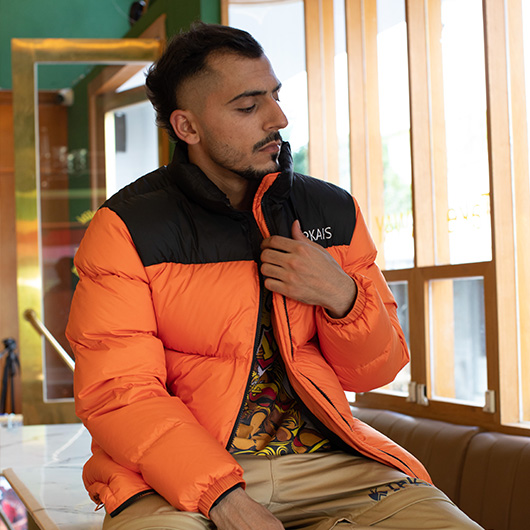
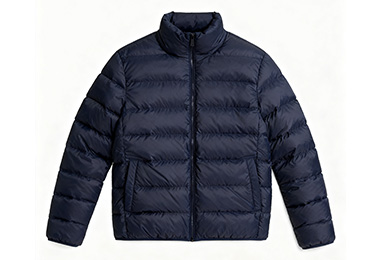
Custom puffer jacket manufacturing for cold-weather outerwear programs, with synthetic or down insulation, channel/box/wave baffles, DWR shells, lining options, labels, and bulk QC support.
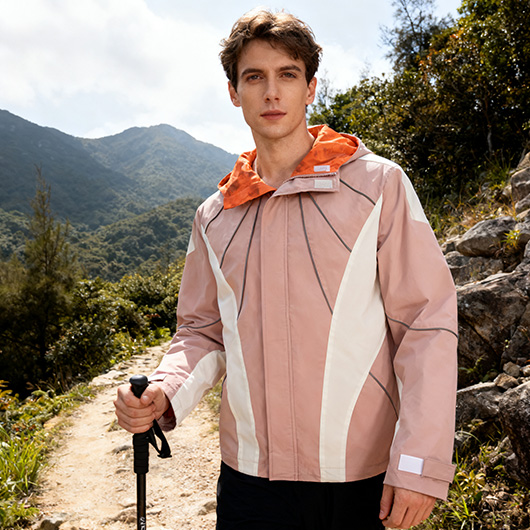
Lightweight windbreaker jacket manufacturing with nylon or polyester shells, mesh lining, packable construction, elastic trims, drawcords, screen printing, embroidery, and private label options.
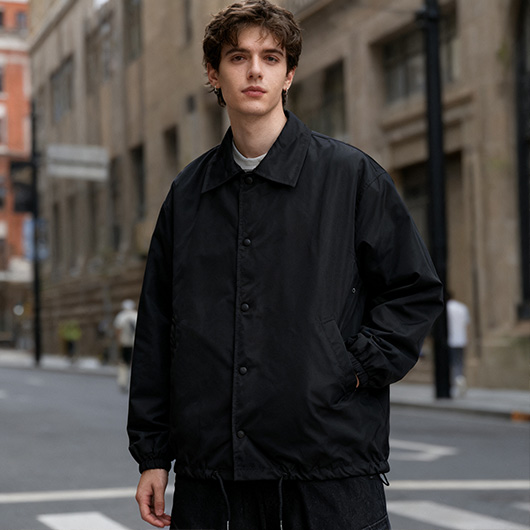
Custom coach jacket production for streetwear brands, featuring snap fronts, elastic cuffs, drawcord hems, relaxed or oversized fits, screen printing, embroidery, woven labels, and bulk production support.
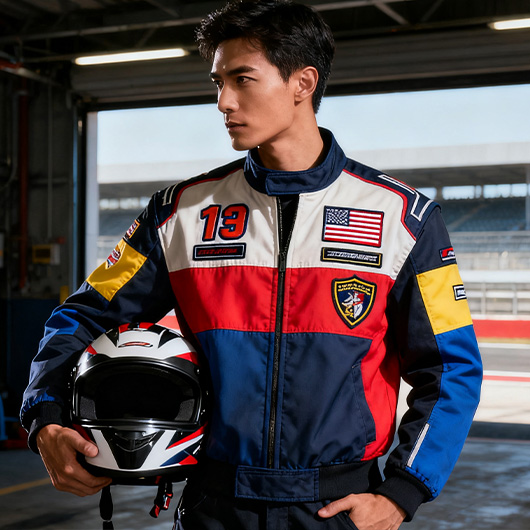
OEM racing jacket manufacturing with motorsport-inspired color blocking, appliqué patches, embroidery packs, branded trims, panel construction, custom labels, and bulk QC support.
| Type | Best For | Shell /Lining | Branding | Notes |
|---|---|---|---|---|
| Varsity | Private label/ streetwear | Wool body + PU/leather sleeves | Chenille/embroidery / applique | Striped rib,snap front |
| Letterman | School/ team award | Wool + PU/leather | Big chenille letters & numbers | Personalization available |
| Bomber | All-season outerwear | Nylon/poly + light/quilt | Embroidery /patches/print | MA-1 pocket,rib trims |
| Work | Workwear / utility | Duck canvas/ twill | Embroidery /label packs | Triple stitch,bar-tacks |
| Denim/Trucker | Classic jean jacket | Denim / canvas + sherpa (opt.) | Chain stitch/ patches | Type I/Ill wash library |
| Puffer | Cold weather | Nylon/poly + down/synthetic | Print / labels | Channel/box/wave baffles |
| Windbreaker | Lightweight shell | Nylon/poly + mesh | Print / embroidery | Packable options |
| Coach | Streetwear | Nylon/poly + tricot/taffeta | Print / embroidery | Snap front, drawcord hem |
| Racing | Motorsport-inspired | Poly/nylon + PU trims | Applique/ embroidery packs | Color-block panels |
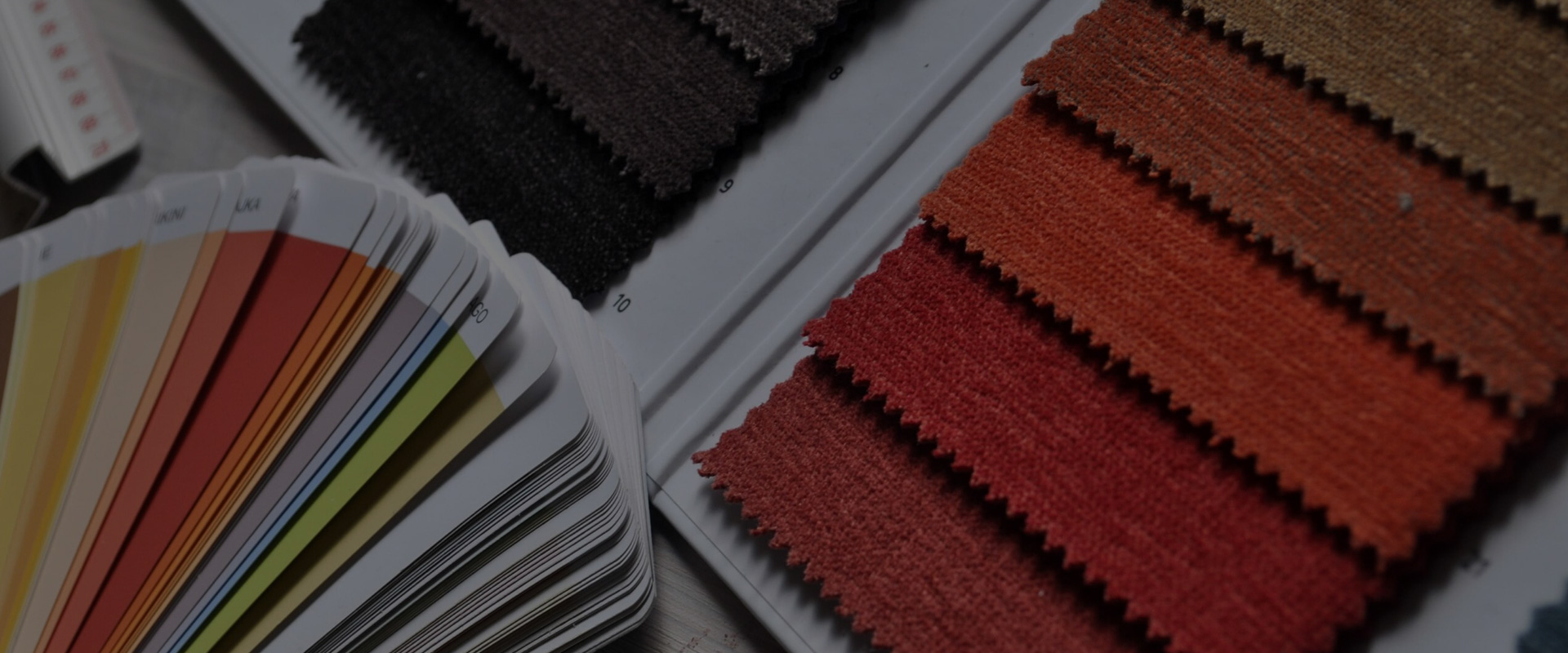

Choose from denim, duck canvas, nylon, polyester, wool blends, fleece lining, quilted lining, mesh lining, synthetic insulation, and other jacket materials based on your target price, function, and brand positioning. Trim options include ribs, zippers, snaps, drawcords, buttons, woven labels, care labels, hangtags, barcode stickers, and export-ready carton marks.
For brand customization, we support embroidery, chenille patches, appliqué, screen printing, woven labels, leather patches, rubber patches, quilting, color blocking, and custom packaging. Our development team can help confirm fabric direction, trim quality, logo placement, and bulk production details before sampling.
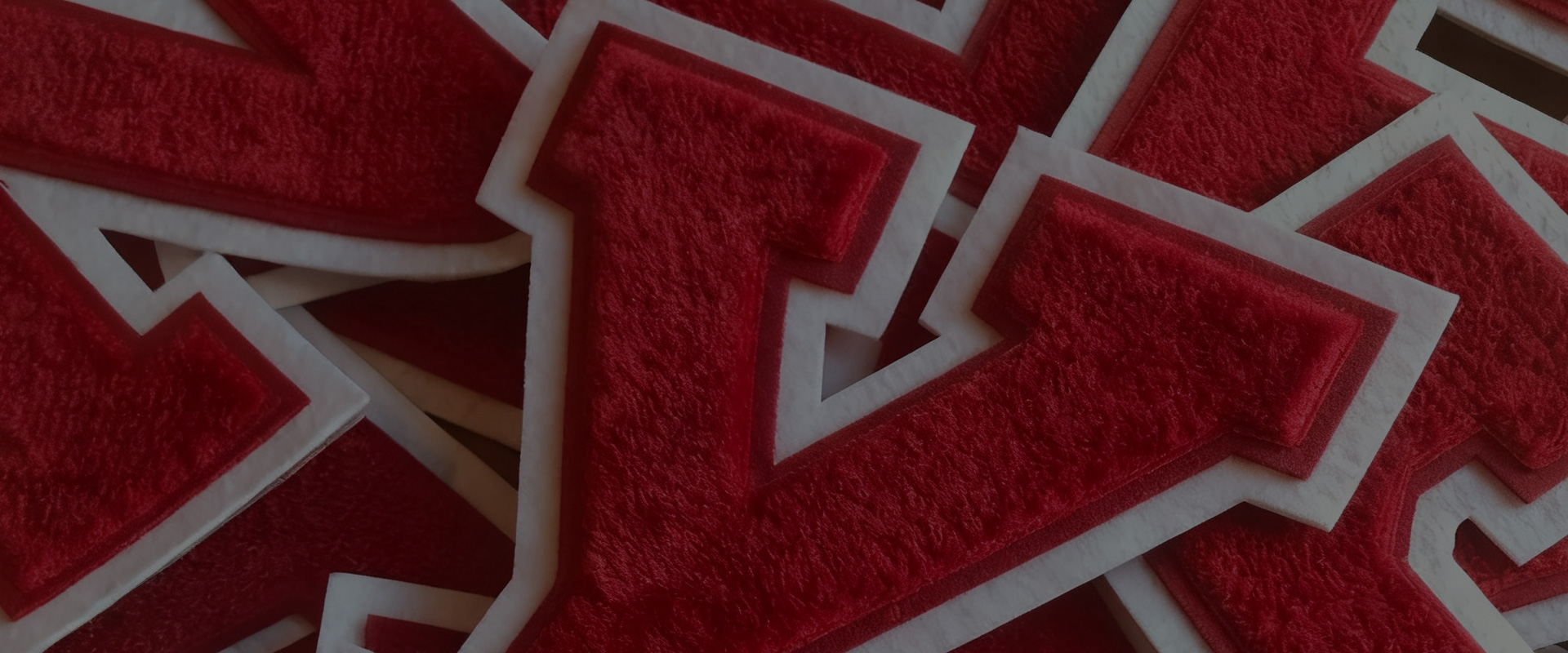

Jacket branding often requires more precision than basic apparel because logo placement, patch size, sleeve position, pocket alignment, and hardware selection can strongly affect the final look. VANRD supports chenille letters and numbers, embroidery, appliqué, screen printing, quilting, color blocking, custom labels, woven patches, leather patches, rubber patches, and packaging details.
Before bulk production, we help confirm placement maps, trim cards, fabric swatches, sample comments, size grading, and approved production standards to reduce sample-to-bulk differences.

For established apparel brands, VANRD provides scalable OEM/ODM jacket manufacturing, repeat order support, seasonal collection development, sample-to-bulk quality control, and stable production capacity for long-term outerwear programs.
Explore Solutions
For private label brands, retailers, and fashion businesses, we support custom jacket development with branded labels, hangtags, packaging, fabric selection, trims, logo placement, bulk production, QC, and retail-ready delivery.
Explore SolutionsFor designer-led brands, studios, and product development teams, we help turn sketches, tech packs, reference garments, fabric ideas, trims, and fit requirements into production-ready jacket samples and bulk-ready collections.
Explore Solutions
For creator-led brands and audience-driven apparel projects, VANRD helps develop custom jackets with signature branding, logo techniques, packaging support, MOQ planning, launch timelines, bulk production, and repeat order preparation.
Explore SolutionsVANRD supports OEM/ODM jacket manufacturing for streetwear brands, private label buyers, wholesalers, and apparel teams. MOQ usually starts from 100 pieces per style, depending on fabric, trims, branding method, and order quantity.
Samples usually take 7–10 days, and bulk production takes about 25–35 days after confirmation. Share your tech pack, reference images, quantity, destination country, and target budget — our team will provide a suitable factory quote.


Share your jacket type, target quantity, destination market, timeline, tech pack, or reference images.
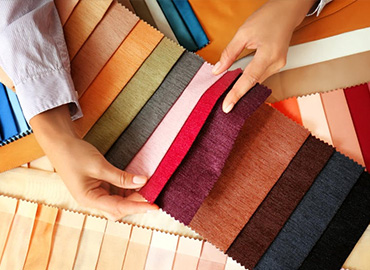

Confirm shell fabric, lining, rib, zipper, snap, patch, label, and packaging direction.
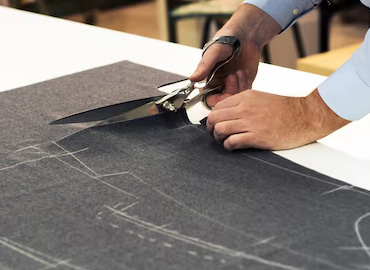

Finalize measurements, grading, construction details, logo placement, and production requirements.
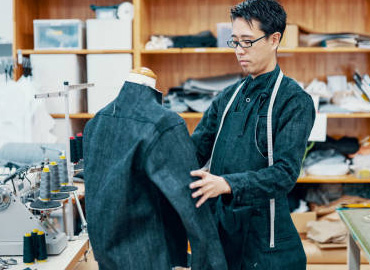

Create a jacket sample for fit, fabric, trims, branding, and construction review.
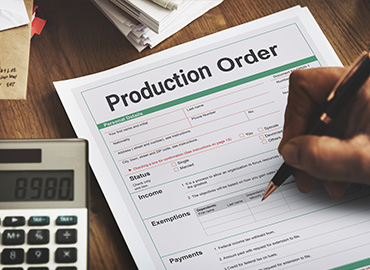

Approve the final sample, size set, colors, trims, labels, packaging, and production timeline.
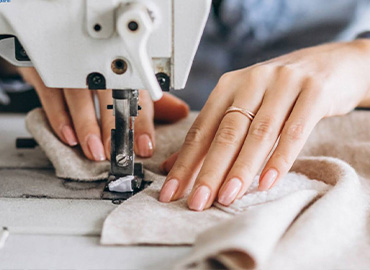

Start cutting, sewing, finishing, branding, and in-line production checks based on the approved sample.
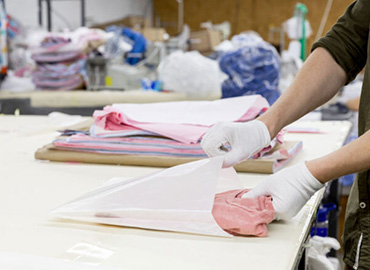

Check measurements, seams, trims, labels, appearance, packing, and carton information before shipment.

Prepare shipment details and keep production records for repeat orders or future jacket programs.


Brands should check whether the jacket manufacturer has real experience with multiple jacket categories, not only basic apparel. Custom jackets often involve more construction details than T-shirts or hoodies, including shell fabric, lining, insulation, ribs, zippers, snaps, patches, embroidery, labels, packaging, measurements, and bulk quality control.
A reliable jacket manufacturer should be able to support different jacket types such as bomber jackets, varsity jackets, work jackets, denim jackets, puffer jackets, windbreakers, coach jackets, and racing jackets. Before starting development, brands should confirm the manufacturer’s product experience, fabric and trim sourcing ability, sample process, MOQ, customization options, quality control standards, and production timeline.
This is especially important for growing brands testing a first outerwear drop, designers developing custom silhouettes, established brands planning repeat orders, and influencers or KOL brands launching limited-edition jacket collections.
A custom jacket manufacturer can usually support several jacket categories for different brand directions. Common options include bomber jackets, flight jackets, varsity jackets, letterman jackets, work jackets, denim jackets, trucker jackets, puffer jackets, windbreakers, coach jackets, racing jackets, and other streetwear or outerwear styles.
Each jacket type has different development requirements. Bomber jackets often need rib trims, zippers, linings, and sleeve pockets. Varsity and letterman jackets need wool-blend bodies, sleeve materials, chenille patches, snaps, and rib matching. Work jackets may require duck canvas, reinforced seams, heavy-duty zippers, and durable trims. Puffer jackets need insulation, quilting, lining, and thickness control. Windbreakers and coach jackets focus more on lightweight shells, lining options, and logo application.
Brands should choose the jacket type based on their target customer, selling season, price level, brand identity, and launch plan. A good manufacturer should help compare jacket structures, materials, customization methods, MOQ, and production risks before sampling.
For custom jacket manufacturing, brands should normally plan around 100 pieces per color and per style, depending on the jacket type, fabric, trims, logo method, size range, and packaging requirements. For first cooperation or development projects, the final MOQ may vary depending on material availability and production complexity.
Sample development usually takes about 7–10 days after the main fabric, lining, trims, fit direction, artwork, and branding details are confirmed. Bulk production usually takes longer because the factory needs to prepare materials, cut fabric, sew the garments, apply logos, inspect measurements, check trims, pack finished jackets, and prepare shipment.
Growing brands should start with a focused jacket style and clear quantity plan. Designers should confirm tech packs, reference images, measurements, and artwork early. Established brands should share seasonal plans and reorder expectations. Influencers and KOL brands should prepare launch dates, target quantities, logo files, and packaging direction before requesting a quote.
Brands should choose fabrics, linings, trims, and branding techniques based on the jacket type, target market, season, price level, and design direction. Different jackets require different materials. Denim jackets may need denim weight, wash effects, metal buttons, and stitching details. Work jackets may need canvas, twill, reinforced seams, and durable hardware. Puffer jackets need shell fabric, lining, insulation, and quilting. Windbreakers may use nylon, polyester, ripstop, mesh lining, elastic trims, and water-resistant finishes.
Trims also affect quality and positioning. Zippers, snaps, ribs, drawcords, labels, patches, pocket details, and carton marks should be selected carefully before sampling. For branding, common methods include embroidery, screen printing, appliqué, chenille patches, woven patches, rubber patches, leather patches, quilting, color blocking, custom labels, hangtags, and packaging.
Before bulk production, brands should confirm fabric swatches, trim cards, logo placement, artwork size, color standards, label details, and approved sample comments. This helps avoid mismatched materials, poor logo placement, weak trims, and sample-to-bulk differences.
Quality control for custom jacket production starts before bulk manufacturing. The approved sample, fabric quality, trims, measurements, logo placement, stitching details, labels, and packaging requirements should all be confirmed clearly before production begins.
During production, quality checks usually cover fabric inspection, cutting accuracy, sewing workmanship, seam strength, zipper function, button or snap quality, embroidery or patch placement, lining construction, measurement tolerance, size grading, and overall garment appearance. For jackets, extra attention is needed because structure, shoulder shape, sleeve length, body length, pockets, cuffs, hem, and lining fit can strongly affect the final wearing experience.
Before shipment, finished jackets should be checked against the approved sample and order specifications. This helps brands reduce bulk defects, avoid inconsistent sizing, and keep production quality stable across first orders and repeat orders.
Custom jacket development should change depending on the brand stage, target customer, selling channel, and launch plan. Growing brands usually need a lower-risk first jacket drop with controlled MOQ, practical fabric choices, clear pricing, and a style that can be reordered if it sells well. The goal is to test the market without creating unnecessary inventory pressure.
Designers usually focus more on silhouette, fabric texture, construction details, logo placement, trims, and accurate sample translation from sketches, tech packs, or reference garments. Established brands often need stronger control over repeat orders, fabric records, color standards, fit consistency, labeling, carton requirements, quality inspection, and seasonal production planning.
Influencers and KOL brands may use custom jackets for limited-edition merch drops, capsule collections, tour merchandise, fanwear, or creator-led apparel lines. These projects often need strong visual impact, premium labels, launch-ready packaging, and clear delivery planning. Before sampling, brands should explain whether the jacket is for streetwear retail, designer collections, wholesale programs, teamwear, corporate projects, creator merch, or long-term private label production.