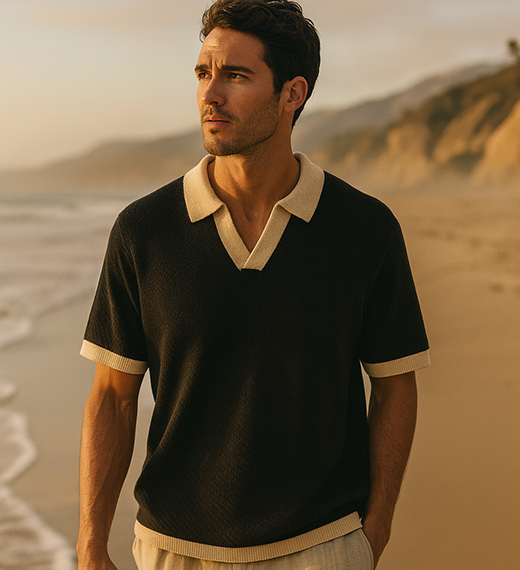
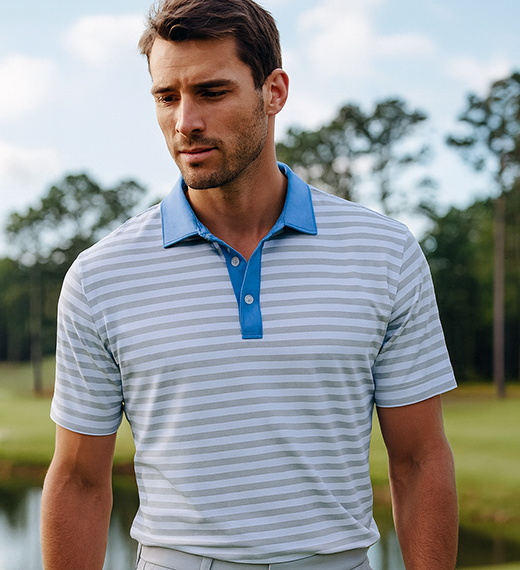
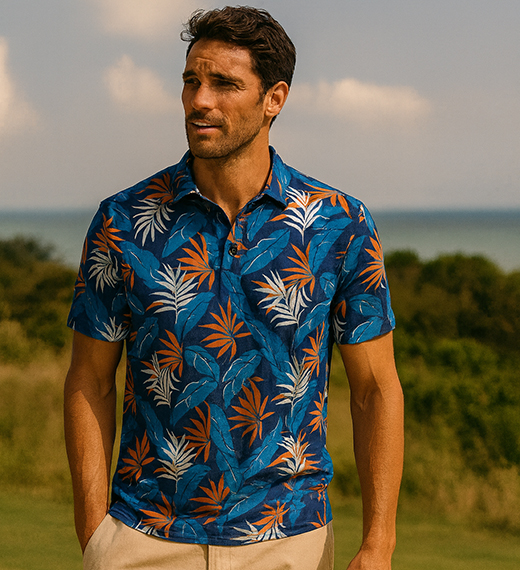
- MOQ 100+

- Samples 7–10 days

- OEM/ODM


define markets, use cases and targets

choose polo silhouettes, sleeve lengths and fits

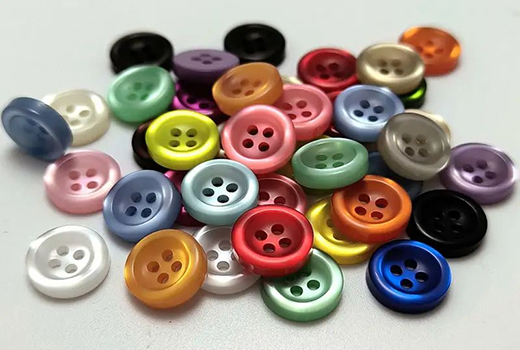
confirm fabrics, collars, plackets and buttons

plan logo methods, placements and labels

build samples, review fit and construction

lock specs, colours, branding and grading

cut, apply stones, sew, inspect

pack by ratio, label cartons and ship
Before developing custom polo shirts, brands should prepare fabric direction, collar type, placket structure, button details, fit requirement, size chart, logo artwork, embroidery position, label details, color standard, and packaging instruction.
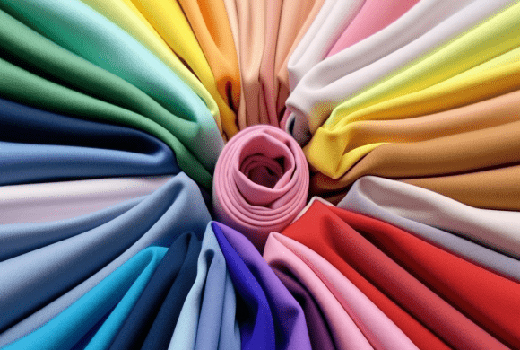
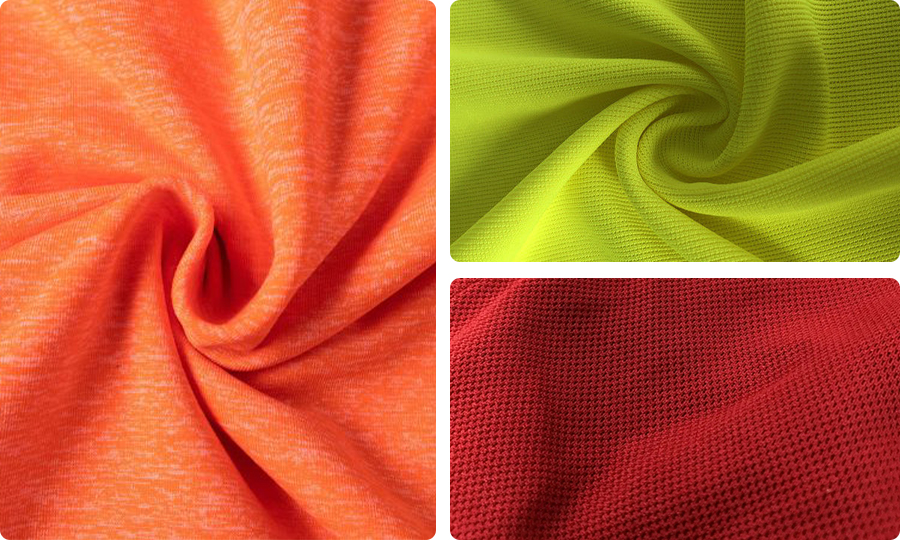
Polo shirts require attention to both fabric and construction. Pique, jersey, interlock, performance polyester, cotton blends, and stretch fabrics can all create different results. The choice affects hand feel, breathability, shrinkage, and final appearance.
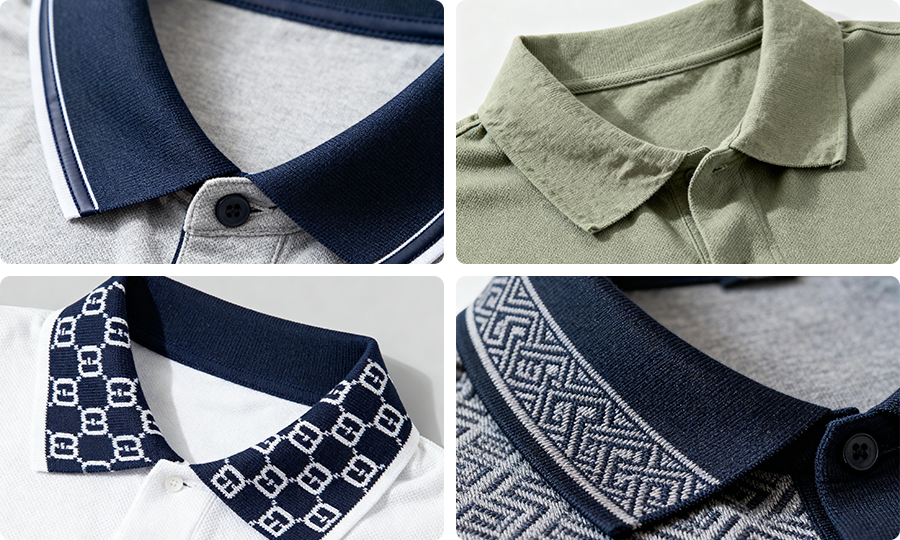
The collar and placket are especially important. A weak collar, poor button spacing, or uneven placket can make the product look less refined, even if the fabric is good.
For B2B private label programs, brands should also confirm whether the polo shirt is designed for uniforms, golf apparel, corporate wear, sportswear, or lifestyle collections. Different use cases may require different fabric and logo choices.
A sample should be reviewed for fit, collar shape, embroidery quality, placket alignment, sleeve length, hem quality, and washing performance before bulk approval.
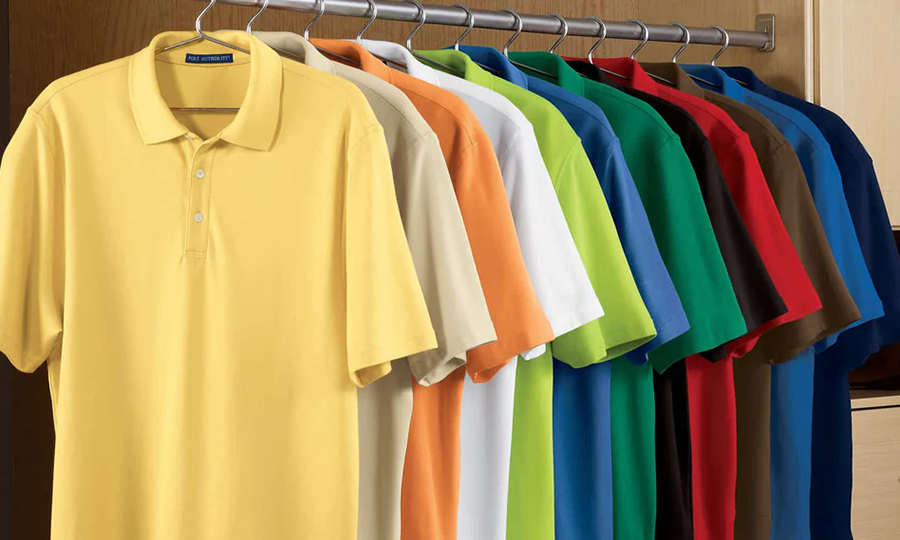
Polo shirt MOQ and pricing are mainly affected by fabric type, fabric weight, collar and cuff construction, placket structure, logo technique, button quality, label requirements, size range, packaging, and total order quantity. For custom polo shirt manufacturing, brands should normally plan around 100 pieces per color and per style, with a full size run included in that quantity.
A simple piqué polo with standard buttons and one chest embroidery will usually cost less than a performance polo with stretch fabric, contrast collar tipping, custom buttons, sleeve embroidery, jacquard collar, private labels, hangtags, and branded packaging.
Growing brands should start with one focused polo style and a clear quantity plan. Designers should confirm fabric, fit, collar, placket, and artwork early. Established brands should share reorder expectations and color plans. Influencers and KOL brands should prepare launch dates, target quantities, logo files, and packaging direction before requesting a quote.
Brands should choose a polo shirt manufacturer with real experience in cut-and-sew polo production, not only basic blank decoration. Polo shirts may look simple, but the final quality depends on fabric structure, collar shape, placket construction, button quality, sleeve fit, body length, shrinkage control, logo placement, labels, packaging, and bulk consistency.
Before starting development, brands should confirm the manufacturer’s fabric options, MOQ, sample process, fit development ability, collar and placket options, logo techniques, private label support, and quality control standards. A reliable polo shirt manufacturer should help review your references, recommend suitable fabric and collar construction, test decoration placement, control measurements, and reduce bulk production risks.
This is especially important for growing brands testing a first smart-casual or streetwear polo drop, designers developing custom silhouettes, established brands planning repeat programs, and influencers or KOL brands launching limited-edition merch or creator collections.
The best fabric, collar, and placket for custom polo shirts depends on the target market, use case, price level, and brand positioning. Piqué fabric is a classic option for lifestyle, golf-inspired, uniform, and smart-casual polo programs because it has a textured surface and stable structure. Jersey knit polos feel softer and more casual, making them suitable for streetwear capsules, relaxed lifestyle collections, and modern corporate programs.
Performance fabrics, cotton-poly blends, stretch blends, and moisture-management knits can be useful for golf, sports clubs, hospitality teams, outdoor events, and active lifestyle programs. For higher-end or more fashion-led polos, brands may also consider heavier knit structures, textured collars, contrast tipping, or special placket designs.
Collar and placket construction should be chosen carefully. A weak collar can curl or lose shape, while a poor placket can twist after washing. Brands should confirm collar type, rib quality, button size, button spacing, placket length, side vents, sleeve cuff structure, and sample fit before bulk production.
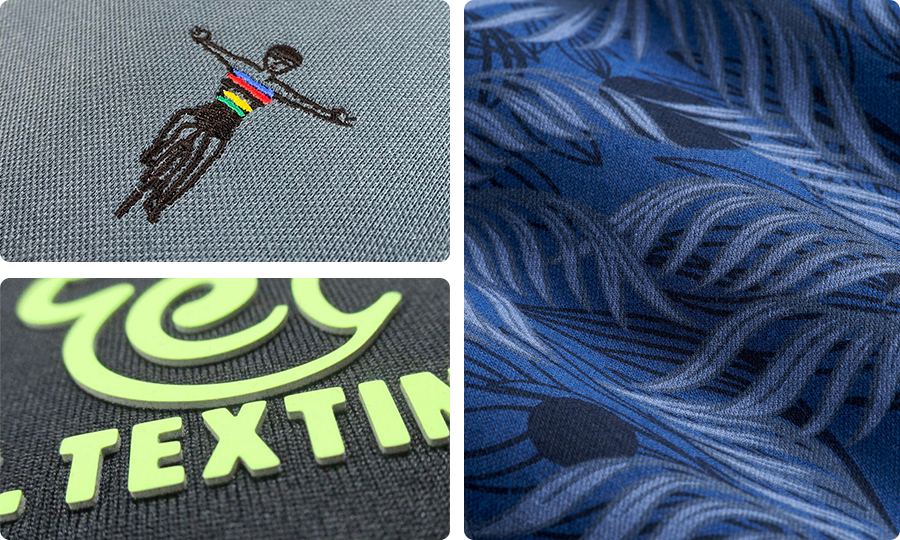
Polo shirts can be customized with chest embroidery, sleeve embroidery, screen printing, heat transfer, digital printing, appliqué, woven badges, rubber patches, jacquard collars, contrast collar tipping, custom buttons, contrast plackets, neck labels, care labels, size labels, hangtags, barcoded polybags, and printed cartons.
For classic brand programs, small chest embroidery is often the most suitable choice because it gives a clean and durable logo effect. For streetwear or merch programs, brands may use larger back prints, sleeve logos, contrast collars, patch details, or bolder color blocking. For uniforms and corporate programs, the most important details are durable decoration, stable sizing, easy-care fabric, and repeatable logo placement.
Brands should confirm artwork size, logo placement, embroidery thread color, print color, button details, collar design, label position, packaging format, and sample approval before bulk production. This helps avoid poor logo placement, weak decoration quality, wrong label details, or inconsistent branding.
Quality control for custom polo shirt production starts with a clearly approved sample. Before bulk production, the fabric, fabric weight, collar type, placket structure, button details, sleeve length, body length, logo placement, label details, size specs, and packaging requirements should all be confirmed.
During production, QC should check fabric defects, cutting accuracy, stitching quality, seam strength, collar shape, collar curling, placket alignment, button attachment, sleeve opening, side vents, shrinkage, logo placement, embroidery quality, print quality, size grading, measurement tolerance, and overall garment appearance.
Polo shirts need extra attention because collar and placket quality strongly affect the perceived value of the product. A curled collar, twisted placket, weak button attachment, uneven embroidery, or unstable shrinkage can make the polo look low quality even when the fabric is good. Finished polo shirts should be compared with the approved sample before shipment to keep bulk production consistent across first orders and repeat orders.