- MOQ 100+

- Samples 7–10 days

- OEM/ODM



clarify markets, positioning and volumes

choose T-shirt silhouettes and fit blocks

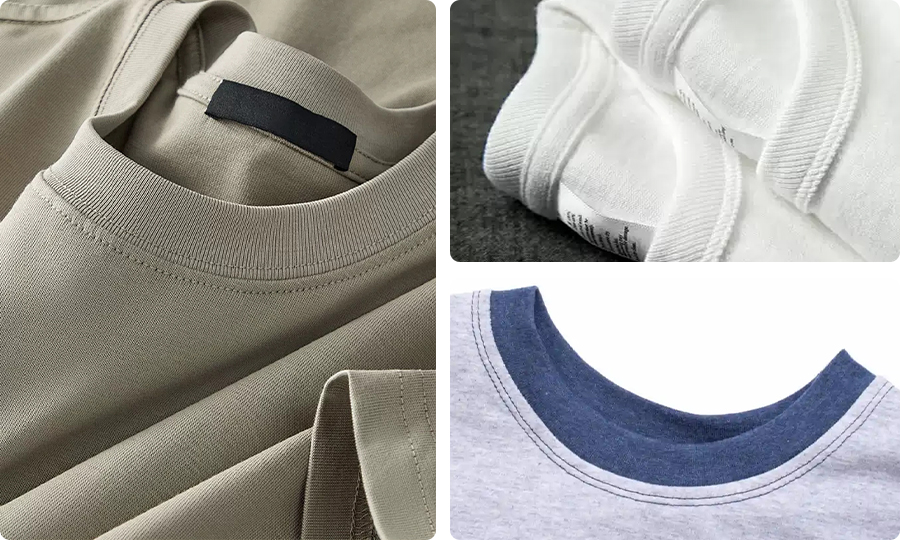
confirm jerseys, ribs, labels and details

prepare print, embroidery and label placements

develop samples, review fit and construction

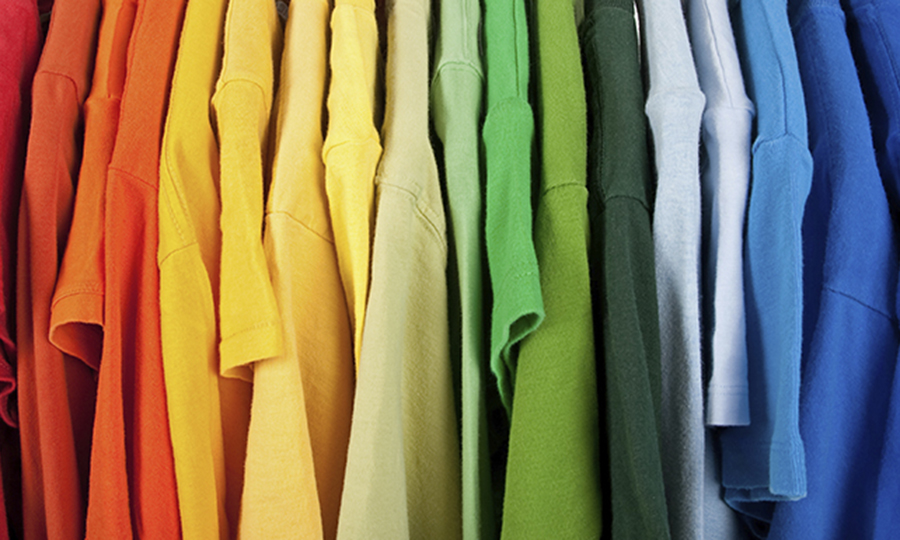
lock fabrics, colours, branding and grading

cut, sew, decorate and run inline QC

pack by ratio, label cartons and dispatch
Brands should compare T-shirt manufacturers by checking fabric type, GSM, shrinkage, neckline stability, shoulder construction, sleeve shape, body length, print technique, label options, and packaging support. For streetwear T-shirts, oversized fit, garment washing, graphic placement, and print durability are especially important. A manufacturer that only provides basic blanks may not be the right fit for a custom private label streetwear program. Before ordering, brands should review samples, confirm artwork files, approve fabric swatches, and define measurement tolerance.
Brands should prepare a clear tech pack, artwork files, size chart, fabric direction, logo placement, color references, and target order quantity before starting a custom T-shirt sample. A complete sample request helps the manufacturer understand the fit, fabric, construction, printing method, labeling, and packaging requirements before development starts. If the design includes screen print, embroidery, puff print, wash effects, or special trims, these details should be confirmed early. For private label T-shirts, buyers should also prepare neck label, care label, hangtag, and packing requirements. The clearer the sample brief is, the fewer revisions are usually needed during development.
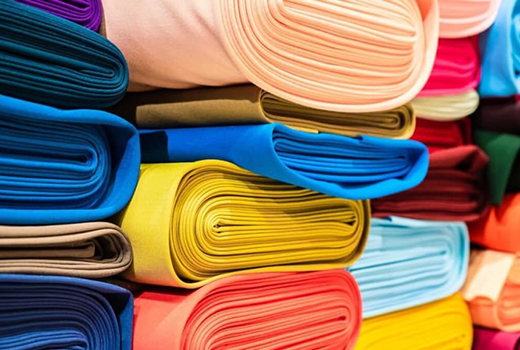
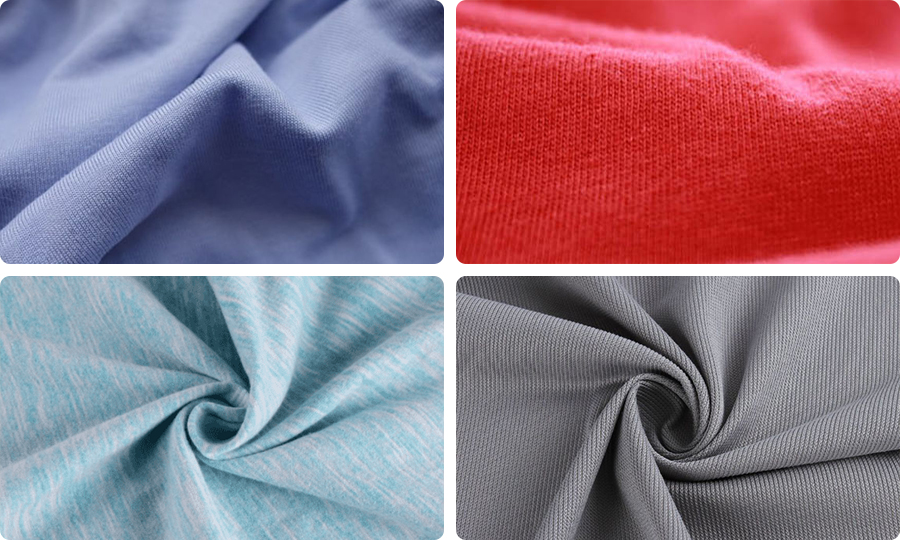
The best fabric, GSM, and fit for custom T-shirts depend on the target market, season, price level, handfeel, opacity, and brand positioning. Lightweight jersey is suitable for summer, layering, promotional programs, and warmer markets. Midweight cotton jersey is useful for everyday retail basics and all-season collections. Heavyweight jersey is better for premium streetwear, oversized silhouettes, washed T-shirts, and graphic-led drops.
Fabric composition also matters. Combed cotton and ringspun cotton can create a cleaner and softer handfeel. Cotton-poly or CVC blends may improve durability and cost control. Performance knits can be used for sport, team, or activewear-inspired T-shirts.
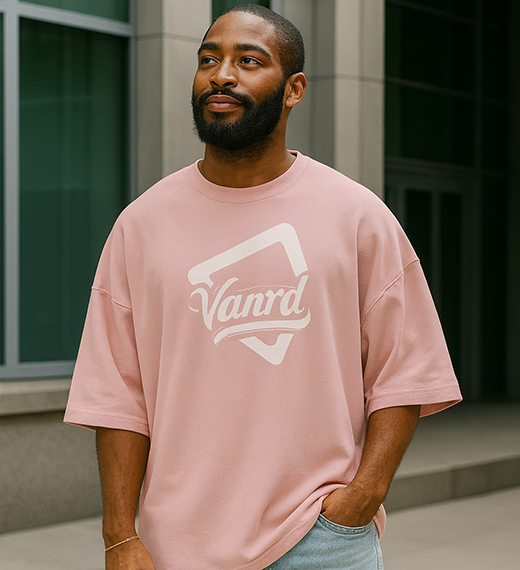
Fit should match the brand’s customer and selling channel. Oversized T-shirts need control of shoulder width, sleeve length, body length, collar rib, and fabric drape. Regular-fit T-shirts are easier for uniforms, core basics, and repeat programs. Cropped, longline, or boxy T-shirts need more careful sample review because proportion changes strongly affect the final look.
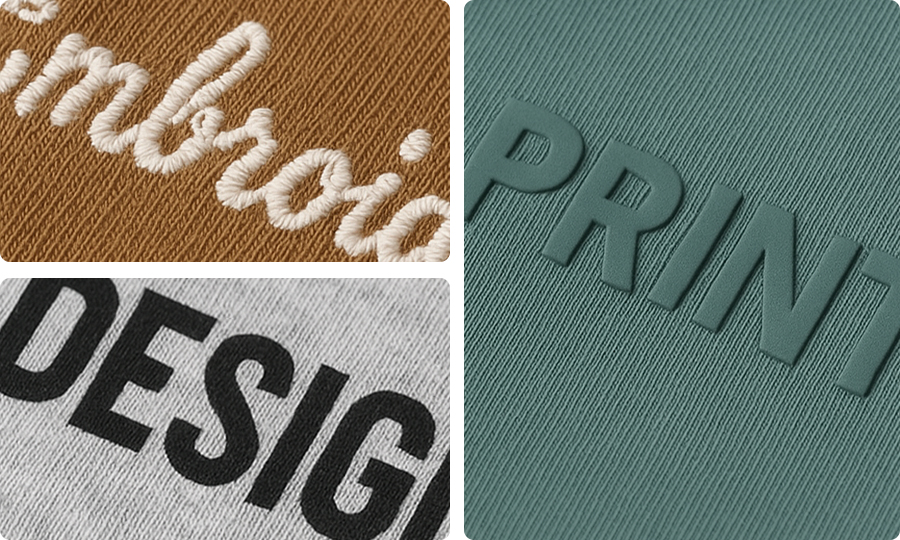
T-shirts can be customized with screen printing, water-based printing, plastisol printing, puff print, high-density print, DTG, DTF, heat transfer, sublimation for suitable fabrics, embroidery, appliqué, woven patches, rubber badges, neck labels, care labels, size labels, hangtags, stickers, barcoded polybags, and printed cartons.
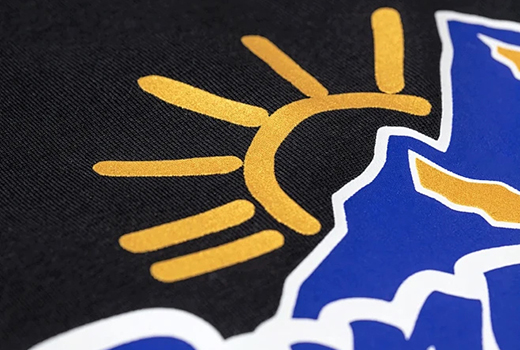
Different customization methods create different product results. Screen printing is suitable for bold graphics, large runs, chest logos, and back prints. Puff print and high-density print are useful for streetwear drops that need raised texture. DTG or DTF can work for detailed or multi-color artwork, depending on the fabric and order plan. Embroidery is better for premium small logos, chest details, and cleaner brand marks.
Brands should confirm artwork size, print color, placement, fabric type, label details, packaging format, and sample approval before bulk production. This helps avoid poor print handfeel, off-center graphics, cracking, weak adhesion, incorrect label placement, or inconsistent branding.
T-shirt MOQ and pricing are mainly affected by fabric type, GSM, fabric composition, dyeing method, fit complexity, print or embroidery method, artwork size, number of logo placements, trims, size range, packaging, and total order quantity. For custom T-shirt manufacturing, brands should normally plan around 100 pieces per color and per style, with a full size run included in that quantity.
A simple regular-fit T-shirt with one chest print will usually cost less than a heavyweight oversized T-shirt with custom fabric, garment wash, puff print, large back artwork, sleeve graphics, embroidery, custom neck labels, hangtags, and branded packaging.
Growing brands should start with a focused style and clear quantity plan. Designers should confirm fabric weight, fit, artwork, and print method early. Established brands should share reorder expectations and color plans. Influencers and KOL brands should prepare launch dates, target quantities, artwork files, and packaging direction before requesting a quote.
Quality control for custom T-shirt production starts with a clearly approved sample. Before bulk production, the fabric, GSM, color, shrinkage standard, neckline shape, shoulder width, sleeve length, body length, logo placement, label details, size specs, and packaging requirements should all be confirmed.
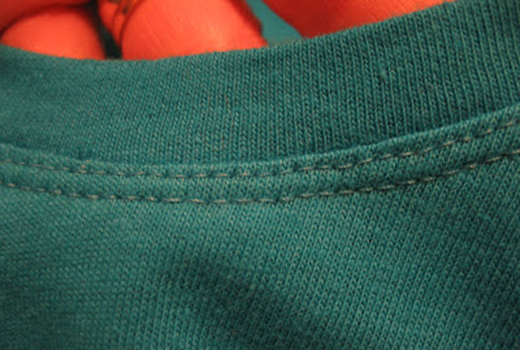
During production, QC should check fabric defects, cutting accuracy, stitching quality, seam strength, neckline stability, shoulder balance, sleeve shape, body length, shrinkage, print placement, print color, print handfeel, embroidery quality, size grading, measurement tolerance, and overall garment appearance.
T-shirts need extra attention because simple garments expose quality problems quickly. A weak collar, twisted body, uneven sleeve shape, poor shrinkage control, off-center print, or rough stitching can make the product look low quality. Finished T-shirts should be compared with the approved sample before shipment to keep bulk production consistent across first orders and repeat orders.