
Streetwear Fabrics & Techniques for Custom Apparel
Choose materials and branding that match your look, price point and timeline
- Request a Swatch Kit
- Lab‑dips with ΔE targets
- Outerwear & streetwear ready
Selection Guide — From Brief to Swatches

Define Use & Season
Lifestyle streetwear, workwear, rain, cold weather.

Pick Shell Family
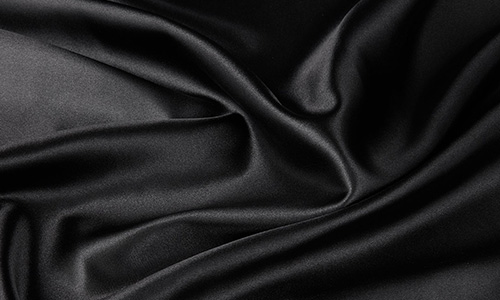
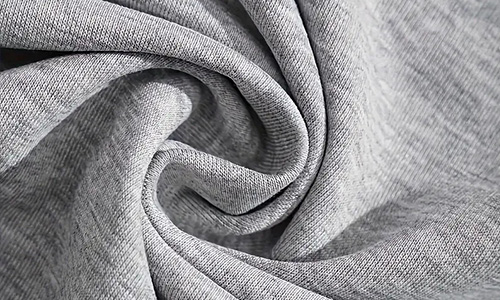
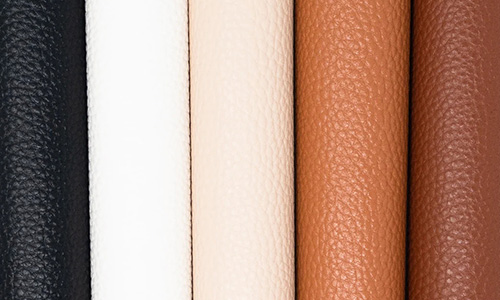
Twill/duck canvas, denim, nylon/poly, satin, fleece, leather/PU.

Choose Branding
Screen/DTF, embroidery/appliqué/chenille, emboss/laser (leather/PU).

Approve Color/Hand‑feel
Lab‑dips with ΔE target; wash/finish cards for vintage looks.
Shell Fabrics — Spec Cards
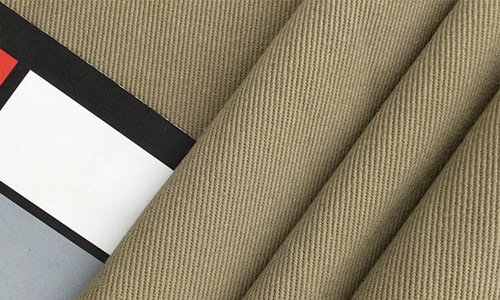
Twill / Duck Canvas
260–360 GSM | Best for work & utility jackets | Takes embroidery well | Vintage pigment/garment dye ready
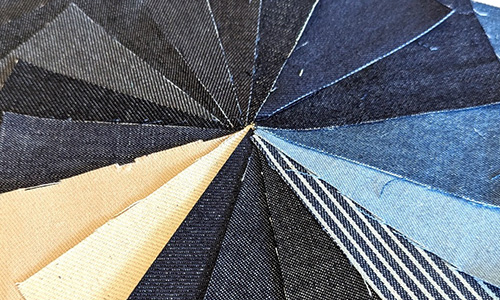
Twill / Duck Canvas
260–360 GSM | Best for work & utility jackets | Takes embroidery well | Vintage pigment/garment dye ready
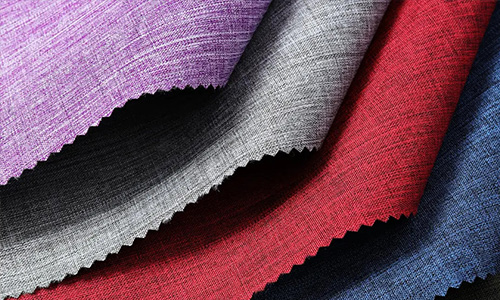
Twill / Duck Canvas
260–360 GSM | Best for work & utility jackets | Takes embroidery well | Vintage pigment/garment dye ready
Twill / Duck Canvas
260–360 GSM | Best for work & utility jackets | Takes embroidery well | Vintage pigment/garment dye ready
Twill / Duck Canvas
260–360 GSM | Best for work & utility jackets | Takes embroidery well | Vintage pigment/garment dye ready
Twill / Duck Canvas
260–360 GSM | Best for work & utility jackets | Takes embroidery well | Vintage pigment/garment dye ready
Linings & Insulation
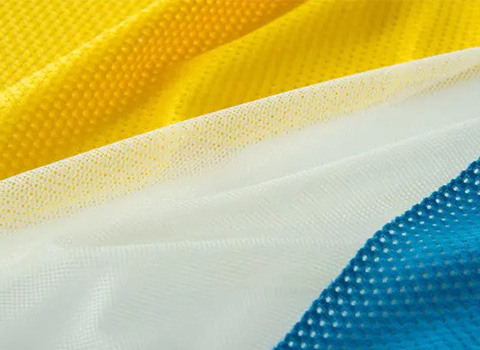
Taffeta / Tricot / Mesh
Common linings by season & budget
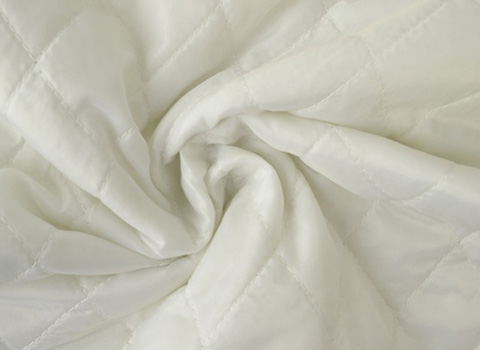
Quilted
80–120 GSM poly fill | Transitional weather
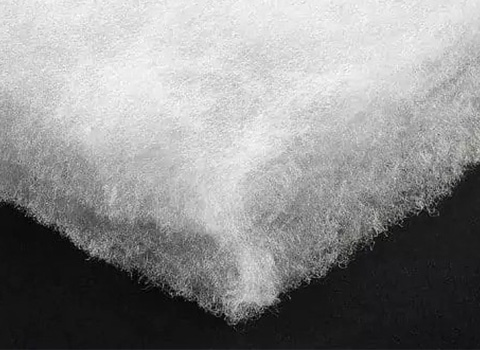
Down / Synthetic
Channel/box/wave baffles | Weight by climate
Printing & Transfers

Screen Print
Plastisol for bold colors on cotton/fleece; water‑based for soft hand on lighter fabrics.
- Cotton/Fleece
- Large Graphics

DTF / Heat‑Transfer
Sharp, full‑color branding on nylon/poly; use low‑temp adhesives for coated fabrics.
- Nylon/Poly
- Small MOQ

Digital & Specialty
DTG on cotton; reflective/puff prints for highlights; silicone/gel for raised effects.
- Effects
- Placement Maps
Printing Process — Videos
Sublimation Printing
Best for polyester white/light grounds.
Digital Printing
DTG/large‑format for gradients & photos.
Oval Machine Printing
Fast multi‑color automated carousel.
White Ink Underbase
Coverage on dark garments.
Full‑Color Print
CMYK or simulated process.
Flock Printing
Best for polyester white/light grounds.
Foam Printing
Durable Raised Print Effect.
Laser Print Technology
Sharp Details, Durable, Eco-Friendly – Hoodies, Tees, Activewear
Silicone / Gel
Glossy, high-build raised logos.
Embroidery, Appliqué & Chenille

Embroidery & Appliqué
Define stitch density and safe margins around seams/pockets/ribs; ideal for varsity, work and denim programs.

Chenille Letters/Numbers
Single or multi‑layer with felt backing; edge styles: chain, satin, zig‑zag. Placement map provided during PP.
Embroidery Techniques — Videos
Direct Embroidery
Satin/fill stitches for logos.
Appliqué / Tackle Twill
Felt or twill letters/numbers.
Chenille
Loop pile with felt backing; varsity style.
Chainstitch
Vintage script on denim/varsity.
3D Puff
Raised foam effect on caps/hoodies.
Toothbrush Embroidery
Soft 3D Raised Print.
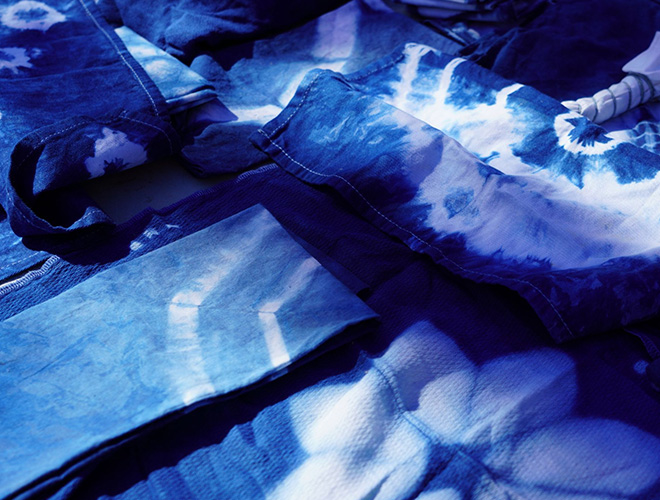
Washes & Garment Dyes
Functional Finishes
Fabric Labs & Finishing — Videos
Dye Lab
Lab‑dips & color recipe approval.
Singeing
Burn off fuzz before bulk dyeing.
Jet Dyeing
Even dye penetration.
Hydro‑extract & Open‑width
Dewater & slit tubular knits.
Stenter Heat‑Setting
Raised foam effect on caps/hoodies.
Compactor / Setting
Shrinkage & GSM control.
Raising / Sueding
Soft hand & warmth.
Shearing
Level the nap after raising.
Automatic Packing
Fold, wrap & label.
Fiber Comparison — Pros & Cons (Outerwear Focus)
| Fiber | Pros | Cons | Typical Use |
|---|---|---|---|
| Cotton | Natural hand; dyes well; breathable | Absorbs moisture; slower to dry | Twill, denim,canvas |
| Polyester | Durable; colorfast; quick-dry | Less breathable than cotton | Twill,denim, canvas |
| Nylon | Soft; abrasion-resistant; strong | Costlier than polyester | Twill, denim, canvas |
| Elastane | Stretch; shape retention (blends) | Costlier than polyester | Twill, denim, canvas |
| Leather/PU | Premium look; emboss/laser | Care needs; weight/cost | Racing/varsity sleeves |
Sustainability & Compliance

Material Sourcing
OEKO‑TEX options available on request; recycled yarns can be specified where appropriate. We provide lab notes and retain control swatches for 12 months.
Testing & Records
Color tolerance (ΔE) targets for lab‑dips; wash/adhesion tests on matched panels before bulk. Certification documents can be shared during onboarding.
FAQs — Custom Clothing Manufacturing
- Which printing method is best: screen printing, DTG, or DTF?Direct answer
Choose by artwork, quantity and fabric, not by preference. Screen printing is the cheapest per unit at volume and gives the most opaque, durable result on bold graphics. DTG is best for small runs and photographic detail on cotton, but ink cost per unit stays high. DTF handles fine full-colour work on cotton blends and synthetics, with a slightly raised film hand-feel. At VANRD the method is chosen after the fabric and artwork are fixed, because the same file can succeed on one and fail on another.
Side-by-side
The decision usually comes down to three questions: how many colours are in the artwork, how many pieces you are printing, and what the fabric is. Screen printing needs a screen per colour, so setup cost is high and unit cost falls with volume. DTG and DTF have almost no setup, which makes them viable at small quantities but more expensive per piece at scale.
Screen print DTG DTF Best quantity 100+ for 1–3 colours;
300+ for 4+ colours1–50 1–200 (viable to 500) Colours 1–6 spot colours Unlimited, photographic Unlimited, photographic Fabric Cotton, blends, polyester and nylon with matched ink Cotton-rich only Cotton, blends, synthetics Hand-feel Flat, opaque Soft, sinks into fabric Slight film, raised edge Durability Excellent, 50–100+ washes Good on cotton, 30–50 washes Good, 50–100 washes; can crack on high-stretch zones Setup cost One screen per colour None (per-piece pre-treatment) None Where each one fails
Screen printing fails on gradients and photographic work: you cannot separate a photo into six spot colours without losing it. It also struggles on high-stretch areas unless the ink system is matched to the fabric.
DTG fails on dark polyester and on heavily brushed surfaces, where the ink sits on the nap rather than in the fibre. DTF fails on high-stretch zones and on very textured surfaces, where the film edge lifts.
Field example
A Tokyo label needed a 12-colour photographic back print on 60 pieces. Screen printing would have needed 12 screens and a high setup cost for sixty units. VANRD produced it DTF at 60 pieces, then moved the best-selling design to a four-colour screen print at 600 pieces — same artwork, different economics at different volumes.
Numbers that matter
- Screen printing wins from about 100 pieces in 1–3 colours, and 300+ in four or more
- DTG suits 1–50 pieces; DTF stays competitive to roughly 500
- DTF is the practical route for polyester and blends where DTG struggles
- Screen ink is matched to the fibre — plastisol for cotton, low-bleed for polyester
- How can a brand achieve a consistent vintage washed effect?Direct answer
A repeatable vintage effect is a documented recipe plus a sealed standard. Write down the enzyme or stone dosage, cycle time, temperature, liquor ratio and drying route; approve a physical standard under D65 light; then hold each bulk lot to a stated colour tolerance and retain a swatch from every lot. Without that paper trail, “vintage” drifts between production runs and the reorder stops matching the first drop.
Why vintage drifts
Three variables move between lots: the base fabric's starting shade (dye lots differ), the machine load and liquor ratio, and the operator's judgement of when to stop. Any one of them changing by a small amount produces a visible difference after washing.
The fix is to freeze the variables you can control and measure the one you cannot. Record the base fabric dye lot, fix the machine load, and photograph nothing — measure with a spectrophotometer against the sealed standard.
Control point What to record Why it matters Base fabric Dye lot and starting shade Wash builds on the base colour Recipe Dosage, time, temperature, liquor ratio The only way to repeat the result Machine load kg per drum Load changes mechanical action Standard Sealed swatch under D65, Delta E tolerance Removes opinion from approval Retention Swatch per bulk lot, kept 12 months Settles disputes with evidence The commercial upside
Consistency is a reorder mechanism. A brand that can promise “same wash as last season” keeps selling the same style; a brand that cannot ends up re-shooting the collection every drop.
It also protects margin: wash rejections are usually discovered after the garment is sewn, so an unstable wash is the most expensive defect to fix.
Field example
A Berlin label's vintage hoodie changed visibly between two production runs, and the second drop photographed cooler than the first. VANRD rebuilt the programme with a written recipe, a sealed D65 standard and a per-lot retained swatch. The next three runs stayed within Delta E 0.8 of the standard.
Numbers that matter
- A sealed physical standard under D65 is the only reliable reference for a wash
- Delta E ≤ 1.0 is a practical tolerance band for garment-washed bulk lots
- Keep a retained swatch from every bulk lot for at least 12 months
- Machine load and liquor ratio change the result as much as chemical dosage
Related questions
- What is the difference between enzyme wash, acid wash, and vintage wash?
- How can brands keep hoodie fit, fabric weight, and wash effect consistent across reorders?
- How do you test garment shrinkage after washing?
- Does higher GSM always mean better fabric quality?
- Fabrics & Techniques: how VANRD sources and tests fabric
- What is the difference between enzyme wash, acid wash, and vintage wash?Direct answer
They are three different processes. Enzyme wash uses cellulase to break down surface fibres — softness and a slight fade, low risk. Acid wash uses chlorine-loaded pumice to strip indigo unevenly, producing the marbled contrast look, and it is the harshest of the three. Vintage wash is not a chemical but a recipe: enzyme plus stone or bleach steps tuned to a specific shade and hand-feel. At VANRD each wash is developed as a recorded recipe with a sealed standard, because “vintage” means nothing without a target swatch.
What each process does to the garment
Enzyme washing is a controlled bio-polishing step. It improves hand-feel and reduces pilling, with a small, even colour loss. It is the safest route for softness and the usual base for a vintage look.
Acid washing is a chemical and mechanical process: pumice stones carry chlorine onto the garment, stripping colour in patches. The result is high contrast and unmistakeable, but the fabric loses strength and the process needs careful neutralisation — an unrinsed garment will keep fading in the bag.
Vintage washing combines steps: enzyme for hand, stone for abrasion, and a measured bleach or tint step for shade. It is tuned by trial, which is why it needs a sealed standard approved under proper lighting.
Process Main effect Risk / control point Enzyme wash Soft hand, light even fade Low risk; check residual strength Acid wash High-contrast marble fade Chlorine neutralisation, fabric strength Vintage wash Tuned shade plus abrasion Recipe drift between lots; needs sealed standard Stone wash Mechanical abrasion Machine wear, dust, pumice residue Bleach wash Shade lift Over-bleaching, patchy result Approving a wash correctly
Approve under D65 light and on the final fabric, not on a flat sketch or a screen photo. Keep a sealed bulk standard and a written recipe with chemical dosage, cycle time, temperature and drying route.
One production detail worth specifying: wash lots vary. Approve a tolerance band (for example Delta E ≤ 1.0) rather than a single swatch, and state how many shades are acceptable across the run.
Field example
A Seoul label asked for a “90s vintage” hoodie and approved a photo. VANRD produced three physical variants — enzyme only, enzyme plus stone, and enzyme plus a light bleach step — and the brand chose the second. Because the recipe was written down with a sealed standard, the reorder landed within tolerance on the first bulk lot.
Numbers that matter
- Enzyme wash is the lowest-risk route for softness and pilling control
- Acid wash requires chlorine neutralisation and reduces fabric strength
- Vintage must be approved on a sealed physical standard, never a photo
- Set a shade tolerance band such as Delta E ≤ 1.0 across bulk lots
Related questions
- What happens if the delivered bulk order does not match the approved sample?
- How should brands approve denim wash effects before bulk production?
- Does higher GSM always mean better fabric quality?
- What GSM is best for a premium heavyweight hoodie?
- Fabrics & Techniques: how VANRD sources and tests fabric
- How can brands reduce shrinkage in cotton garments?Direct answer
Shrinkage is reduced in three places, not one. Buy fabric that has been compacted or pre-shrunk, measure the real shrinkage with a wash test on the actual bulk fabric, and build the allowance into the pattern and grade. Untreated cotton knit can lose 3–5% in length on the first wash; compacted cotton with a controlled finishing route typically holds to 1–3%. At VANRD the wash test is run before bulk approval, and the size set is measured again after it.
Where the shrinkage actually comes from
Cotton knit is held under tension through knitting, dyeing and finishing. When the garment is washed, that tension releases and the loops relax — mostly in length, less in width. The amount depends on yarn twist, loop length, and whether the mill compacted the fabric before cutting.
Garment washing adds a second, deliberate shrinkage step. That is why garment-dyed and washed styles should be cut with a larger allowance than piece-dyed styles.
Fabric route Typical length shrinkage What to do Untreated cotton knit 3–5% Pre-shrink, or add allowance Compacted cotton knit 1–3% Measure and allow Garment washed / dyed 2–5% on top Cut after wash trials Cotton-poly blend 1–2% Still verify, do not assume The test that settles arguments
Cut a 50 × 50 cm square from the bulk fabric, mark a 40 cm reference in both directions, wash at the temperature the care label will state, dry the way the customer will dry, then measure again. Repeat three times. The stabilised figure after the third wash is the number to build into the pattern.
Write the result into the tech pack. Without it, the factory cuts to nominal measurements and the customer discovers the shrinkage on their first wash.
Field example
A UK brand had a 100% cotton hoodie returning as “one size short” after washing. VANRD ran a three-cycle wash test on the bulk fabric, found 4.2% length shrinkage, rebuilt the pattern with that allowance and moved the fabric to a compacted finish. The reworked size set measured inside tolerance after three washes.
Numbers that matter
- Untreated cotton knit: 3–5% length shrinkage typical
- Compacted cotton: 1–3% after stabilisation
- Measure after three wash cycles, not one — the third is the stable number
- Cut pattern allowance from measured shrinkage, not from a supplier estimate
Related questions
- How does fabric choice affect the drape and oversized fit of a garment?Direct answer
Fabric decides whether an oversized garment reads as structured or slouchy. A 450 GSM loopback keeps a boxy, off-body line; a 280 GSM terry falls close to the body and loses the shoulder. For a structured oversized brief, specify 400–500 GSM French terry or double-face, cut the pattern for the measured shrinkage, and lock the fabric before grading — changing fabric after fit approval is what turns an oversized garment into a merely large one.
Weight, structure and the shoulder line
A knit's drape comes from three things: mass per square metre, loop structure and the finishing route. Heavier loopback stands away from the body; brushed fleece is softer and drapes closer even at the same weight. A compacted finish adds stability; a garment wash relaxes the fabric and softens the line.
The practical consequence: if the reference photo shows a shoulder that stands out horizontally, the fabric is almost certainly 400 GSM or above. Trying to reach that silhouette on 300 GSM requires interfacing and structure panels, which changes the hand-feel entirely.
Fabric Typical weight Result on an oversized block Light loopback 280–320 GSM Soft drape, sits close, shoulder drops Mid French terry 340–380 GSM Balanced, some structure, holds shape Heavy loopback 400–500 GSM Boxy, off-body, crisp shoulder line Brushed fleece 380–450 GSM Warm and plush, softer silhouette Double-face / bonded 500 GSM+ Structural, almost outerwear Cut for the shrinkage, not for the sample
An oversized pattern is unforgiving about shrinkage. If the fabric shrinks 4% in length and the pattern was cut to the finished measurement, an 72 cm body becomes 69 cm after the first wash — and the drop shoulder moves up at the same time.
The fix is procedural: measure shrinkage on the actual bulk fabric, add the allowance into the pattern, and re-check the size set after one wash cycle. At VANRD the size set is measured again after wash before bulk approval for exactly this reason.
Field example
A Los Angeles label wanted a boxy 68 cm body with a strong horizontal shoulder. Their first sample was built on 320 GSM terry and collapsed at the shoulder. VANRD rebuilt the block on 430 GSM loopback, added 3% length allowance for measured shrinkage, and the approved sample held its line after the wash test.
Numbers that matter
- 400–500 GSM is the working range for a structured oversized hoodie
- A 4% length shrinkage on a 72 cm body is roughly 3 cm lost after washing
- Re-measure the size set after one wash before bulk approval
- Changing fabric after fit approval invalidates both the fit and the grade
- Can a manufacturer source fabric from a reference sample or swatch?Direct answer
Yes — most factories can source against a physical swatch. There are three routes: stock fabric already in the mill's range (fastest, cheapest), an existing mill quality re-dyed to your shade (needs a lab dip and a dye-lot minimum), or a custom knit and dye run when the construction itself is unusual. At VANRD we quote the route before sampling, because the route decides both the MOQ and whether your colour can be repeated exactly on the reorder.
The three sourcing routes and what they cost you
A swatch is a physical claim: weight, composition, knit structure and shade. The factory's job is to find the closest construction first, then match the shade second — doing it in the other order is how brands end up with the right colour on the wrong hand-feel.
Stock fabric is the fastest route but the shade range is fixed. Re-dyeing an existing quality gives you the colour you want at the cost of a dye-lot minimum per colour. A custom knit is only justified when the construction is genuinely new to the mill.
Route Typical lead time What it needs from you Stock fabric 3–7 days to swatch Accept one of the mill's shades Existing quality, re-dyed 10–20 days incl. lab dip Pantone or physical shade, dye-lot quantity Custom knit and dye 25–45 days Construction spec, GSM tolerance, volume commitment What to demand before you approve
Ask for the mill quality code, a lab dip approved under D65 lighting (not office lighting), and a spec sheet stating GSM with a ±5% tolerance, composition and shrinkage. Then keep a sealed bulk swatch from each dye lot.
This matters at reorder stage: a re-dye that lands half a shade off is the most common reason a second run sells worse than the first.
Field example
A Dutch brand sent VANRD a 380 GSM loopback swatch in a washed sage green. The construction matched an existing mill quality, so the route was re-dye rather than custom knit. Lab dip was approved in nine days, the dye-lot minimum was 300 kg, and the bulk shade stayed inside a Delta E of 1.0 against the approved dip across two reorders.
Numbers that matter
- Lab dip approval typically takes 7–10 days including shipping
- A ±5% GSM tolerance is normal; hold the mill to a written spec sheet
- Sealed bulk swatch per dye lot is what protects you at reorder
- Custom knit and dye is only justified when the construction is new to the mill
Related questions
Request a Custom Apparel Quote
- FOR You
- *Full Name
- *Phone