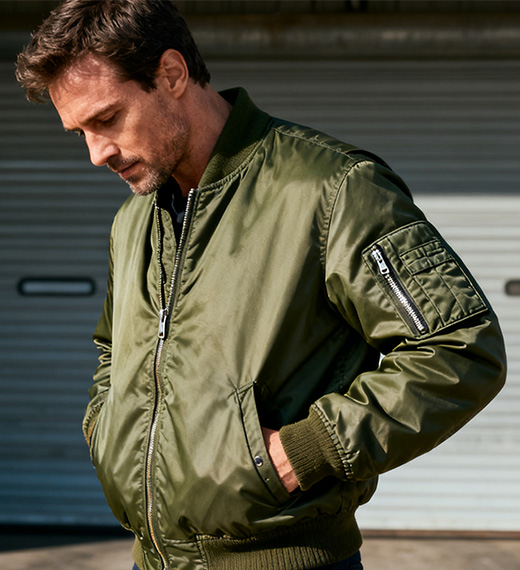
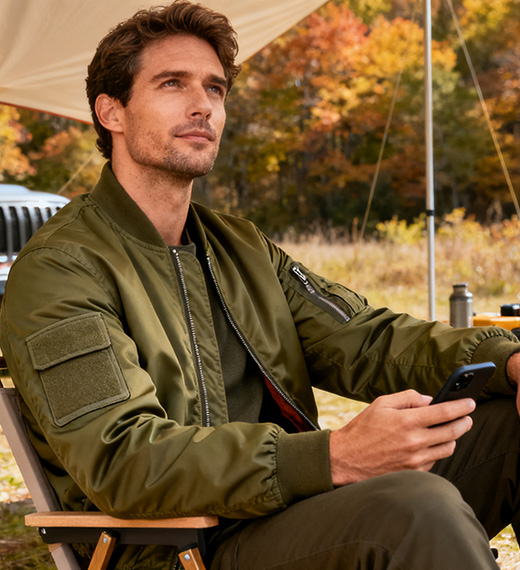
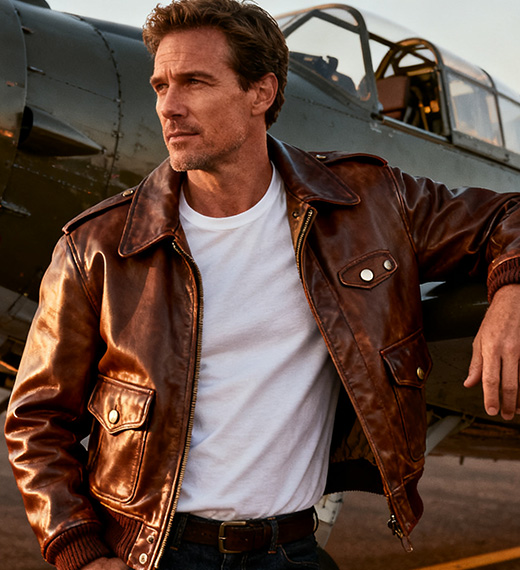
- MOQ 100+

- Samples 7–10 days

- OEM/ODM



(Review designs, tech packs, or reference images.)

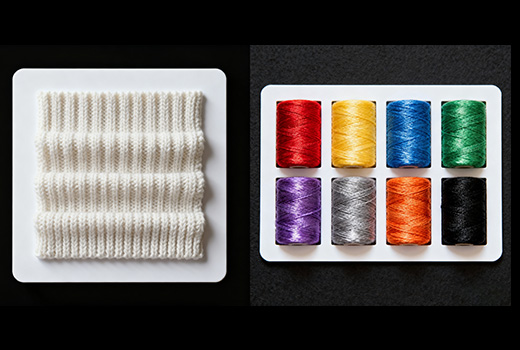
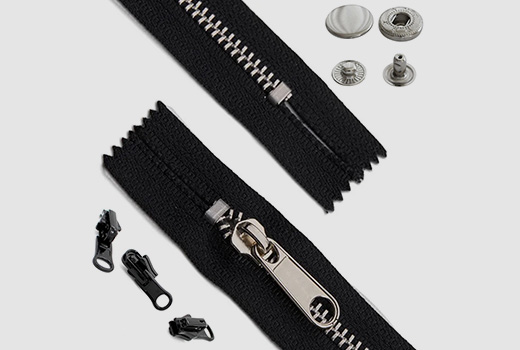
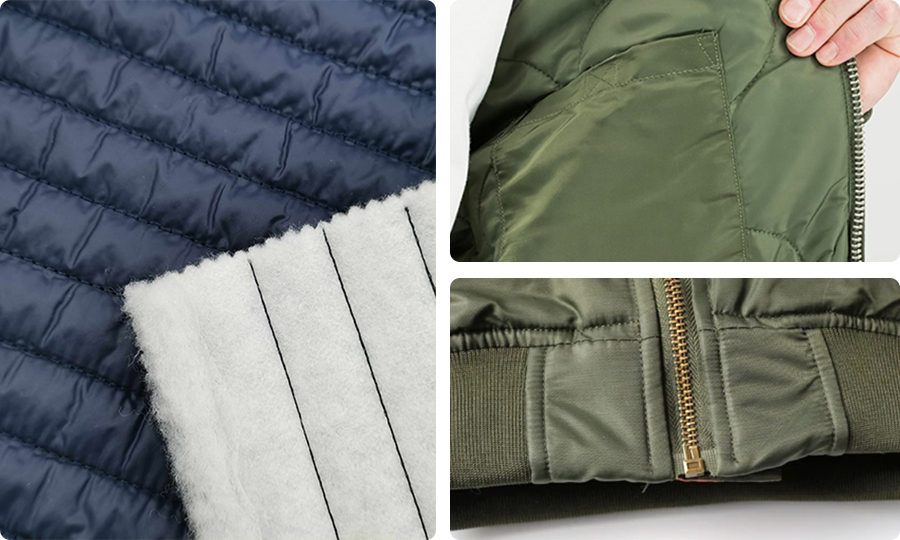
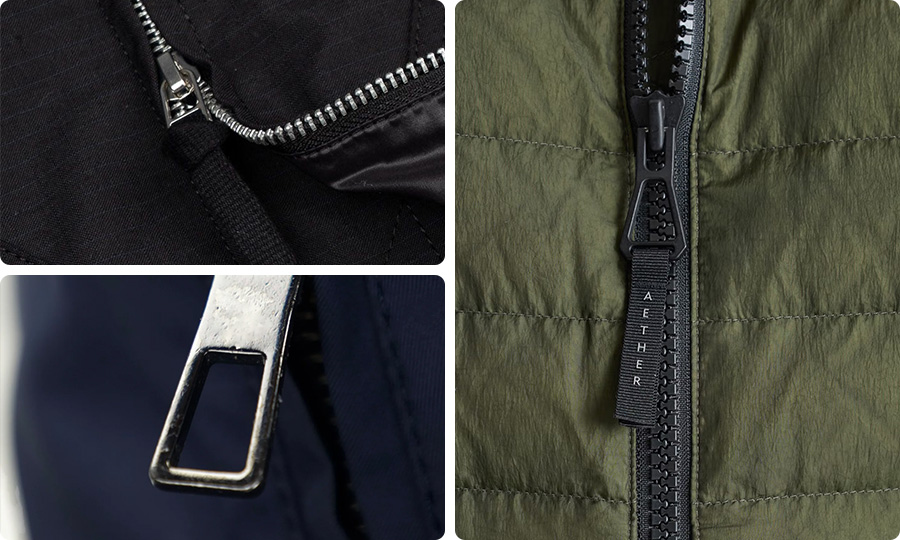
(Select fabrics, linings, ribbing, and zippers.)

(Create patterns based on your desired fit.)

(Develop the first sample for review.)

(Adjust fit, fabrics, and design details.)

(Confirm the final sample before production.)

(Manufacture jackets with quality inspections.)

(Complete packaging and arrange shipment.)
Brands should check whether the bomber jacket manufacturer has real experience with structured outerwear, flight jackets, MA-1 bomber jackets, streetwear jackets, private label production, and bulk quality control. Bomber jackets may look simple, but the final product depends on shell fabric, lining, rib collar, rib cuffs, rib hem, zipper quality, sleeve pocket, body proportion, logo placement, labels, and packing.
Before starting development, brands should confirm the manufacturer’s fabric options, sample process, MOQ, customization ability, logo techniques, fit development support, and quality control standards. A reliable bomber jacket manufacturer should help review your design, recommend suitable materials, control fit and measurements, test trims, and reduce bulk production risks before shipment.
This is especially important for growing brands testing a first outerwear drop, designers developing a new silhouette, established brands planning repeat production, and influencers or KOL brands launching limited-edition merch.
For custom bomber and flight jackets, brands should normally plan around 100 pieces per color and per style. This quantity helps support fabric booking, size range planning, trim preparation, branding setup, and stable bulk production. For first cooperation or development projects, the final MOQ may depend on fabric availability, color quantity, lining, rib trims, logo method, and construction complexity.
Sample development usually takes around 7–10 days after the shell fabric, lining, fit block, branding details, and main trims are confirmed. Bulk production time depends on order quantity, fabric booking, reversible construction, embroidery or patch complexity, and final sample approval.
Growing brands should start with a focused design and clear quantity plan. Designers should confirm artwork and fit details early. Established brands should share expected repeat order plans. Influencers and KOL brands should prepare their launch date, target quantity, artwork, and packaging direction before requesting a quote.
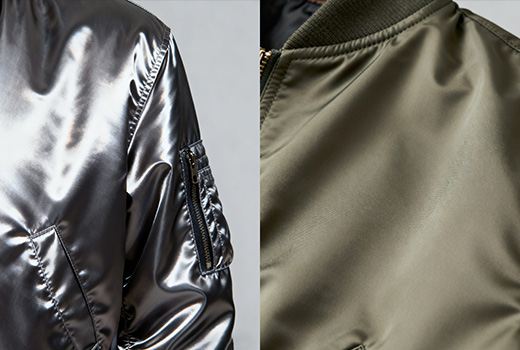
The best materials for custom bomber and flight jackets depend on the target style, season, price level, and brand positioning. Nylon and polyester satin are common choices for MA-1 bomber jackets because they create a classic flight jacket look with a smooth surface. Taslan and ripstop can create a more technical or outdoor-inspired feel. Cotton twill can give a matte streetwear look, while PU or leather options are suitable for more premium aviator-inspired styles.
Lining also affects comfort, warmth, and market positioning. Lightweight lining is suitable for spring bomber jackets, quilted lining can add warmth and structure, and reversible lining can create two wearable looks in one jacket. For MA-1 styles, rib collar, rib cuffs, rib hem, zipper quality, sleeve utility pocket, snap pockets, and inner pocket construction are also important details.
Brands should choose materials based on the final use. Streetwear brands may focus on silhouette and handfeel, designers may focus on fabric texture and proportion, established brands may care more about repeat consistency, and influencer brands may prioritize visual impact and premium finishing.
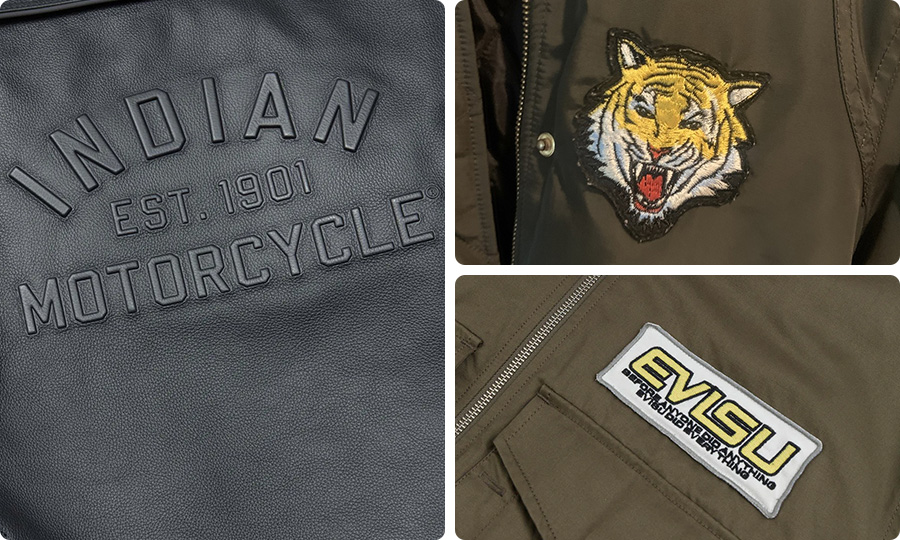
Yes. Bomber jackets can be customized with embroidery, appliqué patches, woven patches, rubber patches, chenille-style badges, screen printing, DTF or heat transfer logos, sleeve utility pockets, custom zipper pullers, reversible lining, custom neck labels, care labels, size labels, hangtags, polybags, and printed cartons.
For MA-1 and flight jacket styles, common customization areas include the chest, back, sleeve pocket, collar area, lining, hem label, and inside label position. Reversible bomber jackets need extra planning because both sides must look clean, and labels, seams, zippers, and logo placement should work on both faces.
Because bomber jackets often use satin, nylon, coated fabrics, or quilted linings, logo technique should be tested during sampling. Brands should confirm artwork size, patch material, thread color, logo placement, lining color, zipper quality, and sample approval before bulk production to avoid poor placement, weak adhesion, uneven embroidery, or inconsistent branding.
Quality control for custom bomber jacket production starts with an approved sample. Before bulk production, the shell fabric, lining, rib collar, rib cuffs, rib hem, zipper, sleeve pocket, body length, sleeve length, shoulder width, logo placement, labels, and packaging requirements should all be confirmed.
During production, QC should check fabric defects, cutting accuracy, stitching quality, seam strength, zipper function, rib trim recovery, lining attachment, sleeve pocket construction, embroidery or patch placement, size grading, measurement tolerance, and overall garment shape. For reversible bomber jackets, both sides need to be checked for clean finishing, balanced appearance, and correct label placement.
Before shipment, finished jackets should be compared with the approved sample and production specifications. This helps reduce bulk defects, inconsistent sizing, zipper issues, weak rib trims, poor lining construction, crooked logos, and branding mistakes across first orders and repeat orders.
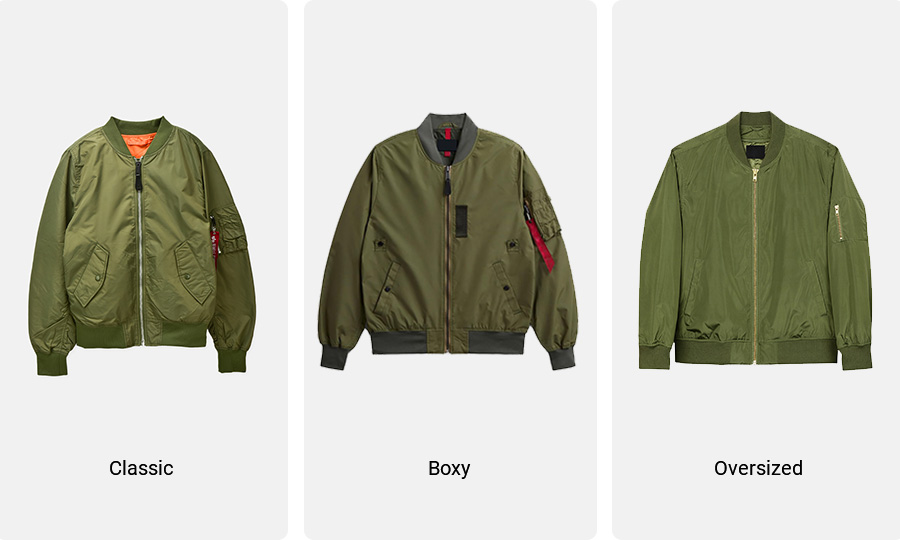
Bomber jackets should be developed differently depending on the target customer, selling channel, and brand positioning. Streetwear bomber jackets often focus on oversized or boxy fit, cropped proportions, satin or nylon shells, bold embroidery, appliqué patches, utility sleeve pockets, and strong visual identity.
Fashion bomber jackets may focus more on silhouette, fabric texture, drape, color, lining, and premium finishing. Corporate or team bomber jackets usually need stable sizing, practical colors, durable zippers, simple branding, controlled cost, and repeatable production. Influencer and KOL bomber jackets may focus on limited-edition appeal, bold back graphics, sleeve details, premium labels, hangtags, and launch-ready packaging.
Before sampling, brands should explain whether the bomber jacket is for streetwear retail, fashion collections, corporate programs, event merchandise, creator drops, or private label outerwear. This helps the manufacturer recommend the right shell fabric, lining, rib trims, fit block, logo technique, and production plan.