- MOQ 100+

- Samples 7–10 days

- OEM/ODM


(use case, target retail, margin)

(flight satin vs Taslan vs leather)

(classic/boxy/oversized)


(shade bands if garment dye)

(zipper cycle/snap pull tests)

Custom jackets usually take longer than basic apparel because they involve more materials and construction steps. A jacket may include shell fabric, lining, padding, rib, zipper, snaps, pockets, collar shape, sleeve construction, embroidery, patches, appliqué, washing, or special finishing. Each detail must be tested during sampling and controlled during bulk production. Jackets also require more measurement checks because shoulder width, sleeve length, body length, chest, hem, armhole, and lining fit all affect the final wearing experience. For streetwear brands, rushing jacket sampling can lead to poor fit, uneven trims, weak hardware, incorrect artwork placement, or bulk inconsistency.Streetwear brands should not reorder pants or sweatpants with the same size ratio automatically. A smarter reorder should be based on actual sell-through data. If sizes M, L, and XL sold faster than XS or XXL, the reorder ratio should change. If one color sold slowly, it should not receive the same quantity again. Brands should also review return reasons, customer feedback, fit comments, wholesale demand, and seasonality. For example, heavyweight fleece sweatpants may perform better before fall and winter, while lightweight nylon or track pants may perform better in warmer seasons. Reorder planning should protect both inventory efficiency and customer demand.
Quality control for custom jacket production starts before bulk manufacturing. The approved sample, fabric quality, trims, measurements, logo placement, stitching details, labels, and packaging requirements should all be confirmed clearly before production begins.
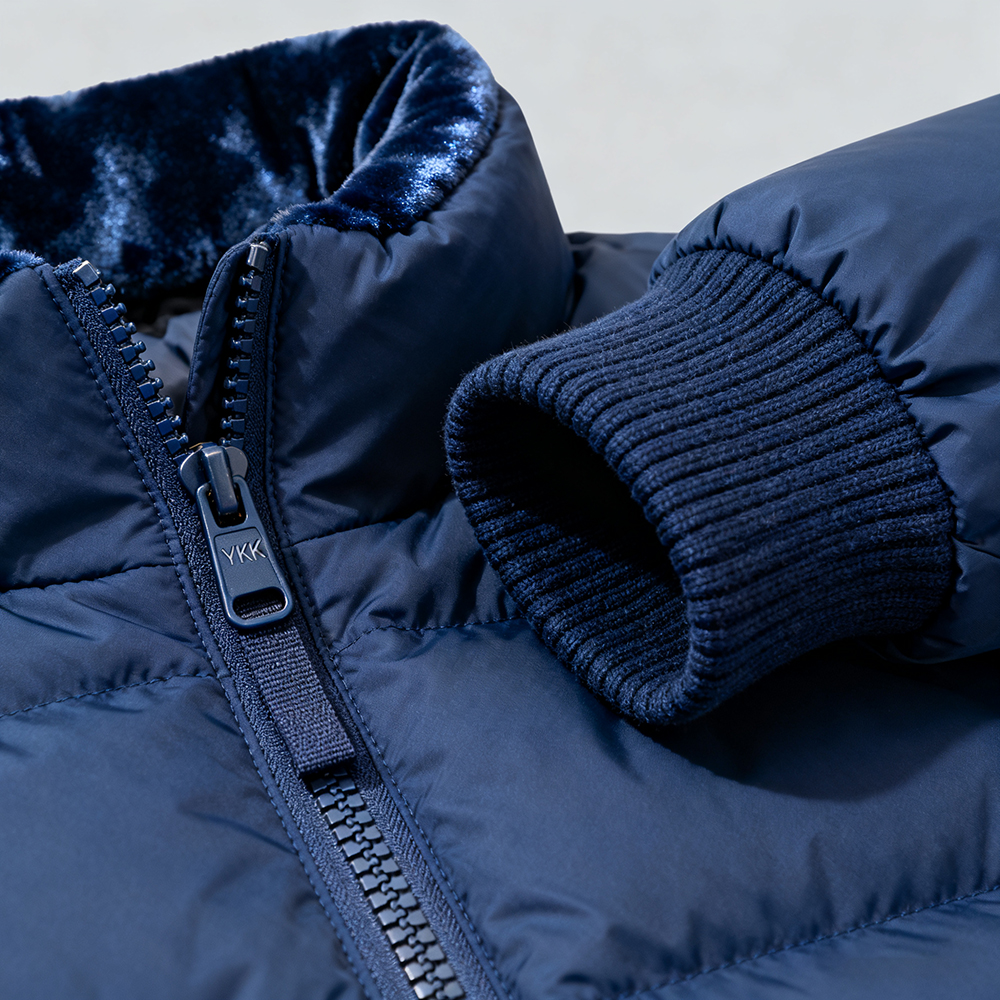
During production, quality checks usually cover fabric inspection, cutting accuracy, sewing workmanship, seam strength, zipper function, button or snap quality, embroidery or patch placement, lining construction, measurement tolerance, size grading, and overall garment appearance. For jackets, extra attention is needed because structure, shoulder shape, sleeve length, body length, pockets, cuffs, hem, and lining fit can strongly affect the final wearing experience.
Before shipment, finished jackets should be checked against the approved sample and order specifications. This helps brands reduce bulk defects, avoid inconsistent sizing, and keep production quality stable across first orders and repeat orders.
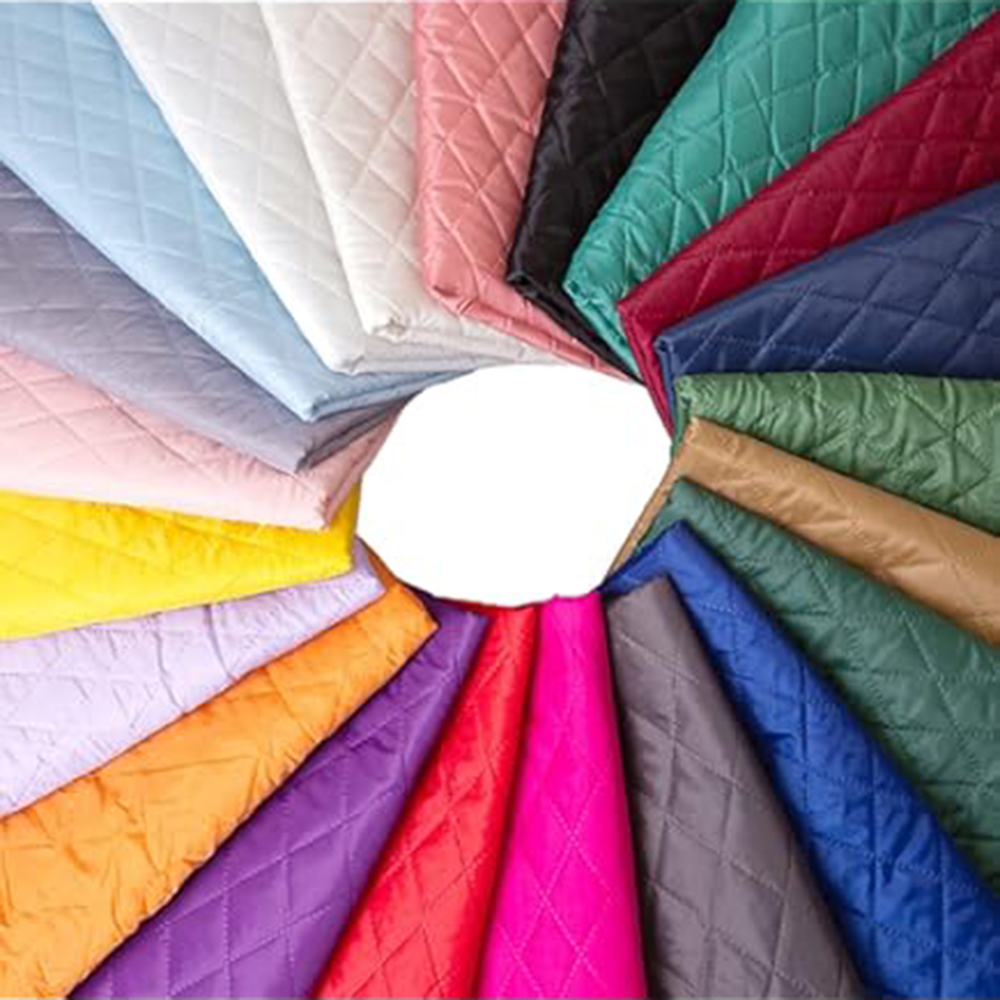
To keep puffer jacket thickness consistent in bulk production, the approved sample must clearly define the filling type, filling weight, quilting layout, baffle size, shell fabric, lining, garment measurements, and final appearance after packing. These details should be confirmed before bulk production instead of being adjusted during production.
During manufacturing, the factory should check whether the filling is evenly distributed, whether quilting lines are stable, whether each panel has the correct thickness, and whether the jacket shape matches the approved sample. QC should also check sleeve thickness, body volume, shoulder shape, hem balance, and overall garment loft.
Packing is also important. If puffer jackets are compressed too much, the final appearance may look flatter than expected. Brands should confirm the packing method, folding standard, and recovery effect before shipment to avoid bulk jackets looking uneven or underfilled.
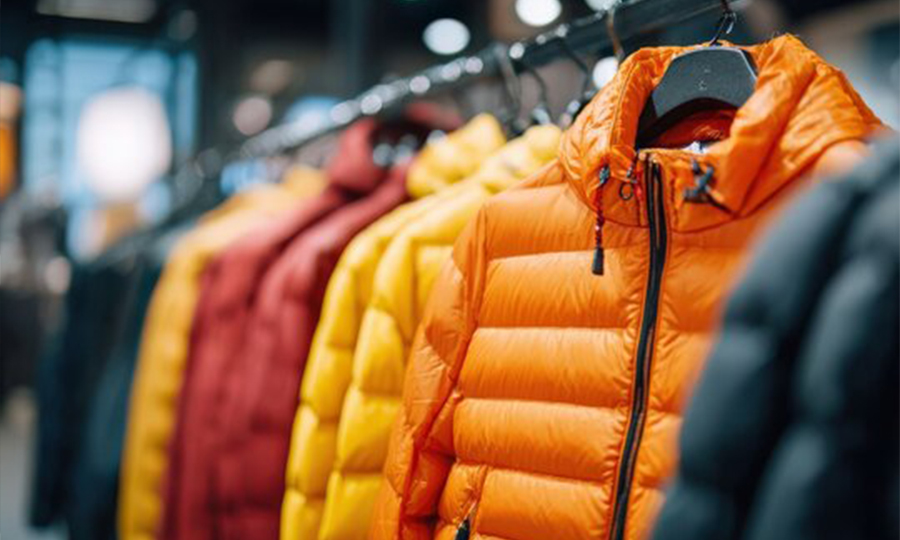
Puffer jacket MOQ depends on more than the garment style. Shell fabric, lining, insulation type, filling weight, quilting pattern, zipper quality, trims, color, logo method, size range, and packaging requirements can all affect the final minimum order quantity.
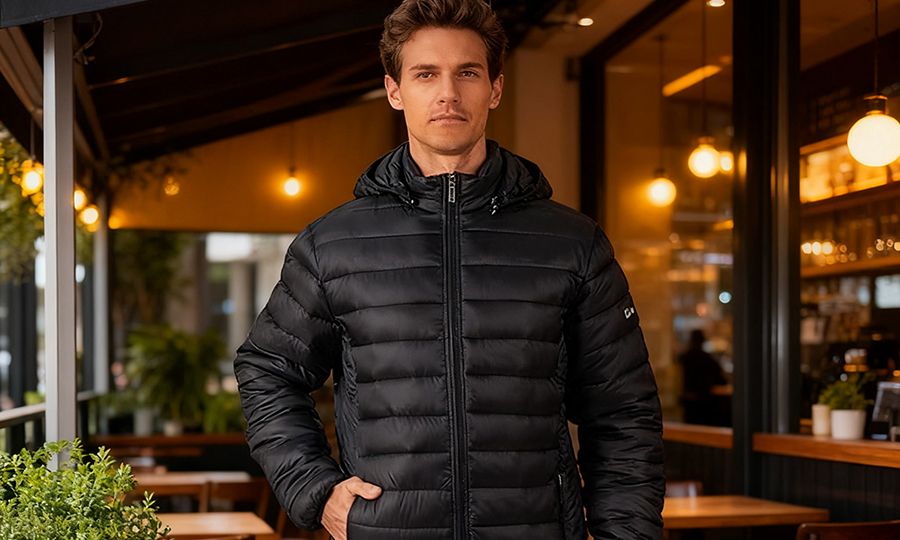
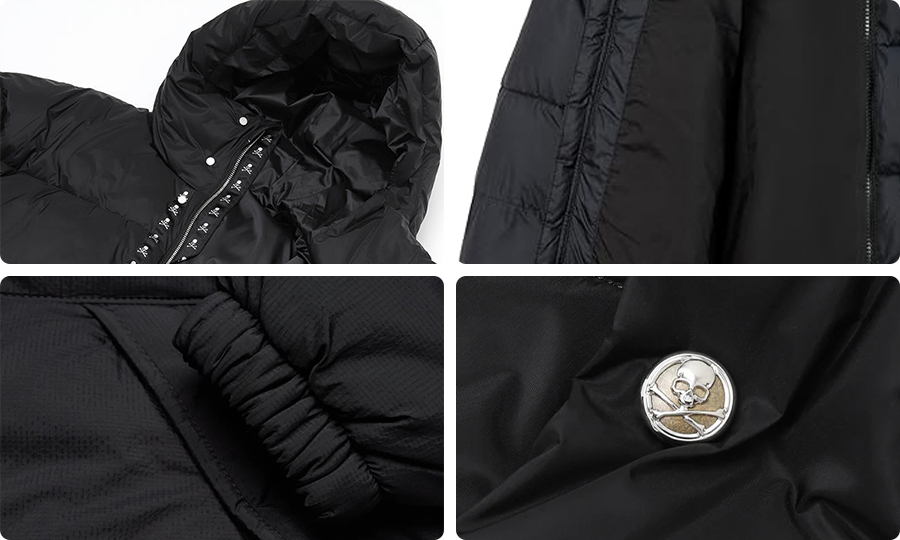
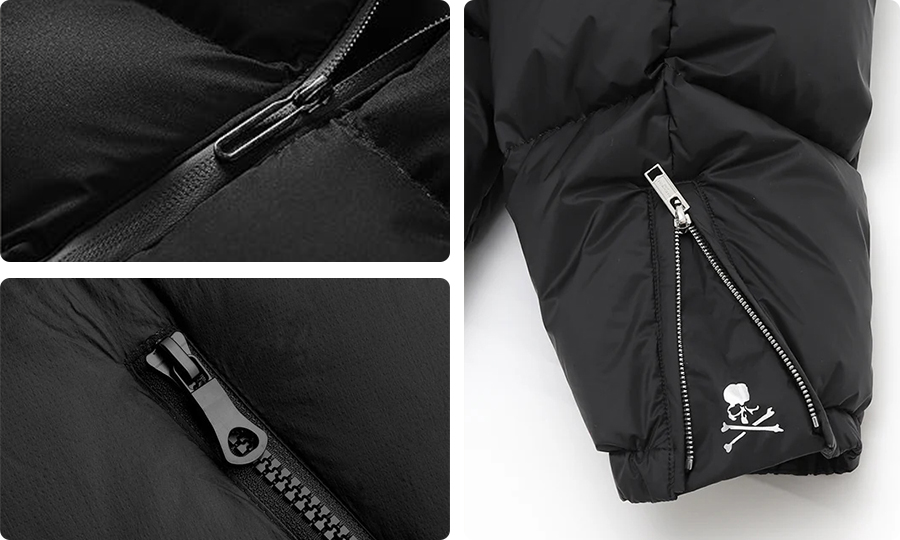
For example, a simple black puffer jacket with available shell fabric and standard synthetic padding is usually easier to arrange than a multi-color design with custom fabric, special quilting, branded zipper pullers, rubber patches, and custom packaging. Different materials and trims may also have their own supplier minimums.
Brands should share the target quantity, color plan, size range, design details, and expected launch timeline early. This helps the manufacturer check material availability, production setup, sampling cost, and whether the project is suitable for first-order development or larger bulk production.
Common mistakes in custom puffer jacket development include choosing shell fabric without checking handfeel, ignoring filling thickness, using weak zippers, placing logos on unstable padded areas, skipping fit comments after sampling, and confirming bulk production before the jacket structure is fully approved.
Brands should also avoid vague instructions such as “make it warmer,” “make it puffier,” or “make it more oversized” without clear measurements, filling direction, reference samples, and target market details. Puffer jackets are more complex than basic apparel because fabric, lining, padding, quilting, sleeve shape, shoulder width, body length, and packing method all affect the final result.
Before production, brands should confirm the sample fit, thickness, logo placement, trim quality, size range, color, packaging, and QC standard. This helps reduce sampling mistakes and improves bulk production consistency.
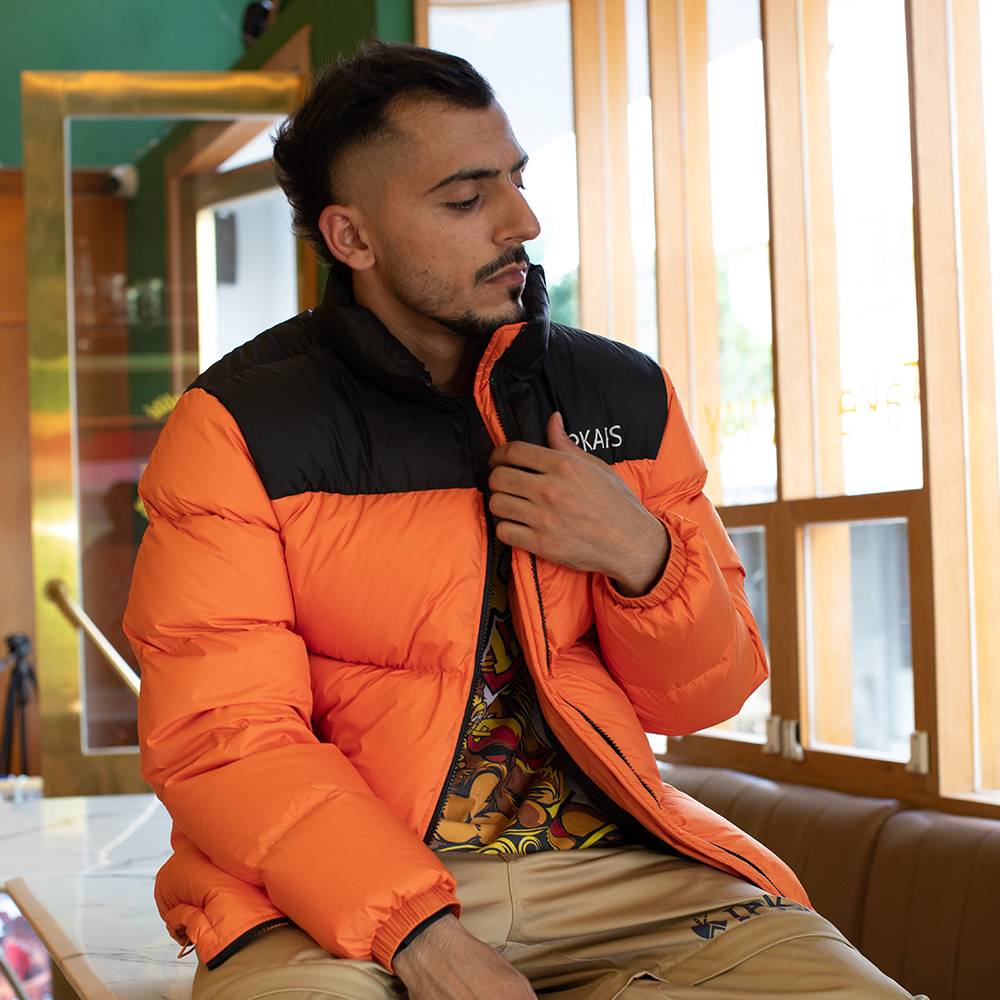
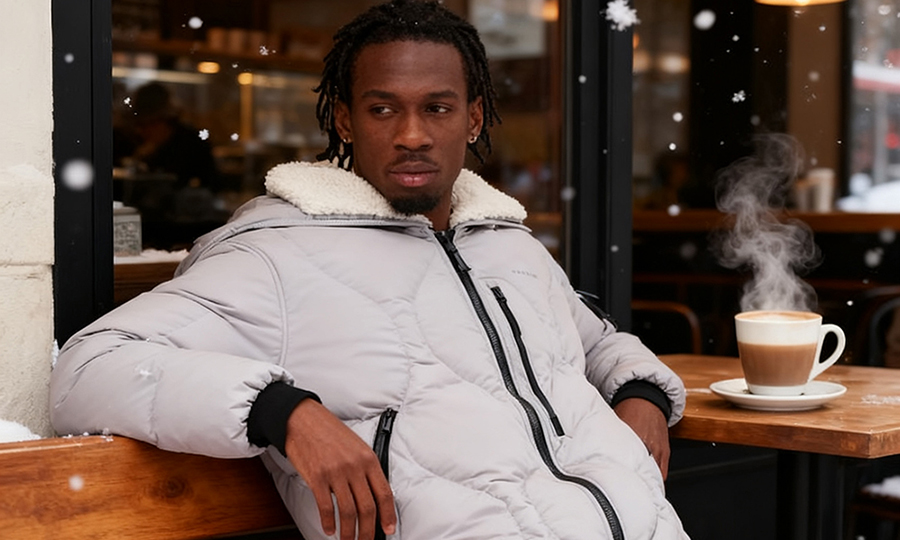
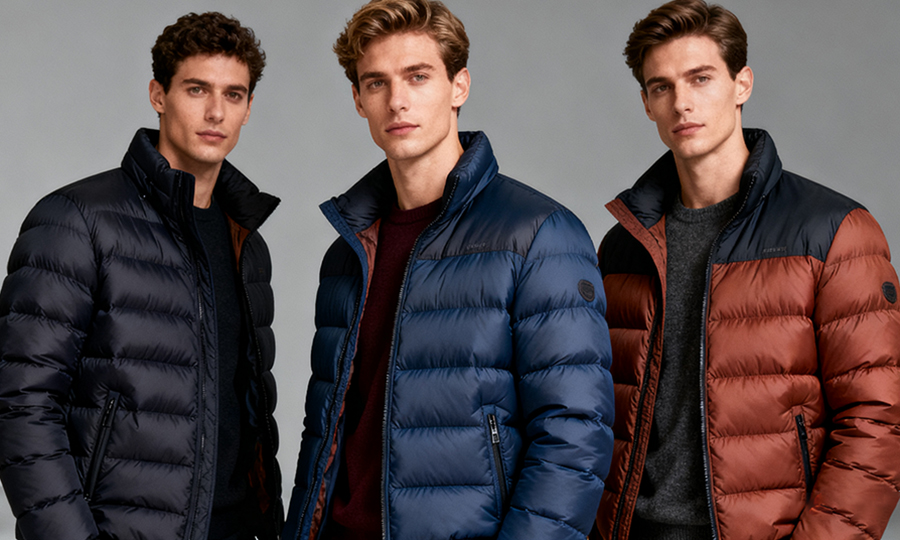
Yes. Puffer jackets should be developed differently depending on the target use, customer group, selling channel, and brand positioning. A streetwear puffer jacket may focus on oversized fit, matte shell fabric, bold quilting, cropped or boxy shape, logo patches, custom lining, and strong visual identity.
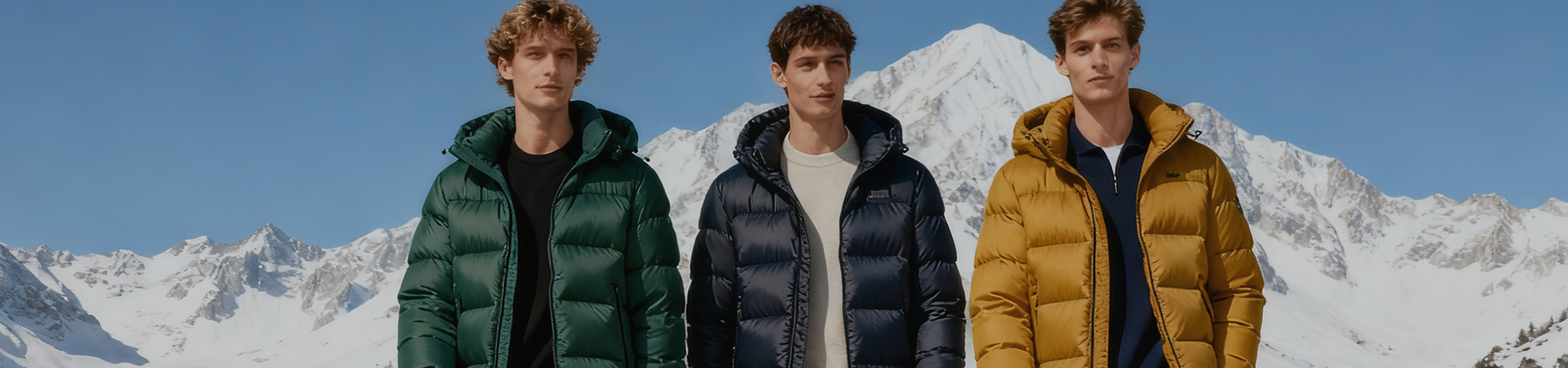
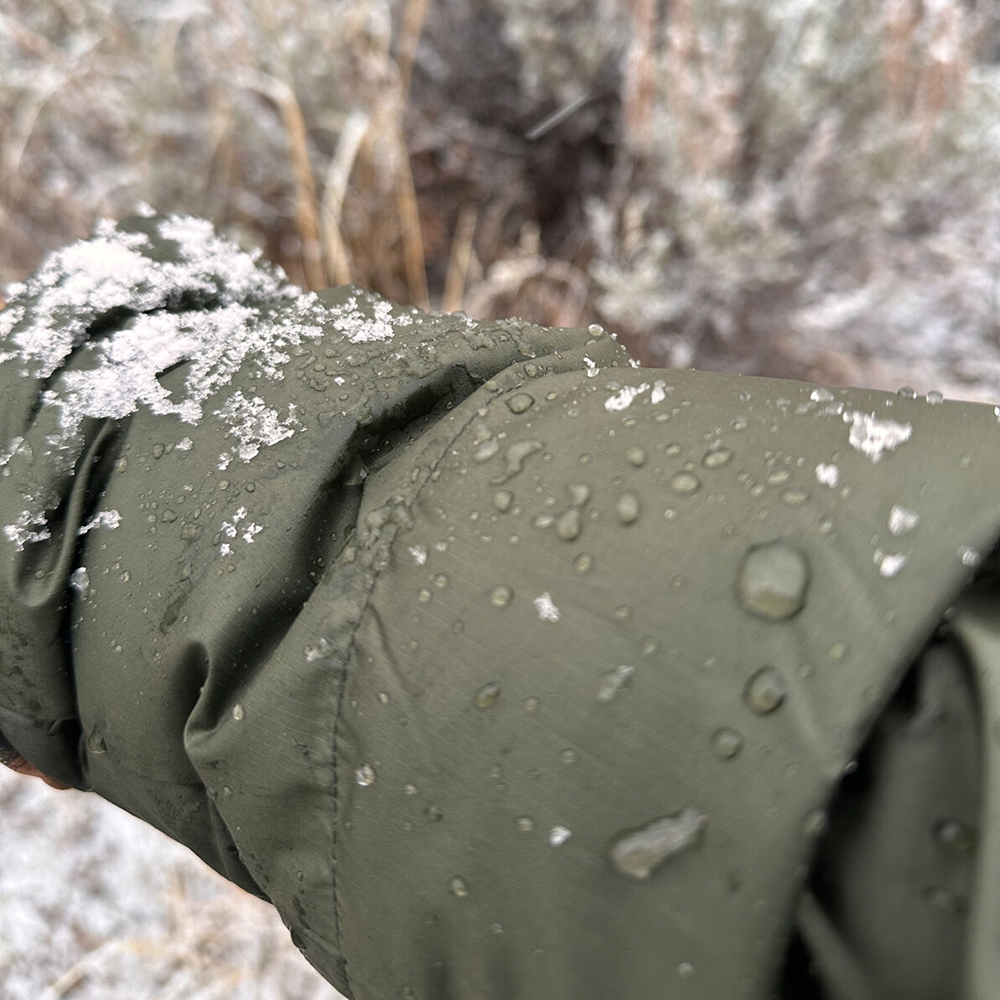
An outdoor puffer jacket may require more attention to warmth, water resistance, wind resistance, hood structure, lightweight fabric, durable zippers, pocket function, and practical trims. A corporate or team puffer jacket usually needs cleaner branding, stable sizing, practical colors, durable construction, controlled cost, and reliable repeat production.
Before sample development, brands should explain whether the jacket is for streetwear, outdoor use, uniforms, retail collections, winter campaigns, or private label programs. This helps the manufacturer recommend suitable shell fabric, insulation, quilting, fit, branding method, and production plan.