Private Label Hoodie Manufacturing: A Complete Guide for Fashion Brands
How Fashion Brands Build Private Label Hoodies From Sample to Bulk Production
Building a private label hoodie collection involves far more than placing your logo on a blank sweatshirt. Fabric weight, fit, hood construction, rib quality, artwork technique, washing, labels, packaging, sampling and bulk consistency all shape how customers experience your brand. This guide explains how fashion and streetwear brands can move from an initial hoodie idea to a production-ready product and choose the right private label hoodie manufacturer for long-term growth.
Quick Answer:
A private label hoodie manufacturer helps clothing brands develop and produce hoodies under their own brand identity. Depending on the manufacturing model, this may include pattern development, fabric sourcing, sampling, printing, embroidery, custom labels, hangtags, packaging, bulk production and quality control. The strongest manufacturer is not simply the one offering the lowest unit price. It is the one that can repeatedly reproduce the approved fabric, fit, color, artwork and construction as your hoodie program grows.
Turn sketches, references and tech packs into production-ready hoodie specifications.
Develop neck labels, care labels, hangtags, artwork, trims and retail-ready packaging.
Control fabric, measurements, decoration and workmanship from sample through future reorders.
What Is Private Label Hoodie Manufacturing?
Private label hoodie manufacturing means producing hoodies that are sold under your own brand rather than the manufacturer's name. Your customer sees your garment, your label, your packaging and your product identity.
But there is an important distinction. A serious private label hoodie program is not necessarily a generic hoodie with a different neck label. Brands can control the fabric, color, silhouette, measurement specifications, ribbing, hood shape, pocket construction, printing, embroidery, washing, trims, labels and packaging.
That is why choosing a custom hoodie manufacturer should be viewed as a product-development decision rather than a simple purchasing decision.
Think of the manufacturer as the engine underneath your product. Customers rarely see it, but if the engine is inconsistent, everything above it eventually suffers. One production problem can become a sizing complaint, a cracked print, a returned order or a delayed collection launch.
For brands planning more than a one-off merchandise drop, the goal is therefore not only to manufacture a good first hoodie. The real goal is to build a specification that can be manufactured again and again.
Private Label vs White Label vs OEM vs ODM Hoodies
These terms are often mixed together online, yet they can represent very different development paths. Understanding them early helps your brand communicate clearly with potential suppliers.
| Manufacturing Model | Typical Product Control | Best Suited For | Development Level |
|---|---|---|---|
| White Label | Existing product with limited branding changes | Fast merch programs or simple market testing | Low |
| Private Label | Brand labels, packaging, colors, artwork and selected product details | Fashion brands building branded product lines | Medium |
| OEM | Manufactured from the brand's tech pack or detailed specifications | Brands with established designs and product teams | High |
| ODM | Manufacturer supports product development from concepts or references | Brands needing technical or development assistance | Medium to High |
Many brands eventually use a combination of these models. A core hoodie might begin from an existing fit block but use custom fleece, a modified hood, new measurements, embroidered branding and private label packaging. Another collection may require full OEM development from a detailed tech pack.
If you are deciding which route fits your project, review how OEM and ODM apparel manufacturing differ before starting sampling.
Step 1: Define Your Hoodie Product Positioning Before Manufacturing
Before discussing fabric GSM or embroidery stitches, answer a simpler question: what kind of hoodie are you actually trying to sell?
A hoodie positioned as a $45 merch item should not automatically follow the same development logic as a heavyweight premium streetwear hoodie retailing at $150. The target consumer, selling price, season, distribution channel and brand aesthetic influence nearly every manufacturing decision that follows.
Define the Wearing Experience
Ask how the garment should feel when someone first puts it on. Should it feel dense and structured? Relaxed and soft? Vintage and broken-in? Lightweight enough for layering? Oversized and architectural?
These descriptions may sound emotional, but they eventually become technical choices involving yarn, fabric structure, GSM, washing, pattern measurements and finishing.
Define Your Commercial Target
Your manufacturer should understand more than the artwork. Share the target market, expected retail positioning, quantity, launch window and whether the style is a limited drop or a core product intended for repeat orders.
That information allows a manufacturer to recommend solutions that fit the business model instead of simply producing the most expensive version possible.
Step 2: Choose the Right Hoodie Style and Fit
Fabric gets a lot of attention, but fit is often what makes customers recognize one streetwear brand from another. Two hoodies using nearly identical fleece can feel completely different because of shoulder width, chest ease, body length, sleeve volume and hood proportions.
Common Hoodie Styles for Private Label Brands
- Pullover hoodies: versatile core products for streetwear, lifestyle and merch collections.
- Zip-up hoodies: suitable for layering, vintage programs, workwear-inspired collections and matching sets.
- Oversized hoodies: wider bodies, dropped shoulders and carefully controlled proportions for contemporary streetwear.
- Vintage washed hoodies: garment-dyed or washed surfaces designed to create aged color and softer handfeel.
- Graphic hoodies: developed around front, back, sleeve or all-over artwork.
- Embroidered hoodies: focused on premium logos, appliqué, patches or dimensional branding.
VANRD develops several of these categories, including custom zip-up hoodies, vintage washed hoodies, embroidered hoodies and graphic-led hoodie programs.
Do Not Describe Fit With One Word
“Oversized” is not a complete specification. One factory may interpret it as adding chest width. Another may extend the shoulder. A third may simply grade everything larger.
Instead, define measurable points such as chest width, shoulder width, sleeve length, body length, hem width, hood height, hood opening, pocket position and rib height. If your brand has an existing best-selling hoodie, a physical reference sample can also provide valuable information.
Step 3: Select Hoodie Fabric, GSM and Handfeel
Ask almost any brand owner what makes a hoodie feel premium and fabric will appear near the top of the list. Yet choosing hoodie fabric only by GSM is like choosing a car only by weight. It tells you something, but nowhere near enough.
A strong fabric specification should consider fiber composition, knit construction, yarn quality, surface, inside finish, shrinkage, stretch, recovery, color performance and final handfeel.
French Terry
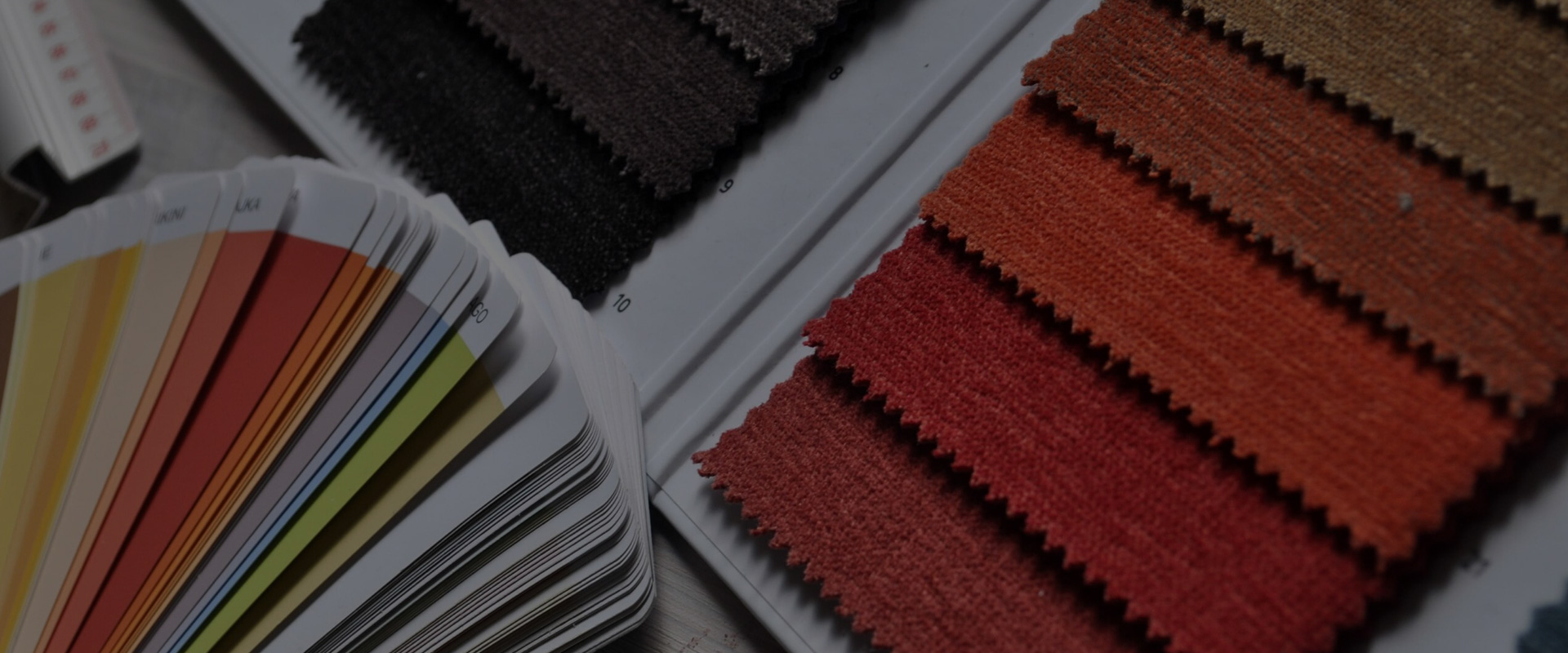
French terry has loops on the inside rather than a fully brushed surface. It can work well for transitional weather, layering and hoodies where brands want a cleaner or less insulated feel.
Brushed Fleece
Brushed fleece has a softer, warmer interior and is common in fall and winter hoodie programs. The brushing quality matters: excessive loose fibers, inconsistent thickness or weak surface stability can make an otherwise attractive hoodie feel inexpensive after wear.
100% Cotton vs Cotton-Poly Blends
Cotton-rich fabrics can provide a natural handfeel and work particularly well for many streetwear finishes. Cotton-polyester blends may provide additional stability, durability or cost flexibility depending on construction and intended use.
There is no universal “best” composition. The correct choice depends on the silhouette, decoration, washing process, performance requirement, target retail price and market.
How Much GSM Should a Hoodie Have?
GSM means grams per square meter and describes fabric weight. Lightweight hoodie programs may use lower weights, while premium streetwear increasingly uses denser midweight and heavyweight fleece.
But avoid treating 400 GSM as automatically better than 320 GSM. A dense heavyweight fabric with poor recovery or an unsuitable pattern can produce a stiff, uncomfortable garment. A well-developed lighter French terry may be exactly right for a spring capsule.
Review VANRD's streetwear fabrics and techniques when comparing fleece, washes, embroidery, printing and finishing options.
Manufacturer-side tip:
Do not approve fabric from a specification sheet alone. Whenever practical, approve a physical swatch, color standard and final sample. The handfeel your customer experiences cannot be fully communicated by a GSM number in an email.
Step 4: Build a Production-Ready Hoodie Tech Pack
A tech pack is the bridge between creative intent and manufacturing instructions. Without that bridge, the factory has to guess. And every guess becomes a potential sample revision.
A useful hoodie tech pack should normally define:
- Front and back technical drawings
- Measurement specifications and size chart
- Fit direction and grading requirements
- Fabric composition and target GSM
- Rib specifications
- Hood construction
- Drawcords, eyelets, aglets and zipper details where applicable
- Pocket dimensions and placement
- Artwork dimensions and placement
- Printing, embroidery or appliqué method
- Color references
- Neck, size and care labels
- Hangtags and packaging requirements
- Measurement tolerances and revision history
If your files are still incomplete, you do not necessarily need to stop the project. A manufacturer with product-development capability may be able to begin from reference garments, sketches, measurements and artwork, then help translate them into production-ready specifications.
For a deeper preparation list, see the Streetwear Hoodie Tech Pack Checklist .
Step 5: Choose Printing, Embroidery, Washes and Branding Techniques
Decoration is where many hoodie concepts gain personality—and where technical mistakes become very visible.
Do not select a technique because it looks impressive in one reference photo. Select it according to fabric, artwork, desired handfeel, wash requirements, quantity and target cost.
Screen Printing
Screen printing remains a strong choice for logos and graphic programs, particularly where brands need repeatable colors and efficient production across meaningful quantities.
Puff and Raised Printing
Puff print adds dimensional texture and works particularly well for graphic streetwear. The base fabric, ink system, curing and artwork design all influence the final height and durability.
Embroidery
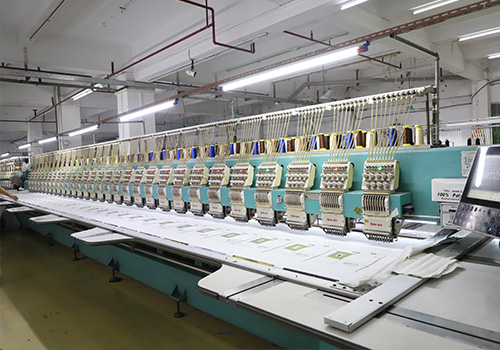
Flat embroidery works well for chest logos and refined branding, while larger or dimensional embroidery creates a stronger visual statement. Heavy embroidery must be planned with the fabric so the garment does not pucker, distort or become uncomfortable.
Chenille and Appliqué
These techniques can create collegiate, heritage or varsity-inspired hoodie designs. Placement and construction should be reviewed before production because thick patches behave differently near pockets, ribs and seams.
Garment Dye and Vintage Washes
Vintage hoodies require more than choosing a faded color. Fabric composition, dye process, wash formula, temperature, time and finishing can all affect shade, dimensions and handfeel.
Brands should approve an acceptable appearance range instead of expecting every garment-dyed piece to look mathematically identical. Measurement checks after washing are equally important because the wash treatment may change garment dimensions.
Brands developing graphic programs can also review VANRD's printed and graphic hoodie manufacturing capabilities.
Step 6: Develop and Approve Hoodie Samples
Sampling is not a formality before production. It is where the product is engineered.
The first sample might reveal that the hood is too shallow, the dropped shoulder is too aggressive, the pocket sits too low or the fleece feels heavier than the silhouette can support. That does not automatically mean the sampling process has failed. It means the sample has done its job.
Review the Entire Hoodie, Not Just the Artwork
Brand teams sometimes focus heavily on whether a logo is positioned correctly while overlooking body proportions or fabric behavior. Review the sample from several perspectives:
- Overall silhouette
- Chest and shoulder proportions
- Body and sleeve length
- Hood volume and opening
- Kangaroo pocket position
- Rib recovery
- Fabric handfeel
- Artwork size and placement
- Wash appearance
- Labels and trims
- Measurements against the specification
What We Check Before Approving a Hoodie Sample:
- Chest, shoulder, body length and sleeve measurements against the specification
- Hood shape, depth, opening and overall balance on the garment
- Rib recovery at cuffs and hem
- Fabric handfeel, weight, surface and shrinkage behavior where applicable
- Print, embroidery or appliqué size, color, placement and workmanship
- Pocket position, seam construction and garment symmetry
- Neck labels, care labels, trims and other private label details
- Final packaging requirements before the style is released for bulk production
The purpose is simple: the approved sample should become a measurable production reference, not just a visual reference. This gives both the brand and manufacturer a clearer standard for bulk production and future reorders.
Create One Approved Production Standard
Once the final sample is approved, document it. Keep the measurement sheet, fabric reference, color, artwork placement, labels, trims, packaging requirements and approved sample aligned.
A hoodie that “looks right” is difficult to reproduce. A hoodie that has a documented approved standard can become a repeatable product.
For planning sample rounds and launch calendars, read Streetwear Sampling & Lead Time .
Step 7: Understand Hoodie MOQ, Pricing and Cost Drivers
One of the first questions brands ask a hoodie manufacturer is, “What is your price?” The more useful question is, “What specification is this price based on?”
A unit price means very little without fabric composition, GSM, quantity, construction, artwork, labels, washing and packaging.
Main Hoodie Cost Drivers
| Cost Area | What Changes the Cost |
|---|---|
| Fabric | Composition, GSM, yarn, custom color, finishing and fabric minimums |
| Construction | Fit, panels, pockets, zipper construction, special seams and complexity |
| Decoration | Print size, number of colors, stitch count, patches, appliqué and mixed techniques |
| Washing | Garment dye, pigment wash, enzyme wash, vintage effects and special finishing |
| Trims | Zippers, drawcords, metal hardware, rib, custom accessories and branding components |
| Private Label | Labels, hangtags, barcodes, bags, cartons and retail packaging |
| Quantity | Fabric utilization, cutting efficiency, decoration setup and total production volume |
VANRD's standard custom hoodie MOQ currently starts from approximately 100 pieces per style and color, while the final requirement can depend on fabric, color development, trims and manufacturing complexity.
This is why serious brands should send the manufacturer their approximate quantity before requesting an accurate quotation. A 100-piece development order and a 2,000-piece reorder do not have the same production economics.
Step 8: Move From Approved Sample to Bulk Hoodie Production
Approving the sample is the end of development, but it is the beginning of production control.
Before bulk cutting starts, the manufacturer and brand should lock the final specifications, quantities, colors, size ratio, fabrics, trims, artwork and packaging.
A typical private label hoodie production workflow may include:
- Project brief and technical review
- Fabric and trim confirmation
- Pattern and specification development
- Sample development
- Sample revisions and approval
- Bulk fabric and trim preparation
- Cutting
- Printing or embroidery
- Sewing and assembly
- Washing or finishing where required
- Inline and final quality inspection
- Labels, packaging and carton preparation
- Shipment and reorder documentation

Brands that want a clearer picture of these stages can review VANRD's custom clothing manufacturing process.
Step 9: Build the Private Label System — Labels, Hangtags and Packaging
Your garment may leave the sewing line finished, but it is not necessarily retail-ready.
Private label manufacturing should also consider the customer-facing details that transform the garment from “a hoodie made by a factory” into “your brand's product.”
Depending on your program, this can include:
- Woven neck labels
- Printed or heat-transfer neck branding
- Size labels
- Care and composition labels
- Custom hangtags
- Barcode or SKU stickers
- Branded polybags
- Tissue or special retail packaging
- Custom carton markings
Label content should be prepared according to your destination market and product requirements. Do not wait until the final week of production to decide this information. Label delays can hold up an otherwise completed order.
Private label brands can explore VANRD's broader private label apparel manufacturing solutions for development, branding, bulk production and repeat-order support.
Step 10: Control Hoodie Quality From Fabric to Final Packing
Quality control should not begin when finished hoodies are already packed into cartons.
By that point, the most expensive mistakes have already multiplied.
A stronger system controls risk progressively.
Fabric Inspection
Incoming fabric should be reviewed for shade variation, visible defects, weight consistency and other issues before cutting. For relevant hoodie programs, shrinkage and wash behavior should also be evaluated.
Artwork Approval
Print, embroidery, appliqué and other decoration should be checked against approved color, size, placement and workmanship standards before the full order is completed.
In-Line Sewing Checks
Construction problems are easier to correct when they appear on the first pieces rather than the final thousand. Seam quality, stitch consistency, pockets, hood construction, zippers and symmetry should therefore be monitored during production.
Measurement Inspection
Finished garments should be checked against the approved measurement specification and tolerance. This is especially important for oversized silhouettes, where a relatively small proportional change can alter the intended look.
Final Packing Verification
Labels, size ratios, hangtags, packaging, barcodes and carton quantities should be confirmed before shipment.
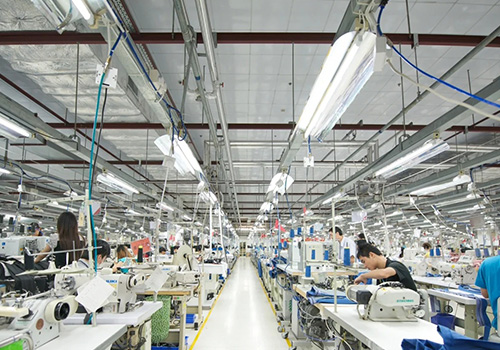
VANRD applies quality checkpoints across fabric, production, decoration and packing. Brands can review the complete apparel quality control process before beginning a custom project.
How to Choose the Right Private Label Hoodie Manufacturer
Search Google for “hoodie manufacturer” and you will find hundreds of companies promising premium quality, low MOQ, fast samples and competitive prices.
Those statements alone do not tell you whether a supplier can produce your hoodie.
Evaluate capability against your actual project.
1. Check Whether Hoodies Are a Real Manufacturing Strength
A supplier that mainly manufactures woven dresses may technically be able to produce fleece hoodies, but that does not mean it understands oversized blocks, hood balance, rib recovery, garment washing or heavyweight fleece construction.
2. Evaluate Fabric Knowledge
A capable hoodie manufacturer should be able to discuss composition, GSM, fleece construction, shrinkage, surface, washing and how those choices interact with the intended silhouette.
3. Review Development Capability
Can the supplier work from a detailed tech pack? What if you only have reference images and measurements? Can it support pattern development and fit revisions?
4. Check Decoration Capability
If your collection relies on puff print, embroidery, vintage washing, chenille, appliqué or mixed-media graphics, verify the supplier's experience before placing a bulk order.
5. Understand the Sampling Process
Ask what happens after the first sample. How are revisions recorded? Is there a final approved production standard? How are changes communicated to production?
6. Review Quality Control
“We check quality” is not enough. Ask what gets checked before cutting, during production and before packing.
7. Evaluate Communication
Manufacturing involves dozens of small decisions. Clear communication often matters more than brands realize until something changes.
Notice whether your supplier asks useful questions. A manufacturer that only replies “yes, we can make it” to every request may be less useful than one that identifies risks before production.
8. Think About the Second Order
This is one of the most overlooked questions in supplier selection.
Can the manufacturer reproduce the same fit, fabric direction, labels and artwork six months later? Can it support larger quantities if the product performs well? Can it manage several hoodie styles in the same collection?
If you are still comparing factories, also read How to Find the Right Hoodie Manufacturer for Your Streetwear Brand .
Questions to Ask a Hoodie Manufacturer Before Sampling
- What hoodie styles do you manufacture regularly?
- Can you source custom fleece compositions and GSM?
- Can you develop patterns from our tech pack or reference sample?
- What is the MOQ per style and color?
- How does MOQ change with custom fabric or dyeing?
- What printing and embroidery techniques can you support?
- Can you provide garment dye or vintage washing?
- How do you document sample revisions?
- What checks happen before bulk cutting?
- How do you control measurements during production?
- Can you provide private label packaging?
- How do you manage repeat orders and color consistency?
Common Private Label Hoodie Manufacturing Mistakes
Mistake 1: Choosing a Manufacturer Only by Price
A cheaper quotation is not necessarily a lower total cost. If the fabric needs replacing, the fit requires several extra samples or 8% of the finished order has quality problems, the original price comparison becomes irrelevant.
Mistake 2: Ordering Fabric by GSM Alone
GSM is one variable. Composition, yarn, knit construction, brushing, finishing and shrinkage can matter just as much.
Mistake 3: Using Reference Photos Instead of Specifications
Reference images are excellent for communicating visual direction, but they do not define exact garment measurements, fabric composition, stitch construction or artwork dimensions.
Mistake 4: Changing Multiple Variables During Every Sample Round
If you simultaneously change the fabric, fit, color and artwork after each sample, it becomes difficult to understand which change produced which result. Controlled revisions are usually faster than chaotic ones.
Mistake 5: Approving Only the Front Appearance
Customers wear the entire garment. Check the hood, back, sleeve, pocket, inside construction, labels, ribbing and dimensions—not only the front graphic.
Mistake 6: Skipping Bulk Quality Standards
A perfect sample does not guarantee perfect production. Bulk quality needs its own checkpoints and acceptable tolerances.
Mistake 7: Treating the First Order as an Isolated Project
If you expect to reorder, document what worked. Fabric standards, measurements, approved colors, decoration settings and packaging details become valuable manufacturing data for the next season.
How Growing and Established Brands Scale Hoodie Production
A new brand may begin with one hoodie, two colors and a limited quantity. A growing brand might eventually run multiple fleece weights, several fits, seasonal colorways, matching sweatpants and repeat wholesale orders.
At that stage, manufacturing changes from “Can this factory make our hoodie?” to “Can this supply chain manage our hoodie program?”
Build Core Fits
Instead of developing every style from zero, mature brands often maintain approved fit blocks. A core oversized hoodie block, for example, can support different fabrics, graphics and seasonal colors while keeping the brand's recognizable proportions.
Archive Material and Trim Standards
Keep approved fleece references, rib specifications, label files, zipper standards, Pantone information and packaging requirements organized for future orders.
Separate Core Products From Experimental Drops
Your best-selling core hoodie may need maximum consistency. A limited vintage capsule may intentionally accept more variation. Those products should not necessarily use the same production rules.
Review Every Reorder
Repeat production should be easier, not automatic. Confirm whether fabric lots, colors, trims, measurements or regulations have changed before approving the next order.
This is where a long-term manufacturing partner creates more value than a supplier found for a single PO.
How VANRD Supports Private Label Hoodie Development
VANRD works with overseas streetwear, fashion and private label brands that need more than blank hoodie decoration. The goal is to help turn product ideas, references and tech packs into production-ready hoodie programs.
Hoodie development can include fabric sourcing, fit and pattern development, sampling, printing, embroidery, washes, trims, custom labels, packaging, bulk manufacturing and quality control.
Current custom hoodie programs cover categories such as pullover hoodies, oversized hoodies, zip-ups, vintage washed hoodies, graphic hoodies and embroidered styles. Brands can browse VANRD's custom hoodie collection and manufacturing capabilities for additional product references.
Standard MOQ starts from approximately 100 pieces per style and color, while sampling time and production planning depend on fabric availability, wash development, decoration complexity and project requirements.
More importantly, development should begin with the right information. Sharing your tech pack, reference sample or images, estimated quantity, target market and launch timing gives the manufacturing team a much stronger foundation for recommending fabric, construction and production solutions.
Conclusion: Build a Hoodie Product System, Not Just a Hoodie
Private label hoodie manufacturing becomes much easier when every decision follows the right order. Start with the customer and product positioning. Define the fit. Select fabric based on the wearing experience rather than GSM alone. Translate the concept into measurable specifications. Test decoration, approve a physical sample, lock the production standard and maintain quality checkpoints through bulk manufacturing.
Most importantly, choose a hoodie manufacturer based on whether it can support the product you want to build today and the production system you may need tomorrow.
The first hoodie may be a product. A repeatable fit, fabric standard, artwork system, QC process and reliable supply chain can become part of the brand itself.
Ready to Develop Your Private Label Hoodie Collection?
Share your tech pack, reference images, target quantity, fabric direction and launch timeline. VANRD can help review your hoodie project from sampling and customization through bulk production and quality control.
Start Your Hoodie ProjectFrequently Asked Questions About Private Label Hoodie Manufacturing
1. What does a private label hoodie manufacturer do?
A private label hoodie manufacturer produces hoodies that are sold under your own brand. Depending on the project, services may include fabric sourcing, pattern development, custom sizing, sampling, printing, embroidery, washes, labels, hangtags, packaging, bulk production and quality inspection. More customized programs may use OEM or ODM development rather than simply applying branding to an existing garment.
2. What is a good MOQ for private label hoodies?
There is no universal hoodie MOQ because minimums depend on the manufacturer, fabric, color, decoration and trim requirements. VANRD's standard custom hoodie MOQ currently starts at approximately 100 pieces per style and color. Custom-knitted fabrics, special dyes, unique trims or complicated manufacturing processes may require different minimums, so brands should confirm MOQ after sharing the real product specification.
3. What fabric is best for a premium private label hoodie?
The best fabric depends on the desired season, fit, handfeel and retail positioning. French terry can work well for transitional or cleaner lightweight programs, while brushed fleece provides a softer and warmer interior. Cotton and cotton-polyester blends can both produce quality hoodies when the fabric construction and finishing suit the product. Brands should evaluate composition, GSM, shrinkage, surface and handfeel together rather than selecting fabric by weight alone.
4. Do I need a tech pack to work with a hoodie manufacturer?
A complete tech pack usually improves quotation accuracy, sampling efficiency and communication, particularly for fully custom hoodies. However, brands without a finished tech pack may still begin development with reference garments, sketches, measurement information, fabric preferences and artwork. An ODM-capable manufacturer can often help convert that information into clearer production specifications before sampling.
5. How can I make sure bulk hoodies match the approved sample?
The strongest approach is to turn the approved sample into a documented production standard. Record the approved fabric, color, measurements, tolerances, trims, artwork placement, decoration method, labels, packaging and any wash requirements. Bulk manufacturing should then include material checks, artwork approval, in-line sewing inspections, measurement checks and final packing verification. Keeping these records also improves consistency when the style is reordered later.