What happens if the delivered bulk order does not match the approved sample?
The lot is frozen and compared point by point against the signed approved sample and spec — not against memory or a photo. We quantify how many pieces are affected, trace the cause to a lot, a cutting batch or a process, and then agree a remedy: rework, remake, or a commercial adjustment. Who pays depends on where the fault sits, and the contract decides that.
Step by step
The first 48 hours decide the outcome. If the goods are still in our warehouse the options are wide; once they are in a container or in your warehouse, the practical options narrow to replacement and credit.
| Step | Action | Evidence produced |
|---|---|---|
| 1. Freeze | Hold the lot, stop shipment, segregate by batch | Warehouse hold note |
| 2. Compare | Approved sample against 3 pieces per size | Side-by-side photos, measurement chart |
| 3. Quantify | Count affected pieces by colour and size | Defect count per carton |
| 4. Trace | Fabric lot, cutting batch, sewing line, wash lot | Batch records and inspection logs |
| 5. Remedy | Rework, remake, credit or rejection | Written agreement with dates |
What counts as not matching
A mismatch is a measurable difference from the approved standard: shade beyond the agreed Delta E, measurement outside the tolerance in the spec, a substituted trim or label, decoration in the wrong position or size, or a fabric hand and weight that no longer matches the approved quality code.
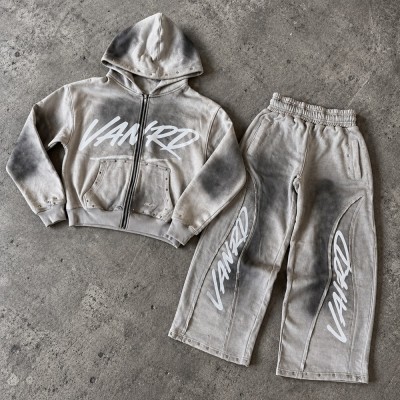
Normal variation inside tolerance is not a mismatch. Garment-dyed styles vary shade across a lot by nature, which is why the tolerance has to be agreed in Delta E before the wash recipe is approved, not after the goods arrive.
How the remedy is decided
If the deviation is a production error on our side, rework or remake is at our cost, and we cover the freight consequence of the delay. If it comes from a change the buyer approved late, from buyer-supplied fabric, or from a wash standard the buyer signed off, the cost is shared or carried by the buyer as the contract sets out.
Either way the remedy is written down with dates before work starts, so there is no second argument about what was agreed.
Field example
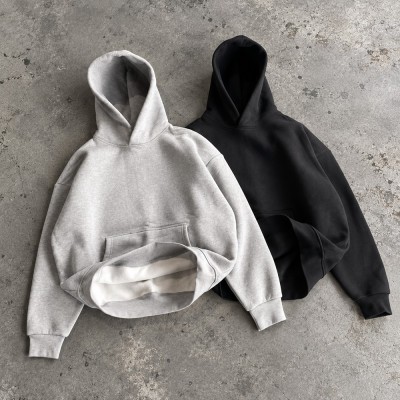
A 1,000-piece hoodie order arrived with a shade reading Delta E 2.1 against the approved standard, where the agreed tolerance was 1.0. The cause was a different dye lot of the same quality code. 300 pieces were re-dyed to the standard, the remaining 700 were accepted with a credit per piece, and the mill was put on notice that lot changes must be flagged before dyeing.
Numbers that matter
- Shade tolerance: Delta E ≤1.0 for solid shades, ≤1.5 for garment-washed styles
- Assessment within 48 hours of the claim, with 3 pieces per size compared
- Rework typically takes 7-14 days; remake follows the 25-35 day bulk lead time
- Keep the approved sample and signed spec — without them a claim becomes an opinion
- Service Process
- Fabrics & Techniques
- Sweater & Knitwear Manufacturer
- OEM/ODM Apparel Manufacturing by Brand Type
- Custom Headwear Manufacturer
- Streetwear Manufacturer
- Custom Clothing Quality Control
- Tracksuit Manufacturer
- T-Shirt & Jersey Manufacturer
- Pants & Bottoms Manufacturer
- Hoodie & Sweatshirt Manufacturer
- Jacket Manufacturer