What Printing Actually Works on Polyester Athletic Shirts: Sublimation, DTF or Screen?
VANRD · FABRICS & TECHNIQUES
What printing actually works on polyester athletic shirts?
On polyester, the method decides whether the print survives the wash — not luck. Sublimation becomes part of the fibre and will not crack; DTF and screen print sit on top and can fail when the temperature is wrong.
Direct answer
Sublimation is the only method that becomes part of a polyester fibre — dye turns to gas at about 200–220°C and locks inside the yarn, so it cannot crack, peel or wash off. It only works on light-coloured, high-polyester fabric. DTF and screen print sit on the surface: they work on any colour and any fabric, but their bond depends on adhesive, ink and cure temperature. For a 100-piece-per-colour athletic run, choose by fabric colour and polyester content first.
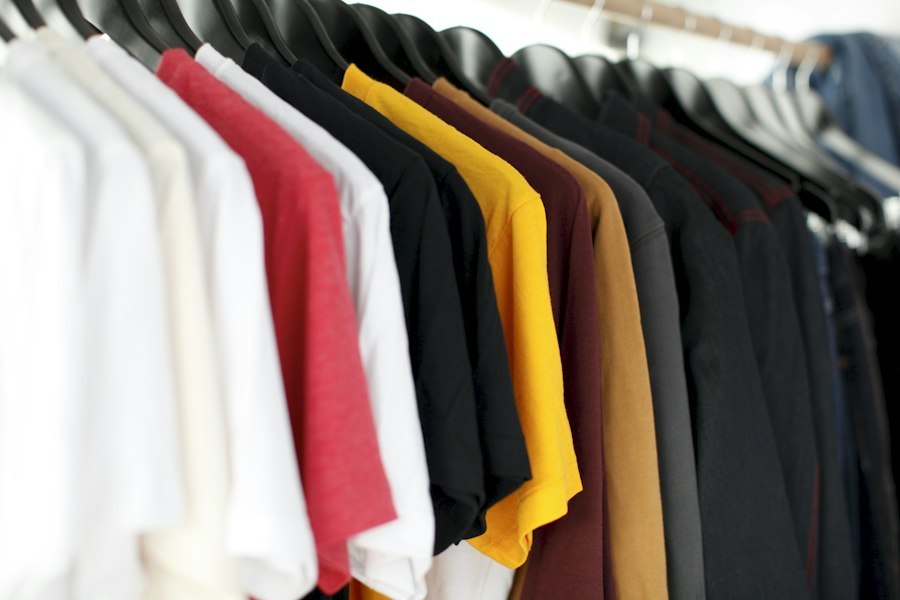
Side by side: which method survives on polyester
| Method | How it bonds | Best fabric / colour | Hand-feel | At 100 pcs/colour |
|---|---|---|---|---|
| Sublimation | Dye gas enters the fibre at 200–220°C | High-polyester, white or light only | None — dye is inside the yarn | Best durability; needs a light base |
| DTF (heat transfer) | Hot-melt adhesive film pressed on the surface | Any colour; blends and polyester | Slight raised film | Low setup; good for fewer colours |
| Screen print | Plastisol or low-cure ink cured on the surface | Any colour; low-cure ink on polyester | Flat, slightly thick | Lowest unit cost at volume |
Light base vs dark base: the method changes
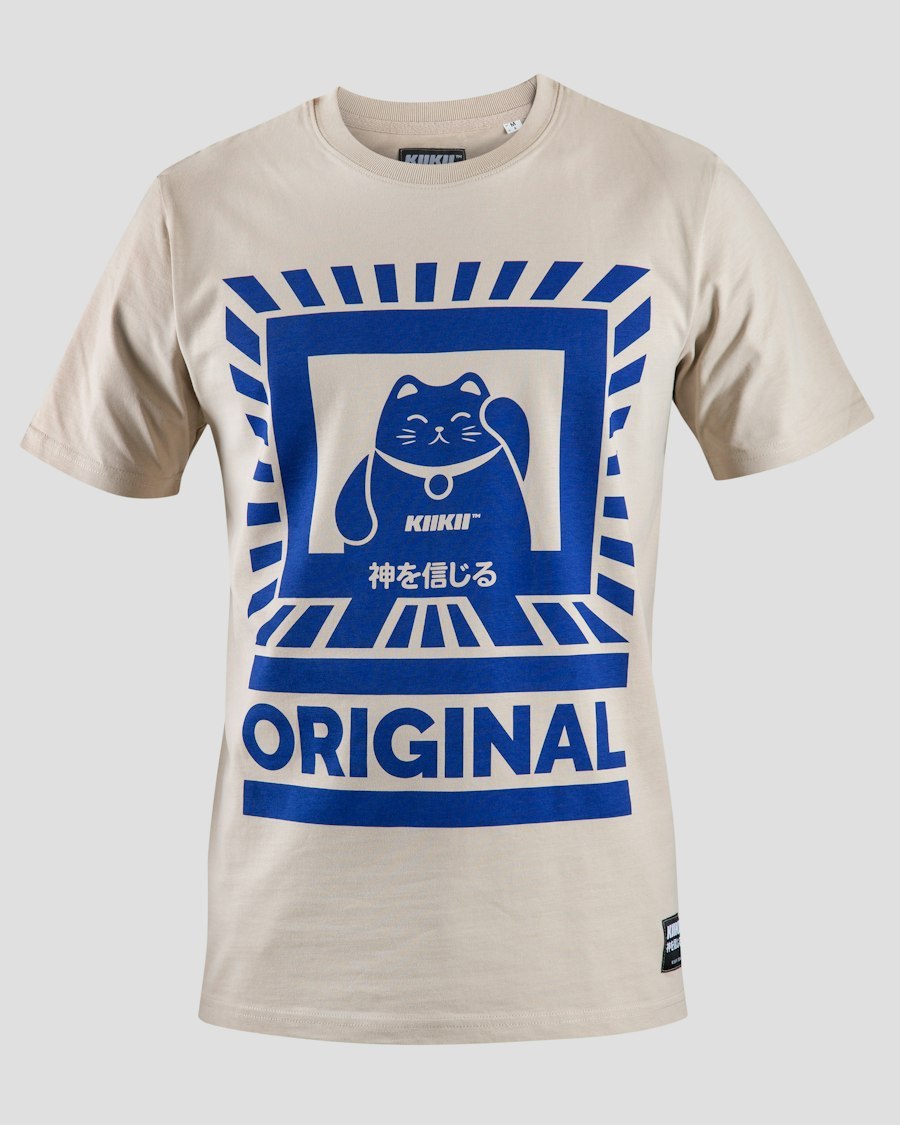
On white or pastel polyester the colour reads true with no white underbase. Sublimation here enters the fibre and will not crack; ink sits flatter and softer on a pale ground.

A white layer must go down first or the ground colour swallows the design. Check the film edge and full cure — this is where dark-ground prints fail after washing.
The two failure modes that cause returns
Dye migration
Print a light plastisol on dark polyester and cure too hot, and the fabric dye vapourises into the ink — the white turns pink, yellow or grey days later. The fix is low-cure ink and a lower cure temperature, not a thicker print.
Under-cured film
DTF and screen print that feel fine on day one can lift after three washes if the adhesive or ink never reached its cure temperature. Ask for the cure temperature and dwell time on the process card, then wash-test one sample before you approve.
Numbers worth writing into your tech pack
- Sublimation: 200–220°C; needs 65% or more polyester (100% is safest) and a white or pale base.
- DTF: press around 160–170°C; peel hot or cold per the film supplier's instruction.
- Screen print on polyester: low-cure ink, cured at the ink maker's rated temperature to avoid dye migration.
- Wash test: three domestic cycles before approval — see our print quality check.
VANRD's line: we run poly mesh with heat transfer and screen print, and we fix the method after the fabric and artwork are locked — not before. MOQ is 100 pieces per colour per style, with a 40–50 day bulk window. For the broader three-method comparison, read screen printing vs DTG vs DTF.
- Service Process
- Fabrics & Techniques
- Sweater & Knitwear Manufacturer
- OEM/ODM Apparel Manufacturing by Brand Type
- Custom Headwear Manufacturer
- Streetwear Manufacturer
- Custom Clothing Quality Control
- Tracksuit Manufacturer
- T-Shirt & Jersey Manufacturer
- Pants & Bottoms Manufacturer
- Hoodie & Sweatshirt Manufacturer
- Jacket Manufacturer