Knitted Sweaters vs Cut-and-Sew Sweaters: What's the Difference?
A cable-knit crewneck and a sweater made from a roll of ribbed knit fabric might look equally appealing on a clothing rack. Turn them inside out, though, and you may discover two very different approaches to making a garment. One may have carefully shaped knitted panels joined along the shoulders and armholes. The other may have cut fabric edges secured inside conventional sewn seams. That difference matters long before either sweater reaches your customers.
For clothing brands developing a sweater collection, the construction method influences the materials you can use, the patterns you can create, the way a garment fits and the cost of bringing it into production. Choosing the wrong route can mean paying for unnecessary development or discovering that a promising design is difficult to reproduce consistently.
Knitted vs Cut-and-Sew Sweaters: Quick Comparison
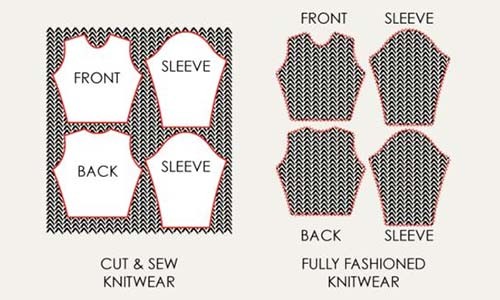
Quick answer: A fully fashioned knitted sweater is made by knitting individual garment components to shape and joining them together. A cut-and-sew sweater starts with knitted fabric, from which garment pieces are cut and sewn. Fully fashioned construction is particularly useful when the knitted structure and shaping define the design, while cut-and-sew construction is often practical for fabric-led styles, graphic garments and conventional apparel patterns.
Strictly speaking, both are knitwear. In this guide, “knitted sweater” refers to fully fashioned, or knit-to-shape, construction rather than all garments made from knitted textiles. Seamless whole-garment knitting is another route, which we will explain separately.
| Feature | Fully fashioned knitted sweater | Cut-and-sew sweater |
|---|---|---|
| Starting material | Yarn selected for knitting | Knitted yardage or fabric panels |
| How shape is created | During panel knitting | By cutting a garment pattern |
| Main specifications | Yarn, gauge, stitch and finished measurements | Fabric composition, GSM, stretch and pattern |
| Assembly | Linking or other suitable joining methods | Sewing, overlocking or other edge finishes |
| Design strengths | Engineered knit textures and motifs, shaped edges | Panel shapes, mixed fabrics, surface graphics |
| Material loss | Often less cutting waste | Depends on marker efficiency and fabric width |
| Main cost drivers | Yarn, programming, machine time, assembly | Fabric, consumption, cutting, sewing, decoration |
| Typical products | Cable-knit pullovers, patterned sweaters, cardigans | Jersey sweaters, sweatshirt-like tops, panelled knit garments |
Neither route guarantees better quality. The right choice depends on the material, the design and the workmanship required. Start with the finished garment you want, not the name of the manufacturing method.
What Is a Fully Fashioned Knitted Sweater?
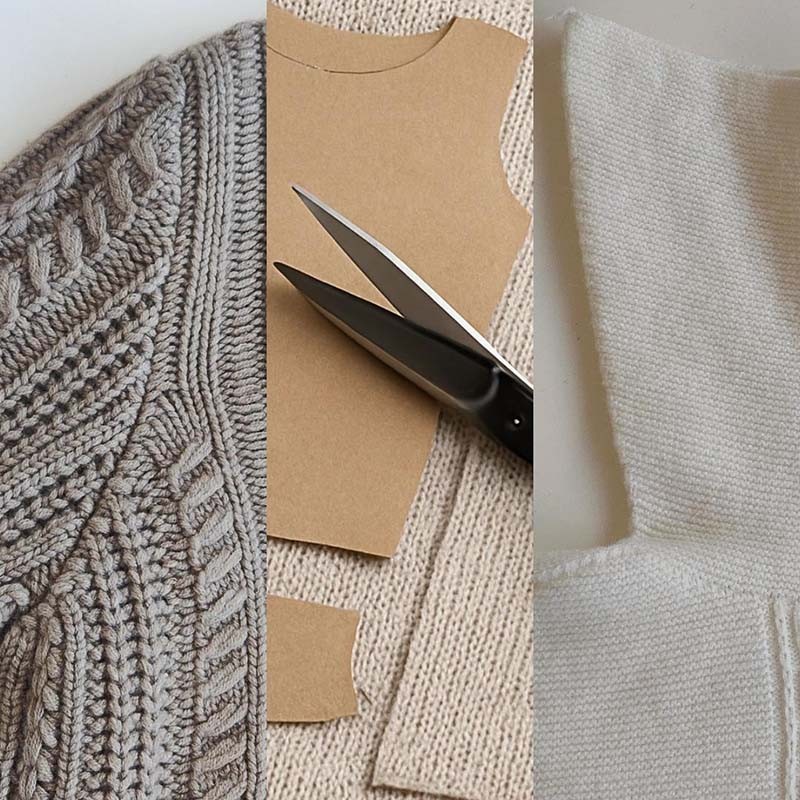
Fully fashioned knitwear gets its shape while it is being knitted. Instead of producing a large piece of cloth and cutting out the front, back and sleeves, a knitting program controls where stitches are added, removed or transferred. A sleeve can taper toward the cuff; the body can narrow around an armhole or follow a shaped neckline.
The components are then assembled, commonly by linking, which joins knitted edges through their loops. Different joining techniques can be selected depending on the stitch structure and the desired seam. Guoou Fashion’s construction comparison also distinguishes shaped-panel assembly from seamless knitting. A fully fashioned sweater is therefore not necessarily seamless. The shaped panels and their assembly are what distinguish it from a sweater cut out of yardage.
Advantages of fully fashioned construction
This approach is worth considering for a sweater whose knitted surface is a central design feature. Cables, ribs, engineered textures and motifs can be planned in relation to the garment shape. The transition from a ribbed hem into a textured body can sometimes be incorporated into the panel itself, rather than handled as a separate fabric attachment.
Shaped panels also reduce the need to cut through knitted loops around the outline. That can be especially useful for delicate or open stitch structures. Depending on the yarn and pattern, an appropriately linked seam can provide a neat and comfortable finish.
Limitations to consider
A custom sweater may require several technical decisions before the first garment is knitted. Yarn thickness, stitch density, machine compatibility and the effects of finishing all need to work together. Even a relatively simple drawing may require a new swatch if the brand changes the yarn or stitch pattern.
Complex structures and intricate motifs can add machine and development time. Some designs also require additional operations for trims, pockets or closures. Fully fashioned knitting is not automatically the most economical route for every style. Explore the range of silhouettes in VANRD's custom sweater collection when preparing a reference for your project.
What Is a Cut-and-Sew Sweater?
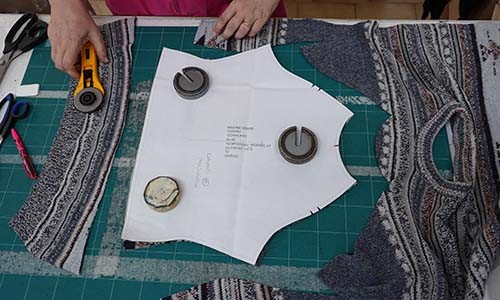
Cut-and-sew knitwear is made from fabric that has already been knitted. The fabric might be supplied in a roll, a tube or a flat piece. A garment pattern defines the front, back, sleeves and any additional components. Those shapes are cut out and assembled on appropriate sewing equipment.
The process is familiar to brands that already develop T-shirts, sweatshirts or casual knit tops. However, it is not restricted to lightweight jersey. Suitable sweater-weight knits, rib fabrics and textured knitted cloth can also be cut and sewn, provided their edges and stretch behavior are handled correctly.
Because cutting interrupts the loops along the edge of the fabric, the seam must secure them. An overlock, binding or enclosed seam may be appropriate; the choice depends on the material and where the seam sits on the garment.
Advantages of cut-and-sew construction
The biggest opportunity is the ability to work with a fabric first and build a garment around it. If a brand has found a distinctive ribbed fabric or a particular surface finish, that material can potentially be used across different necklines, body shapes and matching styles. Separate panels can introduce contrast colors or combine different compatible fabrics.
Existing fabric availability may also simplify early development. A brand can evaluate a fabric swatch and begin pattern work without developing a new knitted structure for every garment component.
Limitations to consider
The fabric must be suitable for cutting and sewing. Explore VANRD’s fabric and technique options when comparing available material references. An unstable loose knit can curl, stretch or unravel at the cut edge. A thick material may create bulky intersections, particularly where a sleeve, side seam and cuff meet. Printed or patterned fabrics may need extra allowance to match motifs across seams.
Fabric consumption is another important factor. Offcuts between pattern pieces add to the material required per garment. That does not make cut-and-sew an inferior route; it means that fabric behavior, pattern layout and seam engineering belong in the development brief.
How Are These Sweaters Manufactured?
The two processes share several activities, including sample approval, finishing and final inspection. The main difference is where the garment shape is introduced. Woolmark's overview of wool knitting describes both approaches, as well as other knitting technologies. For a buyer, the following simplified workflows are useful starting points.
Fully fashioned route
- Yarn & stitch selection
- Swatch & programming
- Shape panels during knitting
- Link or join components
- Finish & inspect
Cut-and-sew route
- Knitted fabric selection
- Fabric relaxation & pattern
- Cut garment components
- Sew & finish edges
- Finish & inspect
Fully fashioned sweater production
Development starts with the desired yarn and knitted structure. A swatch is knitted and evaluated for handfeel, density and dimensional response after finishing. The sample measurements are translated into a knitting program. After the shaped components are knitted, they are assembled and finished. The complete garment is then measured and checked against the agreed specification.
The swatch is especially valuable because the number of stitches needed to achieve a certain width depends on the actual yarn, stitch structure and knitting tension. Finalizing a design from a digital image alone leaves too many variables open.
Cut-and-sew sweater production
The starting point is a fabric specification. The material is selected or developed, checked for defects and allowed to relax where appropriate. The pattern is prepared using the expected behavior of the fabric, followed by cutting, assembly and finishing. Neckbands, cuffs, hems and other details are completed according to the design. The approved sample establishes the reference for the bulk order.
If your team already has a sample garment, photographs of its inside seams can help the factory understand which route you are targeting. VANRD's apparel development and manufacturing process outlines the broader steps from design information to production approval.
Knitted vs Cut-and-Sew Sweaters: 8 Key Differences
1. Fabric and yarn selection
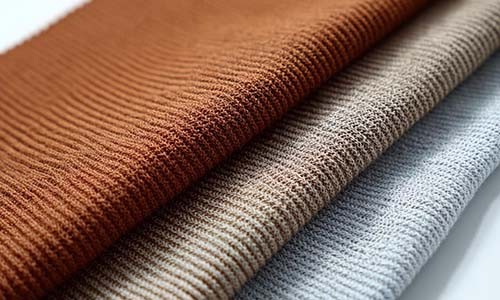
A fully fashioned project is specified at the yarn and stitch level. Fiber composition, yarn count, ply, twist, gauge and stitch structure influence the finished textile. Machine gauge refers to needle spacing, commonly expressed in needles per inch for flat knitting equipment. It is related to the possible stitch sizes, but it does not tell you the final garment weight on its own.
Cut-and-sew development generally starts with fabric characteristics: fiber composition, construction, weight in grams per square meter (GSM), usable width, stretch, recovery and finishing. Yarn properties still matter because they influence the fabric, but a buyer can usually communicate requirements through an approved fabric reference.
For example, a cotton-blend crewneck might be developed as a knit-to-shape design or made from an appropriate knitted cloth. The same fiber description does not make the results identical. Compare actual finished swatches rather than assuming that two cotton-rich materials will feel the same. VANRD's sweater yarn options provide a starting point for discussing material preferences with the team.
2. Design flexibility and knit patterns
Both methods give designers considerable freedom, but they offer different tools. A cable pattern can be created by manipulating stitches during knitting. A logo can be incorporated into a knitted structure using an appropriate jacquard or intarsia technique, depending on the equipment, yarn and artwork. Pattern placement can be coordinated with the shape of an individual panel.
Cut-and-sew allows a designer to combine separately sourced fabrics, introduce angled panels, reposition seams and create conventional garment details. It can be a practical option for a graphic knit top or a sweater with contrasting fabric inserts. A knitted pattern can also exist in the original yardage, so jacquard is not exclusive to fully fashioned garments.
What matters is how the visual effect is created. A surface print, embroidered motif and knitted-in design may look similar from a distance but have different texture, weight and production requirements. For more detailed artwork decisions, see our comparison of jacquard and intarsia sweaters.
3. Fit, shape and silhouette
Consider an oversized streetwear sweater with a dropped shoulder. Both construction routes can achieve that silhouette. A fully fashioned version may use shaped knitted panels, while a cut-and-sew version may achieve the same general outline through a conventional pattern. The end result depends on the dimensions, fabric drape and seam construction.
For shaped knitwear, the technical developer must allow for the relationship between stitch counts and finished measurements. A change in stitch density can alter the dimensions even when the programming stays the same. For cut-and-sew, the developer must consider how much the fabric stretches during handling, how it recovers and whether the garment retains its shape after finishing.
Approve a sample on the intended fit model or form. Look at shoulder position, sleeve volume, hem behavior and how the neckline sits. A garment measured flat can meet its specification yet still hang differently when worn.
4. Seams, comfort and durability
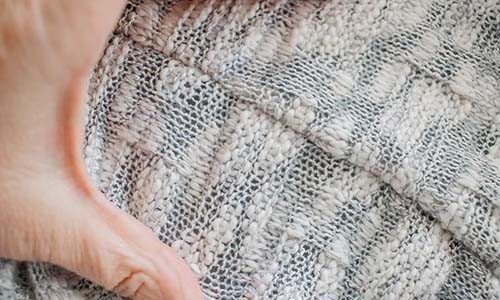
The inside of a sweater provides useful clues. Fully fashioned panels may show small diagonal fashioning marks near the armhole or neckline, where stitches have been moved to create shape. A linked seam may appear relatively narrow and follow the knitted loops. Cut-and-sew garments commonly show secured raw edges and conventional seam allowances. However, these are clues rather than absolute tests: some fully fashioned panels are sewn, and some cut seams are neatly enclosed.
Seam quality matters more than the construction label. A well-executed sewn seam can be comfortable and durable, while a poorly linked seam can contain missed loops or become distorted. The seam must accommodate the expected movement and stretch without opening or irritating the wearer.
Pay particular attention to areas subject to repeated tension, such as armholes, shoulder joins and neckbands. If the sweater uses a dense rib or thick yarn, inspect how much bulk builds up at the joins.
5. Weight, warmth and stretch
A chunky knitted sweater is not always heavier or warmer than a cut-and-sew sweater. Insulation depends on the fiber, the structure, trapped air, garment coverage and the conditions in which it is worn. A thick-looking open knit may let air move through more freely than a compact fabric with a raised surface.
Stretch is also determined by the material and stitch structure, not simply by the way panels are assembled. A ribbed knit may extend considerably across its width, while a dense textured pattern may offer less stretch. The same material can behave differently in different directions.
For a winter layering piece, evaluate warmth, air movement and the comfort of the finished garment under a jacket. For a summer sweater, prioritize weight, handfeel and how the fabric drapes. Do not compare a knitting gauge number directly with fabric GSM; request finished garment weight or comparable swatches if weight is important to your collection.
6. Production cost
Fully fashioned knitwear and cut-and-sew sweaters can have very different cost breakdowns. Neither is always cheaper. A simple shaped sweater made with an available yarn may be commercially practical, while a cut-and-sew design using premium fabric, complex panel matching and multiple decorations may be expensive.
| Cost item | Fully fashioned route | Cut-and-sew route |
|---|---|---|
| Development | Swatches, knitting programs, samples | Fabric development, patterns, samples |
| Material | Yarn price and consumption | Fabric price, usable width and garment consumption |
| Production | Knitting cycle, linking, finishing | Spreading, cutting, sewing, finishing |
| Design complexity | Stitch changes, motifs and shaping | Panel count, seam operations, matching and decoration |
| Order variables | Yarn availability, colors, machine setup | Fabric availability, color lots, cutting efficiency |
Ask suppliers to quote against the same finished measurements, material quality, quantity and finishing requirements. If one quote includes custom yarn development and another uses a stock fabric, the figures are not directly comparable. Also confirm the trade terms and whether testing, labels and packaging are included.
7. MOQ, sampling and lead time
As Argus Apparel’s manufacturing comparison illustrates, programming and fabric sourcing can create different development requirements. The garment order minimum is only one part of the purchasing decision. A yarn supplier may require a certain quantity for a custom dye lot, while a fabric mill may have a separate production minimum for a new color or construction. These constraints can affect either route.
Fully fashioned development may require time for stitch swatches and programming. Cut-and-sew development may need fabric sourcing, shrinkage evaluation and pattern revisions. Stock materials, approved designs and available production capacity can shorten either process. Conversely, custom materials and repeated revisions can extend it.
VANRD's published pullover sweater MOQ information states a standard MOQ of 100 pieces per style per color. Confirm the actual material minimum, sample schedule and bulk lead time with the team for your specific design before committing to a launch date.
8. Material waste and sustainability
Knitting a panel to its required shape can reduce the amount of material trimmed away during assembly. Cut-and-sew production generally creates offcuts between patterns. However, neither route has a universal waste percentage: yarn ends, rejected samples, damaged components and excess materials may contribute to losses in both systems.
A cut-and-sew program can improve fabric utilization through efficient marker planning, suitable fabric widths and designs that share materials. A fully fashioned program can benefit from accurate swatch development, stable knitting settings and fewer rejected panels.
If environmental performance is a priority, ask for measurable information relevant to your actual order: material input, usable output, waste handling, fiber origin and finishing processes. The construction method alone cannot establish the environmental footprint of a sweater. Avoid making claims such as zero waste unless the scope and supporting evidence are clear.
Fully Fashioned vs Whole-Garment Knitting: Are They the Same?
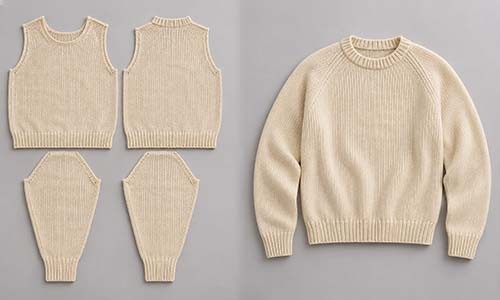
No. Fully fashioned knitwear commonly has separately shaped components that must be joined. Whole-garment or integral knitting can produce much or all of a garment in a single knitting operation on suitable equipment, reducing conventional assembly seams. SHIMA SEIKI's WHOLEGARMENT technology is one example of this approach. WHOLEGARMENT is the company's trademark, rather than a generic name for every seamless process.
| Construction | Where shape is created | Typical joining requirement |
|---|---|---|
| Cut-and-sew | Cutting knitted cloth | Conventional assembly of cut pieces |
| Fully fashioned | Knitting shaped components | Components generally joined afterwards |
| Whole-garment | Knitting an integrated garment | Fewer assembly seams; finishing may still be needed |
A seamless construction may be worth exploring for a garment where uninterrupted knit patterns or reduced seam bulk are important. It also has specific machine and programming requirements. Ask your supplier to confirm the available technology before specifying it. The description of this method is an industry explanation, not a claim that VANRD operates dedicated whole-garment machinery.
Which Method Is Better for Your Sweater Collection?
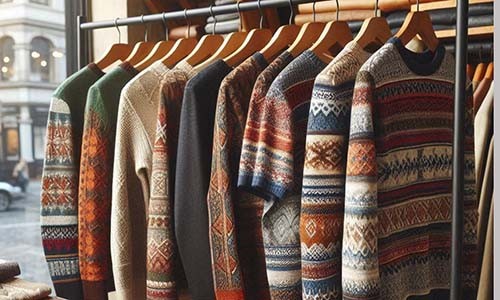
Begin by identifying the feature that makes your sweater worth buying. Is it the sculptural texture of a cable knit? A large graphic, distinctive fabric or panel layout? Or is it the fit and ease of movement? Once the product concept is clear, the construction choice becomes easier.
| Planned product | Route worth evaluating first | Main reason |
|---|---|---|
| Classic cable-knit crewneck | Fully fashioned | Knitted texture and shaped components |
| Graphic jacquard pullover | Fully fashioned or cut-and-sew jacquard fabric | Depends on motif placement and fabric availability |
| Button-front cardigan | Fully fashioned or cut-and-sew | Assess placket stability and intended drape |
| Relaxed panelled sweater | Cut-and-sew | Convenient contrast fabric and panel development |
| Sweatshirt-style knit top | Cut-and-sew | Suitable for jersey, terry or similar yardage |
| Seam-sensitive premium knit | Whole-garment, if feasible | Reduced conventional joining seams |
A designer-led label could make a cable-knit sweater the signature product of a collection, while using simpler fabric-led pieces for supporting styles. A private label brand might choose a common knitted fabric for several tops and then invest in a separate knit-to-shape program for a statement cardigan. An established label replacing a supplier may need to reproduce its approved construction rather than switch methods merely to reduce unit price.
For inspiration, compare VANRD's pullover sweater styles and custom cardigan range. Product photographs help communicate the desired appearance, but confirm the construction method of any specific style before using it as a technical reference.
What Should Brands Prepare Before Sampling?
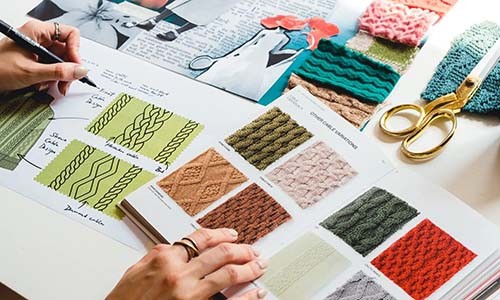
A useful development brief tells the supplier what the garment needs to achieve, not just what it should look like. If you are unsure which production route to use, explain the desired texture, fit, target market, retail positioning and expected order quantity. Provide a physical sample if possible, including clear views of the inside seams.
For fully fashioned development, share any known yarn composition, gauge, stitch reference, artwork layout and finished measurements. Identify which knitted details must be retained if the technical team proposes alternatives. For cut-and-sew development, specify the preferred fabric weight, stretch, recovery, finish, pattern shapes, seam appearance and trims. Include artwork dimensions and placement for either method.
Before approving bulk production, agree on the following checks:
- Finished measurements and tolerances after the intended finishing process.
- Fabric or yarn shade, texture, handfeel and appearance under consistent lighting.
- Seam security, missed stitches, holes, yarn damage and distortion.
- Dimensional change after the agreed care procedure and any relevant pilling, colorfastness or other performance tests.
- Neckline, cuffs, hem recovery, buttonholes, zippers, branding and label placement where applicable.
Keep the approved swatch, sample and revision records together. A sweater with a new yarn lot or a different fabric supplier should not be assumed identical to the original without review. A clear clothing tech pack and a documented garment quality control standard give development and production teams a common reference.
Planning a custom sweater collection? Share your design, reference sample, target quantity and material preferences with VANRD's development team. We can discuss suitable construction options, sampling requirements and project feasibility before you finalize a production specification.
Conclusion
Fully fashioned and cut-and-sew sweaters are two different ways of turning knitted textiles into wearable products. One develops the shape during knitting, while the other creates it through pattern cutting and assembly. Both can produce attractive, durable garments when the material, construction and workmanship are appropriate. For a clothing brand, the best choice is the one that preserves the design you want, fits your cost and production requirements, and can be reproduced to the agreed quality standard.
Frequently Asked Questions
1. How can you tell if a sweater is fully fashioned or cut-and-sew?
Look inside the garment and around the armholes and neckline. Fully fashioned knitwear may show stitch-transfer marks near shaped edges and joins that follow the knitted loops. Cut-and-sew knitwear often has secured cut edges and seam allowances. These clues are useful but not conclusive, especially when seams are covered or construction methods are combined. Ask for the supplier's construction specification if you need certainty.
2. Can a cut-and-sew sweater be made from wool?
Yes. Wool and wool-blend knitted fabric can be cut and sewn when the material is suitable for the intended pattern and seam finish. The developer must assess edge stability, stretch, shrinkage and the required care method. Fiber composition does not determine whether a garment is fully fashioned or cut-and-sew.
3. What does 7-gauge or 12-gauge mean in sweater manufacturing?
These values usually refer to the needle density of the knitting machine. Higher gauge machines generally accommodate finer knitting, whereas lower gauges are commonly associated with coarser stitches. The appropriate yarn, knitting technique and stitch settings still matter. A gauge number is not a direct measure of finished thickness, garment weight or warmth.
4. Can you combine fully fashioned knitting with cut-and-sew construction?
Yes. A sweater may incorporate shaped knitted components and separately cut fabric pieces, such as a contrast woven panel or a patch pocket. The technical challenge is ensuring that the different materials work together in terms of stretch, shrinkage, seam strength and appearance after washing. Approve the combination on a representative garment sample.
5. Can I use the same sweater design for both manufacturing methods?
Often the same visual concept can be adapted, but the technical specifications should not simply be copied across. A knitting program and a cut pattern create shape differently, and the materials may have different drape or seam requirements. If you switch routes, develop and approve a new sample before assuming the fit, appearance or production cost will remain unchanged.