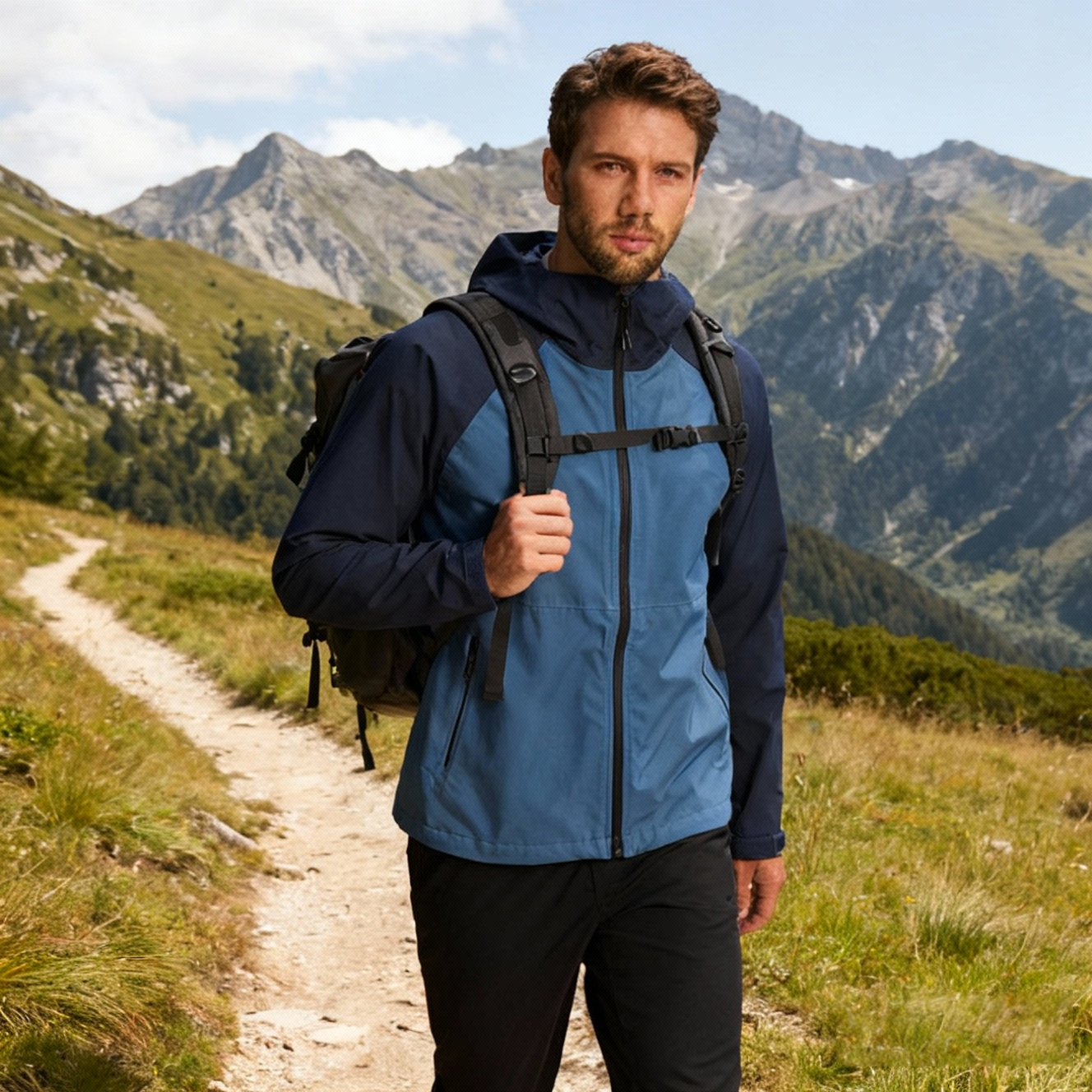
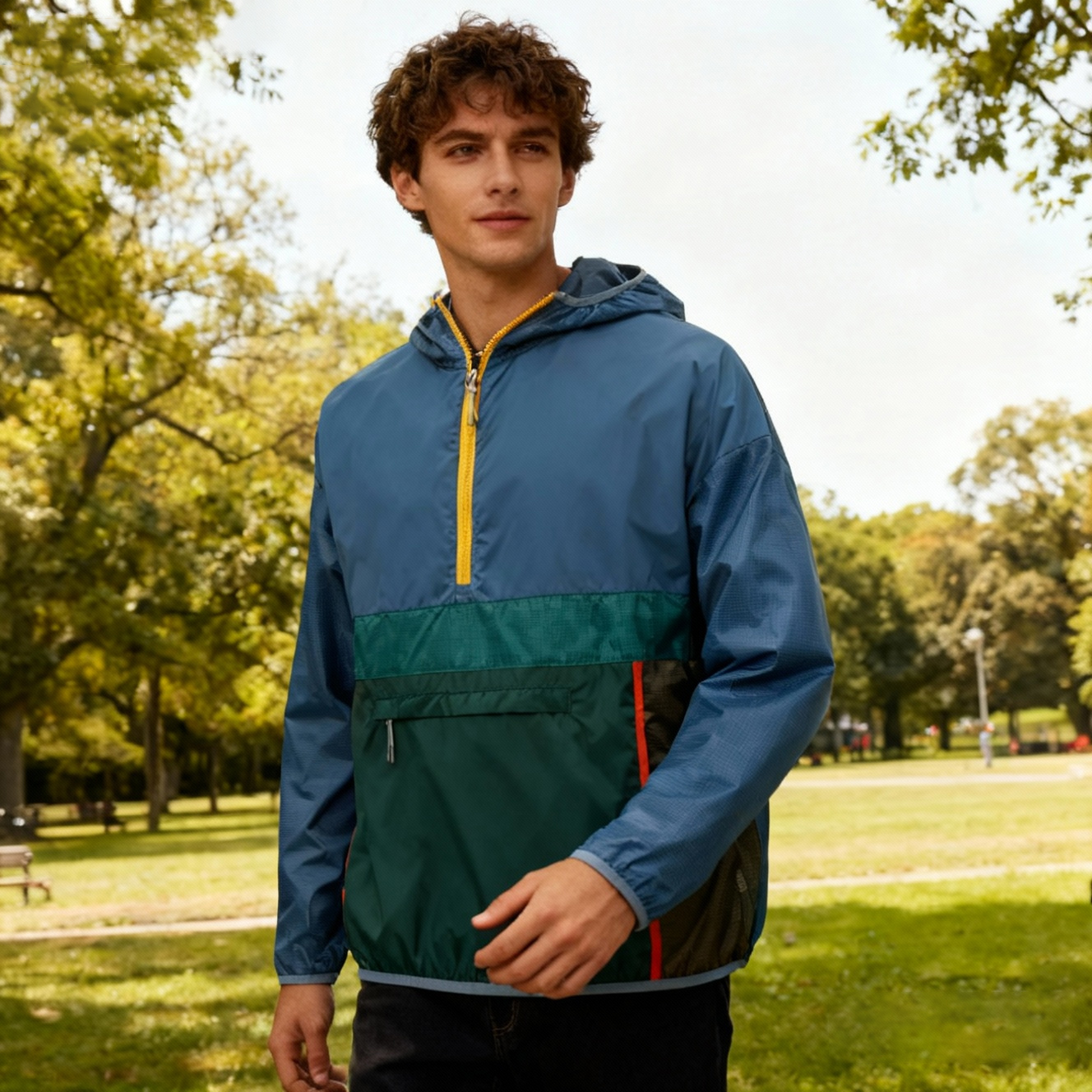
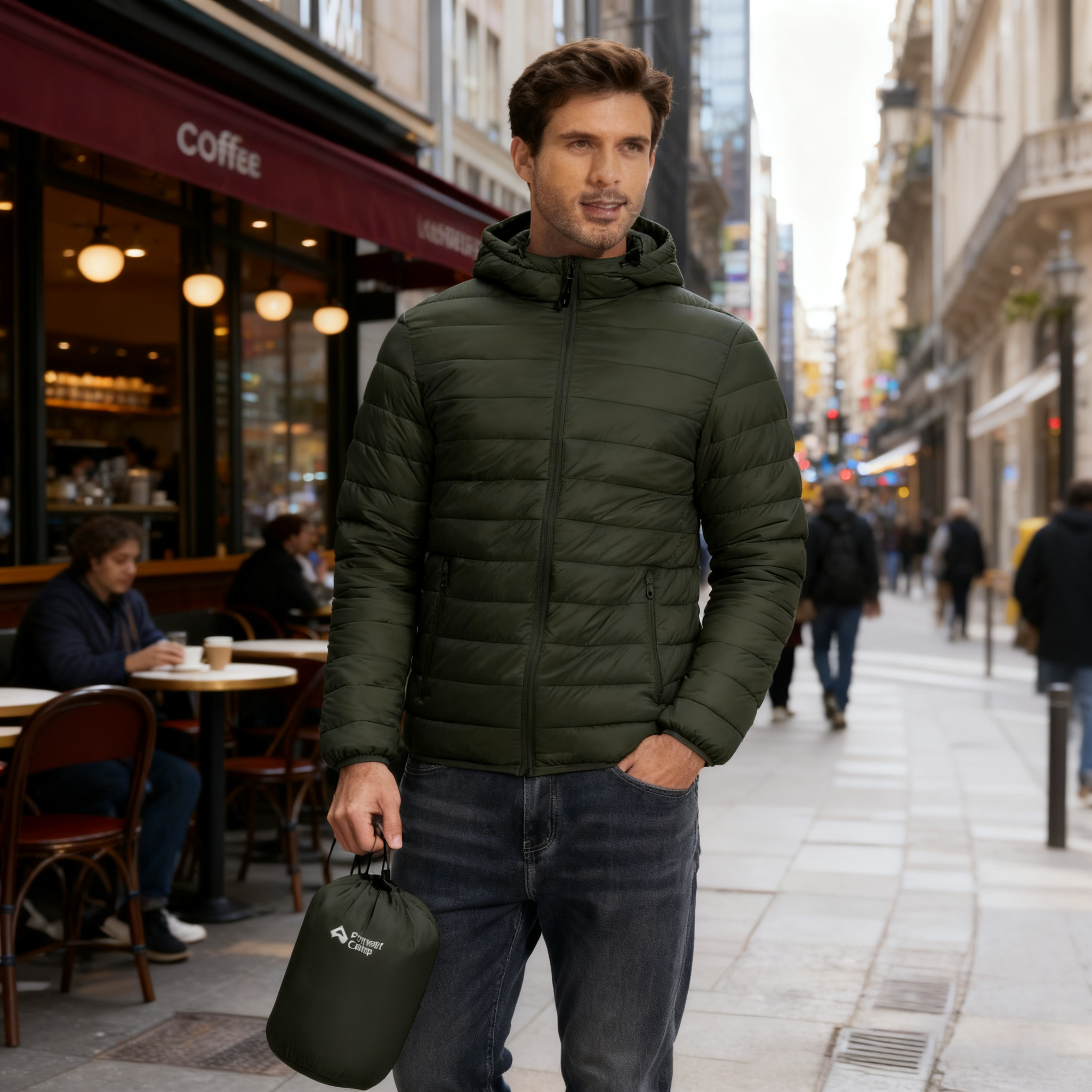
- MOQ 100+

- Samples 7–10 days

- OEM/ODM


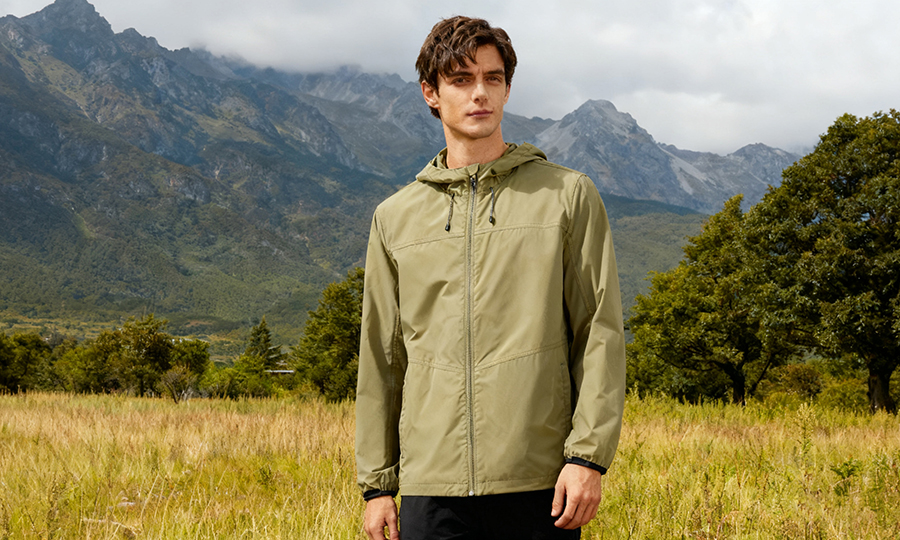

streetwear / teamwear / outdoor lifestyle

print / embroidery / reflective transfer

regular / relaxed / oversized

print / embroidery / reflective transfer

fit, lining and construction check

fabric shade, zipper and label confirmation

stitching, zipper and measurement checks

polybag, carton mark and delivery
Common logo techniques for windbreaker jackets include screen printing, reflective heat transfer, embroidery, rubber patches, woven badges and custom labels. The best option depends on your shell fabric, logo size, color contrast, brand style and budget. For lightweight nylon or polyester shells, VANRD can test logo placement and application methods before bulk production to help avoid peeling, puckering or color inconsistency.
Quality control for custom jacket production starts before bulk manufacturing. The approved sample, fabric quality, trims, measurements, logo placement, stitching details, labels, and packaging requirements should all be confirmed clearly before production begins.
During production, quality checks usually cover fabric inspection, cutting accuracy, sewing workmanship, seam strength, zipper function, button or snap quality, embroidery or patch placement, lining construction, measurement tolerance, size grading, and overall garment appearance. For jackets, extra attention is needed because structure, shoulder shape, sleeve length, body length, pockets, cuffs, hem, and lining fit can strongly affect the final wearing experience.
Before shipment, finished jackets should be checked against the approved sample and order specifications. This helps brands reduce bulk defects, avoid inconsistent sizing, and keep production quality stable across first orders and repeat orders.
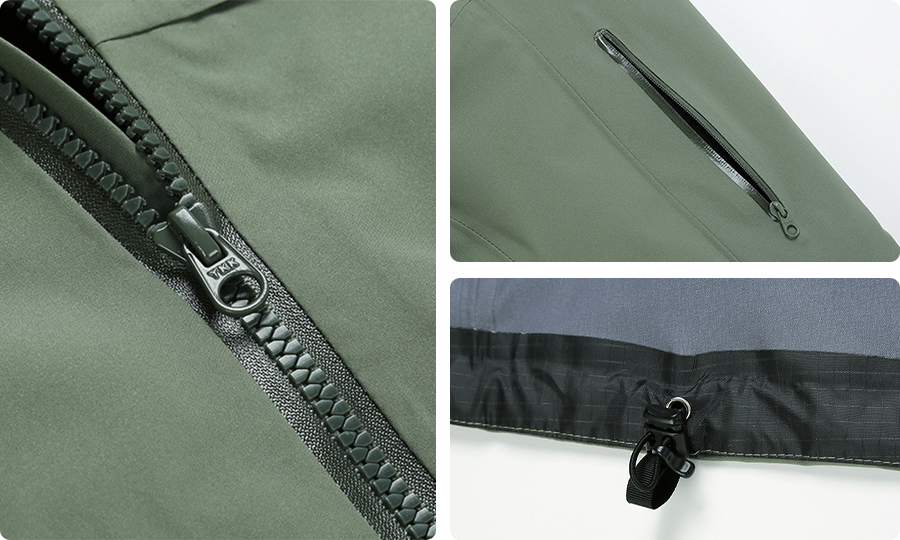
Brands should check whether the windbreaker jacket manufacturer has experience with lightweight outerwear, not only basic apparel. Windbreakers require careful control of shell fabric, lining, zipper quality, hood construction, cuffs, hems, pockets, logo placement, packing, and final garment shape.
Before starting development, brands should confirm the manufacturer’s fabric sourcing ability, sample process, MOQ, logo technique options, quality control standards, and bulk production timeline. A reliable windbreaker jacket manufacturer should understand nylon, polyester, ripstop, taslan, mesh lining, water-resistant finishes, and private label details.
For growing brands, this helps reduce first-order risk. For designers, it helps protect design accuracy. For established brands, it supports repeat order consistency. For influencers and KOL brands, it helps turn a simple jacket idea into a more premium merch or apparel drop.
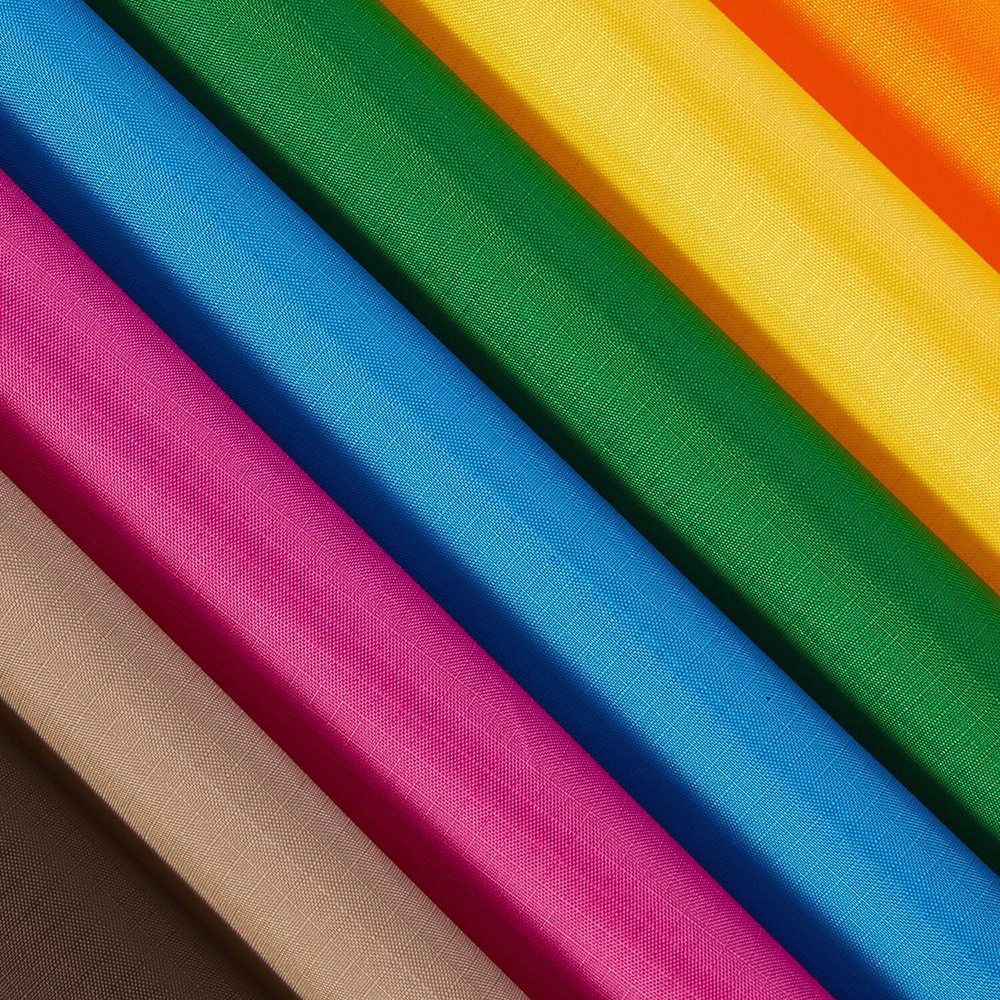
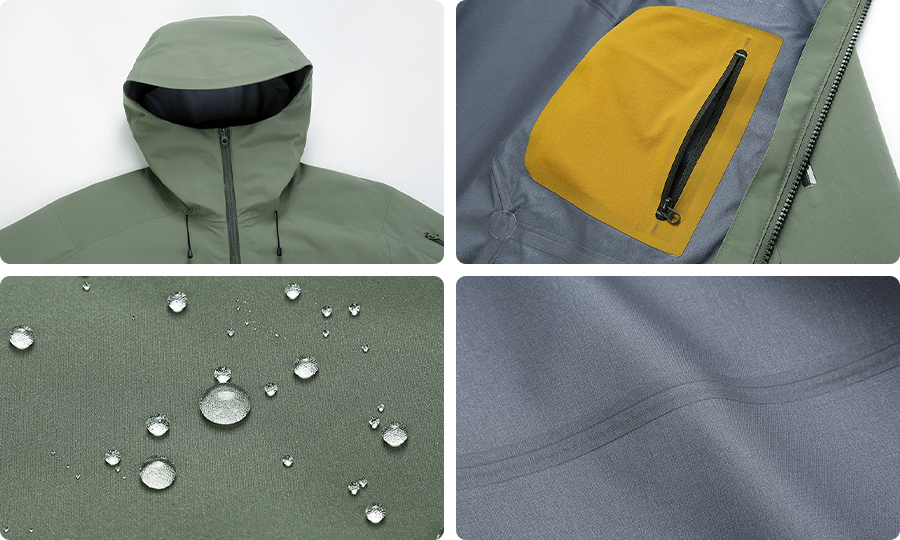
Brands should choose windbreaker jacket fabric based on the product’s target use, price level, handfeel, durability, and visual style. Nylon is often used for lightweight windbreakers with a smooth handfeel and sporty appearance. Polyester can be a practical option for cost control, color stability, and everyday outerwear. Ripstop is suitable when brands want a more technical look with better tear resistance. Taslan can provide a softer, more textured surface for casual, outdoor, or lifestyle windbreaker styles.
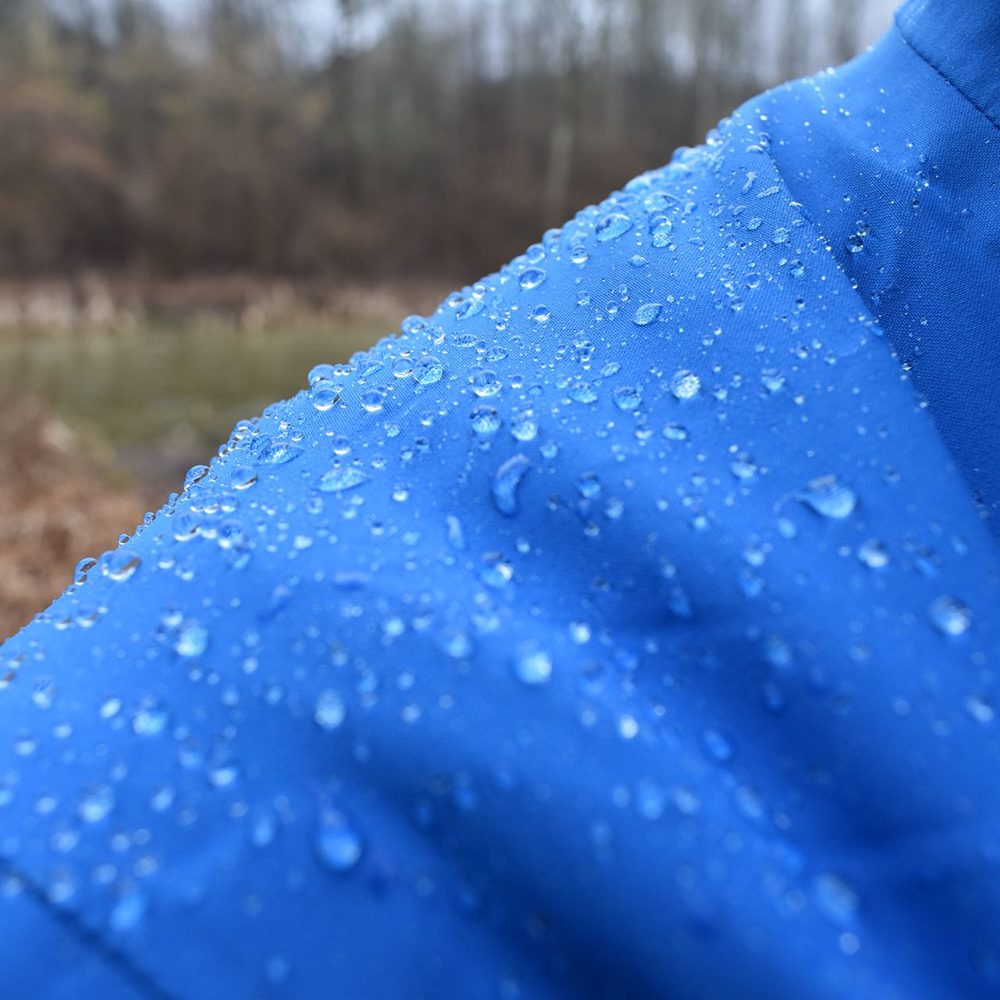
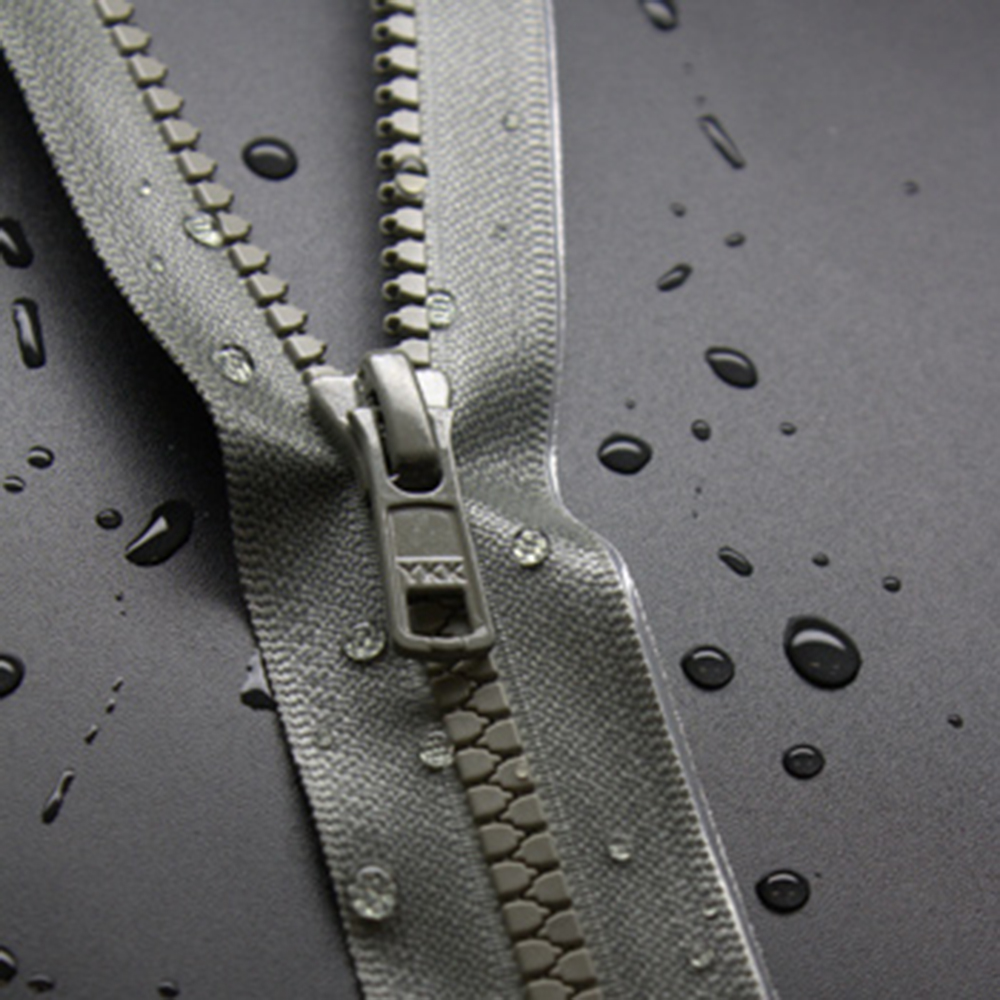
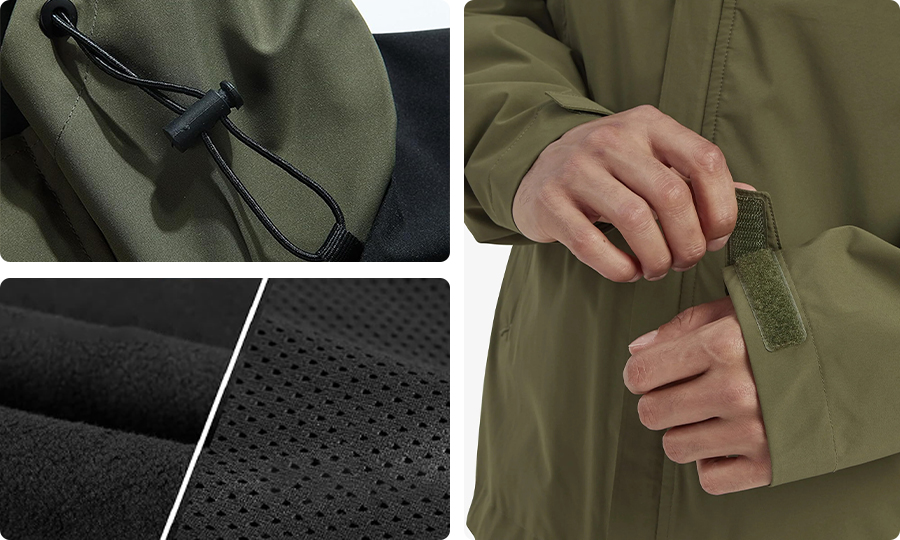
The lining also matters. Mesh lining can improve breathability and comfort, while taffeta lining gives a smoother inner finish. For lightweight shell jackets, brands should also consider water-resistant finishes, zipper quality, elastic cuffs, drawcords, ventilation details, and packing method.
There is no single best fabric for every windbreaker. Streetwear brands may prefer matte nylon or crinkle texture, outdoor programs may need more durable and water-resistant fabric, and teamwear or promotional programs may focus on cost, color consistency, and easy logo application.
Common mistakes in custom windbreaker jacket development include choosing fabric only by photo, ignoring fabric handfeel, using the wrong logo technique on lightweight shell fabric, selecting weak zippers, approving poor fit, and starting bulk production before the sample is fully confirmed.
Brands should also avoid vague instructions such as “make it lightweight,” “make it waterproof,” or “make it oversized” without clear fabric references, measurements, lining requirements, logo placement, and target use. A windbreaker for streetwear, outdoor use, running clubs, teamwear, or influencer merch may require different fabric, fit, trim, and construction choices.
Before bulk production, brands should confirm the approved sample, shell fabric, lining, zipper, cuffs, hood, hem, pockets, logo method, size range, packaging, and QC standard. This helps reduce sampling mistakes, avoid bulk production delays, and keep the final jacket closer to the brand’s original design direction.
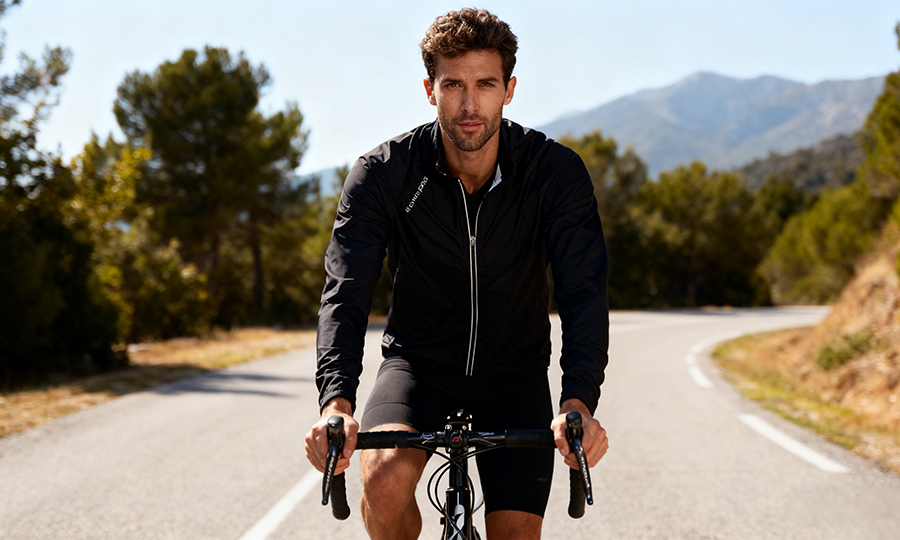
Windbreaker jackets should be developed differently depending on the target customer, selling channel, and brand positioning. Streetwear windbreakers often focus on oversized or boxy fit, matte shell fabric, contrast panels, bold logo placement, custom patches, and strong visual identity.
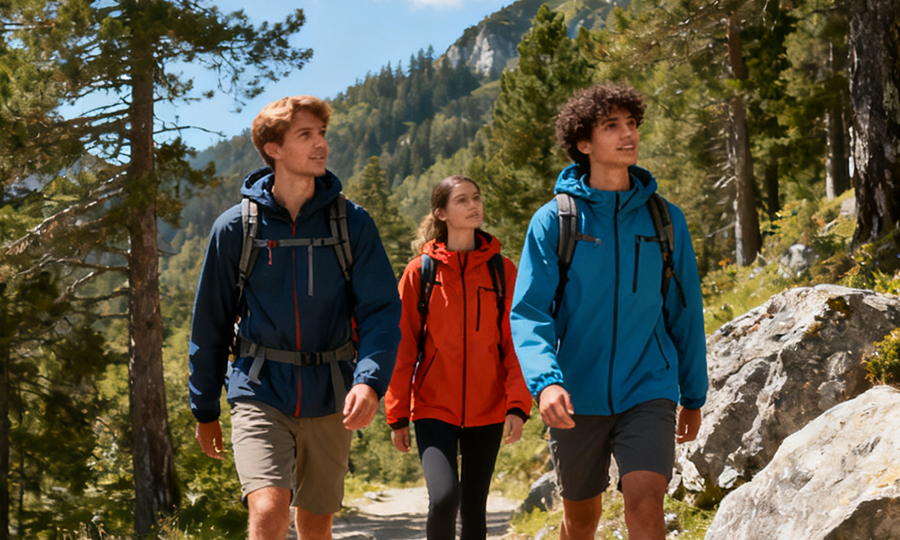
Outdoor windbreakers usually need more attention to wind resistance, light water resistance, hood function, breathable lining, zipper quality, pocket structure, adjustable cuffs, and practical trims. Teamwear windbreakers often require stable sizing, durable fabric, easy-care materials, clear logo placement, and controlled production cost.
Influencer and KOL windbreakers may focus more on limited-edition appeal, eye-catching colors, slogan graphics, premium packaging, and fast launch planning. Before sampling, brands should explain whether the jacket is for streetwear retail, outdoor lifestyle, sports teams, corporate programs, creator merch, or private label collections. This helps the manufacturer recommend the right fabric, fit, logo technique, and production plan.