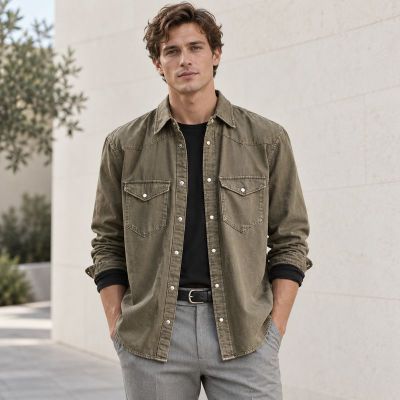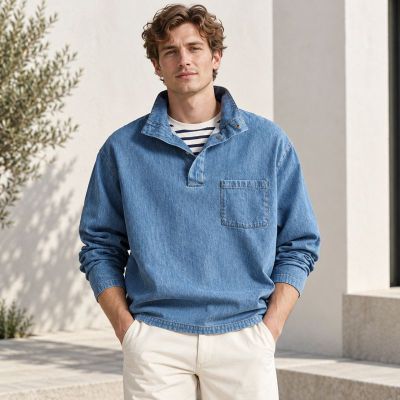
Utility Streetwear Trends 2026: How Established Brands Develop Work Jackets, Cargo Pants, and Technical Outerwear
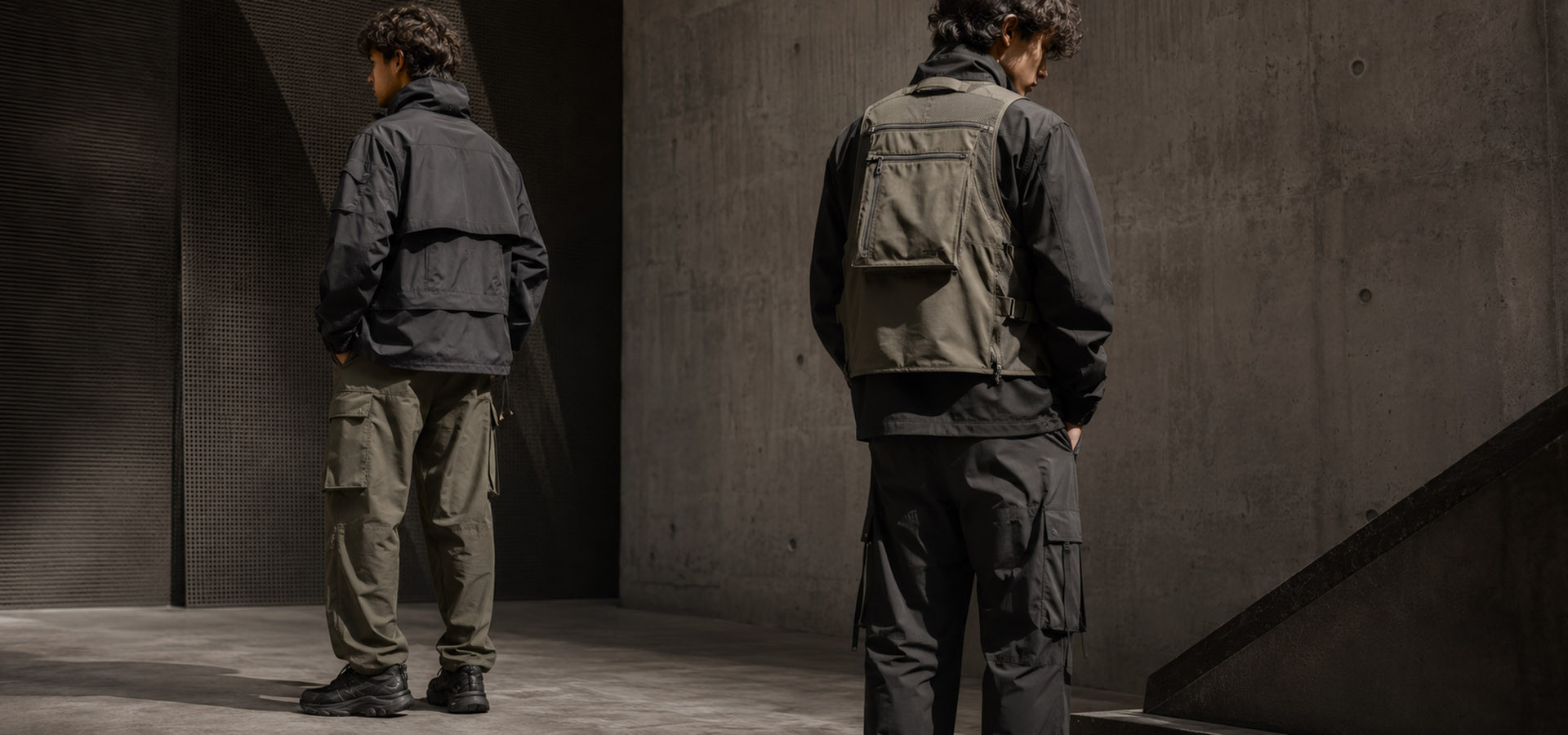
Utility Streetwear Trends 2026: How Established Brands Develop Work Jackets, Cargo Pants, and Technical Outerwear
Utility streetwear is no longer just about pockets and rugged fabrics. In 2026, it is becoming a serious product direction for established brands that want functional silhouettes, stronger perceived value, and collections that feel both wearable and commercially sharp.
For established apparel brands, chasing every trend is dangerous. But ignoring the right trend is also risky. Utility streetwear sits in the rare middle ground: it is fashionable enough to feel current, functional enough to last beyond one season, and complex enough to separate serious brands from basic merch sellers. That is why work jackets, cargo pants, technical vests, and lightweight outerwear are becoming important products for brands planning 2026 collections with a reliable OEM/ODM apparel manufacturing partner.
Related VANRD Production Pages for Utility Streetwear Brands
Use these pages to move from trend research to real product development, sampling, quality control, and bulk production planning.
Introduction: Why Utility Streetwear Is More Than a Trend
Some trends are loud for a month and then disappear like a flash on a runway camera. Utility streetwear is different. It is built around practical details that people actually use: pockets, durable fabrics, adjustable hems, protective layers, reinforced seams, and modular styling. Those details make the product easier to wear, easier to style, and easier for customers to justify buying.
For a mature streetwear or lifestyle brand, that matters. A basic hoodie can still sell well, but the market is crowded. A utility work jacket with the right fit, fabric, pocket structure, and hardware can sit at a higher price point. A cargo pant with a clean silhouette and strong construction can become a repeatable core product. A technical shell can expand the brand into outerwear without moving too far away from everyday streetwear.
Utility Is Moving From Outdoor Function to Everyday Streetwear
Customers are dressing for movement, weather, travel, city life, and casual workdays. They want clothes that look styled but do not feel fragile. That is where utility streetwear wins. It borrows from workwear, military clothing, outdoor gear, and techwear, then softens those references into products that can be worn daily.
Why Established Brands Should Pay Attention Now
Established brands need product directions that can support more than one drop. Utility streetwear can do that because it is not locked into one graphic or one seasonal color. The same product family can evolve through fabric weight, pocket design, wash effect, trims, color blocking, and fit adjustments. In other words, utility streetwear is not just a style. It is a product system.
Higher Perceived Value
Functional structures, strong trims, and engineered details help products feel more premium than basic streetwear.
Better Collection Depth
Work jackets, cargo pants, vests, and shells can build a full capsule instead of one isolated product.
Stronger Manufacturing Story
Complex products let brands show quality through fit, fabric, stitching, pocket placement, and finishing.
What Is Utility Streetwear in 2026?
Utility streetwear in 2026 is not the same as old-school tactical clothing. It is not about making every garment look like military gear. It is about using functional design language in a cleaner, more wearable way. Think boxy work jackets, relaxed cargo pants, nylon shells, technical vests, carpenter-inspired details, reinforced pockets, adjustable hems, and fabrics that hold structure without feeling stiff.
The best utility streetwear pieces feel useful without looking overdesigned. They have enough detail to feel intentional, but not so much hardware that the product becomes costume-like. That balance is important for established brands. Customers want function, but they also want taste.
The New Definition of Utility Streetwear
The new utility direction is shaped by four ideas: function, structure, comfort, and identity. Function gives the garment practical value. Structure gives it shape and presence. Comfort makes it wearable. Identity makes it belong to the brand instead of looking like a generic product from a catalog.
Function, Structure, Comfort, and Brand Identity
A utility jacket should not only have pockets; the pockets should support the silhouette. Cargo pants should not only have extra storage; the pocket scale and placement should match the leg shape. A technical shell should not only use nylon; the fabric, seam construction, and trims should make sense for the target market. When those details work together, the product feels designed instead of decorated.
Why Utility Products Attract Higher-Quality Customers
From a B2B manufacturing perspective, utility streetwear is valuable because it attracts brands that care about product development. These customers usually ask better questions. They care about fabric weight, pocket construction, shrinkage, hardware, size grading, sample correction, and bulk consistency. That is a better customer profile than someone who only asks for the cheapest blank hoodie.
Utility products also create a natural reason for brands to work with a stronger manufacturer. A basic tee can hide weak development for a while. A cargo pant cannot. If the pocket placement is wrong, everyone sees it. If the waistband twists, the product feels cheap. If the jacket fabric collapses, the silhouette disappears. Utility streetwear exposes manufacturing ability.
Utility Products Have Higher Perceived Value
Customers often understand value visually. More structure, better fabric, stronger trims, clean stitching, and functional details all make a product feel more substantial. A well-developed work jacket or technical outerwear piece can carry a higher retail price because the customer can see and feel what they are paying for.
Complex Products Require Stronger Manufacturing Partners
That is why established brands should not treat utility streetwear as a simple trend add-on. These products require pattern control, fabric matching, trim sourcing, sample review, and quality control. The development process should be more disciplined than a simple graphic T-shirt order.
Trend Product 1: Work Jackets
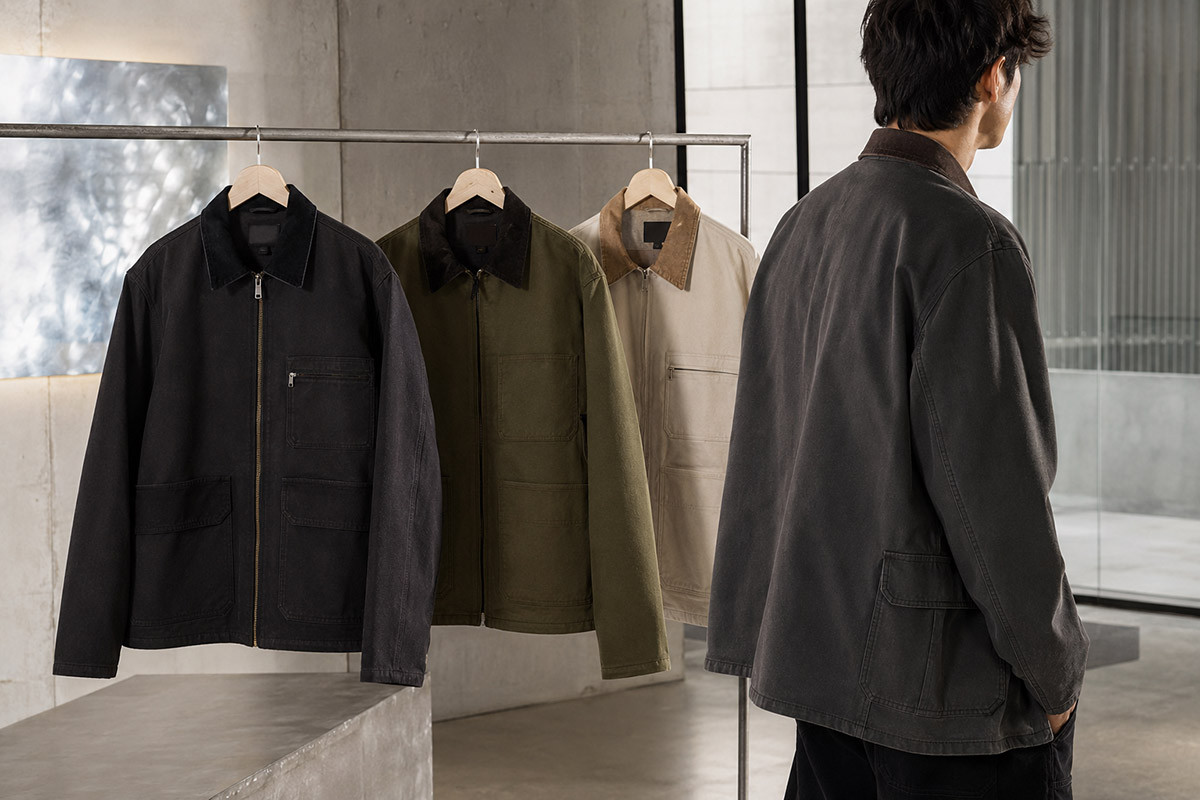
Work jackets are one of the most practical entry points into utility streetwear. They are familiar enough for customers to understand, but flexible enough for brands to reinterpret. A work jacket can feel vintage, minimal, rugged, cropped, oversized, washed, clean, or technical depending on the fabric and fit.
For 2026, the strongest work jacket direction is not overly heavy or stiff. Established brands should look at lighter, more wearable versions: cropped work jackets, zip-up chore jackets, boxy canvas jackets, twill utility jackets, duck canvas outerwear, and clean uniform-inspired shapes. The goal is not to copy old workwear. The goal is to turn workwear language into a modern streetwear product.
Why Work Jackets Are Returning
Work jackets offer something many streetwear products lack: structure. A hoodie is soft. A T-shirt is flat. A work jacket frames the body. It creates a stronger silhouette and makes a collection look more complete. It also photographs well, which matters for online brands and product campaigns.
Key Work Jacket Styles for 2026
Strong options include cropped zip work jackets, duck canvas jackets, chore jackets, utility overshirts, boxy trucker-inspired jackets, and washed twill jackets. Brands can develop them with contrast collars, metal zippers, snap buttons, patch pockets, embroidery, woven labels, reinforced seams, or custom lining.
Fabric and Trim Details Brands Should Control
Fabric choice changes the entire product. Duck canvas gives structure. Cotton twill gives everyday wearability. Nylon blends make the jacket lighter and more modern. Washed fabrics create vintage character. For trims, established brands should control zipper quality, snap strength, pocket reinforcement, rib or collar tension, label placement, and bulk color consistency.
Brands developing custom work jackets can connect the design direction with custom jacket manufacturing, fabric and technique development, and quality control standards so that the garment does not lose its shape in bulk production.
Trend Product 2: Cargo Pants
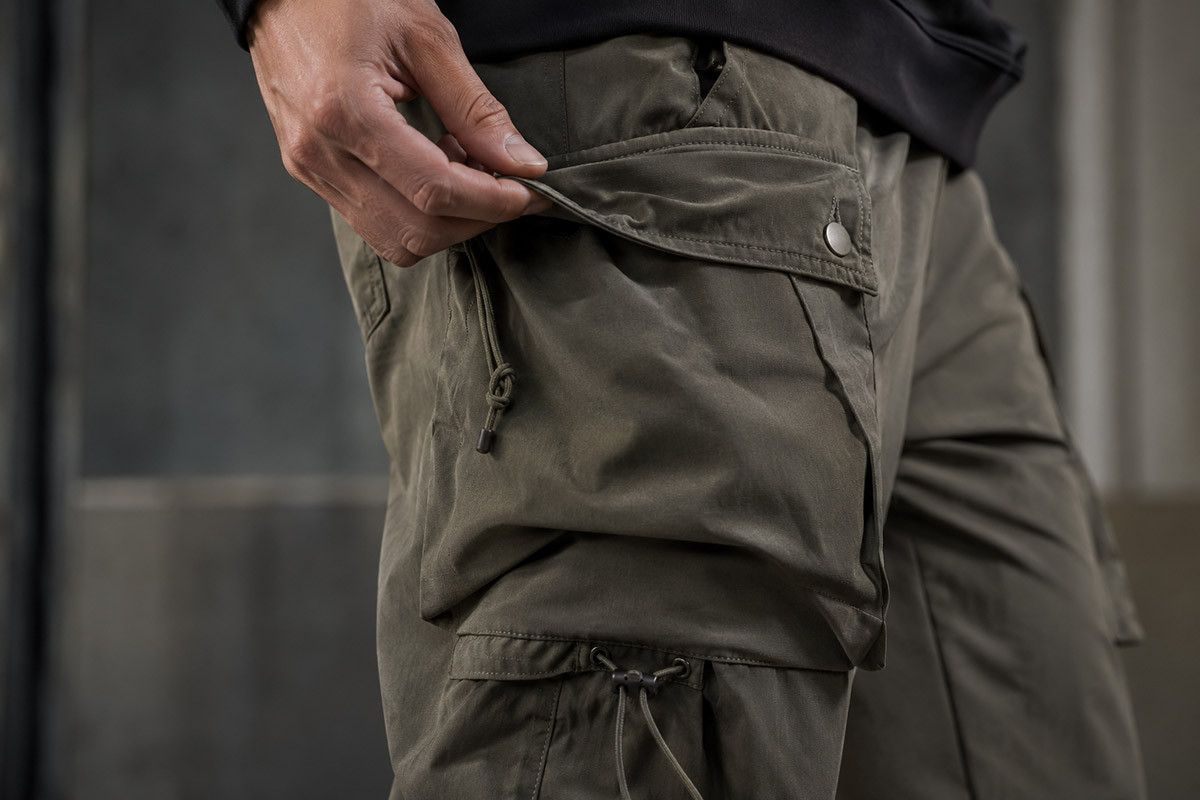
Cargo pants are no longer a lazy throwback. The modern cargo pant has become one of the most useful bottoms for streetwear brands because it combines comfort, detail, and styling flexibility. It can be wide, straight, relaxed, tapered, technical, washed, minimal, or heavily pocketed.
For established brands, cargo pants are attractive because they can become a long-term product line. You can release one version in cotton twill, another in nylon, another in ripstop, and another as part of a matching jacket set. The structure stays recognizable while the material and styling evolve.
Why Cargo Pants Are Still Strong in 2026
The cargo pant works because it answers a simple customer desire: “I want something comfortable, but I still want the outfit to look designed.” Extra pockets, relaxed proportions, adjustable hems, and technical fabrics make the pant feel more considered than a basic sweatpant, but more wearable than tailored trousers.
Modern Cargo Pants Are Not Old-School Baggy Pants
The best cargo pants in 2026 are more controlled. They may still have volume, but the volume needs balance. The rise, knee shape, pocket size, hem opening, and waistband construction all affect whether the pant looks premium or sloppy. A good cargo pant is like architecture: every pocket and seam needs a reason to be there.
Pocket Structure, Waistband, Rise, and Leg Shape
For production, cargo pants require careful control. Pocket placement must stay consistent across sizes. Side pockets should not drag the garment out of shape. Waistbands need stability. Drawcords, elastic, zippers, snaps, and buttons need to be tested. If the pant includes knee panels, pleats, or adjustable hems, those details should be confirmed during sampling before bulk production.
Trend Product 3: Technical Outerwear
Technical outerwear is where utility streetwear becomes sharper. Lightweight shells, nylon anoraks, windbreakers, track jackets, and packable outerwear allow brands to move beyond fleece and cotton. These products work well for transitional weather and travel-focused city wardrobes.
Technical outerwear also gives a brand a more complete seasonal offer. A customer may buy a hoodie once, but a shell jacket creates a new layering need. When styled with cargo pants or a technical vest, the collection starts to feel like a full product universe.
Why Technical Shells and Anoraks Matter
Shell jackets and anoraks are useful because they are light, visible, and functional. They can include contrast panels, hidden pockets, reflective details, adjustable cords, mesh lining, half-zip openings, waterproof zippers, or elastic cuffs. For established brands, these details create room for design differentiation.
Nylon, Ripstop, Water-Resistant Finishes, and Lightweight Construction
Material selection is critical. Nylon gives a smooth technical look. Ripstop adds texture and durability. Polyester blends can control cost and color consistency. Water-resistant finishes can add performance value, but they need to be matched with the right sewing and finishing methods. A technical shell should look clean, move comfortably, and hold its shape after repeated wear.
For brands developing technical outerwear, VANRD can support OEM/ODM apparel manufacturing, fabric direction, sampling, custom trims, and production planning for bulk orders.
Trend Product 4: Technical Vests
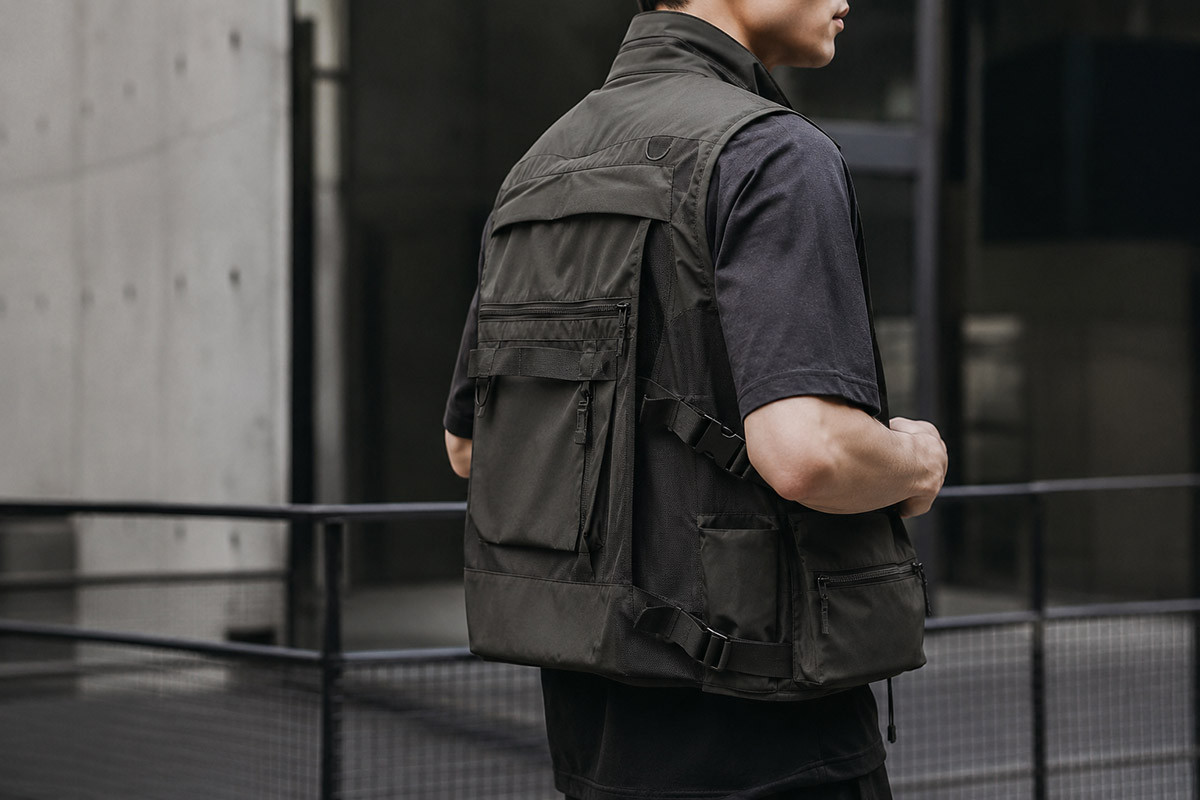
Technical vests are one of the most underrated utility products for streetwear brands. They add dimension without requiring the same full outerwear commitment as a jacket. They layer over T-shirts, hoodies, long sleeves, and lightweight shells. They also create a strong visual identity for lookbooks and campaign images.
A vest can be minimal or complex. It can use multiple pockets, mesh panels, webbing, zipper compartments, contrast binding, padded sections, or lightweight nylon. But again, the best version is not the one with the most details. The best version is the one where every detail supports the product’s use and look.
How Vests Add Layering Value to Streetwear Collections
Layering is important for established brands because it increases styling possibilities. A technical vest can refresh existing hoodies and tees. It can also create a new hero item without forcing the brand to completely change direction. That makes it useful for capsules, seasonal drops, and limited releases.
Multi-Pocket Layouts, Zippers, Webbing, and Function-Driven Details
Production details matter here. Pocket symmetry, zipper smoothness, fabric tension, lining, binding, webbing strength, and size grading all need attention. Technical vests often fail when the front panel becomes too heavy or when pocket placement looks uneven across sizes. Sampling should test both appearance and wearability.
How Established Brands Build Utility Streetwear Capsules
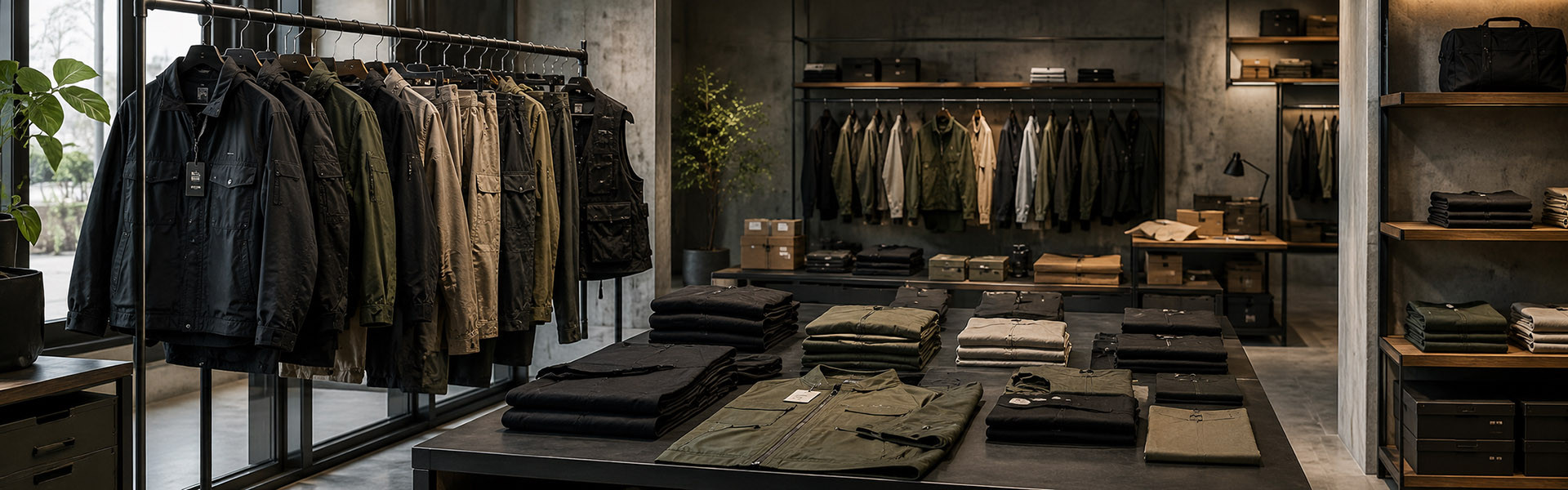
The real opportunity is not one product. It is a capsule. A strong utility capsule might include a work jacket, cargo pants, technical vest, nylon shell, heavyweight tee, and hoodie. These products can share color direction, fabric logic, trims, and brand details while serving different wearing moments.
This is where established brands have an advantage. They usually already understand their customer. They know what fits sell, what colors repeat, what price points work, and what product categories can expand the basket size. Utility streetwear gives them a framework to build a collection that feels both trend-right and commercially stable.
Jacket + Cargo Pants + Vest + Shell
A simple capsule structure can start with one hero outerwear piece, one bottom, one layering vest, and one lightweight shell. This gives the brand enough depth for styling, but not so much complexity that production becomes difficult to manage. For early testing, brands can develop one or two colorways before expanding into full seasonal production.
Color System, Fabric System, and Category Expansion
Utility streetwear works best with a controlled color system. Black, washed charcoal, olive, khaki, stone, brown, navy, and muted grey are strong starting points. Accent colors can be added through lining, stitching, drawcords, labels, or zipper pulls. Fabric systems should also be planned carefully. Too many unrelated fabrics can make the collection feel scattered. A good capsule feels like a family, not a random group of products.
| Product | Key Development Focus | Best Use for Established Brands |
|---|---|---|
| Work Jacket | Boxy fit, canvas or twill fabric, hardware, pocket placement, stitching strength. | Hero outerwear piece for seasonal drops and higher perceived value. |
| Cargo Pants | Waistband, rise, leg shape, pocket structure, adjustable hem, bulk measurement control. | Repeatable bottom category with strong styling flexibility. |
| Technical Vest | Multi-pocket layout, nylon fabric, zippers, webbing, lining, panel balance. | Layering item that creates capsule depth and campaign impact. |
| Nylon Shell | Lightweight construction, water-resistant finish, drawcords, lining, zipper quality. | Transitional outerwear for city, travel, and active streetwear styling. |
What Established Brands Should Prepare Before Sampling
Utility streetwear needs better preparation than basic products. Before sampling, brands should prepare the target silhouette, fit reference, fabric direction, trim expectations, pocket layouts, artwork files, label requirements, color standards, and estimated order quantity. If you already have an approved product that represents your fit, send it. If you have a tech pack, even better.
The goal is to reduce guessing. A manufacturer can help develop the product, but the brand should still define the direction. Are you building a rugged workwear capsule, a clean technical city collection, or a vintage utility drop? Each direction affects fabric, trims, fit, wash, and production method. You can also review VANRD’s service process before starting sampling.
Tech Packs, Reference Samples, Fit Targets, Fabric Direction, and MOQ Planning
For utility products, the tech pack should include measurements, pocket dimensions, trim details, stitch placement, fabric composition, label placement, and packaging expectations. If the brand does not have a complete tech pack, a strong manufacturer can help convert reference images and product goals into a structured development direction. But the more information you provide, the faster the sampling process becomes.
Utility Streetwear Sampling Checklist
Before starting samples, established brands should prepare the core information that controls product direction and bulk consistency.
How to Control Bulk Quality for Utility Streetwear
Bulk quality control is where utility streetwear either becomes a real product line or turns into a production headache. The more details a garment has, the more chances there are for inconsistency. A pocket can shift. A zipper can wave. A waistband can twist. A drawcord can be too short. A fabric batch can feel different. These details are small individually, but together they decide whether the product feels premium.
Fit Consistency, Pocket Placement, Seam Strength, Hardware, and QC
Established brands should control fit consistency through approved samples, size specs, grading, and measurement tolerance. Pocket placement should be checked across sizes. Seam strength should be reviewed for stress areas such as pockets, crotch seams, armholes, and zipper openings. Hardware should be tested for smooth use and durability. Inline inspection and final inspection are especially important for technical garments with many construction points.
For brands planning utility streetwear production, it is useful to connect product development with service process planning, quality control inspection, and factory strength. That makes the collection easier to manage from sample to bulk.
Why VANRD Fits Utility Streetwear Production
VANRD supports custom streetwear manufacturing for brands that need more than basic production. Utility streetwear requires a factory partner that understands fit, structure, fabric, trims, sampling, and bulk control. That is where manufacturing experience matters.
For work jackets, VANRD can support fabric selection, pattern development, trims, embroidery, patches, labels, and bulk production. For cargo pants, VANRD can help control pocket structure, waistband construction, leg shape, drawcords, hardware, and sizing. For technical outerwear and vests, VANRD can support nylon fabrics, lightweight shells, zippers, webbing, lining, and production-ready sampling.
Established brands do not need a supplier that only says yes. They need a manufacturing partner that can help turn a trend direction into a product that can actually be produced, inspected, packed, and reordered. Utility streetwear is exciting, but only when the execution is strong.
Plan Your 2026 Utility Streetwear Collection With VANRD
Develop work jackets, cargo pants, technical vests, nylon shells, and utility sets with a custom apparel manufacturer built for sampling, fabric development, QC, and bulk production planning.
Start Your Utility Streetwear ProjectConclusion: Utility Streetwear Is a Product System, Not Just a Look
Utility streetwear is one of the strongest product directions for established brands in 2026 because it combines trend relevance with real commercial value. Work jackets bring structure. Cargo pants bring function. Technical outerwear brings weather-ready layering. Vests bring depth and styling flexibility. Together, they can create a capsule collection that feels current, useful, and brand-building.
But utility products also demand stronger development. Fit, fabric, pockets, trims, hardware, stitching, and QC all matter. A weak factory can make these products look overcomplicated. A strong manufacturing partner can make them feel intentional, premium, and repeatable.
If your brand wants to move beyond basic streetwear, utility is a smart direction. Start with the right products, control the right details, and work with a manufacturer that understands both design and bulk production. That is how a trend becomes a long-term product opportunity. To move from concept to production, explore VANRD’s OEM/ODM services or contact the VANRD team.
FAQ
What is utility streetwear?
Utility streetwear is apparel that combines streetwear silhouettes with functional details such as pockets, durable fabrics, reinforced seams, adjustable hems, technical trims, and workwear-inspired construction. In 2026, it includes work jackets, cargo pants, technical vests, nylon shells, and utility sets.
Why are cargo pants still popular for streetwear brands in 2026?
Cargo pants remain popular because they offer comfort, styling flexibility, and visible design value. Modern cargo pants are more refined than old-school baggy versions, with better leg shapes, cleaner pocket placement, adjustable details, and fabric options such as twill, nylon, ripstop, and cotton blends.
What fabrics are best for utility streetwear products?
Common fabric options include duck canvas, cotton twill, nylon, ripstop, cotton-poly blends, washed fabrics, and water-resistant technical fabrics. The best choice depends on the product category, target price, season, structure, and desired hand feel. VANRD can help brands evaluate these options through fabric and technique development.
How can established brands develop a utility streetwear capsule?
Brands can start with a focused capsule that includes one work jacket, one cargo pant, one technical vest, and one lightweight shell. Using a consistent color system, fabric direction, trim standard, and branding details helps the collection feel connected and easier to produce in bulk. For complex outerwear development, brands can also review VANRD’s custom jacket manufacturing capabilities.
Can VANRD manufacture custom utility streetwear for established brands?
Yes. VANRD supports custom utility streetwear development and production, including work jackets, cargo pants, technical vests, nylon outerwear, hoodies, T-shirts, pants, and streetwear sets. Services can include OEM/ODM support, fabric sourcing, sampling, trims, custom branding, quality control, and bulk production planning.