Polo Shirt vs Dress Shirt: 7 Key Differences Explained
Polo Shirt vs Dress Shirt: 7 Key Differences Explained
Both have collars, but they are built for different jobs. Compare fabric, fit, collars and construction—then see what those differences mean if you are developing shirts for your brand.
Find the Right Shirt for You →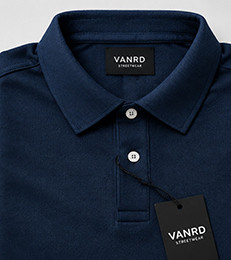 Polo shirt
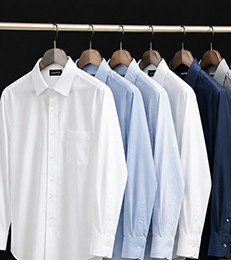 Dress shirt
A Quick Answer: Polo Shirt vs Dress Shirt
Picture two shirts hanging side by side: a navy polo and a pale blue button-front shirt. They both have collars, so what actually separates them? The construction tells you more than the color or the styling.
A polo shirt is usually a knitted pullover with a soft collar and a short button placket. A dress shirt is typically a woven shirt with a more structured collar and buttons running down the front. Polo shirts are common in casual and smart-casual outfits; dress shirts extend into business and formalwear. Neither is automatically higher quality.
The difference matters to shoppers choosing what to wear, and it matters just as much to brands planning a collection. A knitted polo moves differently, needs different construction decisions and responds differently to decoration than a woven dress shirt. Let's start with the details you can compare at a glance.
Polo Shirt vs Dress Shirt at a Glance
Here is a simple side-by-side guide. These are typical features, not fixed rules; modern shirts often borrow ideas from one another.
| Feature | Polo shirt | Dress shirt |
|---|---|---|
| Fabric | Usually knitted piqué, jersey or performance knit | Usually woven poplin, Oxford, twill or broadcloth |
| Collar | Often soft rib-knit, flat-knit or self-fabric | Often structured with interlining; different collar shapes |
| Front opening | Short, usually two- or three-button placket | Full-length button front |
| Fit & movement | Commonly offers natural knit stretch | More shaped or tailored; movement depends on cut and fabric |
| Sleeves | Most often short; long-sleeve versions available | Often long with cuffs; short-sleeve versions available |
| Hem | Often straight with side vents | Often curved for tucking, though casual versions vary |
| Common setting | Casual, golf, uniforms, relaxed officewear | Office, business casual, tailored and formal outfits |
Is a Polo Shirt a Collared Shirt?
Yes. “Collared shirt” is an umbrella term. A polo has a collar, so it qualifies. So do dress shirts, Oxford shirts and a wide variety of casual shirts. In everyday conversation, however, somebody requesting a “collared shirt” may mean a more formal woven option. The dress code or specification matters more than the label.
One more common mix-up: a button-up shirt has buttons down the front. A button-down collar has buttons at the collar points to hold them against the shirt body. These terms describe different features. You can have a button-up shirt without a button-down collar—and a polo can have decorative collar-point buttons, too.
Why does accurate naming matter to a brand? Imagine a supplier receiving a brief that just says 'collared shirt, cotton, embroidered logo.' That leaves fabric structure, front opening and collar build undecided. “Cotton piqué polo with a flat-knit collar, two-button placket and 7 cm left-chest embroidery” is a much more workable starting point.
The 7 Key Differences in Detail
1. Fabric: Flexible Knit vs Structured Woven
Start by touching the fabric. A classic polo often has a slightly textured surface and some give when you pull it gently across its width. A typical dress shirt feels smoother or crisper and tends to hold a more defined shape. That difference usually begins with knitting versus weaving.
Knits are built from interlocking loops. The loop structure often lets the fabric stretch and recover more easily, even without elastane. Polos commonly use cotton piqué for a textured, recognizable look, single jersey for a softer T-shirt-like feel, or engineered performance knits for specific activewear requirements. Fine-gauge knit polos can also look exceptionally neat and refined. The term “piqué” can also refer to some textured woven fabrics, so a spec should say whether you mean knit piqué; Cotton Incorporated’s piqué guide explains the distinction.
Woven shirts use two sets of yarns that cross each other. Poplin is often smooth and light, Oxford has a recognizable basket-like texture, and twill creates subtle diagonal lines. These are all woven constructions, but they do not have the same weight, drape or handfeel. Stretch fibers can make a woven shirt flexible, too.
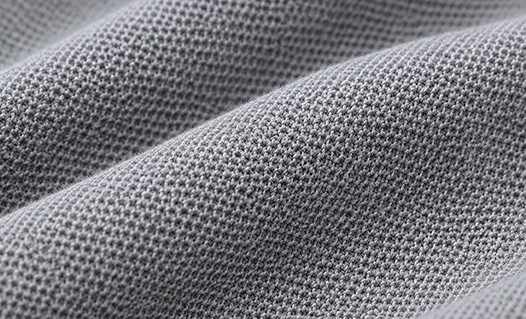
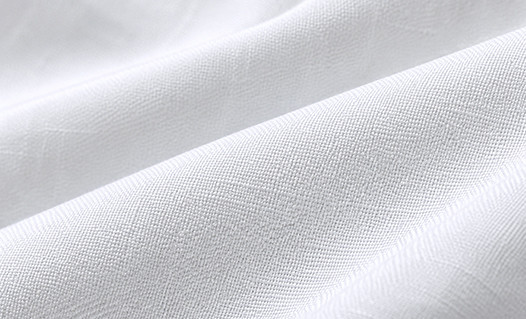
These are real close-up textile photographs to illustrate construction—not certified macro samples of a particular cotton piqué or shirting fabric.
Does that mean a polo is always more breathable or a woven shirt is always more durable? No. Fiber composition, yarn, density, finishing, fit and testing all affect comfort and performance. A heavy cotton piqué can feel warmer than a lightweight poplin; a loosely constructed knit may behave differently from a compact one. The fabric name alone does not establish quality.
For apparel brands: compare fabric swatches by handfeel, opacity, recovery, drape and washed appearance—not GSM alone. If you are developing a private label polo, ask for the exact knit construction and confirm how it performs in a sewn sample.
2. Collar: Soft Edges vs Built-In Structure
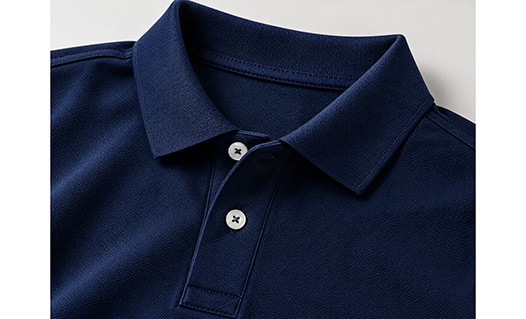
A shirt collar works much like a frame around a picture: even a small change in shape can make the whole garment look different. A classic polo often uses a rib-knit or flat-knit collar, which follows the body fabric and feels relatively relaxed. Some polos use a self-fabric collar; others add tipping stripes, contrast color, or extra support for a cleaner look.
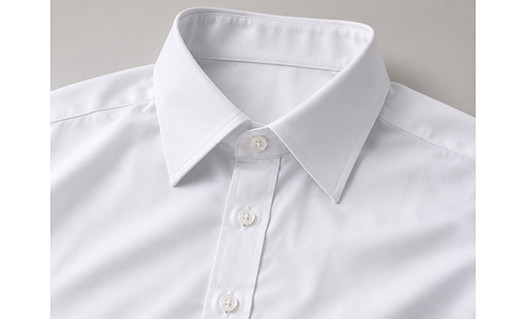
A dress shirt typically has a shaped woven collar with interlining, which can give the points a more defined edge. Point, spread and button-down collars create different visual effects, and the stiffness depends on the construction. A more structured collar is not necessarily a better collar—it simply serves another purpose.
When you inspect a polo, look at the collar points after a wash. Do they curl or wave? Does one side sit higher than the other? If a dress shirt collar is fused, check for bubbling and uneven edges. The problem may be hard to see on a hanger but obvious once the shirt is buttoned.
3. Button Placket: Short Opening vs Full-Front Closure
Most polos are pulled over the head. Their buttons sit on a short opening, usually two or three buttons deep. A dress shirt opens fully from the collar to the hem. That's why you can put on a dress shirt without pulling it over your head—and why its front construction is designed differently.
On a knit polo, the placket must sit neatly against fabric that can stretch and move. A wavy edge, twisted opening or puckered stitching is immediately visible, especially on solid-colored designs. The depth of the opening also affects how the shirt looks with the top button undone. A shallow placket feels classic; a longer one can look sportier or more directional.
For a woven shirt, button spacing, front-edge alignment and the stability of the buttonholes matter more across the full length. A concealed placket can look cleaner, while a visible stitched placket adds visual definition. These are not decorative decisions only: they affect sewing operations, material use and how the finished garment hangs.
Want to see how those details translate into actual product specifications? Compare VANRD's textured piqué polo with a two-button placket with the construction options in its custom polo manufacturing service.
4. Fit and Movement: Natural Give vs Pattern-Led Ease
Fit is where fabric and construction meet. A knit polo can follow your movement because of the way the loops stretch. A woven shirt usually relies more on its pattern, armhole shape, shoulder position and added ease to allow comfortable movement. A woven fabric containing elastane can change that picture, and a tight polo can still feel restrictive.
A relaxed polo might have dropped shoulders, a wider chest and a shorter, boxier body. A slim golf polo may be closer to the torso, with sleeves intended to stay comfortable during movement. Dress shirts range from sharply tailored to easy, oversized Oxford styles. There is no universally correct 'regular fit.'
Before approving a pattern, try the shirt while seated, reaching forward and lifting your arms. A shirt can match a measurement chart and still pull across the upper back or ride up at the hem. Clothing brands should agree on finished garment measurements, fit intent and acceptable tolerances—not just a size label.
5. Sleeves and Hem: Small Changes, Different Silhouettes
A short-sleeve polo often finishes with a ribbed cuff or clean hem, plus a fairly straight bottom edge. The side vents you see on classic polos are there for movement and comfort, but they also create the recognizable shape of the garment. Long-sleeve polos, jersey styles and rugby-inspired designs offer alternatives.
Dress shirts frequently use long sleeves, cuffs and a curved hem that stays tucked into trousers. More casual woven shirts may use a straight hem for wearing untucked. Again, the category does not impose a rule—the intended outfit does.
If the product is designed to sit over jeans or shorts, body length and hem shape deserve attention early in development. If it is meant to stay tucked into tailored trousers, hem length and side-seam balance become more important. These are the details that make a product feel considered rather than generic.
6. Comfort and Care: Test the Finished Garment
Polos often win points for relaxed everyday comfort, especially in soft jersey or flexible piqué. Traditional dress shirts can require more pressing to maintain a crisp look, although easy-care finishes and modern fabric blends complicate the comparison. A premium woven shirt can feel cool and comfortable; a poorly chosen knit can feel heavy or lose shape.
Rather than assuming cotton always means breathable, or polyester always means easy care, ask what happens after actual wear and washing. Does the polo shrink in length? Does the collar lose its shape? Does the dress shirt twist at the side seam or ripple around the collar? Are the instructions on the care label realistic for the customer?
Fabric weight (GSM) is only part of the picture. Two fabrics with the same weight may differ in openness, fiber blend, yarn quality, finishing and surface feel. For commercial development, sample wash results and physical handling are better guides than choosing the highest GSM.
7. Occasion and Styling: Smart Casual vs Formal
For a restaurant meeting, casual office or weekend outing, a neat polo can be exactly right. For a formal workplace, a wedding requiring business attire or an outfit with a tie, a dress shirt is usually the safer choice. The dress code sets the boundaries.
There is room to experiment. A fine-gauge polo under an unstructured blazer can look refined. A washed Oxford worn open over a T-shirt is more casual than many people expect from a collared shirt. So which is 'better'? The answer changes with the event, the fabric, the fit and the wearer.
For brands, this gives a practical way to position a product. A classic piqué polo might belong in an everyday essentials collection; an oversized rugby-style polo could support a retro streetwear capsule; a finely cut woven shirt may anchor the smart-casual side of a range.
Which Shirt Should You Choose?
The quickest way to decide is to work backwards from the occasion. Do you need an easy everyday shirt that looks more polished than a T-shirt? A polo is a strong starting point. Do you need a defined collar, a full button front and the option to wear a tie? Look at a dress shirt.
| What you need | Try first | Why |
|---|---|---|
| Everyday comfort | Piqué or jersey polo | Flexible construction and easy styling |
| Smart casual office | Refined polo or Oxford shirt | Both can look neat without feeling overly formal |
| Formal businesswear | Dress shirt | Structured collar and full opening work with tailoring and ties |
| Branded team uniforms | Polo or woven shirt | Choose based on dress code, durability and care needs |
| Retro streetwear | Boxy or long-sleeve polo | Distinctive proportions, collar tipping and surface texture |
And if you are choosing for a clothing collection rather than your own wardrobe, there is one extra question: will the product fit the expectations of your target customer? A golf-inspired polo, a corporate uniform and a streetwear polo could all start with piqué fabric, yet require different fit blocks, decoration methods and finishing.
What the Differences Mean for Clothing Brands
A good collection does not begin with fabric swatches alone. It begins with a clear picture of the customer. A streetwear buyer who wants a substantial, relaxed polo has different priorities from a resort team ordering breathable uniforms or an officewear brand looking for a polished woven shirt.
For a polo, the early decisions should cover knit structure, handfeel, collar shape, button opening and fit. These details need to work together. A heavy textured body with a lightweight, unstable collar may look unbalanced after washing. A dense embroidered logo on a thin jersey may pucker. A very long placket can distort an otherwise clean silhouette.
For a dress shirt, the focus shifts toward woven construction: collar and cuff shape, front placket design, seam finishing, opacity, arm mobility and how the body hangs when tucked or untucked. Even a good woven cloth will not rescue a poorly balanced pattern.
If you are considering a polo range, explore VANRD's custom polo shirt collection for examples of different product directions, and use the Polo Shirt Manufacturer page to see available fabric, collar, placket and branding options. For woven styles, browse the shirts category as a separate development route.
Look at fabric and trim options before requesting a price. A clear specification makes both sampling and bulk quotation much more useful.
Explore fabrics and customization techniques →What to Check Before Approving a Custom Polo Shirt Sample
A polo looks simple until you start checking production details. A three-button placket, a soft collar and a tiny chest logo leave little room to hide poor workmanship. If you are developing a private label collection, a quick visual inspection is not enough.
Fabric behavior after washing
Measure the sample before washing, follow the intended care process, let the garment recover according to the chosen test method, then measure again. Record length and width changes instead of saying the sample 'shrunk a little.' The result helps you decide whether fabric finishing, pattern allowance or another material needs review. Acceptable shrinkage must be agreed for the product and market; there is no single percentage that fits every polo.
Collar recovery and left-right symmetry
Lay the shirt flat and compare the collar points. Then button it and check the neckline on a model. Does one point roll up? Does the collar curl after washing? If it does, the issue may involve rib construction, yarn, finishing, attachment tension or a combination of factors. It is better to investigate before confirming bulk fabric.
Placket alignment, button security and seam balance
Check whether the front opening is straight, the bottom reinforcement lies flat and the buttons align without pulling. Look for rippling where the knit meets the placket fabric. Also inspect shoulder seams, sleeve joins and side seams for twisting or uneven tension. These are small details, but customers notice them immediately.
Artwork on the actual fabric—not a generic mockup
Chest embroidery is a classic choice for a polo. Still, a dense logo can distort a soft knit, especially when the stabilizer or stitch count is poorly matched. Confirm artwork scale, thread colors and placement on the final fabric. If the design uses a patch, transfer or print, test how the decoration behaves after cleaning and stretching, where relevant.
Fit consistency across sizes
Approve a measurement specification and decide which size should be used as the main fit reference. Check selected graded samples if your range is broad or the silhouette is unfamiliar. Simply scaling one sample does not guarantee the collar, sleeve opening and body proportions will feel right for every customer.
These checks do not replace a defined quality-control plan, but they make sample feedback more useful. For a deeper supplier evaluation, see VANRD's polo shirt supplier checklist. If you are still shortlisting partners, the private label polo manufacturer guide covers that separate decision.
How to Make a Private Label Polo Feel Like Your Own Brand
You do not need a giant chest graphic to make a polo distinctive. Sometimes the strongest identity comes from smaller choices: a compact, boxy silhouette; a deep navy piqué with tonal embroidery; a contrasting undercollar; slightly wider sleeve openings; or buttons chosen to complement the fabric. Details work best when they support one clear design direction.
For a minimal premium program, consider a balanced weight, a tidy two-button placket and discreet branding. For a retro-inspired label, you might develop a wider body with tipped rib, a longer sleeve and a vintage color palette. For a uniform range, stable sizing, repeatable colors and easy-care performance may matter more than expressive decoration.
Think about the full customer experience, too. A polo that fits perfectly but arrives with inconsistent neck labels, misplaced embroidery or unclear care instructions will not feel like a finished retail product. Confirm the sample, size chart, labels, packaging and color standards together.
VANRD provides OEM/ODM and private label development for apparel brands, including pattern adjustments, fabrics, collars, plackets, embroidery, prints and production management. The textured piqué polo product page illustrates the kind of specification buyers can use as a starting reference. MOQ depends on the project, but VANRD's published polo manufacturing guidance generally uses around 100 pieces per style and color as a starting point.
Conclusion: Choose the Construction That Fits the Job
So, polo shirt or dress shirt? A polo usually combines a knit body, softer collar and short placket for easy everyday wear. A dress shirt typically uses woven fabric, a fuller button front and more defined collar construction for a cleaner, more formal look. The best choice depends on where it will be worn—and what the wearer expects from it.
If you are creating a collection, use those differences to guide fabric, fit and detail decisions, then validate them on a real sample. That is how a familiar shirt shape becomes a product with its own identity rather than another generic basic.
Share your reference garment or tech pack, target quantity, branding and launch timing. VANRD can help you review the construction and sampling options before bulk production.
Frequently Asked Questions
1. Is a polo shirt considered business casual?
Often, yes. A well-fitting polo in a restrained color can work in many business-casual settings, especially with chinos or tailored trousers. But dress codes vary. In workplaces that expect a tie or a woven collared shirt, choose a dress shirt instead.
2. Is an Oxford shirt a polo shirt?
No. An Oxford shirt is usually a woven button-front shirt made from Oxford cloth. A polo is generally a knitted pullover with a short placket. Both can look casual and both can have button-down collar details, but their typical fabric and construction are different.
3. Are polo shirts always made from cotton piqué?
No. Cotton piqué is a classic choice, but polos can also use cotton jersey, cotton blends, polyester performance knits, interlock and other constructions. The best material depends on the intended drape, wash performance, target market and price point.
4. Why does a polo collar curl after washing?
Collar curling can result from the yarn, rib construction, fabric finishing, attachment tension or washing conditions. A manufacturer should examine the collar and body fabric together and test a sewn sample; adding a stiffer collar is not automatically the right fix.
5. What should I send a manufacturer to develop a private label polo?
Send reference images or a tech pack, your intended fit and size range, fabric direction, collar and placket preferences, logo artwork, labels, packaging requirements, target quantity and timeline. A complete specification is ideal, but clear references can also provide a practical starting point for discussing sample development.