How to Choose a Reliable Clothing Manufacturer in China for Your Fashion Brand
How to Choose a Reliable Clothing Manufacturer in China for Your Fashion Brand
A practical 7-step framework for fashion brands, streetwear labels, and private label buyers to evaluate, sample, and build a reliable apparel supply chain with the right manufacturing partner — without the usual sourcing mistakes.
Factory Types
Spot the difference between large-scale, specialized, and trading companies before you commit.
Sampling Process
Use samples as a risk-free test of quality, fit, and communication before production.
MOQ & Negotiation
Understand what drives minimum order quantities and how to negotiate startup-friendly terms.
Quality Control
Three QC checkpoints that protect your brand from costly manufacturing defects.
Let's be honest — finding a reliable clothing manufacturer in China can feel like searching for a needle in a haystack. You've seen the horror stories: brands that ordered samples that looked immaculate, only to receive bulk shipments that bore no resemblance. Fabric that felt nothing like the swatch. Stitching that unraveled after two washes. Deliveries that arrived three months late, missing an entire selling season.
But here's what most sourcing guides miss: a reliable clothing manufacturer does far more than just produce garments. The right partner supports your product development, manages quality at every stage, ensures production reliability, and ultimately contributes to your brand's long-term growth. You're not just looking for someone who can sew — you're looking for a manufacturing partner who can help you build a brand.
China remains the world's dominant apparel manufacturing hub for good reason — unmatched supply chain density, deep technical expertise, and production flexibility that's hard to replicate. The brands that thrive aren't the ones who found the cheapest factory. They're the ones who learned how to properly vet, sample, and partner with the right manufacturer from day one. Whether you're building a private label clothing brand, launching a streetwear collection, or scaling an existing label, this framework applies.
In this guide, I'll walk you through a proven framework to evaluate clothing manufacturers in China — from verifying factory identity and mastering the sampling process, to assessing product development capability and building a sustainable supply chain. This is based on real factory experience and patterns we've seen work repeatedly for startup and scaling fashion brands at VANRD. Let's dive in.
Why China Still Dominates Global Apparel Manufacturing
Before we talk about how to choose a China clothing manufacturer, let's address why China remains the preferred sourcing destination for fashion brands worldwide. If you're reading this, you've likely already decided to source from China, or you're weighing it against options like Vietnam, Bangladesh, or Turkey.
China's apparel manufacturing ecosystem offers three structural advantages that are genuinely hard to replicate:
Unmatched Supply Chain Density
Drive through Dongguan or Guangzhou, and you'll see what I mean. Fabric mills, trim suppliers, embroidery houses, washing plants, label makers, and packaging suppliers — all within a few kilometers of each other. This density means your clothing supplier in China can source materials, make samples, and adjust production without waiting weeks for cross-border shipments of components. It's an integrated ecosystem, not a collection of isolated workshops.
Deep Technical Expertise
Chinese manufacturers have been producing for the world's top brands for decades. The knowledge transfer has been real. Whether you need heavyweight French terry for custom hoodies, complex puff printing on streetwear, garment washing for that vintage look, or precision embroidery — there's a factory that's already mastered it. This isn't just about lower labor costs; it's about production intelligence accumulated over millions of garments.
Production Elasticity
This is China's superpower that doesn't get enough attention. The same ecosystem can handle a startup's first production order at 100 pieces per style and color and, six months later, scale that same style to 5,000 units without skipping a beat. Try finding that kind of flexibility in most other manufacturing countries. For brands that plan to grow, this scalability is invaluable.
Key insight: These advantages only translate into real value when the manufacturer actually matches your product category. A factory that excels at basic t-shirts may have zero experience with technical outerwear. Start with product fit, not factory size. If you make jackets, look for a specialized jacket manufacturer. If hoodies are your core, find a partner who lives and breathes fleece construction.
Before You Contact Any Factory — 5 Questions You Must Answer First
Here's a mistake we see repeatedly: brands reach out to clothing manufacturers with nothing more than "I want to make hoodies." That's not enough. Factories need specifics to give you an accurate assessment, and vague inquiries signal inexperience.
Before you send that first inquiry to any apparel production partner, answer these five questions:
- 1 What product category am I making? Be specific. Not "jackets" but "oversize cotton work jackets with corduroy collar and chain-stitch embroidery." The more precise you are, the more accurate the factory's response will be.
- 2 What's my target market and quality level? The US market has different compliance requirements than Europe. Fast fashion has different quality expectations than premium streetwear. A custom clothing manufacturer needs to calibrate their production standard to your market.
- 3 What's my realistic order volume per style? Be honest about this. Don't say 500 if you can only commit to 100 — it leads to MOQ mismatches and wasted time on both sides.
- 4 What services do I need? Do you need design assistance (ODM) or just production (OEM)? Custom packaging? Private labeling? Tech pack development? The answer determines which factory model fits you. For full-service support, an OEM and ODM clothing manufacturer is your best bet.
- 5 What's my timeline and budget range? Be realistic. Custom cut-and-sew typically takes 50–75 days from sample approval to delivery. If your launch depends on a 30-day turnaround, you're limiting your options significantly.
What Makes a Clothing Manufacturer Truly Reliable?
Before we walk through the step-by-step selection framework, let's define what "reliable" actually means in the context of apparel manufacturing in China. Too many brands evaluate factories on price alone, then wonder why quality and delivery fall apart. A truly reliable clothing manufacturer earns their reliability across five dimensions:
1. Manufacturing Experience
How many years have they been producing your specific product category? A factory with 15 years of hoodie production understands French terry shrinkage, pocket construction, and rib knit behavior in ways a general factory never will. Look for category-specific experience, not just years in business.
2. Export Track Record
Do they regularly export to your target market? A manufacturer exporting weekly to the US understands CPSC compliance, labeling requirements, and packaging standards. Ask for recent export documentation and references from brands in your market.
3. Product Development Capability
Can they help you go from a concept to a production-ready sample? The best clothing suppliers offer tech pack review, fabric sourcing, pattern development, and sample making — not just production. This is the difference between a vendor and a partner. (We'll cover this in detail below.)
4. Communication Quality
Do they ask clarifying questions before quoting? Do they explain trade-offs honestly? Do they proactively update you on progress? Poor communication is the #1 hidden cause of manufacturing failures — and it's something no factory audit report will catch. Test this during the inquiry phase.
5. Quality Control Infrastructure
Do they have a documented QC process, or do they just say "we check everything"? A reliable OEM clothing manufacturer should have incoming material inspection, in-line quality checks during production, and final random inspection using AQL standards. If they can't describe their QC process in detail, that's a red flag.
The 4 Types of Clothing Manufacturers in China — and Which One Fits Your Brand
Not all clothing manufacturers are created equal. In fact, picking the wrong type of manufacturer is one of the most common sourcing mistakes brands make. Here are the four models you'll encounter:
Large-Scale Manufacturers
These are the big factories with hundreds of workers and massive production lines. They're optimized for repeatable, high-volume production with consistent quality. Best for: established brands with stable forecasts and MOQs of 500+ units per style. Not ideal for: startups testing the market or brands needing frequent style changes and flexible production runs.
Specialized Manufacturers
These factories focus on specific categories — hoodies, jackets, denim, or streetwear. This is often the sweet spot for brands with a clear product focus. A specialized jacket manufacturer understands outerwear construction, lining attachment, and zipper installation in ways a general factory never will. Best for: brands with a defined product category who want deep expertise rather than a jack-of-all-trades.
General Cut-and-Sew Factories
These are versatile production facilities that can handle a range of garment types. They're often more price-competitive for straightforward designs. Best for: simple constructions like basic tees, simple tops, or styles that don't require specialized machinery or deep category knowledge.
Trading Companies vs. Real Factories
Some suppliers present themselves as factories but are actually trading companies (middlemen). That's not necessarily bad — some trading companies provide valuable sourcing coordination and quality oversight. But you should know who you're dealing with. How to tell: ask for their business license, production address, and a live video tour of the workshop. A real factory will happily show you their sewing lines, cutting tables, and QC stations. If you want to work directly with the production source, a private label clothing manufacturer who owns their facility is your best option.
Product Development Capability — Beyond Just Sewing
Here's a dimension that separates reliable clothing manufacturers from commodity factories: product development capability. A factory that only sews will get you garments. A factory that can develop products with you will help you build a brand. This is the difference between OEM (Original Equipment Manufacturing — you provide the design, they produce) and ODM (Original Design Manufacturing — they help you develop and produce).
At VANRD, we've seen that brands who work with a custom apparel manufacturer that offers full development support typically launch 40-60% faster than those who piece together design, fabric sourcing, and production from separate vendors. Here's what full product development capability looks like:
Tech Pack Review & Development
Can the manufacturer review your tech pack and identify potential production issues before cutting begins? Even better — can they help create a tech pack from your design concept, mood board, or reference garment? Professional clothing manufacturers should catch construction problems at the tech pack stage, not on the production line.
Fabric & Trim Sourcing
A manufacturer with strong supplier relationships can source quality fabrics at better prices, suggest alternatives when your first choice has MOQ issues, and identify in-stock materials that reduce lead times. They should be able to provide fabric swatches, GSM specs, and composition certifications before you commit.
Pattern Making & Grading
Professional pattern development is where design intent meets production reality. A skilled pattern maker understands how fabric drape, stretch, and shrinkage affect fit across sizes. They should grade patterns correctly so your size M and size XXL share the same design DNA — a surprisingly common failure point.
Sample Development
This includes development samples, fit samples, and pre-production (TOP) samples. A manufacturer committed to quality won't rush this process. Expect 2-3 sampling rounds for complex garments. The OEM and ODM development process should be transparent at every stage.
Custom Trims & Branding
Your brand lives in the details: custom woven labels, hang tags, zipper pulls, buttons with your logo, and packaging. A private label clothing manufacturer should coordinate all trim sourcing so your branding is consistent across every touchpoint — from the neck label to the poly bag.
Decoration Services
Screen printing, DTG, puff print, embroidery, applique, garment washing, and special finishes. In-house or tightly managed decoration services mean fewer handoffs and faster turnaround. Your hoodie manufacturer should understand how decoration processes interact with fabric and construction.
From VANRD's Production Team: Brands that provide complete tech packs with clear construction details typically achieve sample approval in 2 rounds. Brands that come with only reference images often need 3-4 rounds. Invest in your technical documentation — it's the single biggest lever for reducing time-to-market.
Step 1 — Verify the Factory's Identity (Don't Skip This)
It sounds basic, but you'd be surprised how many brands skip identity verification and regret it later. Verifying your clothing supplier's identity is your first line of defense against misrepresentation.
Request These 3 Documents First
- Business License: Check that the registered name matches who you're communicating with. Note the registered capital (higher = more established) and establishment date (older = more experience).
- Production Address: Make sure the address on the license is a manufacturing facility in an industrial zone, not just an office in a commercial building. A factory with its own production floor is what you want.
- Export License & Customs Records: If they export regularly, they'll have an export license. Ask for recent customs documentation showing shipments to your target market. This verifies they actually deliver internationally.
Cross-Check the Address
Open Google Maps or Baidu Maps and search the production address. Does it show an industrial building with a factory appearance, or is it a residential apartment? We've seen "factories" that were actually small apartments with a few sewing machines. That's not necessarily a dealbreaker for micro-orders, but you should know what you're getting — and the price should reflect reality.
Ask for a Live Video Tour
Any legitimate clothing manufacturer should be willing to walk you through their workshop via video call. If they refuse or make excuses, consider it a significant red flag. During the tour, ask to see: the cutting area (look for professional cutting tables, not scissors on the floor), sewing lines (count the machines), quality control station, fabric warehouse, and finished goods storage. A clean, organized workshop with clear workflow patterns tells you a lot about management standards.
Step 2 — Master the Sampling Process (Your Best Risk-Free Test)
Think of sampling as a date before marriage. It's your chance to evaluate everything — quality, communication, attention to detail, and problem-solving attitude — before committing to production. Don't rush it.
What to Evaluate During Sampling
- Fabric feel and quality: Does it match what you discussed? Is the GSM (weight) correct? How does it feel against the skin after washing? Request fabric content certification if it matters for your market.
- Measurement accuracy: Measure every point on the size spec yourself. Even 1cm differences matter in fitted garments. A reliable clothing manufacturer should hit within tolerance on all key measurement points.
- Stitching and construction: Check stitch density (SPI — stitches per inch), seam finish quality, reinforcement at stress points, and overall construction integrity. Pull at seams gently — they should hold firm.
- Communication efficiency: How quickly do they respond to your feedback? Do they ask clarifying questions or just say "okay"? Do they propose solutions when they spot potential issues? This is your preview of the production relationship.
How Many Sample Rounds Are Normal?
For a first-time collaboration with a custom apparel manufacturer, expect 2-3 rounds: an initial development sample to validate the concept, a fit sample after adjustments, and a pre-production sample using the actual bulk fabric. Each round should take 7-14 days. If a factory claims they can nail it in one round with no revisions, be skeptical — that's exceedingly rare for complex garments with multiple fabrics and details.
Golden rule: Never skip the pre-production sample (also called the "TOP sample" or "PP sample"). This is made with the exact fabric, trims, and construction methods that will be used in bulk production. If the PP sample is approved, your bulk order has a reference standard to match. Every piece in production should look like this sample. Learn how this process works at VANRD's custom hoodie manufacturing — we maintain sample archives for every brand we work with.
Step 3 — Decode the MOQ (It's More Than a Number)
MOQ — Minimum Order Quantity — is often the first number brands look at, but few understand what actually drives it. Understanding these drivers gives you negotiation leverage.
What Drives MOQ?
| Factor | Impact on MOQ | What You Can Do |
|---|---|---|
| Fabric sourcing | Fabric mills have their own minimums (often 50-100 yards per color). This is usually the biggest MOQ driver. | Ask about in-stock fabrics — they have no mill minimum, which helps keep the 100-piece-per-style-and-color order achievable. |
| Color splitting | If you want 100 units in 5 colors, that's only 20 per color — typical bulk dyeing requires 50+ units per color to be economical. | Start with 2-3 colors and expand the palette as your volumes grow. |
| Custom trims | Custom labels, buttons, zippers, and hang tags often have their own supplier minimums (200-500 pcs). | Use semi-custom options (standard base + custom print) for initial orders. |
| Production setup | Every new style requires pattern grading, marker making, and machine setup — fixed costs that spread across more units as quantity increases. | Use shared base patterns across styles to reduce setup costs. |
How to Structure Your First Order Around the Standard Minimum
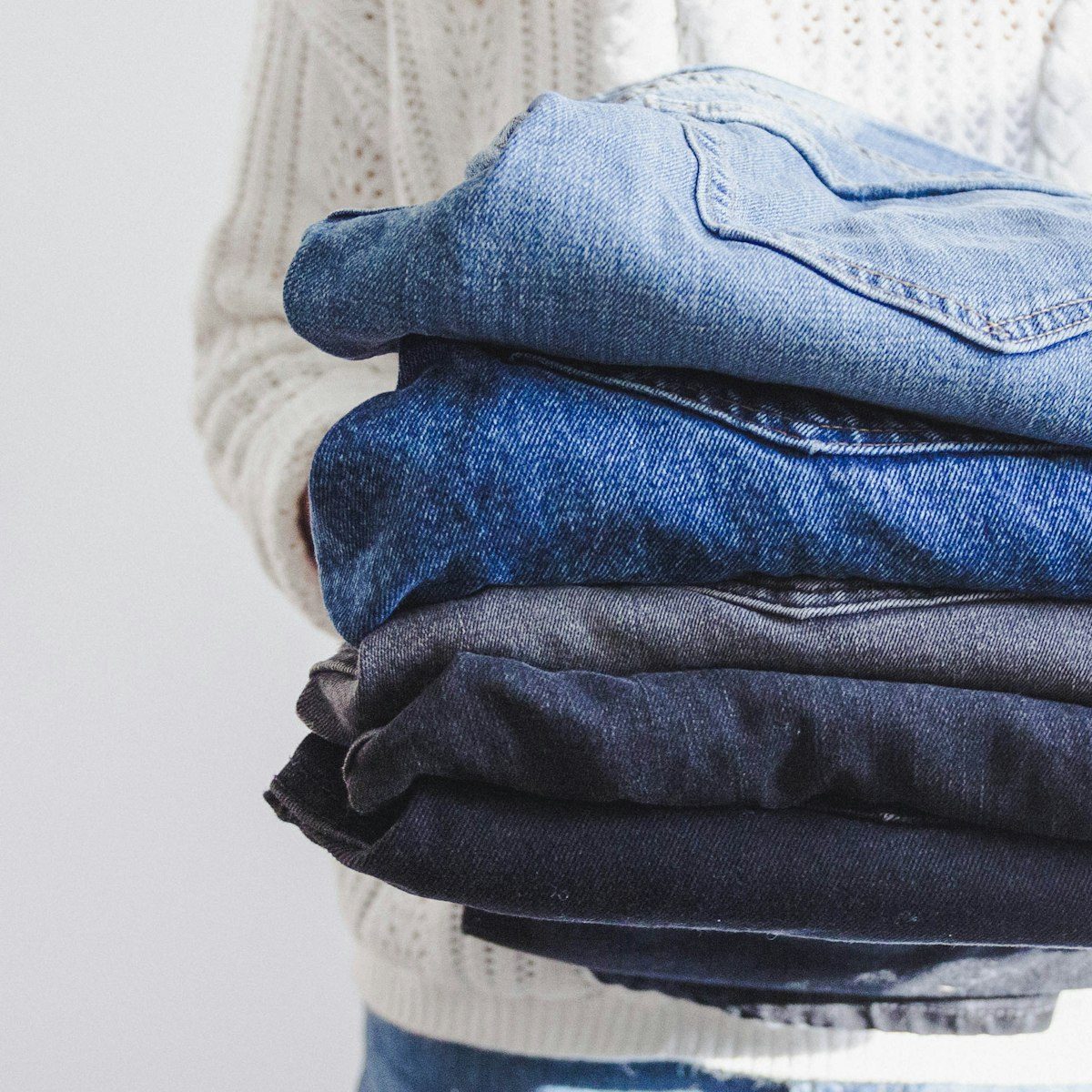
Here's a strategy that consistently works with clothing manufacturers in China: reduce style complexity, not just quantity. If you limit your first order to 1-2 core styles, share common fabrics across styles, and choose in-stock materials (rather than custom-dyed), many manufacturers will still work with you on a first order at 100 pieces per style and color. Also, be transparent: tell them this is your first production order and you plan to scale if quality is consistent. Factories respond to growth potential.
If you're a startup brand, look for streetwear manufacturers in China whose minimum is clearly stated and applied consistently. VANRD's minimum, for example, is 100 pieces per style and color on first orders and reorders alike.
The "Trial Marriage" Strategy
Smart brands use a first production order at the standard 100 pieces per style and color as a comprehensive trial run. You're not just testing product quality — you're testing everything: communication responsiveness, timeline accuracy, QC thoroughness, packaging quality, and most importantly, how they handle problems when they arise (and they will). If the first order goes well, you have a partner for the long haul. If it doesn't, you've only risked a small investment and gained valuable intelligence about what to avoid next time.
Step 4 — Ask About Quality Control Before You Order
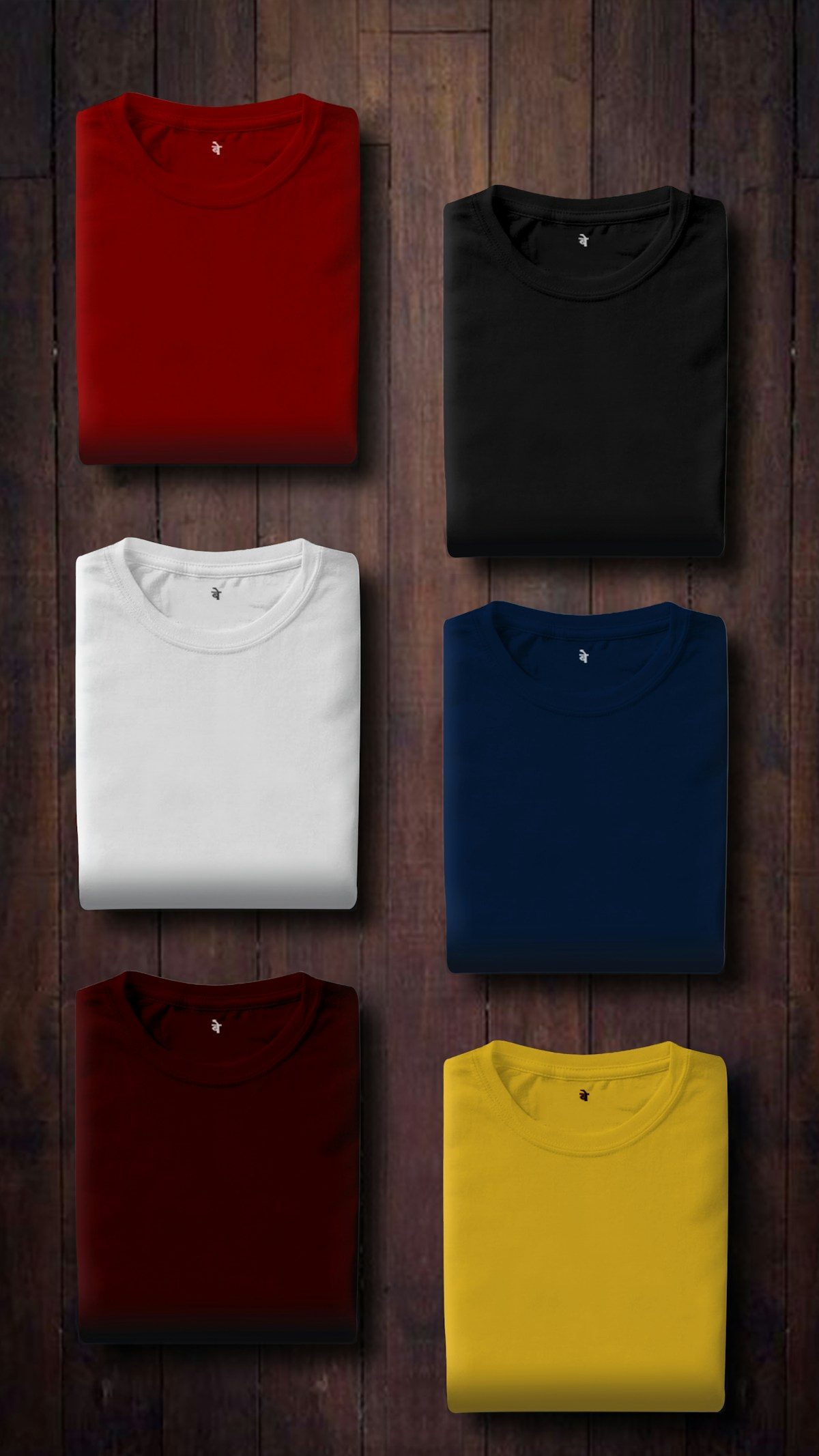
Quality control isn't something that happens at the end of production. It should be woven into the entire manufacturing process. Here are the three critical QC checkpoints you need to discuss with any potential clothing supplier:
Incoming Material Inspection
Before any fabric hits the cutting table, it should be inspected for defects, color consistency, and shrinkage properties. Ask your manufacturer directly: "Do you inspect all fabrics before cutting? What's your process for rejecting defective material? How do you verify fabric composition matches what was specified?" A factory that can't answer these questions in detail doesn't have a real QC system.
In-Line Inspection
This happens during sewing — random samples are pulled from the production line at 20-30% completion to check measurements, stitching quality, and construction before the entire order is finished. This is when corrections are still cheap and fast. A custom clothing manufacturer that performs in-line inspection is one that understands prevention is far cheaper than rework. Ask: "At what production percentage do you conduct in-line checks?"
Final Random Inspection (AQL 2.5 Standard)
Before shipment, a random sample of finished garments should be inspected using the AQL (Acceptable Quality Limit) 2.5 standard — the industry benchmark for apparel. This covers: measurements against spec, visual defects, workmanship quality, labeling accuracy, packaging integrity, and overall appearance. You should always retain the right to request a third-party inspection (SGS, Bureau Veritas, Intertek) if you want independent verification. A reliable clothing manufacturer will welcome third-party inspection, not resist it.
Step 5 — Gauge Communication Quality (The Hidden Deal Breaker)
Here's something that doesn't appear on any factory audit report but matters just as much as production capability: communication quality. We've seen technically capable factories fail because of poor communication, and we've seen average factories deliver outstanding results because they communicated exceptionally well.
Positive Communication Signs
- They ask specific product questions before giving you a quote, rather than sending a generic price list based on nothing.
- They explain trade-offs honestly. "We could do this construction method, but it would add $2 per unit and 5 days to production" is far better than "yes we can do everything."
- They confirm all key decisions in writing after calls or messages. A written record prevents the "I thought you said..." misunderstandings that plague manufacturing relationships.
- They proactively update you on progress — sampling status, fabric arrival, production milestones — without you having to chase them for updates.
Communication Red Flags
- They quote prices without asking about your product details, fabric requirements, or construction complexity.
- They say "yes" to everything without questioning feasibility or suggesting alternatives when something won't work well.
- They can't clearly explain their QC process when asked — vague answers like "we check quality" without specifics.
- Messages go unanswered for 3+ days with no explanation. In manufacturing, communication gaps directly create production delays.
8 Red Flags You Should Never Ignore
Sometimes the warning signs are obvious — if you know what to look for. Here are the signals that should make you pause and reconsider before committing to any clothing manufacturer in China:
- Quotes without product questions. A standard price list without understanding your design, fabric, or construction details means they're treating all orders interchangeably — a recipe for quality problems.
- No verifiable factory address. If they're vague about their production location, only give a PO box, or the address doesn't match a real industrial building, dig much deeper before sending money.
- Unwilling to share production video or photos. A legitimate factory should be proud to show their operation. Refusal is a near-certain indicator that something doesn't match what they're claiming.
- Prices that are suspiciously low. If a quote is 40%+ below other clothing suppliers, corners are being cut somewhere — cheaper fabric, rushed stitching, or substituted trims. Quality costs money, and quality problems cost even more.
- Vague answers about quality control. "We have good quality" isn't an answer. If they can't describe their specific QC checkpoints, inspection criteria, and AQL standards, they don't have a real QC system.
- Pressuring you to pay before sample approval. Never pay the full production deposit before approving a pre-production sample. The industry standard is sample approval first, then deposit.
- Claims to make everything. No single factory excels at all categories. A factory claiming equal expertise in denim, outerwear, knitwear, and tailoring is either misrepresenting their capabilities or outsourcing to other factories without telling you.
- Poor technical English for complex garments. For products with specific construction requirements, language barriers on technical details can lead to expensive errors that no amount of goodwill can fix.
The Complete Clothing Manufacturing Process in China
Understanding the end-to-end clothing production process helps you set realistic expectations and spot when something is off. Here's a typical timeline from initial inquiry to delivery, based on working with a custom apparel manufacturer like VANRD:
- Week 1 Inquiry & Design Review: Submit your tech pack, reference images, or design concept. The manufacturer reviews for feasibility, suggests fabric options, and provides an initial quote with estimated timeline.
- Week 1-2 Fabric & Trim Sourcing: Based on your specifications, the manufacturer sources fabric swatches, trim samples, and decoration samples for your approval. This runs in parallel with pattern development.
- Week 2-3 Pattern Making & Sample Development: Patterns are created and the first development sample is sewn. This is your first physical look at the garment. Expect measurements to be close but not perfect — that's what revisions are for.
- Week 3-4 Sample Revision & Approval: Based on your feedback, adjustments are made and fit samples are produced. For complex garments, this may take 2 rounds. Once you approve, a pre-production sample is made with actual bulk fabric.
- Week 4-9 Bulk Production: With the PP sample approved, bulk fabric is cut, sewn, trimmed, and finished. In-line QC checks happen throughout. This phase typically takes 25–35 days depending on order complexity and size.
- Week 9-10 Final QC & Packaging: Finished garments undergo final random inspection (AQL 2.5). Approved garments are pressed, tagged, poly-bagged, and packed into export cartons with shipping marks.
- Week 10-14 Shipping & Delivery: Sea freight to North America or Europe takes 20-30 days. Air freight takes 5-7 days but costs 5-6x more. Factor customs clearance time into your launch calendar.
Total realistic timeline: 50–75 days from sample approval to delivery by sea. Add 2–4 weeks if you're starting from scratch without a tech pack. The brands who succeed plan their production calendar with buffer, not on a just-in-time basis. VANRD's OEM and ODM production timeline is transparent at every stage — you'll always know where your order stands.
Reliable vs Risky: A Quick Supplier Comparison
When you're evaluating multiple clothing manufacturers, having a mental framework for comparison saves time and prevents costly mistakes. Here's a practical comparison between what a reliable manufacturing partner looks like versus a risky supplier:
| Dimension | Reliable Manufacturer | Risky Supplier |
|---|---|---|
| Initial Response | Asks detailed questions about your product, fabrics, target market, and volume before quoting | Sends a generic price list immediately without understanding your requirements |
| Factory Transparency | Provides business license, production address, and offers live video tour of their workshop | Vague about location, refuses to share documents, makes excuses for not showing the factory |
| Sampling Process | Clearly explains sampling stages, timeline, and costs; produces samples that match specifications | Rushes samples, produces items that look different from what was discussed, can't explain discrepancies |
| Quality Control | Describes specific QC checkpoints (incoming, in-line, final AQL inspection); welcomes third-party audits | "We check everything" with no specifics; resists independent inspection |
| Communication | Proactive updates, honest about challenges, confirms decisions in writing, responds within 24 hours | Only communicates when chased, always says "everything is fine," delays responses without explanation |
| Product Development | Offers tech pack review, fabric sourcing, pattern making, and decoration services in-house or through managed partners | Only wants to sew; can't help with design, fabric, or trims; outsources everything with no coordination |
| Pricing | Competitive but not suspiciously low; can explain what drives the price; offers transparent cost breakdowns | Significantly cheaper than competitors; can't explain cost structure; prices seem too good to be true |
| Timeline | Provides realistic timelines with buffer; meets deadlines consistently; proactively communicates delays | Promises impossible timelines to win the order; consistently misses deadlines without warning or explanation |
A Smart First Order Strategy — Plan the Minimum, Learn Fast
Your first production order with a new manufacturer should be treated as a learning exercise, not a bet-the-farm moment. Here's a proven approach that minimizes risk while maximizing learning:
- 1 Limit to 1-2 core styles. Don't try to launch your entire 10-style collection with an untested partner. Start narrow, prove the relationship, then expand.
- 2 Use a staged payment structure. Industry standard is 30% deposit to start production, 70% balance before shipment (against Bill of Lading). Avoid paying 50% or more upfront on a first order. This gives you leverage if quality issues arise.
- 3 Build in timeline buffer. Add 2-3 weeks to whatever the factory quotes for delivery. If they deliver early, you look like a hero. If they're late (and first orders often are), you're still on schedule for your launch.
- 4 Document everything. Every specification, every approval, every change request confirmed in writing. When issues arise (and they will), you'll have a clear record of what was agreed — invaluable if disputes need to be resolved.
- 5 Evaluate the full experience, not just the product. After delivery, assess: Did communication flow smoothly? Were timelines accurate? How were problems handled? Would you recommend them? This evaluation determines whether this is a one-time supplier or a long-term apparel production partner.
Conclusion — Your Manufacturer Is Your Longest Business Relationship
Think of it this way: you're not just choosing a factory. You're choosing a business partner who will directly impact your product quality, delivery reliability, brand reputation, and ultimately, your ability to grow in a competitive market. The right clothing manufacturer in China doesn't just produce garments — they help you build a brand that customers trust and return to.
The brands that thrive in apparel aren't necessarily the ones with the best designs or the biggest marketing budgets. They're the ones who took the time to build strong, transparent relationships with reliable manufacturing partners. The upfront effort — proper due diligence, thorough sampling, asking hard questions — pays back tenfold in consistency, quality, and peace of mind.
Choose slowly. Verify thoroughly. Test small before scaling. And when you find an apparel production partner who delivers quality consistently and communicates honestly, invest in that relationship. It's one of the most valuable competitive advantages your brand can have.
Ready to Build Your Clothing Collection?
Whether you're launching a private label brand, scaling a streetwear collection, or expanding existing production lines, VANRD provides full-service OEM and ODM apparel manufacturing — from tech pack review and fabric sourcing to sample development and bulk production. Start with a free consultation about your project requirements.
Request Free ConsultationFrequently Asked Questions
How much does it cost to get a sample from a Chinese clothing manufacturer?
Sample costs typically range from $50-$150 for simple items like t-shirts, and $150-$400 for complex garments like jackets or hoodies with multiple fabric panels and custom trims. Most clothing manufacturers deduct sample costs from the bulk order if you proceed with production — but always clarify this policy in writing before development begins. Some manufacturers offer free sampling for established relationships or larger projected order volumes.
What MOQ should a startup clothing brand expect?
For startups and emerging brands, the figure to plan around is 100 pieces per style and color. Most streetwear manufacturers hold that minimum on first orders as well as reorders, so it is worth confirming the per-color maths early: two colors means 200 pieces and four colors means 400. VANRD applies the same 100 pieces per style and color minimum to first orders and reorders alike. As your volumes grow, per-unit cost falls, but the minimum itself stays fixed.
How long does it take from sample approval to bulk delivery?
A realistic timeline working with a custom clothing manufacturer is 50–75 days: 7–10 days for the full sampling process, 25–35 days for bulk production after sample approval, and 20–30 days for sea freight to North America or Europe. Air freight can reduce shipping to 5-7 days but costs approximately 5-6x more. Plan your launch calendar with buffer — production delays are more common than early deliveries.
Do I need to visit the factory in person, or is a video tour enough?
For first orders under $5,000, a live video tour conducted by the factory is usually sufficient for initial vetting — provided it covers the production floor, QC station, and warehouse. For larger orders ($10,000+), an in-person visit or independent third-party audit is strongly recommended. Many successful brands start with video verification and schedule an in-person visit before scaling their partnership beyond the trial phase.
What payment terms are standard with Chinese clothing manufacturers?
The industry standard is 30% deposit to start production, with the remaining 70% paid against a copy of the Bill of Lading (after shipment, before delivery). T/T (Telegraphic Transfer) is the most common payment method. Be cautious of suppliers asking for 50% or more upfront, especially for first-time orders. Established private label clothing manufacturers don't need large upfront deposits — they have working capital to support production.
How do I know if a manufacturer is a real factory or a trading company?
Three verification steps: (1) Request their business license and check that the registered business scope includes "manufacturing" or "production" (not just "trading"). (2) Verify the registered address is an industrial zone with actual production facilities. (3) Ask for a live video tour that shows their sewing lines, cutting tables, and QC area — a trading company can't fake a functioning production floor. A real clothing manufacturer will have no problem with any of these checks.
What's the difference between OEM and ODM clothing manufacturing?
OEM (Original Equipment Manufacturing) means you provide the design, tech pack, and specifications — the factory produces exactly what you specify. ODM (Original Design Manufacturing) means the manufacturer helps you develop the product from your concept, providing design input, fabric recommendations, pattern development, and sampling. Many brands start with ODM support and transition to OEM as their technical knowledge grows. VANRD offers both models under our custom clothing development services, so brands can choose the level of support they need.
Want to skip the trial-and-error phase and work with a clothing manufacturer in China who's already vetted by hundreds of brands? Talk to VANRD's team about your next collection — we'll walk you through the entire process from concept to delivery, with transparent timelines and quality standards you can count on.