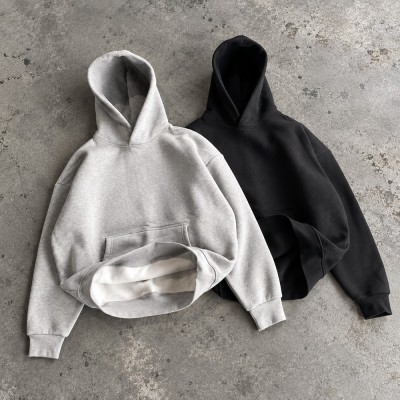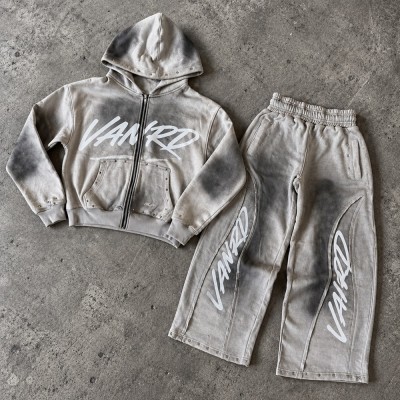
How to Choose a Custom Tracksuit Manufacturer for Streetwear Brands
How to Choose a Custom Tracksuit Manufacturer for Streetwear Brands
Choosing a custom tracksuit manufacturer is not just about finding a factory that can sew a jacket and pants. For a streetwear brand, the real question is this: can the supplier control fabric, fit, logo placement, MOQ, sample approval, QC, packaging, and bulk order consistency?
This guide shows you how to compare tracksuit factories before sampling, so your next drop looks sharp, feels premium, and arrives ready for your customers.
How Do You Choose the Right Custom Tracksuit Manufacturer?
To choose the right custom tracksuit manufacturer, compare the factory’s fabric sourcing, cut-and-sew capability, pattern development, logo techniques, MOQ, sample timeline, private label support, QC process, and experience with streetwear brands.
The best supplier is not always the cheapest one. It is the one that can turn your design into a repeatable bulk product without losing the approved sample’s fit, color, handfeel, and branding quality.
A tracksuit looks simple because it is only two pieces. But in production, it is more complicated than a hoodie or a pair of pants alone. The jacket and pants must match in shade, fabric weight, trim quality, logo placement, size grading, and overall silhouette. If one piece feels premium and the other feels cheap, the whole set loses value.
For streetwear brands, a tracksuit is often a hero product. It appears in lookbooks, paid ads, influencer photos, wholesale line sheets, and repeat drops. That means your manufacturer needs more than sewing ability. You need a production partner with a system.
Custom Tracksuit Manufacturer Comparison Checklist
Before you request samples, use this table to compare factories side by side. A strong manufacturer should be able to answer these points clearly.
| What to Compare | Why It Matters | Strong Manufacturer Signal |
|---|---|---|
| Fabric Capability | Controls comfort, drape, price, shrinkage, and product positioning. | Can explain nylon, tricot, fleece, French terry, interlock, lining, GSM, and wash behavior. |
| Cut-and-Sew Development | Determines whether your tracksuit looks custom or like a decorated blank. | Can adjust collar, body length, shoulder drop, pant rise, inseam, cuff, and leg opening. |
| Logo Techniques | Wrong decoration can crack, pull fabric, or look cheap. | Offers embroidery, screen print, puff print, appliqué, heat transfer, woven patch, rubber patch, and placement advice. |
| MOQ and Pricing | MOQ affects launch budget, color planning, and unit cost. | Explains how quantity, fabric, trims, colorways, and decoration affect price. |
| Sample Timeline | Sampling decides whether your launch schedule is realistic. | Gives a clear sample process and allows fit, fabric, and logo revisions before bulk production. |
| QC Process | Protects sample-to-bulk consistency. | Uses approved samples, trim cards, measurement tolerance, inline QC, and final inspection. |
| Private Label Support | Makes the product retail-ready and brand-owned. | Supports neck labels, care labels, hangtags, barcode stickers, polybags, carton marks, and custom packaging. |
Define Your Tracksuit Type Before Sampling
Not every tracksuit is built for the same customer. A nylon tracksuit for a streetwear drop has different production needs from a heavyweight fleece set. A performance tracksuit needs different fabric behavior from a fashion-led oversized set. Before choosing a factory, define what type of tracksuit your brand wants to produce.
Nylon Tracksuits
Best for lightweight streetwear, travel sets, windbreaker-inspired outfits, contrast panels, and techwear styling. Focus on shell fabric, lining, zipper quality, and seam control.
Fleece Tracksuits
Best for heavyweight streetwear, winter capsules, lounge sets, oversized silhouettes, and premium comfort. Focus on GSM, shrinkage, softness, rib quality, and wash stability.
Tricot / Poly Tracksuits
Best for retro sportswear, club-inspired sets, warm-up tracksuits, and easy-care programs. Focus on color consistency, shine level, handfeel, and logo durability.
Compare Fabric Before You Compare Price
Price matters, but fabric decides the product. A cheap fabric can make a strong design feel weak. A good custom tracksuit manufacturer should help you choose fabric based on the season, target customer, logo technique, order quantity, and desired handfeel.
Ask about GSM, fiber content, shrinkage, pilling, colorfastness, stretch recovery, lining options, and fabric availability. If your design uses contrast panels, also ask how the factory controls shade difference between fabric lots. For matching sets, color inconsistency is one of the fastest ways to make a product look unprofessional.
Key Fabric Questions to Ask
Check Whether the Factory Can Develop Real Cut-and-Sew Tracksuits
There is a big difference between decorating blank tracksuits and producing cut-and-sew tracksuits. Blank customization can work for simple merch, but serious streetwear brands usually need more control over fit, panels, trims, pocket design, sleeve shape, pant rise, cuff opening, and overall proportion.
A cut-and-sew tracksuit manufacturer can create patterns based on your design instead of forcing your idea onto an existing blank. This matters when you want a unique silhouette, contrast panels, special pockets, custom collar shape, branded zipper pulls, side tape, ankle zips, or a specific oversized fit.
Oversized Streetwear Fit vs Athletic Fit
An oversized streetwear tracksuit usually needs controlled volume. The shoulder may drop, the jacket may be boxier, the pant may have more thigh room, and the hem may sit differently. An athletic fit needs better mobility, closer body shape, stretch recovery, and practical performance. A good factory should understand both.
Review Logo, Label, and Private Label Options
Branding is where a tracksuit becomes yours. But the wrong logo method can damage the final product. A heavy embroidery may pull on lightweight nylon. A large heat transfer may crack if the fabric stretches too much. A rubber patch may look premium, but only if the backing, placement, and stitching are right.
Logo Techniques
Private Label Details
Ask About MOQ, Sample Time, and Bulk Lead Time Early
MOQ is not only a number. It is connected to fabric sourcing, dyeing minimums, decoration setup, trim purchasing, cutting efficiency, and production scheduling. Because a tracksuit includes both a jacket and pants, the production work is heavier than a single hoodie or T-shirt.
For custom tracksuit programs, 100 pieces per color and style is a practical starting point for many streetwear brands. It gives the factory enough room to organize fabric, trims, labels, size ratios, and bulk production. Smaller quantities may be possible in some cases, but the unit price usually increases because the same development work is spread across fewer pieces.
| Cost Factor | How It Affects Price | Buyer Advice |
|---|---|---|
| Fabric Type | Nylon, fleece, tricot, and stretch fabrics all have different cost levels. | Choose fabric based on product positioning, not only price. |
| Logo Method | Embroidery, appliqué, puff print, and patches require different setup work. | Confirm artwork size and placement before quoting. |
| Colorways | More colors can increase fabric and trim complexity. | Start with fewer colorways if this is your first production run. |
| Trims and Packaging | Custom zippers, labels, hangtags, and bags add cost but improve brand value. | Use private label details when your brand is retail or DTC focused. |
Prepare a Strong Tech Pack Before Requesting a Quote
A tech pack is the map that keeps your tracksuit from getting lost in production. Without clear specifications, the factory has to guess. Guessing creates wrong samples, unclear quotes, wasted time, and avoidable revisions.
What to Include in a Custom Tracksuit Tech Pack
Design Information
Include reference images, sketches, front and back views, color direction, fabric ideas, logo artwork, and placement notes.
Technical Information
Include measurements, tolerance, size range, size grading, construction notes, trim details, labels, packaging, and destination country.
Confirm QC and Sample-to-Bulk Consistency
The sample is only useful if bulk production can match it. Many brands get a good first sample, then receive bulk goods with shade difference, wrong measurements, uneven logo placement, weak zippers, twisted seams, or poor packaging. That is why sample-to-bulk control is one of the most important things to check.
Approved Sample
The final sample should become the reference for fabric, fit, logo placement, trims, stitching, and finishing.
Pre-Production Confirmation
The factory should lock fabric, trim card, size chart, label details, packaging, artwork, and production schedule before bulk cutting.
Inline QC
During production, the factory should check seam quality, measurements, zipper alignment, logo position, waistband tension, and pant symmetry.
Final Inspection
Before shipment, finished tracksuits should be checked for stains, loose threads, shade consistency, labels, folding, polybags, carton marks, and size ratio.
Warning Signs of a Weak Tracksuit Factory
A weak supplier often looks attractive at the beginning because the price is low and the reply is fast. But once sampling or bulk production starts, the problems appear. Watch for these red flags before you pay for development.
Why VANRD Supports Custom Tracksuit Programs for Streetwear Brands
VANRD helps streetwear brands, designers, growing labels, established apparel companies, and creator-led brands develop custom tracksuits from sample to bulk production. Our work covers fabric selection, pattern development, logo techniques, trim sourcing, private label details, sampling, QC, packaging, and shipment planning.
For tracksuit programs, we support nylon tracksuits, fleece tracksuits, tricot/poly tracksuits, performance sets, club-inspired uniforms, and premium streetwear matching sets. Instead of only producing a basic garment, we help brands think through the full production system: fabric, fit, branding, MOQ, sample approval, bulk consistency, and final delivery.
Fabric and Trim Support
Nylon, fleece, French terry, tricot, stretch knits, mesh lining, satin lining, zippers, drawcords, labels, and packaging details.
Streetwear Fit Development
Oversized, relaxed, tapered, boxy, cropped, athletic, vintage-inspired, and performance-focused tracksuit silhouettes.
QC and Bulk Control
Approved samples, trim cards, measurement tolerance, logo placement control, inline inspection, and final shipment checks.
Planning a Custom Tracksuit Drop?
Send your reference images, tech pack, fabric direction, logo artwork, estimated quantity, size range, destination country, and launch timeline. VANRD can help review your project and suggest a practical sampling and bulk production plan.
Choose the Manufacturer That Can Protect Your Brand After the Sample
A custom tracksuit is more than a matching jacket and pants. It is a complete brand product that needs fabric consistency, controlled fit, strong decoration, reliable trims, clean packaging, and repeatable bulk production.
When you compare custom tracksuit manufacturers, do not only ask for the lowest price. Ask how they control fabric, cut-and-sew pattern development, logo placement, MOQ, sampling, QC, private label details, and sample-to-bulk consistency. The better a factory can answer these questions, the safer your production will be.
For streetwear brands that want to build stronger drops, cleaner product photos, and more reliable repeat orders, choosing the right tracksuit manufacturer is not a small sourcing step. It is part of your brand foundation.
Frequently Asked Questions About Custom Tracksuit Manufacturing
What MOQ should streetwear brands expect for custom tracksuits?
For custom tracksuit programs, 100 pieces per color and style is a practical starting point for many streetwear brands. The final MOQ depends on fabric, colorways, logo method, trims, and packaging requirements.
What is the difference between cut-and-sew tracksuits and blank tracksuits?
Blank tracksuits are existing garments with logos added. Cut-and-sew tracksuits are developed from patterns, fabric, trims, and construction details based on your design. Cut-and-sew gives brands more control over fit, panels, pockets, trims, and overall product identity.
How long does custom tracksuit sampling usually take?
Sampling usually takes about 7–10 days after fabric, logo artwork, measurements, and design details are confirmed. Complex fabrics, special trims, appliqué, dyeing, or multiple revisions can increase the sample timeline.
What fabric is best for heavyweight streetwear tracksuits?
Heavyweight fleece and French terry are common choices for premium streetwear tracksuits because they offer structure, warmth, softness, and a substantial handfeel. The best option depends on GSM, shrinkage, fit direction, and logo technique.
Can VANRD make private label tracksuits for streetwear brands?
Yes. VANRD supports private label tracksuit development, including fabric sourcing, pattern adjustment, logo techniques, custom labels, hangtags, packaging, sample review, bulk production, QC inspection, and shipment planning.