Custom Tracksuit Fabrics: Fleece vs Nylon vs Polyester — A Complete Manufacturing Guide
Custom Tracksuit Fabrics: Fleece vs Nylon vs Polyester — The Complete Manufacturing Guide for Streetwear Brands
Adding tracksuits to your streetwear line? Here is a question that stops most first-time buyers cold: what fabric should I use? The answer determines how your tracksuit looks, feels, performs, and costs to produce. This guide breaks down fleece, nylon, and polyester so you can choose with confidence.
Why Tracksuits Are a Streetwear Powerhouse in 2026
Here is a simple truth: tracksuits sell. They are comfortable, they look put-together, and they offer a higher perceived value than almost any other category. A matched set feels premium in a way that a standalone hoodie or pair of sweatpants does not.
But here is the challenge — the fabric you choose for your tracksuit determines everything downstream. It affects the drape, the warmth, the breathability, the cost, and even how the set fits after the first wash. The three main contenders — fleece, nylon, and polyester — each serve a different purpose and a different customer. Choose wisely, and your tracksuit becomes a bestseller. Choose wrong, and you are stuck with inventory that does not move.
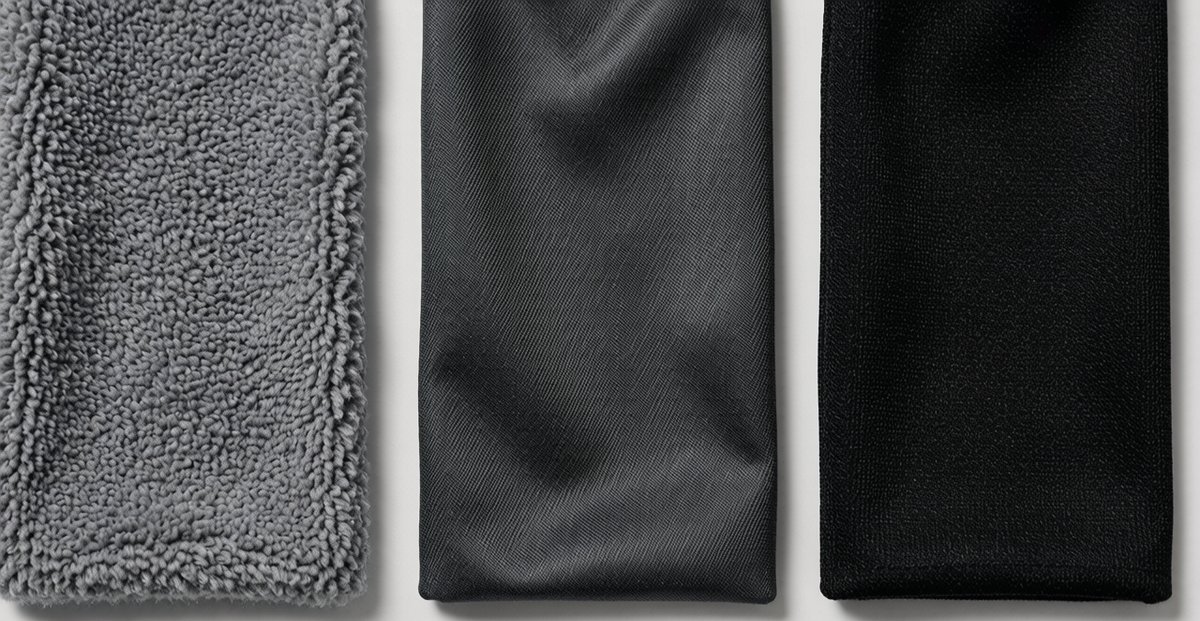
Custom tracksuit fabric comparison — fleece, nylon, and polyester each offer distinct properties for streetwear manufacturing
Fleece Tracksuits: Warm, Soft, Streetwear Classic
Fleece is the most popular tracksuit fabric in streetwear, and for good reason. It is warm, soft, comfortable, and affordable. Fleece tracksuits are synonymous with casual style and have been a staple in streetwear culture for decades.
What Is Fleece?
Fleece is a brushed fabric, usually made from cotton, polyester, or a cotton-polyester blend. The brushing process raises the fibers on one or both sides, creating a soft, fuzzy texture that traps heat. Fleece typically weighs between 280 and 400 GSM, making it a medium-to-heavyweight fabric suited for fall and winter collections.
Advantages of Fleece Tracksuits
Fleece is forgiving during sewing — it does not slip or pucker the way slick nylon does. This makes bulk production more consistent and reduces defects. Fleece also accepts embroidery, screen printing, and puff printing beautifully. The matte finish gives tracksuits a relaxed, non-shiny appearance that fits perfectly with streetwear aesthetics.
Disadvantages of Fleece
Fleece pills over time, especially in high-friction areas like the inner thighs and underarms. It is not water-resistant, so it performs poorly in wet weather. And because fleece traps heat, it is too warm for spring and summer collections, limiting your selling season.
Nylon Tracksuits: Lightweight, Retro, Weather-Resistant
Nylon tracksuits have made a major comeback, driven by the 1990s and early 2000s nostalgia wave. They are lightweight, smooth, and have a subtle sheen that gives them a distinctive sporty look.
What Is Nylon?
Nylon is a synthetic polymer fabric known for its strength, elasticity, and water resistance. Typical nylon tracksuit fabric weighs between 180 and 250 GSM — significantly lighter than fleece. Nylon is naturally water-resistant, making these tracksuits ideal for transitional weather and outdoor activity.
Advantages of Nylon Tracksuits
Nylon holds crisp colors and sharp details for piping, contrast panels, and striping — the classic tracksuit details that define the silhouette. It dries quickly, resists wrinkles, and maintains its shape after repeated wear. Nylon tracksuits also photograph beautifully, with the slight sheen catching light in a way that fleece cannot.
Disadvantages of Nylon
Nylon is trickier to sew than fleece. It slips on the cutting table, and needles can leave visible holes if not matched correctly to the fabric weight. Nylon is also less breathable than natural fibers, which can make it uncomfortable in direct sunlight or during physical activity.
Polyester Tracksuits: Performance-Focused and Versatile
Polyester tracksuits sit at the intersection of fashion and function. Engineered for performance, polyester fabrics offer moisture-wicking, 4-way stretch, and quick-drying properties that appeal to the active streetwear consumer.
What Is Polyester?
Polyester is a synthetic fabric made from petroleum-derived fibers. In tracksuit manufacturing, it is often used in textured knits, mesh panels, and performance blends. Polyester typically weighs between 200 and 300 GSM, placing it between nylon and fleece in terms of weight.
Advantages of Polyester Tracksuits
Polyester is the most versatile of the three fabrics. It can be engineered for moisture management, stretch, compression, or insulation. It holds dye excellently and resists fading, shrinking, and wrinkling. Polyester is also the best choice for brands targeting a more athletic or techwear-oriented customer.
Disadvantages of Polyester
Polyester has a more technical appearance that may not suit brands going for a vintage or retro vibe. It can feel less luxurious than cotton fleece against the skin, and lower-quality polyester may develop a shiny appearance over time that looks cheap.
Complete Fabric Comparison Table
| Property | Fleece | Nylon | Polyester |
|---|---|---|---|
| Weight (GSM) | 280-400 | 180-250 | 200-300 |
| Warmth | High | Low | Medium |
| Water Resistance | Poor | Good | Varies |
| Breathability | Medium | Low | High (engineered) |
| Durability | Medium (pills) | High | High |
| Stretch | Low | Medium | High (with elastane) |
| Best Season | Fall/Winter | Spring/Fall | All seasons |
| Sewing Difficulty | Easy | Medium (slippery) | Easy |
| MOQ | 100 pcs/color | 100 pcs/color | 100 pcs/color |
Which Fabric Should Your Streetwear Brand Choose?
Here is a simple framework to decide. If your brand aesthetic is casual, warm, and classic — think oversized fits, heavy fabrics, fall drops — choose fleece. If your brand leans retro, sporty, or nostalgic — think 1990s inspired, track stripes, warm-ups — choose nylon. If your brand targets active, athletic, or techwear customers — think moisture management, stretch, year-round wear — choose polyester.
Many successful streetwear brands use two or all three fabrics across their tracksuit collections, rotating by season. Fleece for Q4, nylon for Q2/Q3, and polyester for year-round basics. The key is understanding what each fabric does best and matching it to your collection plan.
Tracksuit Manufacturing Cost Factors
Understanding what drives cost helps you make smarter decisions when negotiating with a custom tracksuit manufacturer. Here is the breakdown.
Fabric Cost per Yard
Fleece is the most affordable of the three, especially in cotton-poly blends. Nylon costs more per yard due to the weaving process. Polyester performance fabrics with moisture-wicking or stretch properties command the highest price per yard.
Construction Time
Nylon tracksuits take longer to sew because the fabric is slippery and requires more careful handling. Fleece is the fastest to produce because it stays in place during cutting and sewing. Polyester falls in the middle, depending on whether stretch properties require specialized stitching.
Detail Work
Striping, piping, contrast panels, and zipper installations add labor time regardless of fabric. Nylon handles crisp piping best. Fleece works well with ribbed cuffs and collars. Polyester accepts reflective taping and bonded seams for technical looks.
Color Matching Between Top and Bottom
Here is a detail that separates professional tracksuits from amateur ones: the jacket and pants must match. It sounds obvious, but color variation between the top and bottom is one of the most common defects in bulk tracksuit production. The solution is simple — insist that both pieces are cut from the same dye lot, and verify the match before approving the pre-production sample. Even a 5 percent shade difference becomes obvious when the pieces are worn together.

VANRD partner factory in China — experienced workers sewing custom tracksuits on modern production lines
Production Timeline for Custom Tracksuits
From tech pack to delivery, here is what a typical custom tracksuit order looks like:
Weeks 1-2: Design finalization, fabric sourcing, and tech pack approval. This is where you confirm the fabric type, weight, and color.
Weeks 3-4: Sample development. The factory produces a first sample of both the jacket and pants. Expect one to two rounds of revisions for fit, color matching, and detail alignment.
Weeks 5-9: Bulk production after sample approval. Fabric is cut, sewn, and finished. In-line QC checks catch issues before assembly.
Weeks 10-13: Final inspection, packing, and shipping. Sea freight to US/Europe adds 20-35 days. Air freight available for urgent orders.
Common Tracksuit Manufacturing Mistakes
This is the number one quality complaint in tracksuit orders. The jacket and pants must be cut from the same dye lot. Request a physical color sample of both pieces laid side by side before approving bulk production.
A 400 GSM fleece tracksuit is too heavy for a spring drop. A 180 GSM nylon tracksuit is too lightweight for winter. Match the GSM to the intended selling season — fleece for fall/winter, nylon for spring, polyester for year-round versatility.
The jacket and pants must be sized as a set. A size M jacket paired with size M pants from different production runs may not share the same proportions. Always request a full set sample in each size before approving bulk.
Cotton fleece shrinks 3-5 percent in the first wash. If your pattern does not account for this, the jacket sleeves and pant legs will measure short after the customer washes the set. Request shrinkage test results and confirm pre-shrunk measurements.
Real Factory Experience: What VANRD Has Learned
After producing tracksuits for streetwear brands across the US, UK, and Europe, here is what has consistently separated successful launches from disappointing ones.
First, the brands that invest in a proper set sample — a full jacket and pants sample in the same dye lot — catch color mismatch and sizing issues before they become bulk problems. A single set sample costs a few hundred dollars but can save thousands in defective inventory.
Second, fleece tracksuits sell best in limited seasonal drops. Nylon tracksuits work year-round and are easier to reorder. Brands that plan their fabric choice around their collection calendar perform better than brands that pick based on MOQ alone.
Third, the set sample tells the real story. A fleece set reveals shrinkage and pilling tendencies. A nylon set reveals sewing tension and seam durability. A polyester set reveals moisture wicking and breathability claims. Never skip the set sample for any fabric type.
Quality Control Checklist
Before approving your bulk tracksuit production, verify: color match between jacket and pants, fabric weight and hand feel against the approved sample, shrinkage test results, seam strength at stress points (shoulders, crotch, side seams), zipper and hardware function, measurement consistency across sizes, and overall construction quality. VANRD follows AQL 2.5 standards with in-line inspection during production and final inspection before shipping.
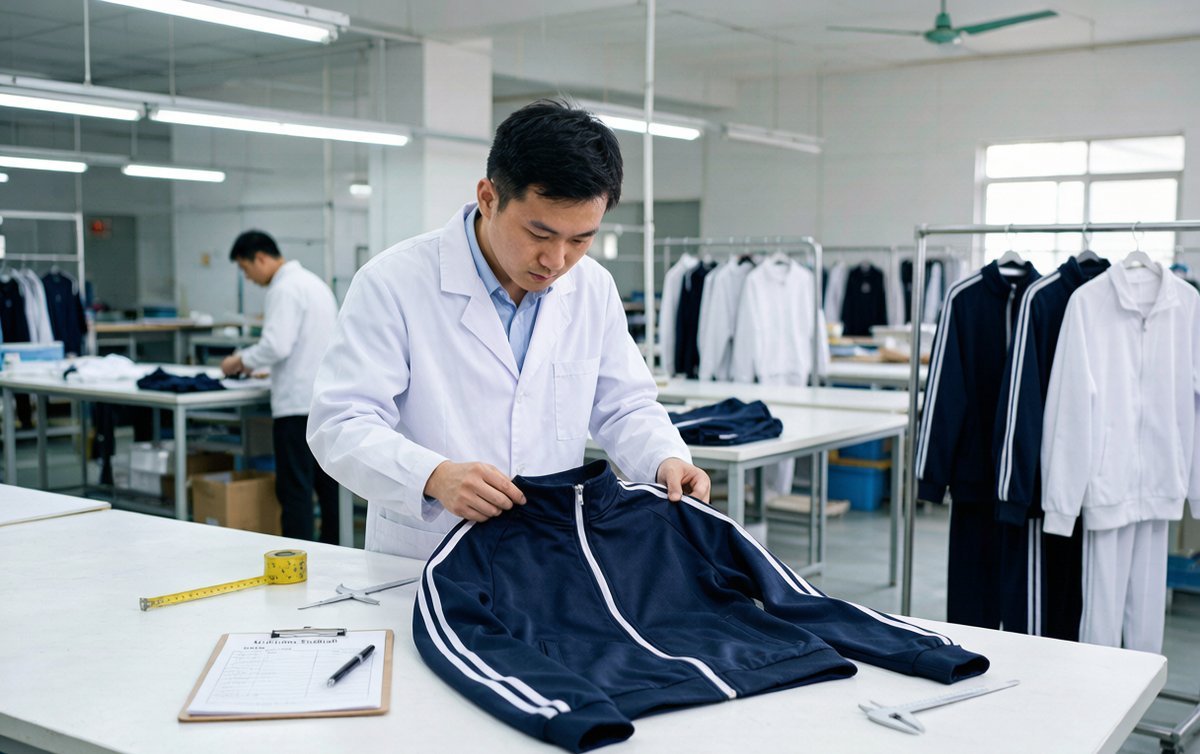
VANRD quality control at our China factory — detailed AQL inspection before every bulk tracksuit shipment
Ready to manufacture your custom tracksuit line? Browse VANRD custom tracksuit collection or explore our custom hoodies and custom pants for matching sets.
Conclusion
Choosing the right fabric for your custom tracksuit is a strategic decision that affects your cost, timeline, quality, and customer satisfaction. Fleece is the warm and cozy choice for cold-weather drops. Nylon delivers retro sporty looks with weather resistance. Polyester offers performance and versatility for active consumers.
The best tracksuit brands do not pick one fabric and stick with it forever. They rotate by season, test new materials with sample runs, and learn from each production cycle. Start with the fabric that best fits your next collection, get the set sample right, and scale from there.
Frequently Asked Questions
Nylon and polyester are more durable than fleece, which tends to pill in high-friction areas. Nylon is the strongest for abrasion resistance. Polyester performs best for stretch recovery. Fleece offers the best comfort-to-cost ratio but requires more careful care.
For fleece, 280-320 GSM is ideal for standard streetwear — warm without being bulky. For nylon, 200-240 GSM provides the right balance of drape and durability. For polyester performance fabrics, 220-280 GSM works across most applications.
Request a set sample with both pieces cut from the same dye lot. Verify the match under natural and store lighting before approving bulk. This is the single most important QC step for tracksuit production.
MOQ starts at 100 sets per style per color for fleece and nylon. Polyester performance fabrics may require 150-200 sets depending on the technical specifications and specialized stitching involved.
Ask yourself three questions: What season is the collection for? What aesthetic is your brand — casual, retro, or technical? What is your target retail price point? Fleece works for casual winter collections. Nylon suits retro spring drops. Polyester fits technical year-round lines.
Ready to produce your custom tracksuit line? VANRD offers end-to-end support for fleece, nylon, and polyester tracksuit manufacturing.
Start Your Tracksuit Project