Custom Snapback vs Dad Hats vs Trucker Hats: A Streetwear Headwear Manufacturing Guide
Custom Hats for Streetwear Brands: The Complete Style Comparison & Manufacturing Guide
You have built a streetwear brand with tees, hoodies, and pants. Now what? Here is a truth the most successful brands already know: hats sell faster, cost less to produce, and create more repeat purchases than almost any other category. But choosing the right style — snapback, dad hat, trucker, beanie, or bucket — determines whether your headwear flies off shelves or sits in inventory. This guide breaks down every style by construction, decoration, cost, and cultural weight so you can source with confidence.
Why Headwear Is the Smartest Category in Streetwear Right Now
Here is a question for you. What single item can you sell for a 3x markup, costs under $5 to manufacture, ships in a small box, and gets worn almost every day? The answer is a hat. And yet, many streetwear brands treat headwear as an afterthought — something they add to the collection when they have leftover logo artwork.
That is a mistake. According to Google trends data, searches for "custom snapback hats" and "streetwear beanies" have grown steadily since 2022. The barrier to entry is low: hat MOQs typically start at 100 pieces, sampling takes 7–10 days, and the profit margins rival hoodies without the inventory headache. But here is the catch — choose the wrong style for your audience, and even a beautifully embroidered hat will feel like it missed the mark.
Think of hat styles like sneaker silhouettes. A snapback is your Air Jordan 1 — bold, iconic, rooted in hip-hop culture. A dad hat is your New Balance 990 — comfortable, retro, quietly cool. A trucker hat is your Nike ACG — functional, outdoorsy, having a major moment. Each one speaks to a different customer, and your job as a brand owner is to match the silhouette to your message.
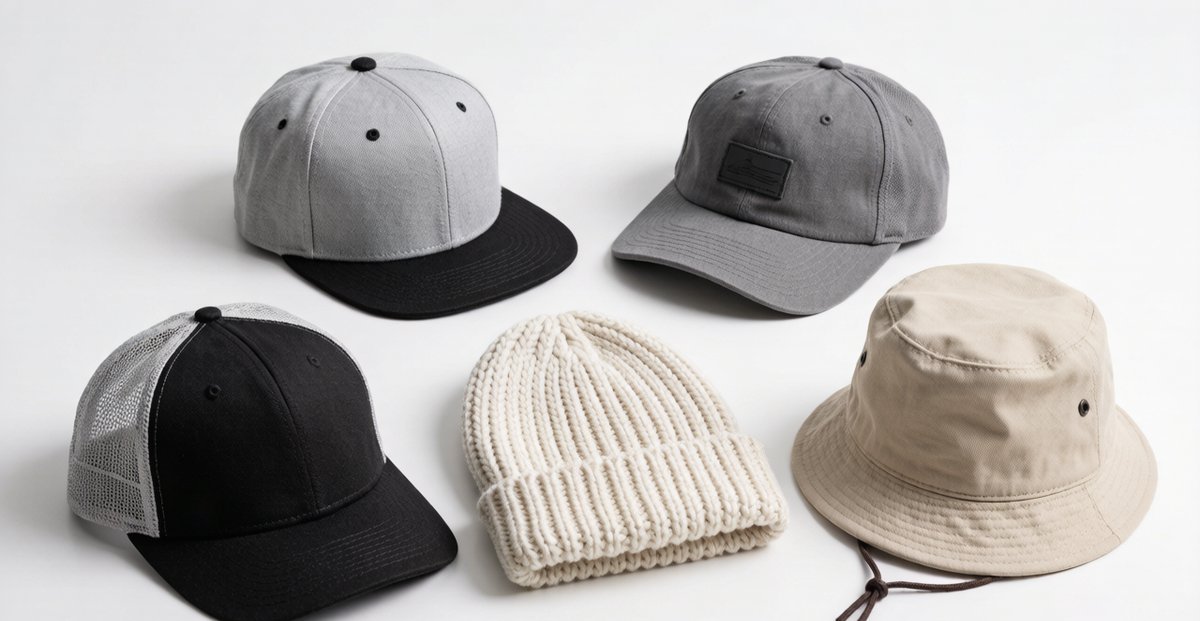
Five essential hat styles for streetwear brands: snapback, dad hat, trucker hat, beanie, and bucket hat — each with distinct construction and cultural weight
Snapback Hats: Streetwear's Crown Jewel
If streetwear had a uniform, the snapback would be the hat. Born in the 1990s hip-hop scene and carried through skate culture, sports merchandise, and luxury streetwear, the snapback is the most recognized hat silhouette in the game. It makes a statement before anyone reads the logo.
Anatomy of a Snapback
A snapback is a structured, six-panel hat with a flat brim and a plastic snap closure at the back. The front two panels are reinforced with buckram — a stiff interfacing material that keeps the hat standing tall even when it is sitting on a shelf. The flat brim is the defining feature: it creates a bold, graphic silhouette that signals street credibility. Standard snapbacks have a high crown profile (4 to 4.5 inches from brim to crown top) and a green or grey underbrim that adds a premium touch.
Best Decoration Methods for Snapbacks
Snapbacks are the ultimate canvas for 3D puff embroidery — raised, foam-backed lettering that pops off the fabric. The rigid buckram front provides the flat, stable surface needed for dense stitching. If you want tonal 3D puff (same color thread as the hat), this is the style to do it on. Flat embroidery, woven patches, and leather patches also work beautifully. The usable embroidery area is approximately 4 inches wide by 2.5 inches tall — plenty of space for a logo, wordmark, or graphic.
Which Brands Should Choose Snapbacks?
Snapbacks are the right choice if your target audience is 16 to 35 years old, urban, fashion-forward, and culturally connected. They pair perfectly with oversized hoodies, cargo pants, and sneaker culture. If your brand identity leans bold, loud, or aspirational, the snapback is your vehicle.
Dad Hats: Relaxed, Vintage, Universally Loved
The dad hat is the quiet winner of the streetwear accessories game. It does not scream for attention the way a snapback does, but it sells in higher volume for many brands. Why? Because it is comfortable, approachable, and fits almost anyone.
Construction Differences
Unlike snapbacks, dad hats are unstructured. There is no buckram lining in the front panels, so the crown collapses naturally against the head. The brim is pre-curved and softer, made from a more flexible material than the flat, rigid brim of a snapback. The closure is typically a fabric strap with a metal buckle or slide — no plastic snaps here.
This soft construction is both the dad hat's greatest strength and its biggest limitation. Without rigid backing, heavy embroidery (above 8,000 to 10,000 stitches) can cause the fabric to pucker, warp, or distort around the logo. Think of it like writing on a napkin versus writing on a clipboard — the surface needs to be stable for clean results.
Embroidery Best Practices for Dad Hats
Keep logos small to medium (3 inches wide maximum), use thin outlines, and limit colors to one or two. Alternatively, lightweight woven patches and small leather patches sit beautifully on dad hats without distorting the crown. The dad hat also excels with subtle branding: a tiny logo on the front, a woven label on the back strap, or a leather patch on the fold.
Which Brands Should Choose Dad Hats?
Dad hats are ideal for lifestyle brands, vintage-inspired labels, small-batch drops, and brands targeting a slightly older demographic (25-40). If your aesthetic leans minimalist, retro, or artisanal, the dad hat communicates relaxed confidence without trying too hard.
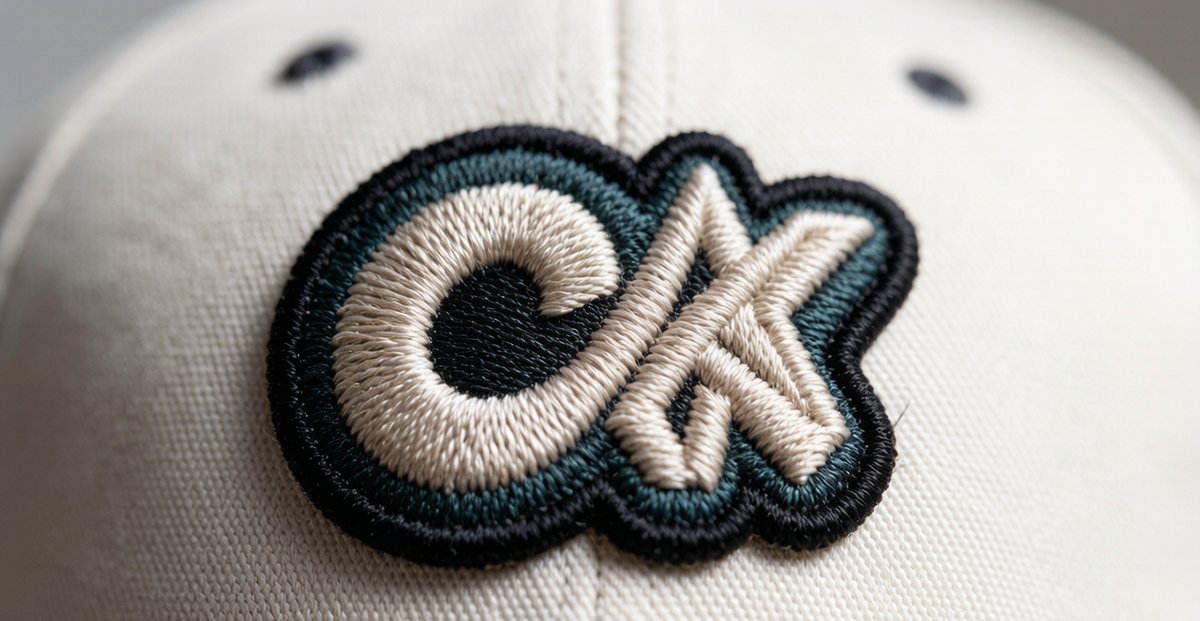
Close-up of 3D puff embroidery on a structured hat — the raised thread texture creates premium depth that flat embroidery cannot match
Trucker Hats: Breathable, Bold, Making a Comeback
Trucker hats have experienced a remarkable resurgence since 2020, crossing from rural Americana into streetwear, craft beverage branding, and outdoor lifestyle. The defining feature is the foam front panel combined with mesh back panels, creating a two-tone construction that is instantly recognizable.
Foam Front vs Buckram
Instead of buckram, trucker hats use a 1/4-inch to 1/2-inch closed-cell foam core wrapped in cotton twill or nylon. This creates a slightly taller, more prominent front profile than a standard baseball cap. The foam also provides a flat, rigid embroidery surface — similar to buckram but with a softer feel. The usable embroidery area is slightly larger: approximately 4.5 inches wide by 3 inches tall, making trucker hats ideal for larger logos and bold text.
Mesh Back and Ventilation
The mesh back panels (usually three or four panels) make trucker hats the most breathable cap style. This is why they dominate summer collections, outdoor brands, and streetwear with a sporty edge. However, the mesh cannot be embroidered directly — the open weave does not support thread tension. If you want back branding, consider a printed mesh patch or a woven label sewn onto the mesh.
Which Brands Should Choose Trucker Hats?
Trucker hats are perfect for outdoor-inspired streetwear, skate brands, brewery and coffee brands, and any collection that leans functional and rugged. The foam front and mesh back combination says "I am practical, but I also look good." If your brand has a sporty or adventurous edge, the trucker is your style.
Beanies: The Cold-Weather Streetwear Essential
Beanies are the dominant headwear choice for fall and winter streetwear collections, and in 2026, they are more diverse than ever. The key decision when sourcing beanies is whether to go with jacquard knit (pattern built into the knitting process) or embroidered cuff (design added after production).
Jacquard Knit vs Embroidered Cuff
Jacquard knit beanies use different colored yarns to create patterns directly in the fabric — the same technique used in high-end knitwear sweaters. The result is a seamless, permanent design that will not fade, peel, or crack. This is the premium option, with higher MOQ (typically 200+ pieces) and longer production time. Embroidered cuff beanies are faster and more affordable, with standard flat embroidery applied to the folded cuff. The cuff embroidery area is limited to approximately 3.5 inches by 1.5 inches due to the stretchy knit fabric.
Yarn Selection for Streetwear Beanies
Acrylic is the most common beanie material — affordable, machine washable, and available in countless colors. Cotton-acrylic blends offer a softer hand feel. For premium collections, merino wool beanies command higher retail prices but require dry cleaning or hand washing. The stitch type (chunky cable knit, fine rib, or slouchy fit) communicates a different brand personality — chunky knits feel cozy and premium, fine ribs feel clean and modern.
Which Brands Should Choose Beanies?
Beanies are a no-brainer for any streetwear brand releasing fall/winter collections — especially brands based in or targeting colder climates. Jacquard beanies suit premium, design-forward labels. Embroidered cuffs suit fast-turn drops and seasonal basics.
Bucket Hats: Gen-Z's Favorite Revival
The bucket hat has come a long way from its fishing and festival origins. Since 2024, custom bucket hat orders have increased by over 35% year-over-year, driven by Gen-Z fashion trends and the enduring popularity of 1990s and Y2K aesthetics. The flat crown panel offers approximately 3 inches by 3 inches of embroidery space, with additional branding possible on the brim.
Bucket hats work best in cotton canvas for structure or corduroy for a premium seasonal look. Reversible bucket hats (two fabrics in one) are a popular trend for 2026, offering customers two looks for the price of one. If your brand targets Gen-Z or leans festival, street art, or skate culture, the bucket hat deserves a spot in your collection.
Complete Hat Style Comparison Table
| Feature | Snapback | Dad Hat | Trucker Hat | Beanie | Bucket Hat |
|---|---|---|---|---|---|
| Front Structure | Buckram-lined | Unstructured (soft) | Foam core | Knit fabric | Flat canvas |
| Brim Type | Flat, rigid | Pre-curved, soft | Curved, structured | None | Wide, downward |
| Panels | 6 | 6 | 5-6 | N/A (knit) | 5-6 |
| Closure | Plastic snap | Fabric strap/buckle | Snap or strap | N/A (pull-on) | None or drawstring |
| Best Decoration | 3D puff, flat embroidery | Light embroidery, patches | Leather patches, flat embroidery | Jacquard, cuff embroidery | Flat embroidery, patches |
| Embroidery Area | 4" x 2.5" | 3" x 2" max | 4.5" x 3" | 3.5" x 1.5" (cuff) | 3" x 3" (crown) |
| Typical MOQ | 100 pcs/color | 100 pcs/color | 150-300 pcs/color | 200+ pcs (jacquard) | 100 pcs/color |
| Cultural Vibe | Hip-hop, urban | Vintage, relaxed | Outdoor, functional | Winter, premium | Festival, Gen-Z |
Hat Decoration Techniques Explained
Choosing the right decoration method is just as important as choosing the hat style. Here is what you need to know about each technique.
Flat Embroidery is the standard. The needle stitches thread directly into the fabric surface. It works on all hat styles, produces clean results, and keeps costs low. Best for logos with small text or fine details.
3D Puff Embroidery places a layer of foam under the thread, creating a raised, dimensional logo. It requires thicker thread, larger lettering (minimum 8mm height), and simple, bold shapes. Works best on snapbacks and structured caps with buckram fronts. The result is unmistakably premium — the kind of finish that commands higher retail prices.
Woven Patches are embroidered on a separate fabric backing and sewn onto the hat. They offer high detail and multiple colors without the distortion risk of direct embroidery on soft fronts. Ideal for dad hats, trucker hats, and beanies.
Leather Patches add a premium, artisanal feel. Debossed (stamped) logos on leather create a clean, minimalist look. Laser etching allows for more detail. Leather patches pair best with dad hats and trucker hats.
Jacquard Knit (for beanies) builds the design into the fabric during knitting. It is permanent, peel-proof, and fade-proof. The trade-off is higher MOQ and longer lead time.
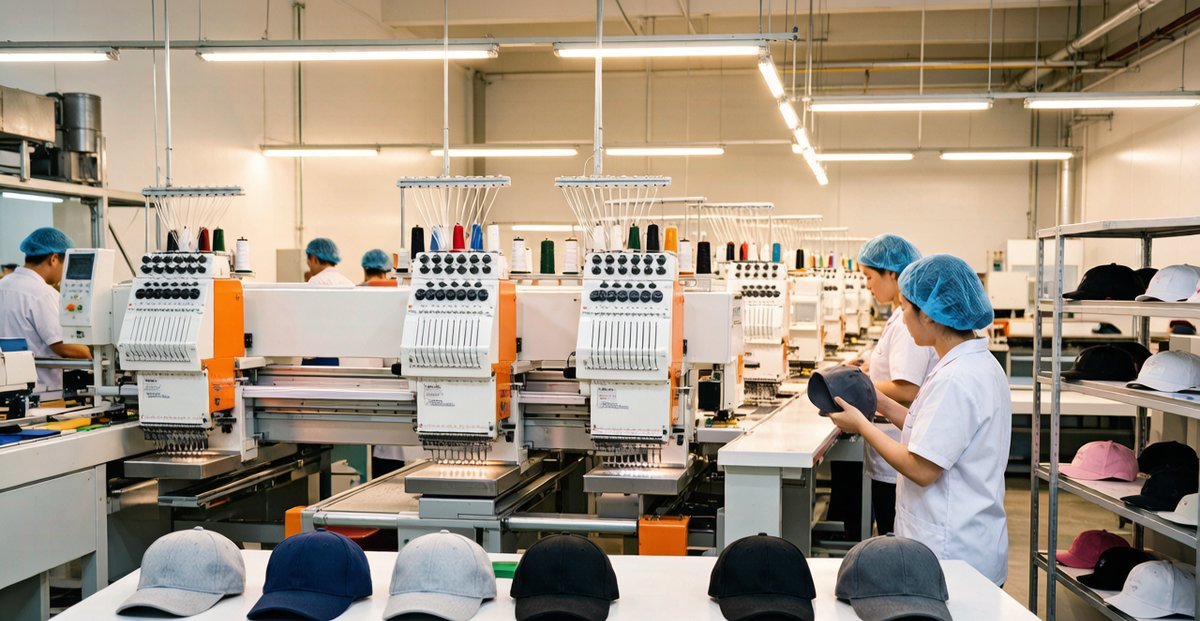
Professional hat manufacturing facility — industrial embroidery machines and quality control at a custom headwear factory
MOQ, Sampling, and Production Timeline
Here is the honest truth about hat MOQ: it depends on the style and decoration. Snapbacks, dad hats, and bucket hats typically start at 100 pieces per style per color. Trucker hats with foam fronts often require 150 to 300 pieces due to the foam molding setup. Jacquard knit beanies start at 200+ pieces. If you are testing a new design, ask your supplier about combining colors under one style to hit the MOQ.
The timeline is predictable: sampling takes 7 to 10 days after tech pack approval, including artwork digitization for embroidery and a first fit sample. Bulk production runs 20 to 30 days after sample approval. Add 20 to 35 days for sea freight to the US or Europe. Air freight is available for tight deadlines but adds significantly to cost.
The Custom Hat Development Process
Every successful hat order follows the same six-phase process. Understanding it helps you plan your launch timeline and avoid surprises.
Phase 1 — Design & Tech Pack. Finalize the hat style, fabric, closure type, decoration method, and logo placement. Include a flat sketch of the front, back, left, and right views with exact measurements.
Phase 2 — Artwork Digitization. For embroidery, the logo artwork must be digitized into a stitch file (DST, PES, or EXP format). This is a specialized skill — a good digitizer optimizes stitch order, density, and underlay for each hat style.
Phase 3 — Sample Development. The factory produces a first sample. Expect one to two rounds of revisions for fit, embroidery placement, and color accuracy.
Phase 4 — Pre-Production Approval. The final sample uses the exact materials and methods for bulk production. Once approved, production begins.
Phase 5 — Bulk Production & In-line QC. Hats are cut, sewn, decorated, and inspected throughout the production run. In-line checks catch issues before final assembly.
Phase 6 — Final Inspection & Shipping. Finished hats are inspected against AQL 2.5 standards, packed, and shipped.
Common Hat Manufacturing Mistakes
A dad hat cannot handle the same stitch density as a snapback. If your logo has small text, fine lines, or more than three colors, it needs a structured front. Trying to force a complex logo onto a soft hat causes puckering, distortion, and a finished product that looks cheap.
If your brand targets Gen-Z with a festival vibe, a structured baseball cap will feel stale. If you are selling to sneaker collectors, a dad hat might not make the right impression. Match the hat silhouette to the cultural identity of your customer.
The underbrim of a snapback and the interior sweatband are opportunities for brand detail. A green underbrim or a custom-printed sweatband transforms a basic hat into a retail-ready product. These details cost very little but signal quality to the end customer.
Embroidery thread colors, fabric dyes, and patch accents must match. A slight color discrepancy between the front fabric and the embroidery thread is one of the most common complaints in custom hat orders. Always request a physical color sample before approving bulk.
Real Factory Experience: What VANRD Has Learned
After producing hats for streetwear brands across the US, UK, and Europe, we have noticed a clear pattern: the brands that spend time on their tech pack get better samples faster. A tech pack with exact measurements, Pantone color codes, and embroidery placement diagrams reduces the sampling loop from three rounds to one and a half.
Second, start with one style. Brands that launch with two or three hat styles in their first order often end up with inventory imbalances. Launch one silhouette — typically a snapback or dad hat — validate customer demand, then expand into trucker hats, beanies, and bucket hats in subsequent seasons.
Third, the embroidery digitization file is worth getting right. A poorly digitized logo produces thread breaks, uneven stitch tension, and a finished design that looks nothing like the artwork. A well-digitized file runs cleanly at high speed and reproduces the logo exactly as designed.
Quality Control Checklist for Custom Hats
Before approving your bulk hat order, verify: embroidery stitch tension and density, logo placement centered and level, color accuracy against Pantone references, closure function (snap or buckle), brim shape consistency, interior sweatband attachment, and overall measurement compliance. VANRD follows AQL 2.5 standards with in-line inspection during production and final inspection before shipping.
Ready to source? Browse VANRD custom headwear collection or view our full range of custom pants and hoodies for a complete streetwear collection.
Conclusion
Choosing the right hat style for your streetwear brand does not have to be complicated. Start with your customer: who they are, what they wear, what cultural signals matter to them. From there, the decision between a snapback, dad hat, trucker hat, beanie, or bucket hat becomes a matter of matching silhouette to audience.
Here is the bottom line: a well-made hat in the right style sells itself. It becomes a walking billboard for your brand, worn day after day by customers who genuinely love it. The brands that succeed in headwear are not the ones with the biggest production runs — they are the ones that understand the nuance of each style before they order. Take the time to get the style right, and your hat program will be one of the most profitable categories in your collection.
Frequently Asked Questions
MOQ starts at 100 pieces per style per color for snapbacks, dad hats, and bucket hats. Trucker hats and jacquard knit beanies typically require 150-300 pieces due to specialized setup requirements.
Snapbacks and structured baseball caps with buckram-lined fronts provide the best surface for 3D puff embroidery. The rigid front panel supports the raised stitching without distortion. Dad hats and soft caps are not recommended for 3D puff.
Sampling takes 7–10 days after tech pack approval. Bulk production runs 25–35 days after sample approval. Sea freight to the US or Europe adds 20-35 days. Total timeline: approximately 8-12 weeks from first contact to delivery.
Yes, but each style and color combination has its own MOQ. Many suppliers will allow you to combine multiple styles under one order as long as each style meets its individual minimum. Ask your supplier about flexibility, especially for first-time orders.
Cotton twill is the most versatile and popular choice for snapbacks, dad hats, and trucker fronts. Wool blends offer a premium feel for cold-weather collections. Corduroy adds seasonal texture. Acrylic is standard for beanies, while cotton canvas is best for bucket hats.
Ready to launch your custom hat line? VANRD offers end-to-end headwear manufacturing from sample development to bulk delivery.
Start Your Hat Project