Custom Cargo Pants Manufacturing: A Complete Guide for Streetwear Brands in 2026
Custom Cargo Pants Manufacturing: A Complete Buying Guide for Streetwear Brands in 2026
If you are sourcing custom cargo pants from an OEM supplier or clothing factory for a streetwear brand in 2026, this guide is for you. Whether you are a growing label, an established brand, a designer, or a private label buyer, here is everything you need to evaluate manufacturers, choose materials, and avoid the mistakes that delay or ruin first-time production.
Why Cargo Pants Dominate Streetwear in 2026
Let me ask you something. When was the last time you walked into a streetwear store and did not see at least one pair of cargo pants on the rack? Chances are, it has been a while. Cargo pants have made a comeback that even industry veterans did not predict, and in 2026, they are firmly established as a core category in any serious streetwear collection.
According to Google Trends, searches for "custom cargo pants" have increased by 215 percent since 2023. Brands like Fear of God, Balenciaga, and Stone Island have all featured cargo silhouettes, and the trend has trickled down to emerging labels that want their own unique take. The market is hungry, but not every apparel manufacturer knows how to build cargo pants properly.
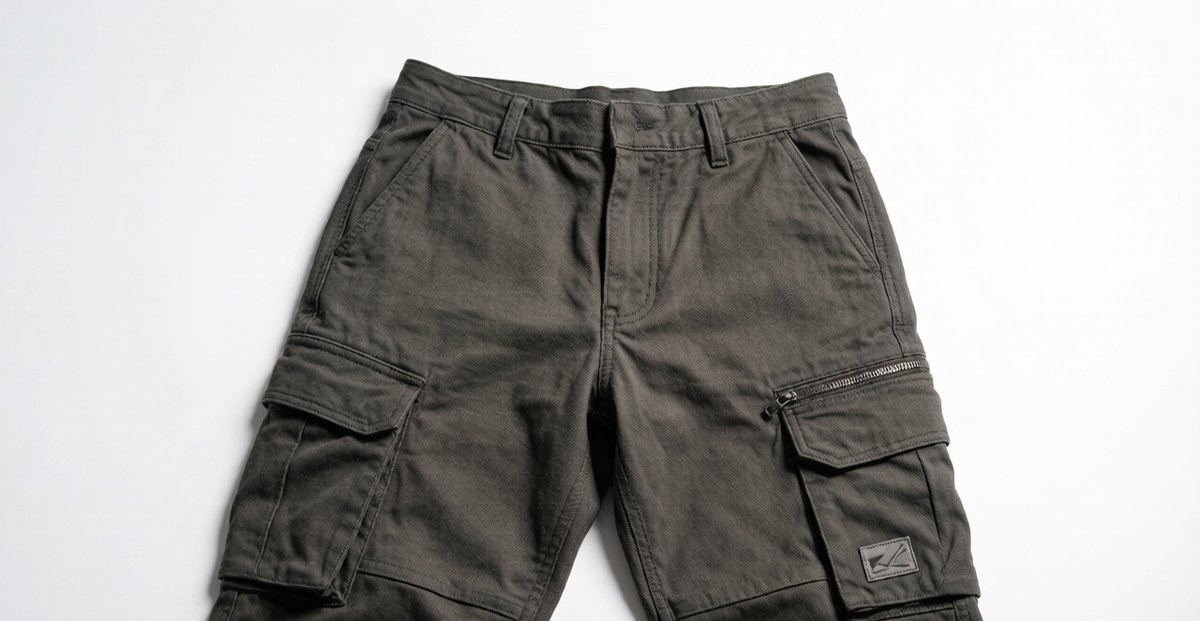
Premium custom cargo pants — explore VANRD cargo pants collection for private label options
What Makes a Great Cargo Pant?
Think of it like building a house. You need a solid foundation (fabric), a well-designed layout (fit), and functional features that actually work (pockets). Miss any one of these, and the whole thing collapses. This is the difference between a cargo pant that sells out and one that sits in a warehouse.
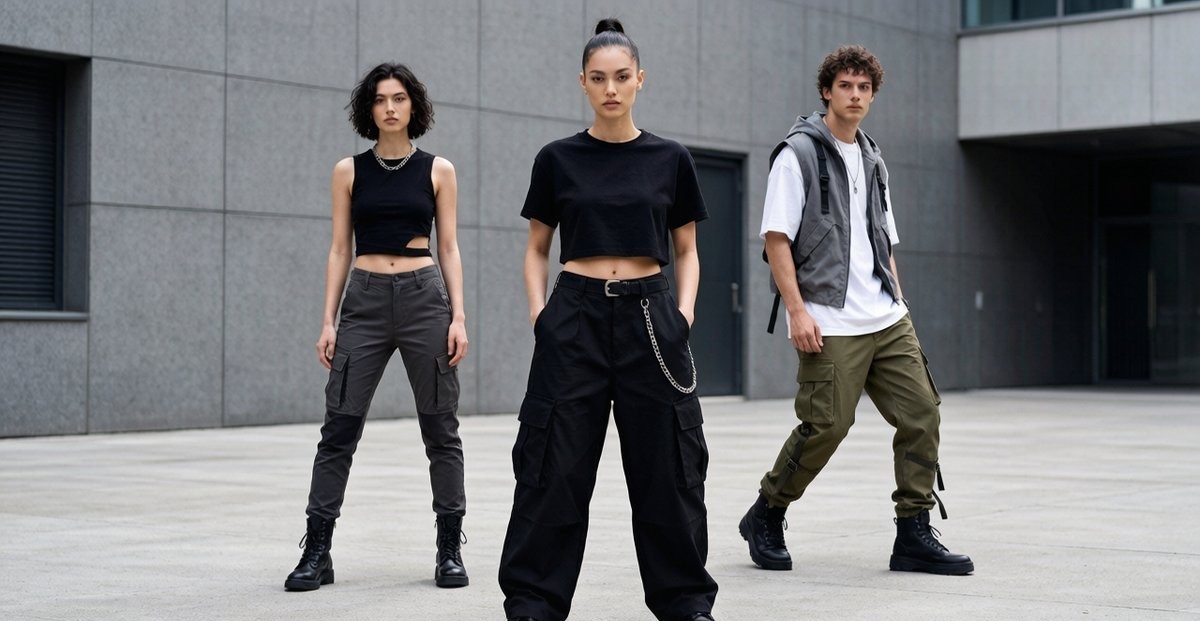
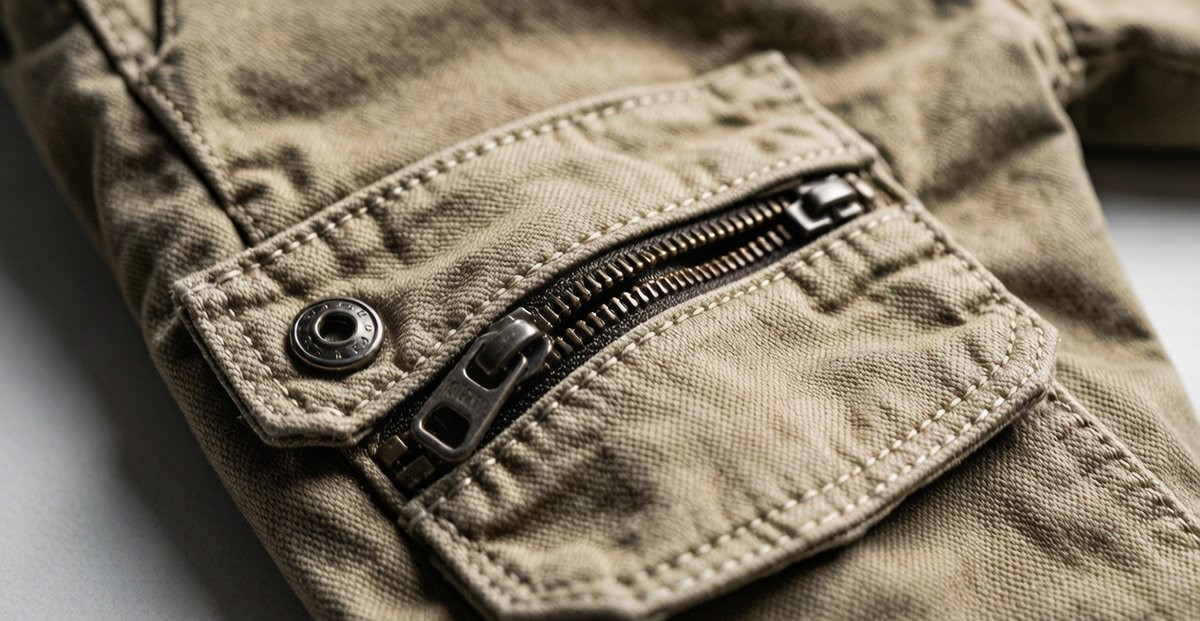
Left: Style variations for streetwear — baggy, slim, and utility. Right: Pocket engineering details including reinforced stitching and closure systems
Custom Cargo Pants Development Process
Before you contact a factory, it helps to understand the full development process. Every successful cargo pants order moves through six clear stages. Knowing them lets you ask better questions and spot a supplier who is winging it.
You finalize the silhouette, pocket layout, fabric choice, hardware, and size chart. A clear tech pack is the blueprint the factory follows. Without it, even a good manufacturer is guessing.
The factory confirms fabric availability, trim options, and color approvals. This is where lead time starts. Custom-dyed fabrics or branded hardware add extra weeks.
Pattern making, fit samples, and revisions happen here. Expect two to three rounds for a new design. This phase exists to catch fit and construction issues before bulk.
One final sample is made using the approved bulk materials and methods. Once you approve it, the factory can proceed with cutting. Skipping this step is one of the most expensive mistakes a buyer can make.
Fabric is cut, sewn, and finished according to the approved pre-production sample. In-line quality checks during sewing catch problems before they reach the final inspection.
The finished goods are inspected against AQL standards, packed, and shipped. Sea freight is standard for bulk; air freight is available for tight deadlines.
Choosing the Right Fabric
The fabric you choose affects every downstream decision. Cotton twill is the most popular choice, offering a balance of durability, comfort, and cost. Available in weights from 200 to 350 GSM, it drapes naturally and softens with age. Ripstop nylon is ideal for technical looks — lightweight and water-resistant. Canvas creates a stiff, structured silhouette perfect for workwear styles.
Cotton Twill: The Workhorse
Cotton twill is like a good pair of boots — comfortable from day one, but gets better the more you wear them. One thing to keep in mind: cotton shrinks 3 to 5 percent in the first wash. A good manufacturer accounts for this in the pattern.
Ripstop Nylon: The Technical Choice
Ripstop has reinforcing threads that prevent tears from spreading. It is lightweight, water-resistant, and extremely durable. The downside? It typically requires 20 to 40 percent more in raw material than standard cotton twill and needs different sewing specifications.
Fabric Comparison Table
| Fabric | Weight | Durability | Shrinkage | Best For |
|---|---|---|---|---|
| Cotton Twill | 200-350 GSM | High | 3-5% | Everyday streetwear |
| Ripstop Nylon | 150-250 GSM | Very High | 1-2% | Technical streetwear |
| Canvas | 300-450 GSM | Very High | 2-4% | Workwear style |
| Cotton-Poly | 180-280 GSM | Medium | 1-3% | Budget collections |
Looking for a broader range of bottom styles? Browse VANRD custom pants, including sweatpants and denim options.
Manufacturing Cost Factors
Every cargo pant order is a math problem. The final cost depends on four main levers, and understanding them helps you negotiate better and make trade-offs without sacrificing quality.
1. Fabric Choice
Fabric is usually the largest line item. Cotton twill is the most cost-efficient for standard orders. Technical fabrics like ripstop nylon and canvas cost more per meter and may require specialized stitching, which adds to labor time.
2. Construction Complexity
More pockets mean more cutting, more stitching, and more pattern pieces. A cargo pant with six pockets and double-layer reinforcements takes longer to sew than a standard five-pocket pant. The same applies to articulated knees, gussets, and panel construction.
3. Hardware and Customization
Stock hardware keeps costs predictable. Custom buttons, branded zipper pulls, engraved snaps, and custom drawcord tips look premium but require higher minimums and longer sourcing times. They are worth it for brand recognition, but not for small test runs.
4. MOQ and Wash Treatments
Larger orders bring the unit cost down because fabric and setup costs are spread across more pieces. Special washes like enzyme, stone, or garment dye also add process steps and affect the final number.
Pocket Engineering: The Heart of Cargo Pants
If there is one area where manufacturers either shine or fail, it is pocket engineering. A cargo pant without properly designed pockets is just a regular pant with extra fabric. Your customers will notice within the first week.
Pocket Placement
The pocket opening must be accessible whether standing or sitting. The ideal position is mid-thigh, angled slightly forward for natural hand access. Closure types include snap buttons (satisfying click but requires quality hardware), zippers (premium feel but 15-20 percent more sewing time), and open pockets (casual, relaxed look).
Reinforcement Matters
Cargo pockets carry more weight than standard pockets. They need reinforced stitching at stress points, bar tacks at corners, and double-stitched seams. These details add a small percentage to production cost but save far more in returns and complaints.
Hardware: The Details That Define Quality
Hardware in cargo pants is like the seasoning in a good dish. Too little and it is bland. Too much and it overpowers everything. YKK zippers are the industry standard. Branded buttons and custom zipper pulls add brand recognition but require higher MOQs.
MOQ and Minimums Explained
MOQ starts at 100 pieces per style per color for stock fabrics. Complex designs can reach 300 pieces. But MOQ is not one number — it is made of several minimums working together: fabric minimum, trim minimum, printing or embroidery minimum, and production line minimum.
A good OEM supplier will break this down for you. If you are testing a new style, ask whether they can combine colors or run a smaller trial order with a surcharge. This is especially useful for growing brands and designers who want to validate demand before committing to bulk.
Production Timeline: From Idea to Delivery
One of the most common questions buyers ask a cargo pants factory is, "How long will this take?" Here is a realistic timeline for a custom cargo pants order from first contact to delivery.
Sampling: Your Safety Net
Do not skip sampling. The process includes tech pack review, pattern making, fit sample, revisions, and pre-production sample. It takes 7 to 15 days and exists to catch problems before they become expensive mistakes.
A clear tech pack should include front and back flat sketches, pocket placement diagrams, measurement specs for every size, and artwork files for any branding. The more detail you provide, the faster and more accurate the sample will be.
Wash and Finish Options
Enzyme washing softens fabric for a lived-in look. Stone washing adds vintage character. Garment dyeing achieves custom Pantone colors. Each option adds process steps and lead time, so they should be chosen based on the final price point and brand positioning of the collection.
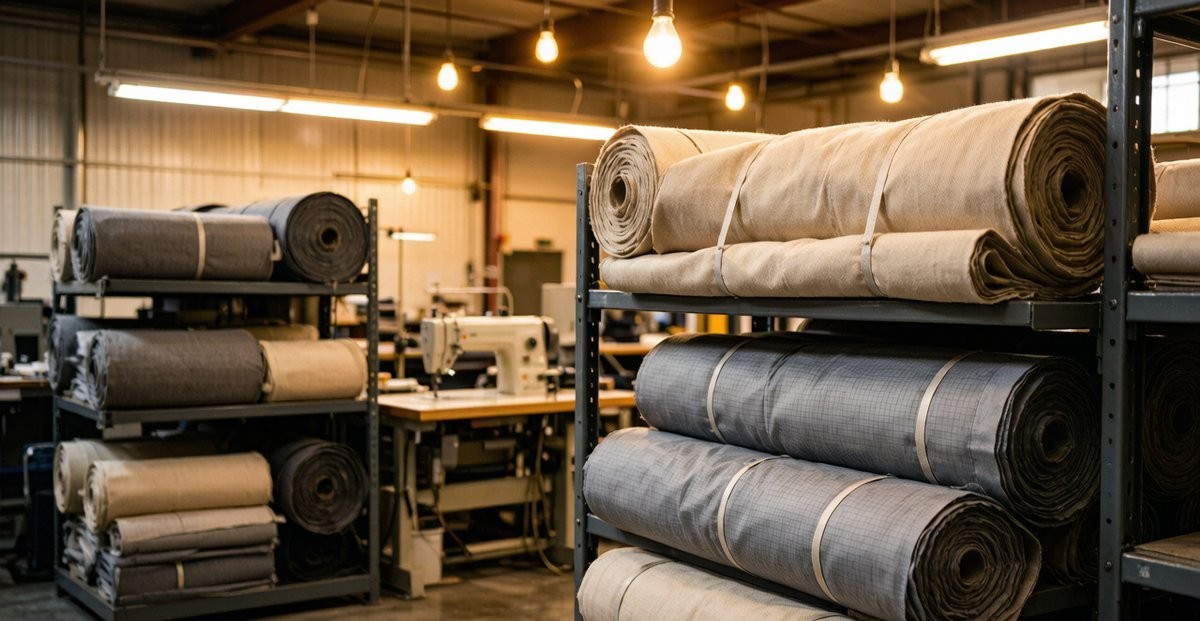
VANRD garment manufacturing facility — fabric rolls and production workshop for custom cargo pants
Manufacturing Mistakes That Cost You Money
After working with streetwear brands across the US, UK, and Europe, we see the same costly mistakes appear again and again. Here are the ones to avoid when working with any clothing supplier.
Some buyers try to rush straight to bulk after one fit sample. The pre-production sample is the final dress rehearsal. It catches fabric shade issues, thread tension problems, and hardware color mismatches before 300 pieces are cut.
Cotton twill shrinks 3-5 percent. If your pattern does not account for this, the finished pants will measure short after the first wash. Always request shrinkage test results and confirm the pattern is pre-shrunk or oversized accordingly.
It is tempting to add six pockets, custom hardware, a special wash, and embroidery all at once. For a first order, this raises cost, extends lead time, and increases risk. Start with a clean silhouette and add complexity after you confirm the fit.
Cargo pockets are the first thing to fail if they are not reinforced. Make sure your manufacturer uses bar tacks at the pocket corners and double-stitched seams at stress points. A ripped pocket on one unit is a bad review waiting to happen.
Real Factory Experience: What VANRD Has Learned
At VANRD, we produce cargo pants for streetwear brands across the US, UK, and Europe. Over the years, a few patterns have become clear from working directly with designers, sourcing managers, and private label buyers.
First-time brands often underestimate the tech pack. A two-page brief is not enough. We recommend a tech pack with full measurements, fabric swatches, pocket diagrams, and a size grading chart. This alone reduces sample revision rounds by 50 percent.
Second, the best-selling cargo pants usually start simple. Brands that launch with one strong silhouette — often a straight or slightly tapered cotton twill cargo — then expand into technical fabrics and washes perform better than brands that over-design from the start.
Third, communication matters. A good factory partner will ask about the end market, planned retail price, and launch timeline before quoting. If an OEM supplier only asks for quantity and fabric, they are not thinking about the product the way a brand partner should.
Quality Control Checklist
Before approving bulk, verify: fabric shrinkage test results, pocket placement and reinforcement, hardware function, measurement consistency across sizes, and wash approval. VANRD follows AQL 2.5 standards with in-line and final inspection.
VANRD production facility — in-line QC and final AQL inspection for bulk cargo pants orders
Ready to source? View VANRD custom cargo pants or browse our full pants collection to plan your next collection.
Conclusion
Custom cargo pants manufacturing requires attention to detail at every stage. From fabric selection to pocket engineering to hardware choices, each decision affects the final product. The brands that succeed are the ones that understand the process before they place their first order.
Whether you are a growing brand looking for your first cargo pants factory, an established label expanding your bottoms range, or a designer building a private label collection with an OEM supplier, the right apparel manufacturer will help you balance quality, cost, and timeline from day one.
Frequently Asked Questions
Standard MOQ ranges from 100 to 300 pieces per style per color, depending on fabric type, pocket complexity, and hardware customization.
Sampling takes 7–10 days, bulk production takes 25–35 days after sample approval, and sea freight to the US or Europe adds 20-35 days.
Cotton twill (200-350 GSM) balances durability, comfort, and cost. Ripstop nylon is best for technical looks, while canvas is best for workwear durability.
Yes, branded buttons and zipper pulls are available. They typically require higher MOQs and 4-6 weeks lead time for sourcing and production.
Ask to see previous cargo pant work. A competent manufacturer will show different pocket styles, reinforcement techniques, and discuss shrinkage testing without prompting.
A strong tech pack includes flat sketches, pocket placement diagrams, measurement specs for each size, fabric details, hardware specifications, and artwork files for any branding.
Start simple. Launch with one clean silhouette and validate the fit and market response before adding complex pockets, washes, or custom hardware.
OEM means the factory produces your custom design from your tech pack. ODM means the factory offers an existing design that you can rebrand. OEM gives you full control; ODM is faster but less unique.
Yes, most reputable suppliers welcome factory visits or video calls. A visit helps you assess production capacity, quality control systems, and communication before committing to bulk.
Factories usually quote FOB terms, meaning they deliver to the port. From there, you or your freight forwarder handle sea freight, customs clearance, and final delivery. Some suppliers also offer DDP if you prefer delivery to your door.
Ready to manufacture your custom cargo pants? VANRD offers end-to-end support from design review to bulk delivery.
Submit Your Cargo Pants Inquiry