
Custom Apparel Color Consistency: The Complete Guide for Streetwear Brands
Custom Apparel Color Consistency: The Complete Guide for Streetwear Brands
Here is a scenario every streetwear brand dreads. You receive your bulk order, open the boxes, and the black hoodie in box one does not match the black hoodie in box two. One is a rich, deep black. The other is slightly washed out, almost grey. This is not a fabric defect — it is a color consistency failure, and it is one of the most expensive problems in apparel manufacturing.
Why Color Consistency Matters More Than You Think
Have you ever bought a shirt online, loved the color in the photos, and then felt disappointed when it arrived looking completely different? That is color inconsistency, and it is a brand killer. Color is the first thing a customer notices. When your black tee looks different between two production runs, or the jacket and pants of your tracksuit set do not match, customers notice immediately.
Color consistency is not just about aesthetics — it is about trust. A brand that delivers consistent color across every order signals reliability, quality, and attention to detail. A brand that cannot control color looks amateur, regardless of how good the design is. In streetwear, where brand perception is everything, this is a risk no label can afford.
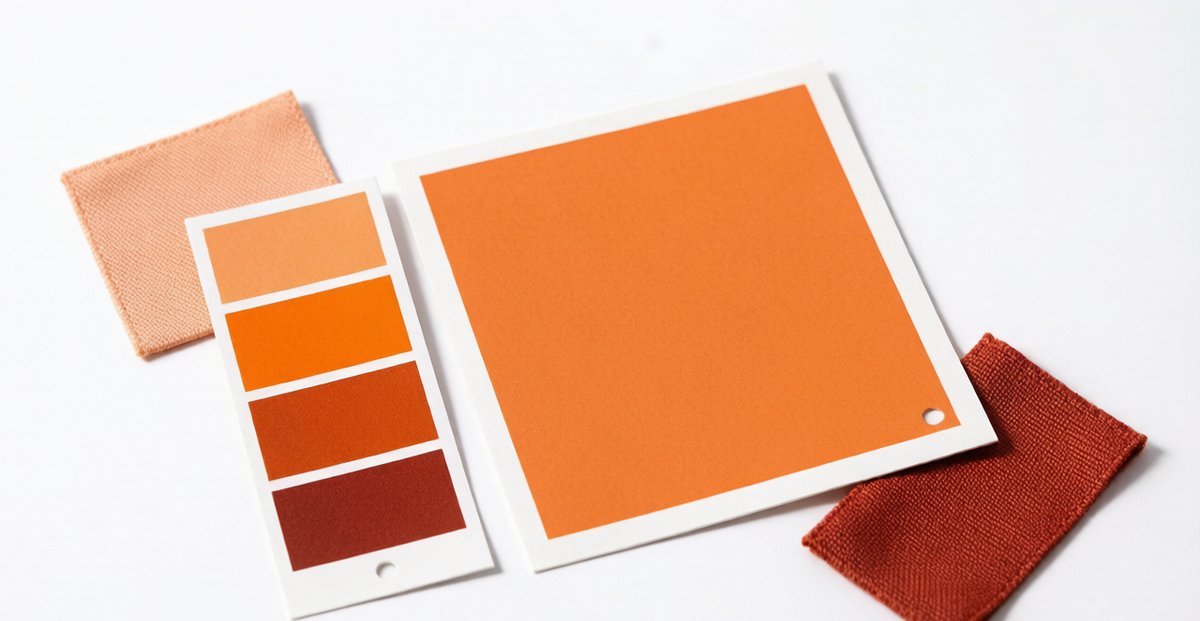
Pantone color swatches and fabric dye samples — the foundation of accurate color matching in apparel manufacturing
What Is Pantone Color Matching and Why Is It the Industry Standard?
Imagine trying to describe the exact shade of red you want to a factory without a reference. You could say "crimson" or "cherry red," but those words mean different things to different people. This is where Pantone comes in. Pantone is a universal color language that gives every shade a unique code — like 18-1664 TPX for a specific red. When you specify Pantone 18-1664 TPX, any factory anywhere in the world knows exactly which color you mean.
For apparel manufacturing, the Pantone Fashion, Home + Interiors (FHI) system is the standard. It provides swatches on both cotton (TCX) and paper (TPX) formats, accounting for how fabric absorbs and reflects light differently than paper does.
How Pantone Codes Work in Practice
When you send a Pantone code to a factory, they create a lab dip — a small fabric sample dyed to match your specified color. The lab dip is the first real test of whether the factory can achieve your color on your chosen fabric. Different fabrics absorb dye differently: cotton behaves nothing like polyester, and a blend behaves differently from either pure fiber. A good factory will tell you upfront if a Pantone color is achievable on your fabric choice.
Lab Dips: Your First Line of Defense Against Color Mismatch
The lab dip is the single most important step in the color matching process. Think of it like a dress rehearsal before the main performance. The factory dyes a small swatch of your actual fabric, matches it against your Pantone code, and sends it to you for approval. This is where you catch problems before they become expensive.
How Many Lab Dip Rounds Are Normal?
Most orders require 1 to 3 rounds of lab dips. In the first round, the factory typically submits 2 to 3 variations (labeled A, B, C) showing slightly different interpretations of the target color. You select the closest match or request adjustments. By round three, the color should be locked in. If it takes more than three rounds, either the fabric is unsuitable for the target color, or the factory's dye capabilities are limited.
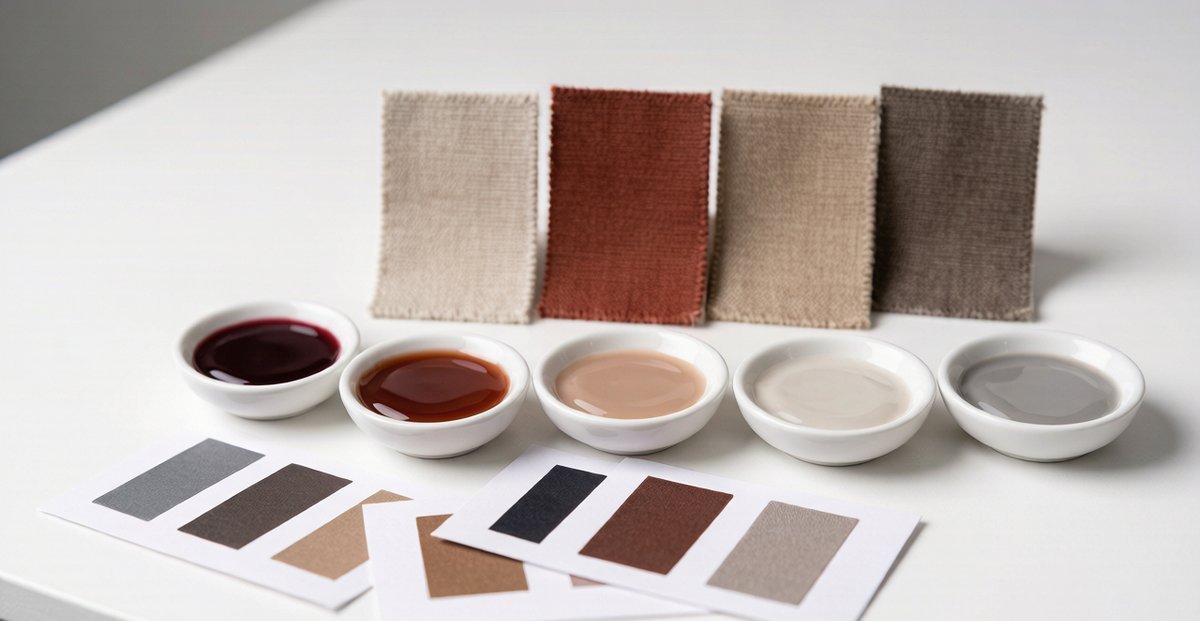
Lab dip samples with color comparison cards — multiple dye variations submitted for approval before bulk production begins
Delta E: The Science of Measuring Color Accuracy
Here is where things get technical. Delta E (ΔE) is a scientific measurement of the difference between two colors. A Delta E of 0 means the colors are identical. A Delta E of 1.0 means the difference is just barely visible to the trained eye under ideal lighting. Most brands accept a tolerance of ΔE ≤ 1.0 for main body fabric.
Factories measure Delta E using a spectrophotometer — a device that reads color reflectance across visible wavelengths. It removes human error and lighting bias from the equation. If a factory sends you spectrophotometer readings alongside their lab dips, it is a strong sign they take color seriously.
Lighting Conditions Matter
The same fabric can look different under sunlight, fluorescent store lighting, and your bedroom lamp. This phenomenon is called metamerism. Professional factories evaluate color under standardized lighting using a lightbox. The standard is D65 lighting, which simulates natural daylight. Additional light sources like TL84 (retail lighting) help ensure the color looks correct in the environments where customers will see it.
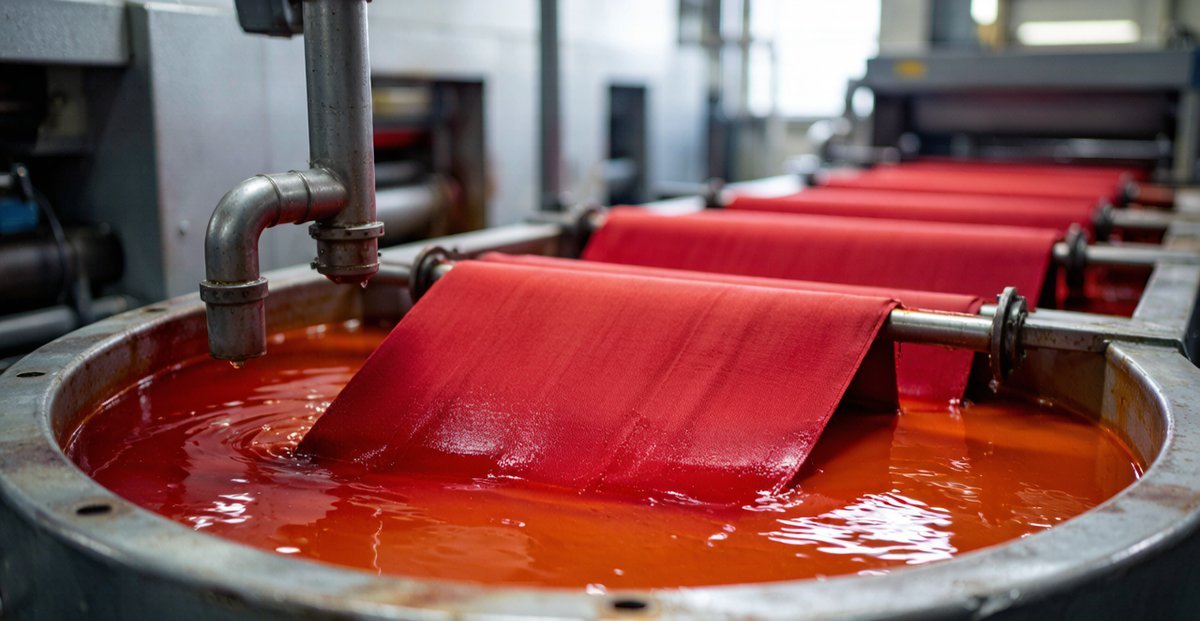
Fabric dyeing process — precision dye recipes and temperature control ensure batch consistency
The Complete Color Management Process
Getting consistent color from design to delivery requires a systematic approach. Here is how professional factories manage it.
Step 1: Design and Pantone Selection
Choose your Pantone colors from the FHI cotton swatch book. Always reference the physical swatch, not a screen rendering — monitors display color differently and will mislead you.
Step 2: Lab Dip Creation and Approval
The factory dyes sample swatches on your chosen fabric. You approve the closest match or request revisions. Document the approved lab dip with spectrophotometer readings for future reference.
Step 3: Bulk Dye Lot Control
When bulk production begins, the first meters from each dye vat are tested against the approved lab dip. This bulk color approval step ensures the production batch matches before thousands of meters are dyed.
Step 4: In-Line Color Inspection
During production, inspectors check for shade variation across rolls. Fabric rolls outside the acceptable Delta E range are flagged for re-dye.
Step 5: Final QC Verification
Finished garments are checked under standardized lighting. Color consistency is verified across the entire batch before packing.
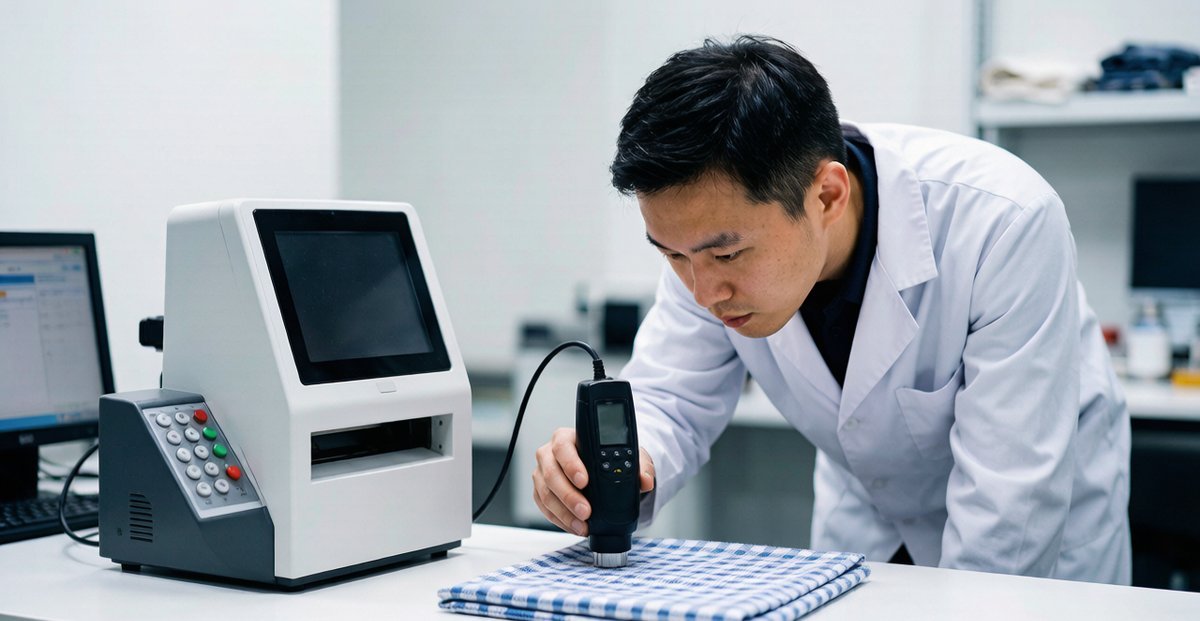
Spectrophotometer color measurement — Delta E readings verify color accuracy beyond what the human eye can detect
Common Causes of Color Variation
Dye Lot Variation
Fabric dyed in different batches can produce slightly different shades. Order all fabric for a single production run from the same dye lot. For reorders, request a new lab dip to confirm the color still matches.
Fabric Composition Differences
The same Pantone color looks different on cotton versus a cotton-polyester blend. If you change fabric suppliers or blend ratios, expect color to shift. Re-do lab dips when your base fabric changes.
Inconsistent Dyeing Conditions
Water temperature, dye concentration, immersion time, and water hardness all affect the final color. Consistent process control separates professional dye houses from inconsistent ones.
Real Factory Experience: What VANRD Has Learned
After producing thousands of garments across hundreds of colorways, here is what we know about keeping color consistent.
The single most effective investment a brand can make is in the lab dip process. Every dollar spent getting the lab dip right saves ten dollars fixing color problems in bulk. We have seen brands try to skip lab dips, only to end up with entire production runs that needed re-dyeing.
Second, document everything. When you approve a lab dip, save the spectrophotometer reading, lighting conditions, and fabric reference. Months later when you reorder, this documentation is the key to matching the original color.
Third, build a relationship with your dye house. Factories that work with the same brand season after season learn the brand's color preferences and tolerances. This relationship is worth far more than the lowest quote from an unfamiliar supplier.
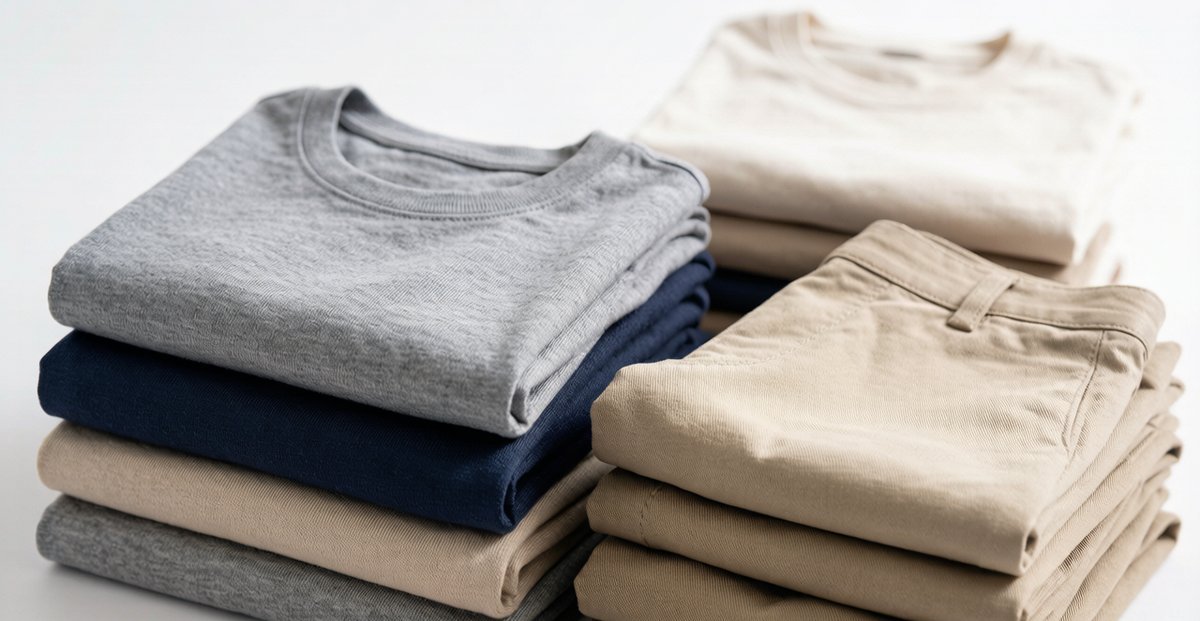
Finished apparel in consistent colors — verified through systematic QC checks before shipment
Quality Control Checklist
Before approving bulk production, verify: lab dip approved with spectrophotometer readings (ΔE ≤ 1.0), bulk dye lot tested against approved lab dip, fabric rolls checked for across-roll shade variation, finished garments inspected under D65 standardized lighting, and trims color-matched to main fabric.
Ready to produce with confidence? Explore VANRD custom apparel manufacturing — systematic color management protects your brand's identity across every production run.
Conclusion
Color consistency is not a technical detail you can leave to the factory and hope for the best. It is a fundamental part of your brand's quality promise. From Pantone selection to lab dip approval to bulk dye lot control to final QC inspection, every step matters. The brands that invest time in getting color right at the sampling stage save money, protect their reputation, and earn customer trust that no marketing campaign can replace.
Here is the bottom line: your customers may not know what Delta E means, but they know when the black hoodie they bought last season does not match the one they just received. Do not let color inconsistency undermine everything else you have built.
Frequently Asked Questions
Most orders need 1 to 3 rounds. If a factory needs more than 3 rounds, it may indicate a limitation in their dye capabilities or an incompatibility between your target color and chosen fabric.
For main body fabric, ΔE ≤ 1.0 is the industry standard. For trims and hardware, ΔE ≤ 1.5 may be acceptable. Always confirm the tolerance with your manufacturer before bulk production.
Absolutely. Cotton absorbs dye differently than polyester or nylon. The same Pantone code can look noticeably different across fabric types. Always create lab dips on your actual production fabric, not a generic swatch.
The most common cause is cutting from different dye lots. Insist that all pieces of a set are cut from the same fabric roll. Request a set sample with both pieces laid side by side for approval.
Request a new lab dip using your original approved sample as the reference. Fabrics, dye recipes, and production conditions change over time, so never assume a reorder will match without re-verifying.
Ready to manufacture with confidence? VANRD follows strict color management protocols from lab dip to final QC.
Start Your Project