What Brands Should Check Before Developing Custom Work Jackets for Modern Streetwear and Utility Programs
A custom work jacket usually becomes easier to develop when a brand defines the use case, material direction, pocket logic, hardware choices, and fit priorities before sampling starts. Modern work jackets for streetwear and utility programs often need to balance visual structure, wearability, and production practicality at the same time. A clearer approval order can reduce revisions, improve supplier communication, and make bulk execution more stable.
Why Custom Work Jacket Development Needs More Early Checks Than Many Brands Expect
A custom work jacket often looks simpler than it really is. At a glance, it may appear to be only a straightforward outerwear piece with pockets and hardware. In practice, modern streetwear and utility work jackets usually involve multiple linked decisions around durability, weight, construction, mobility, styling, and branding.
That is why brands should check more than fabric and color before starting development. A work jacket that is meant for fashion-led streetwear may need a different structure from a jacket intended for utility-inspired merch, teamwear, or more functional daily use. When these differences are not defined early, the sample process can become less efficient.
This is also why early alignment on OEM/ODM Services
and the technical direction in Fabrics and Techniques
is often more useful than discussing every visible detail at once.
The First Check: What Is the Jacket Actually Being Built For
A work jacket usually develops more smoothly when the buyer defines the real use case first. The same product category can serve very different purposes:
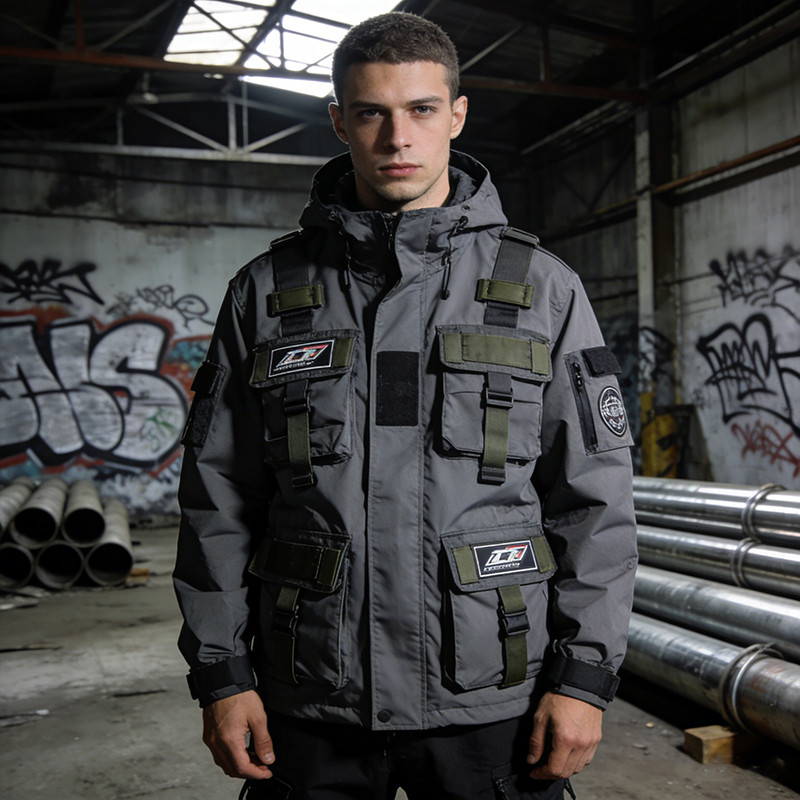
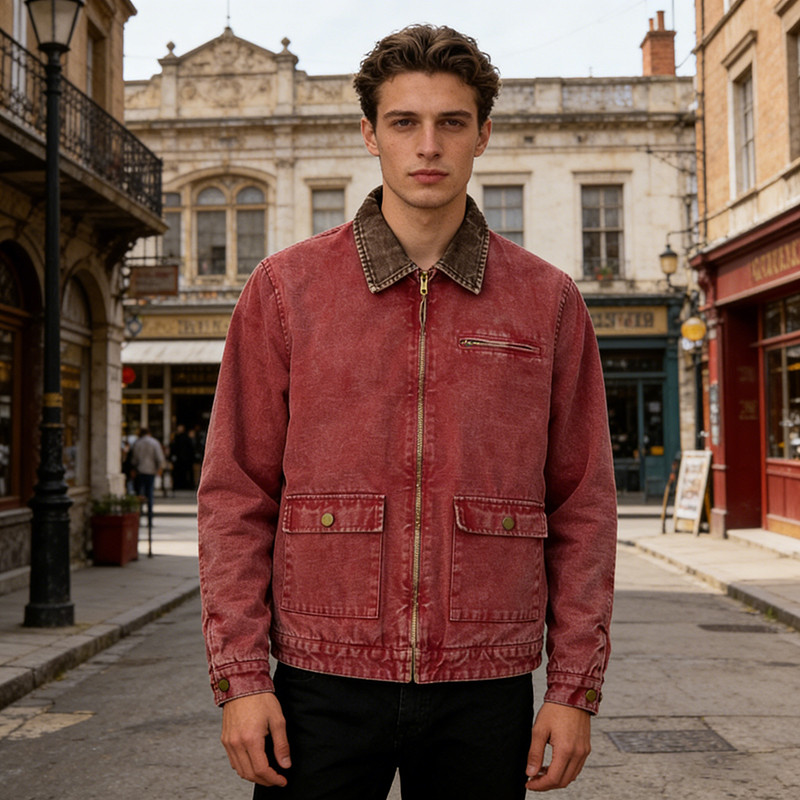
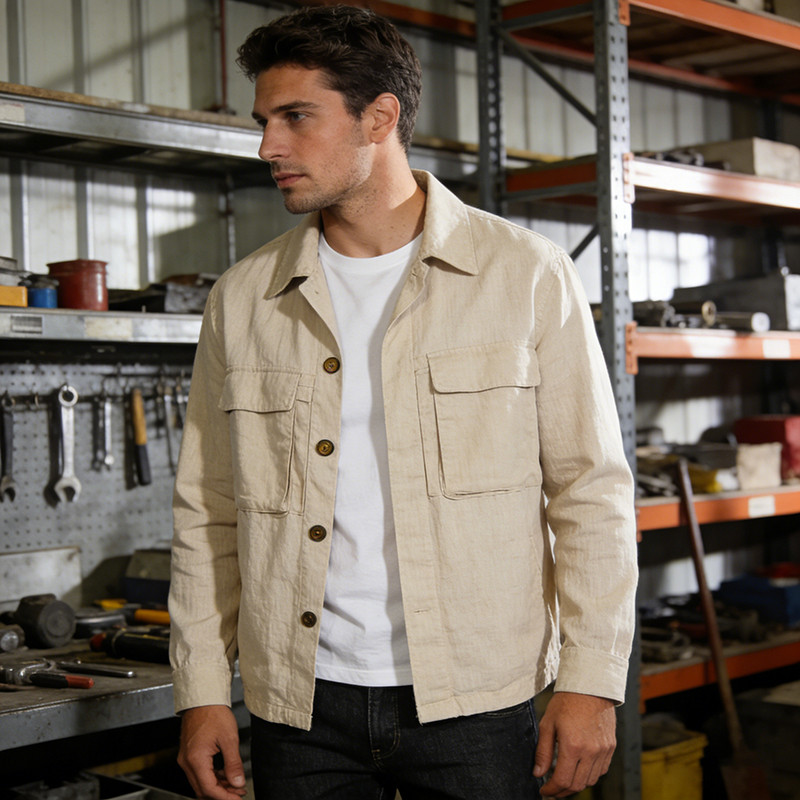
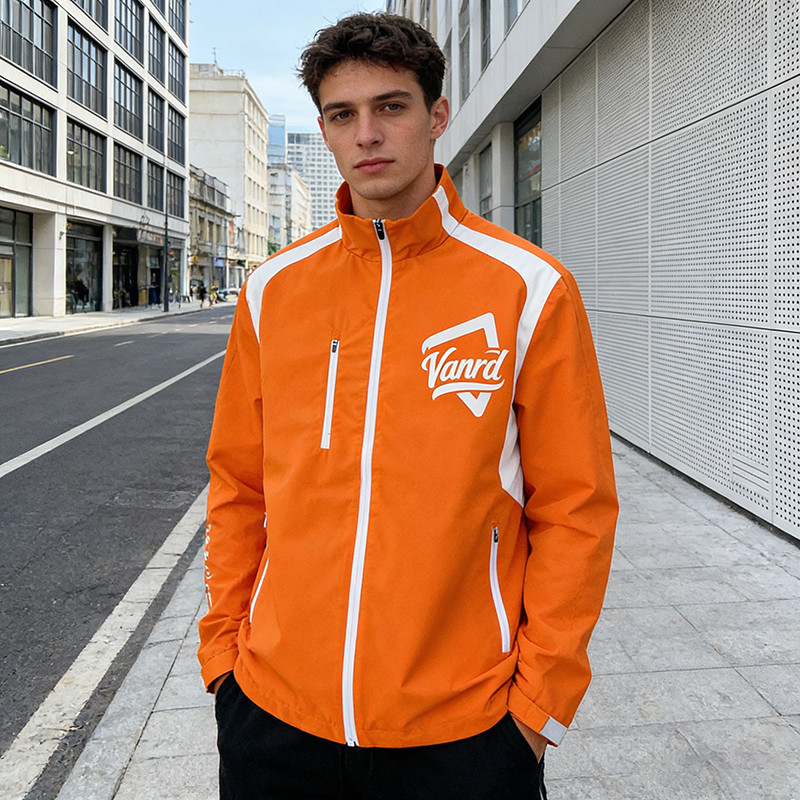
a structured streetwear work jacket with stronger visual identity
a utility jacket with practical pocket emphasis
a lightweight workwear-inspired layering piece
a cleaner branded jacket for merch or staff programs
These are not identical projects. They may look similar from a distance, but the development priorities can be different.
Streetwear-Led Use Case
A streetwear-oriented work jacket often places more emphasis on silhouette, panel balance, visual structure, branding placement, and surface character.
Utility-Led Use Case
A utility-oriented jacket often needs stronger logic around pocket function, movement, closure choices, and fabric practicality.
Merch or Brand Program Use Case
A merch-driven or branded work jacket often needs a simpler decision framework so that the product stays commercially workable without becoming overbuilt.
The earlier the intended use is defined, the easier it becomes to make better choices in fabric, hardware, and trim.
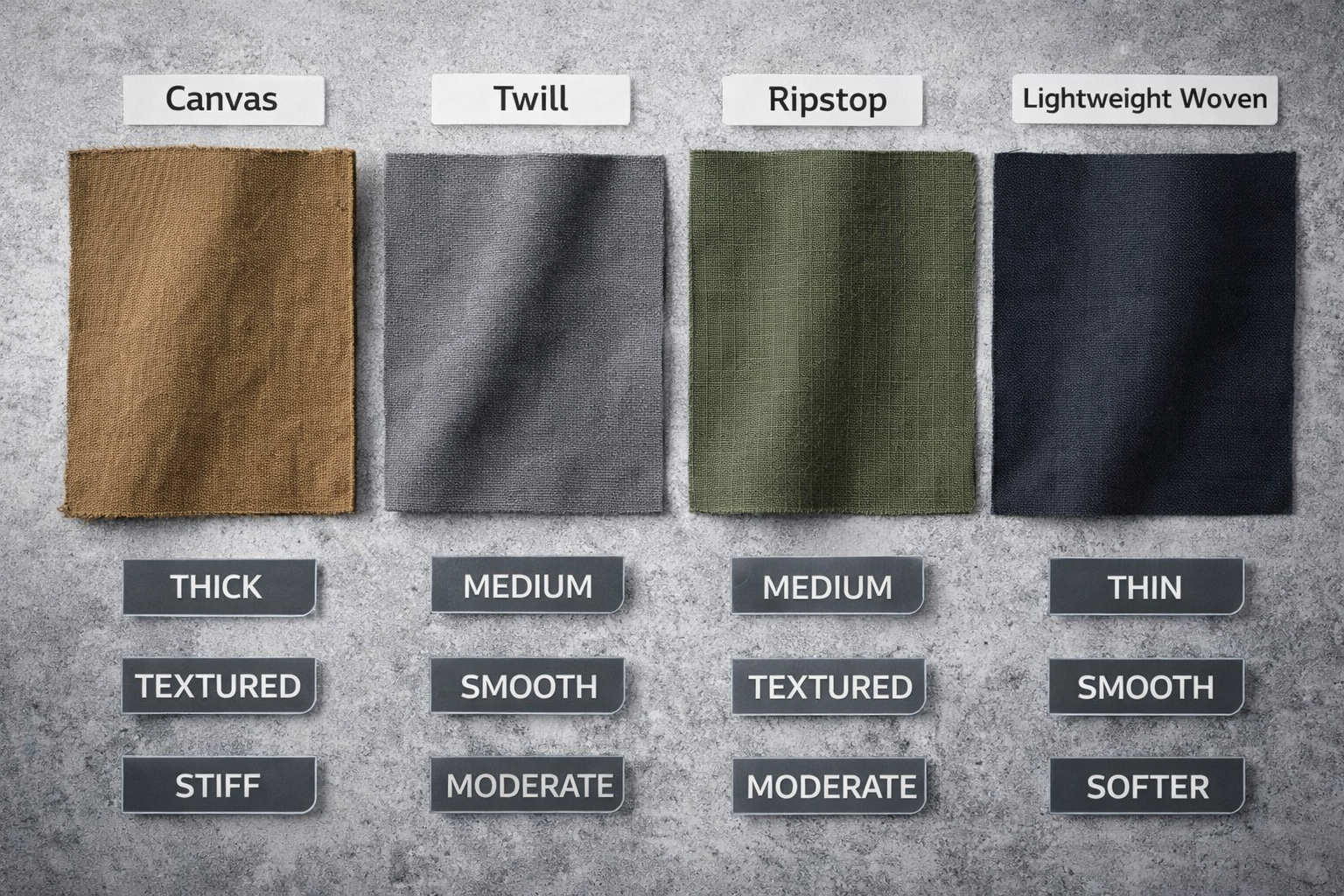
The Second Check: Fabric Direction Before Detail Expansion
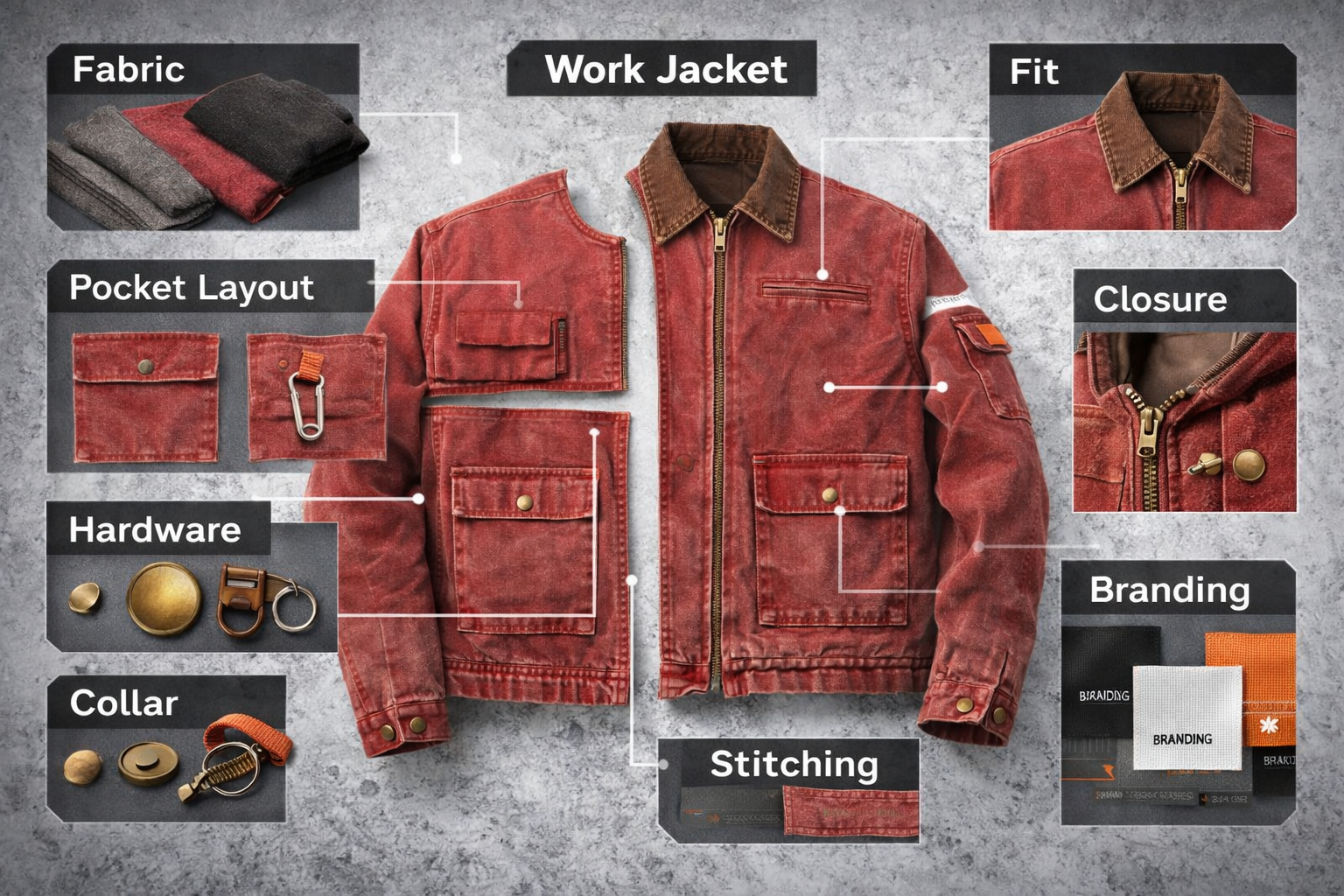
Fabric usually sets the jacket's performance and character before trims do. A heavier canvas or structured twill can create a stronger workwear language, while a lighter woven or blended shell may make the jacket easier to commercialize for broader brand programs.
In many cases, buyers should check:
1.surface texture
2.weight and structure
3.stiffness versus drape
4.whether the fabric supports the intended pocket build
5.whether the fabric works with the chosen hardware and closure direction
6.whether the jacket is meant to feel rugged, lighter, or more fashion-led
A common mistake is choosing a fabric only from a mood image. For work jackets, the base fabric influences seam behavior, pocket stability, edge shape, and how the garment holds its silhouette during wear and production.
The Third Check: Pocket Logic, Hardware, and Construction Priorities
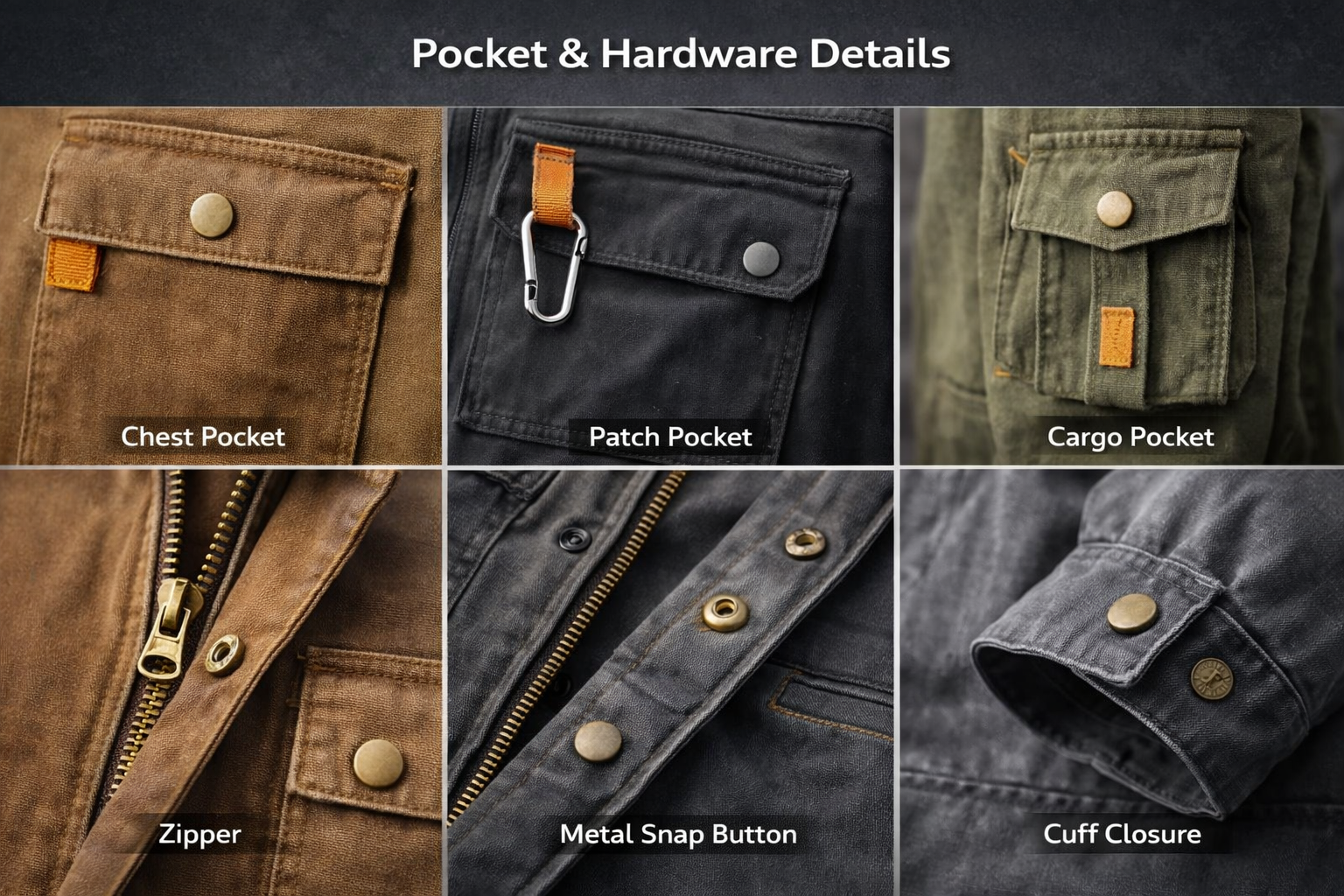
A modern work jacket usually carries more construction decisions than a simpler jacket style. Pockets and hardware are often where complexity rises fastest.
Pocket Layout
Pocket design affects both function and sample complexity. Buyers should usually decide:
1.how many pockets are actually necessary
2.whether the pockets are visual, functional, or both
3.whether the jacket needs chest pockets, lower patch pockets, side-entry pockets, or internal storage
4.whether symmetry matters for the final look
Hardware Direction
Hardware choices often include:
1.zipper or snap front closure
2.exposed or covered closures
3.metal finishes
4.adjustable cuff hardware
5.drawcord or hem adjustment when relevant
6.Construction Discipline
More hardware and more pocket variations do not always make the jacket better. In many projects, the best result comes from choosing the few details that support the product concept clearly rather than stacking too many workwear references into one sample.
The Fourth Check: Fit, Mobility, and Silhouette
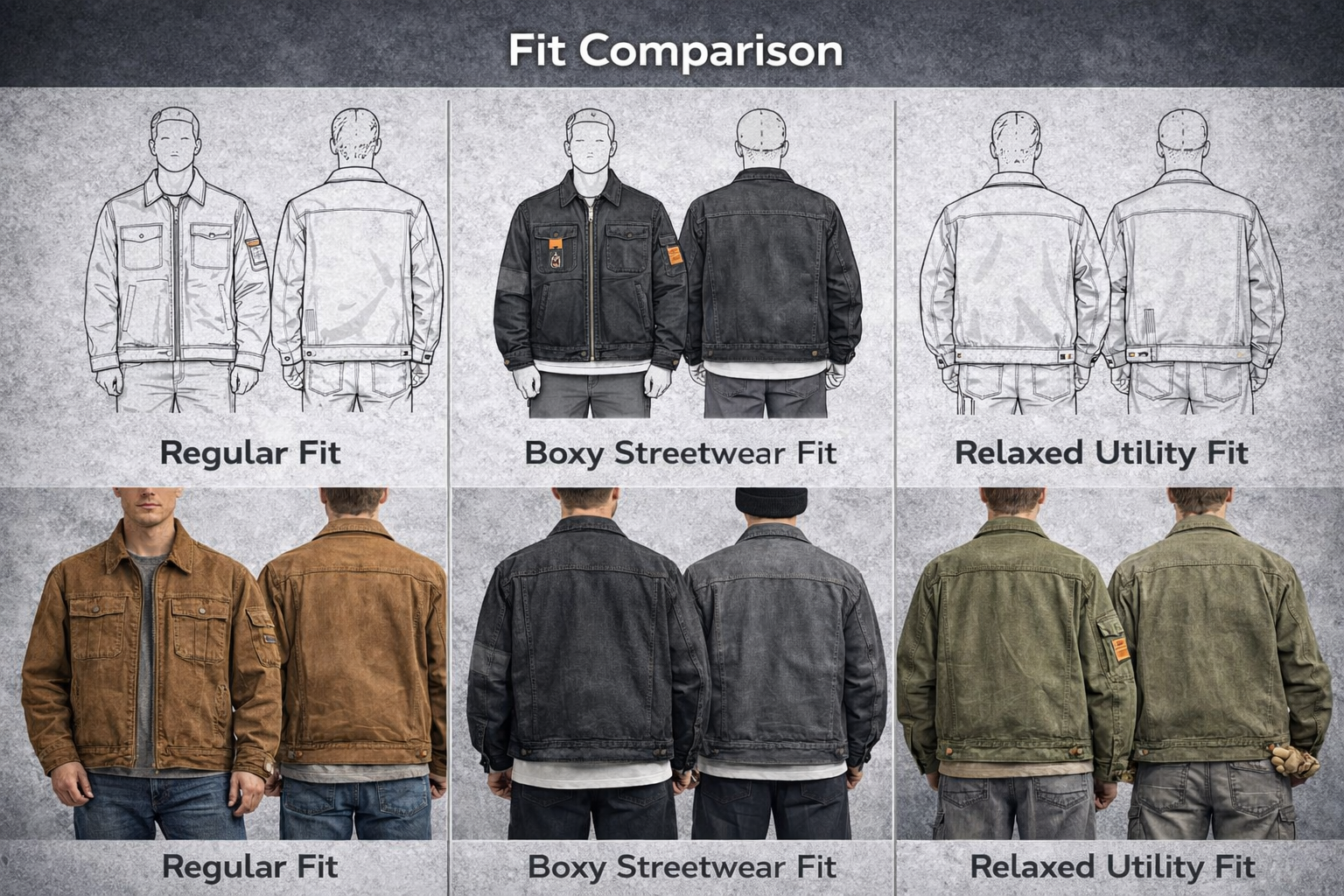
Modern work jackets for streetwear and utility programs often sit between function and fashion. That is why fit should be reviewed as a product decision, not only as a size chart issue.
A buyer should usually check:
whether the jacket should feel boxy, regular, or more relaxed
whether layering is expected under the jacket
whether shoulder shape should look clean or more dropped
whether sleeve width and cuff control match the target use
whether the hem should feel structured or easier to move in
A jacket can look visually strong in flat references but still become uncomfortable or unbalanced if the fit and mobility logic are not considered early enough.
A Practical Pre-Sample Checklist for Custom Work Jackets
| front and back references for the target jacket direction |
| notes on intended use case |
| fabric direction or target handfeel |
pocket layout comments |
closure and hardware preferences |
branding method and placement notes |
fit comments, including silhouette and layering expectations |
a clear list of what should be approved in the first sample |
comments on what can wait for later rounds |
This usually makes the Service Process
more efficient because the supplier can prioritize structure and approvals in a practical sequence.
Factory Reality: A Good Work Jacket Sample Depends on Controlled Decision Order
From a factory perspective, work jackets usually become more difficult when the decision order is unclear. The challenge is often not whether the garment can be made, but whether the project has enough structure for the sample to solve the right problems first.
At Vanrd in Dongguan (Humen), a better work jacket sample usually comes from defining the core jacket architecture early, then refining trim and visual details after the structure is moving in the right direction.
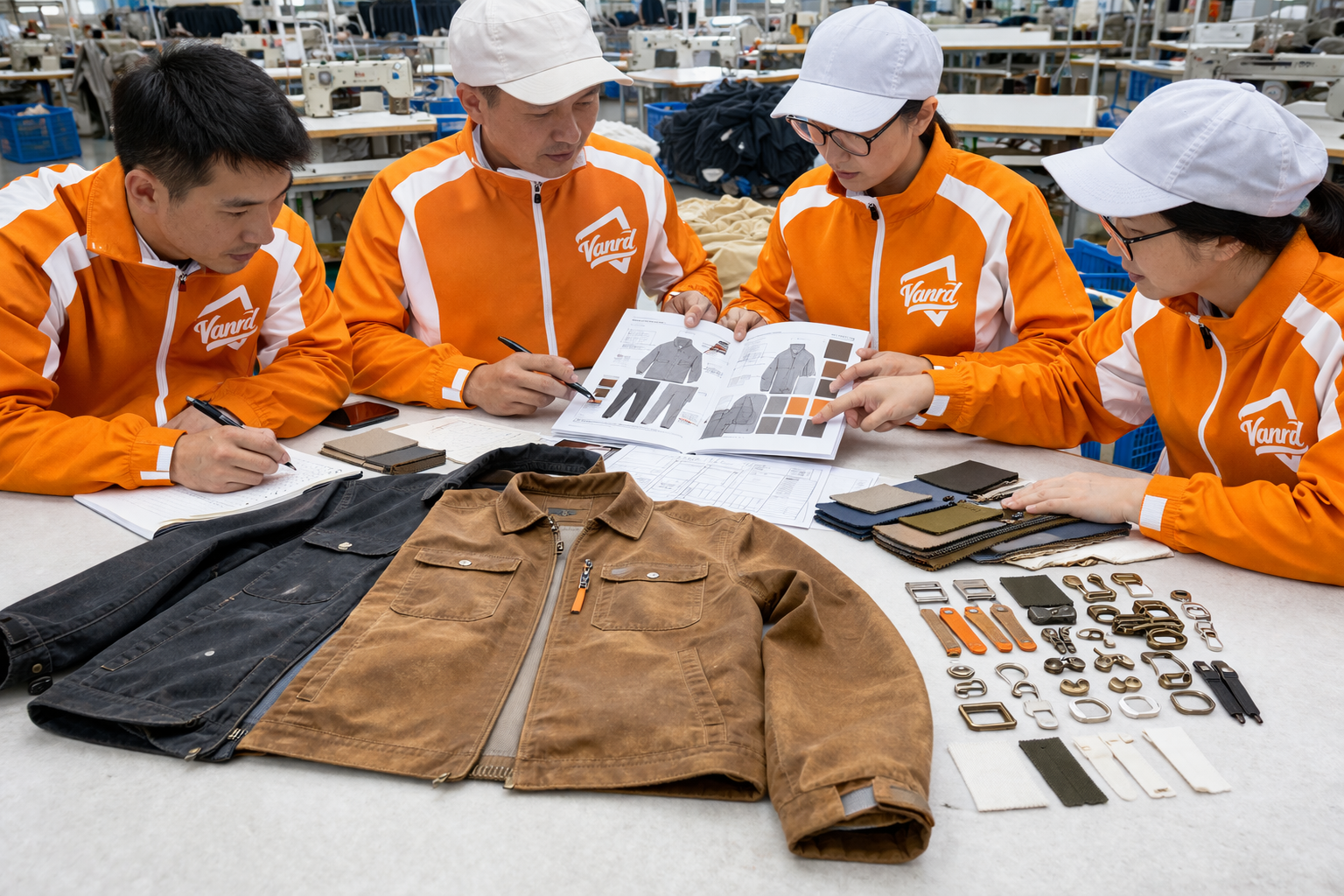
Three factory realities matter here:
Fabric and Pocket Decisions Affect Each Other
Pocket construction is not separate from fabric behavior. A stiffer fabric may support certain pocket shapes better, while lighter fabrics may need a different approach to keep the garment balanced.
Hardware Choices Create More Approval Points
Each added closure, snap, or adjustment feature can add another decision layer in both sampling and bulk review.
Quality Starts Before Bulk Production
For work jackets, Q and C
should begin during the development stage, especially when multiple pocket structures, hardware choices, and panel details are involved. Buyers should also consider whether the supplier has the right Factory Strength for coordinated outerwear development rather than only basic assembly.
Common Mistakes and Risk Watchpoints
Mistake 1: Treating All Utility Details as Equally Important
Not every pocket, loop, flap, or adjustment feature needs to appear in the first sample. Overloading the sample often slows down decision-making.
Mistake 2: Choosing Fabric Only From Visual Mood References
A fabric can look correct in a reference image but still behave differently in structure, stiffness, and construction.
Mistake 3: Leaving Pocket Logic Too Vague
If the buyer has not defined whether the pockets are decorative, functional, or both, the sample may feel visually confused or commercially overbuilt.
Mistake 4: Approving Shape Without Thinking About Movement
A jacket may look good laid flat but feel restrictive once layering and movement are considered.
Mistake 5: Mixing Too Many Branding and Utility Signals
Modern work jackets can support strong branding, but too many visual elements can dilute the product direction and create more revision pressure.
Next Steps: A Simpler Way to Build a Modern Work Jacket Program
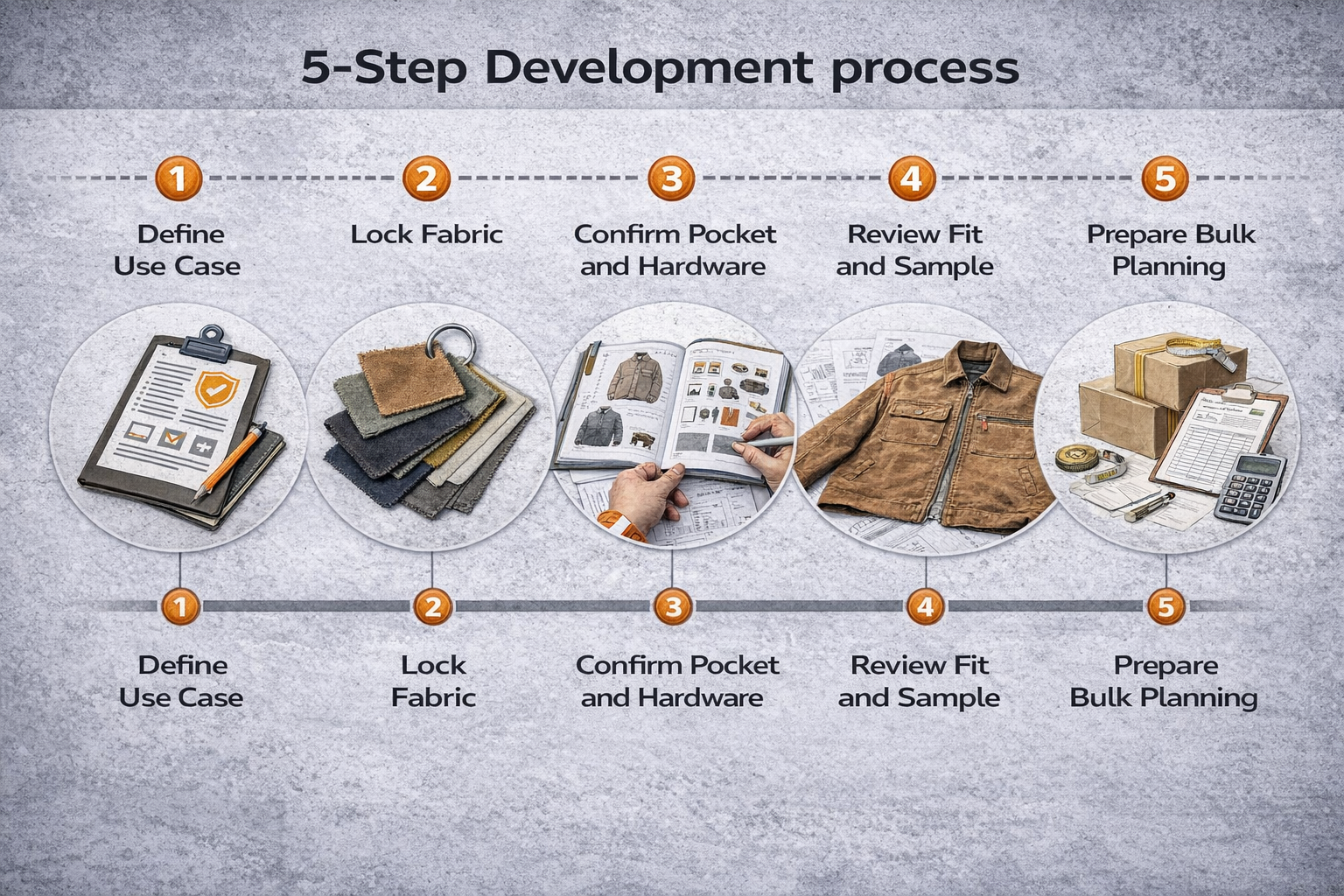
A more workable modern work jacket development path usually looks like this:
Step 1: Define the End Use
Clarify whether the jacket is for streetwear, utility, merch, or a mixed program.
Step 2: Lock the Fabric Direction
Choose the material category before finalizing all pocket and trim ideas.
Step 3: Confirm Pocket and Hardware Logic
Decide which details actually support the product concept and which ones can be simplified.
Step 4: Review the First Sample in Order
Review the sample in sequence:
1.silhouette
2.fabric behavior
3.pocket balance
4.hardware integration
5.branding placement
Step 5: Move Into Controlled Bulk Planning
Once the structure is stable, move toward inquiry, sample refinement, and production planning through Contact Us with updated files, references, and approval comments.
FAQ
What fabrics are commonly used for custom work jackets?
Common options can include canvas, twill, ripstop, blended workwear fabrics, and lighter outerwear fabrics, depending on the target structure, season, and use case.
What should I send before requesting a work jacket sample?
A useful starting package usually includes reference images, artwork files if needed, pocket notes, fabric direction, fit comments, and first-round approval priorities.
Do custom work jackets usually take longer to sample than simpler jackets?
In many cases, yes. Additional pocket structures, hardware details, and fit checks can create more development decisions than a simpler jacket style.
How should brands choose between utility details and cleaner commercial styling?
That choice usually depends on the intended customer, product function, price position, and how much complexity the brand wants to manage during development.
What is the biggest source of delay in work jacket development?
A common source of delay is unclear decision order, especially when fabric, pocket layout, hardware, and branding are all being changed at the same time.
Can a modern streetwear work jacket still keep practical construction logic?
Yes. In many cases, a streetwear-oriented work jacket can keep practical workwear references while simplifying construction for a cleaner and more scalable final product.
How should a buyer compare work jacket manufacturers before sampling?
A buyer should usually compare supplier capability in fabric sourcing, pocket construction, hardware coordination, communication clarity, and outerwear development workflow rather than relying only on broad marketing claims.
Final CTA
If your brand is planning a custom work jacket program, the easiest way to reduce revisions is to start with a clearer structure and approval order. Send your references, fabric direction, pocket notes, and fit comments to Contact Us so Vanrd can review the concept and help you move into a more workable sampling path.