How Brands Can Build a Vintage Camo Hoodie Program Without Losing Wash Identity or Repeatability
A vintage camo hoodie program usually succeeds when the brand controls both visual identity and production logic. The main challenge is not just achieving a washed camo look once, but repeating that look across sample approval and bulk production. For B2B buyers, the most practical path often starts with choosing the right print structure, wash standard, fleece base, and approval workflow.
Quick Answers
Can a washed camo hoodie look exactly the same in every bulk piece?
Usually not. A better target is controlled repeatability within an agreed visual range, supported by wash standards, fabric testing, and approval references.
What is the safer option for a vintage camo hoodie, all-over print or panel camo?
It depends on the design and wash target. Panel camo can offer cleaner control in some programs, while all-over print can create stronger visual impact but may add more production variables.
Why do some camo hoodies lose their wash identity in bulk?
This often happens when the fleece base, print method, wash process, and approval standard are not aligned before bulk production starts.
Does MOQ matter for vintage camo hoodie development?
Yes. MOQ can affect fabric booking, print setup, wash feasibility, testing cost, and how efficiently a factory can stabilize the program.
What should a brand prepare before asking for a vintage camo hoodie sample?
A useful starting package often includes reference images, target handfeel, camo direction, wash level, artwork files, measurement expectations, and branding details.
Why Vintage Camo Hoodie Programs Are Harder Than They Look
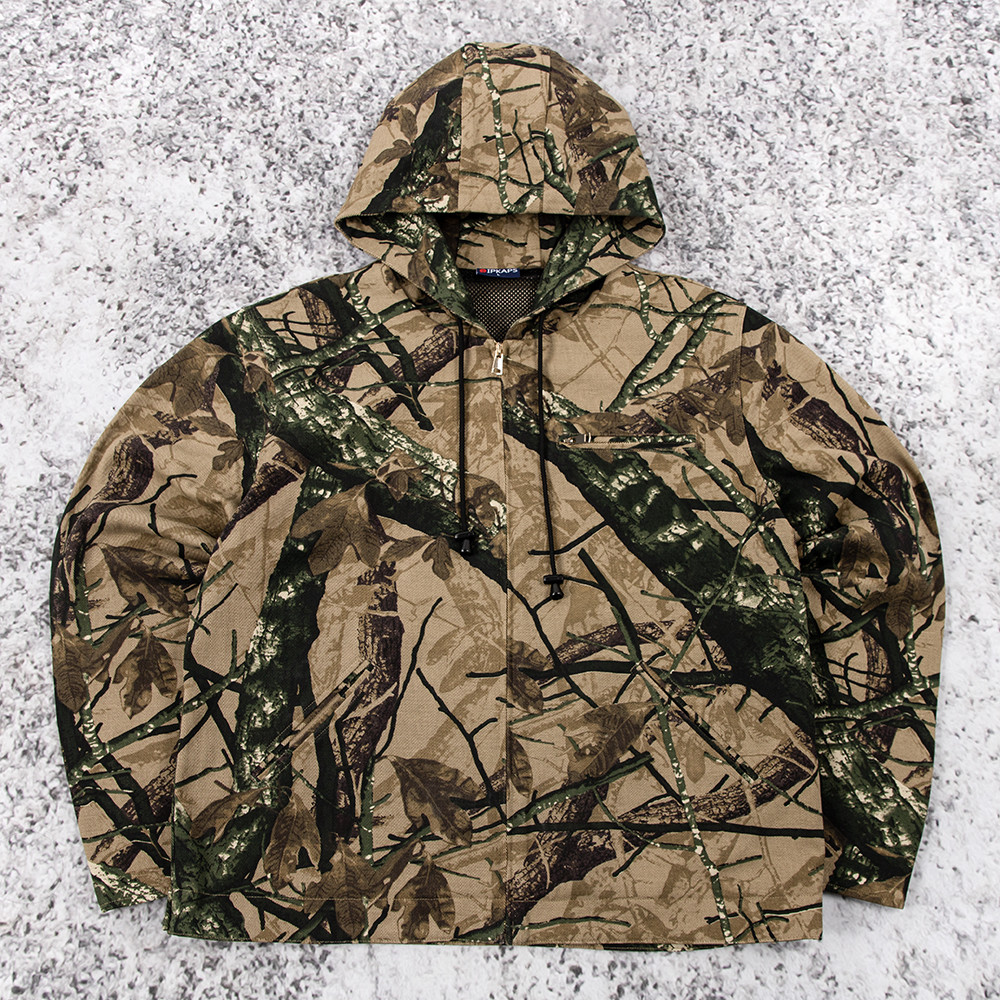
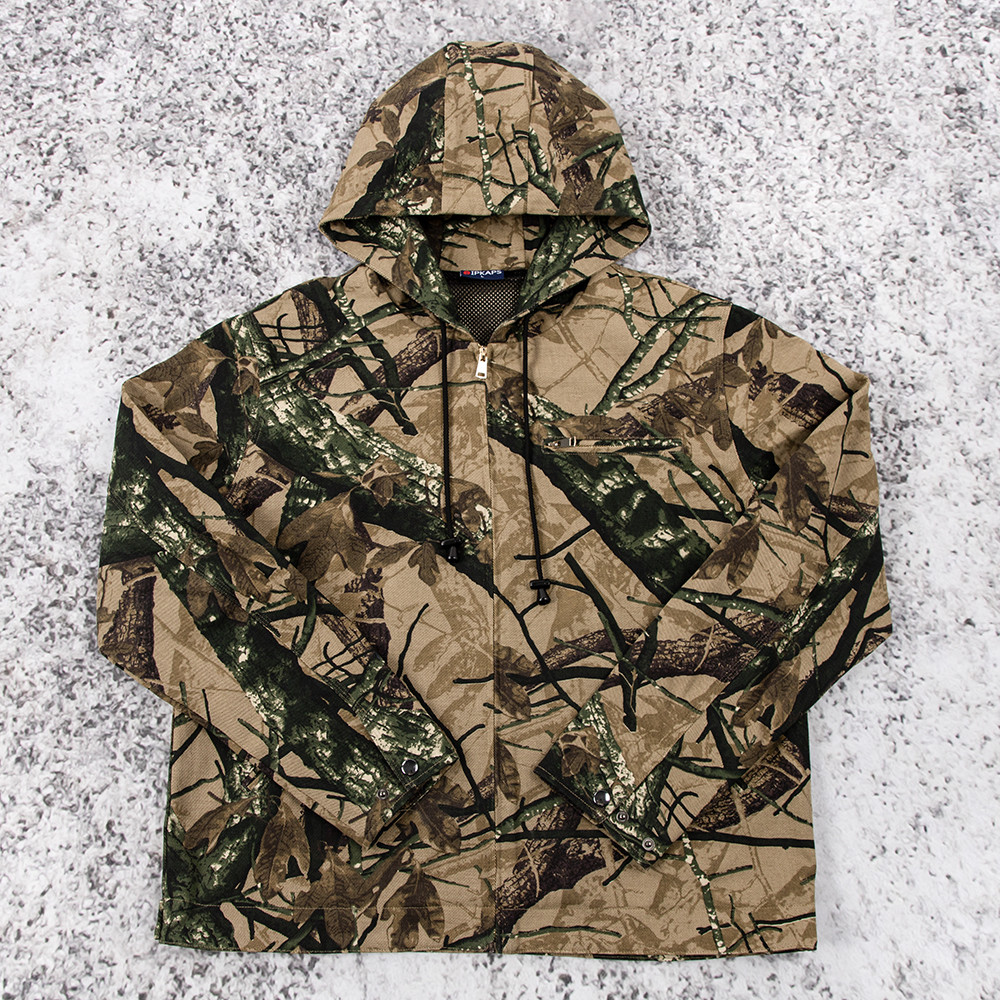
A vintage camo hoodie is not just a regular hoodie with a printed pattern. From a manufacturer perspective, it is a layered product decision that combines fleece selection, camo application method, wash identity, panel construction, and bulk repeatability.
For many brands, the visual goal is clear. They want a hoodie that feels broken-in, washed down, and slightly irregular, while still keeping the camo language readable. The production challenge is that each of those variables can push against the others. A stronger wash can soften or distort print clarity. A more aggressive print structure can react differently across fleece textures. A good sample can still be difficult to repeat in bulk if the approval standard is too visual and not process-based.
That is why vintage camo hoodie development usually works better when the brand treats it as an OEM or private label program with technical controls, not just as a graphic concept. Vanrd's OEM/ODM apparel development process
is relevant here because programs like this need product planning, sample discipline, and factory-side process alignment.

The Core Problem: Wash Identity Versus Repeatability
What "wash identity" usually means in B2B development
For a brand buyer, wash identity often includes several things at once:
the overall faded mood
the balance between vintage softness and camo readability
the visual contrast level
the handfeel after washing
the way seams, rib, and body panels age together
The problem is that these are partly aesthetic and partly technical. If the brand only approves the hoodie by eye without defining the mechanism behind the result, repeatability becomes weaker in bulk.
What "repeatability" actually means in factory terms
Repeatability does not usually mean every hoodie looks identical. In real bulk production, it more often means:
the approved wash range is clear
the print behavior is stable enough for the selected fleece
the garment handfeel remains commercially acceptable
the color loss stays within an agreed visual band
the factory can maintain the process across the planned quantity
That is where fabric, wash, print, and technical process choices
become more important than mood-board language alone.
All-Over Print Versus Panel Camo: Which Direction Makes More Sense
All-over print camo hoodies
All-over print can be useful when the brand wants stronger visual coverage and a more obvious camo presence. It often works well when the garment is intended to look graphic-first, with the wash layered over the pattern rather than dominating it.
However, all-over print can bring more production variables, including:
print consistency across body panels
wash response that changes pattern clarity
shade variation after washing
panel matching issues if the artwork is directional
more visible difference between approved sample and bulk if the process is not tightly controlled
Panel camo hoodies
Panel camo usually means the brand controls where the camo appears rather than covering the entire garment. This can be useful when the design wants washed character first and camo support second. It can also make visual control easier in some collections, especially if the brand wants contrast panels, sleeve blocking, pocket detail, or mixed-fabric storytelling.
Panel camo can be a practical option when the buyer wants:
more stable visual hierarchy
easier wash reading on the main fleece base
reduced risk of full-garment print distortion
stronger control over placement and logo visibility
There is no universal better option. The right direction depends on how much of the final identity comes from the print, how much comes from the wash, and how the two need to coexist in bulk.
A Practical Framework for Building a Repeatable Vintage Camo Hoodie Program
Step 1: Lock the visual priority before the sample starts
Before development begins, the brand should decide which element is dominant:
camo pattern first
washed vintage effect first
balanced mix of both
logo or embellishment first, with camo as support
This sounds basic, but it influences almost every technical decision after that. If the wash is the hero, the print method and fleece base should support controlled fading. If the camo is the hero, the wash should be designed not to collapse the pattern too much.
Step 2: Choose the fleece base with the wash in mind
The fleece base is not just a cost choice. It affects print hold, shrinkage risk, handfeel after washing, and the visual depth of the final garment. Buyers should define:
weight range
fleece or French terry direction
fiber composition
target softness
target body structure after wash
This is why material selection and technical finishing usually need to be discussed together, not separately. The more complex the vintage target, the more important it becomes to align fabric logic with print and wash logic through a page like Vanrd's Fabrics and Techniques resource.
Step 3: Decide the camo application route early
Brands should not wait until after the first sample to decide whether the camo is better as:
all-over print
panel print
cut-and-sew camo fabric
mixed construction with solid washed fleece and camo inserts
Each route changes cost, MOQ, sample complexity, and repeatability. For example, a cut-and-sew camo fabric program may provide a different level of consistency than a print-over-wash route. A panel structure may simplify some approvals while limiting the visual spread of the camo story.
Step 4: Build wash approval around a range, not one hero sample
One common mistake is approving a single hoodie as if it can be copied exactly piece for piece. In practice, a better system is often to define an approval range supported by:
one approved reference sample
written notes on fading level
handfeel comments
seam and rib appearance notes
photos under consistent lighting
comments on acceptable variation
This approach usually supports stronger bulk control than relying on one image or one subjective phrase such as "make it more vintage."
Step 5: Plan MOQ based on process complexity, not category alone
MOQ planning for camo hoodies is often misunderstood. The MOQ is not just about whether the factory can sew hoodies. It can also depend on:
custom fleece development
print setup
wash testing
number of colorways
trim package
packaging requirements
whether the brand needs multiple wash levels
That is why MOQ should be discussed as part of development feasibility, not just as a sales number. Buyers who want private label control with more custom variables often benefit from discussing the full program through Vanrd's custom manufacturing and development service page.
Common Bulk Production Risks in Vintage Camo Apparel
Risk 1: The wash softens the camo more than expected
This can happen when the print route and wash route are approved separately instead of together. The result may still look good, but it may no longer match the intended brand identity.
Risk 2: Bulk pieces drift away from the approved sample
This often comes from weak approval language, unstable base fabric, inconsistent wash execution, or missing tolerance discussion. The issue is usually not one single defect. It is a cumulative control problem.
Risk 3: MOQ and costing are planned too late
When brands add custom wash, camo complexity, and trim upgrades after initial development, the production plan can become less efficient. That can affect timeline, cost structure, and bulk consistency.
Risk 4: Communication stays visual instead of technical
Comments such as "make it dirtier," "more faded," or "more vintage" may be directionally useful, but they are not enough on their own. Bulk repeatability improves when visual comments are translated into process notes, acceptable ranges, and sample sign-off language.

Factory Reality: Why Some Vintage Camo Programs Scale Better Than Others
In Dongguan (Humen), brands often come to factories with strong reference images but incomplete production priorities. That is understandable because vintage camo storytelling is visual by nature. The problem is that factories cannot stabilize a program based on mood alone.
The programs that usually scale better are the ones that define four things early:
what must stay consistent
what can vary slightly
what the wash should do to the camo
what the buyer will approve in writing before bulk starts
That is also why a structured sampling and production workflow matters. Sample approval, PP review, process confirmation, and bulk execution need to connect to each other. When those steps stay disconnected, the hoodie may still look strong in development but become harder to repeat at order scale.
A Supplier Checklist for Brand Buyers
What to confirm before you move into sampling
Use this checklist before sending your camo hoodie brief to a manufacturer:
target buyer use case is clear, such as streetwear brand, merch capsule, or private label retail program
fleece base direction is defined
camo route is defined, such as all-over print, panel camo, or cut-and-sew camo fabric
wash level is described with references, not only adjectives
logo method is confirmed
size range and estimated quantity are available
the brand knows whether it wants one hero wash or an approved variation range
the bulk timeline is realistic and subject to final confirmation after sample review
What to confirm before bulk production starts
Before bulk starts, the buyer should usually confirm:
approved sample comments
acceptable shade and wash range
construction details
measurement tolerance expectations
packaging details
inspection points for visual consistency
becomes especially important here because vintage products often need quality review that balances technical standards with intentional visual variation.
Founder's Insight: Vintage Character Has to Be Designed Into the Process
Many brands chase a vintage camo hoodie because the category feels emotionally rich and visually strong. That part is true. But from a production perspective, the stronger insight is this: vintage character does not scale well unless the process is designed to carry it.
That means the brand should not only ask, "Can you make this sample?" A better B2B question is, "Can this process hold the identity of this hoodie when we move into bulk?"
At Vanrd, that usually means aligning the fleece base, camo route, wash standard, and approval workflow before scale is discussed. Buyers evaluating manufacturer fit can also review Vanrd's factory capability and production support background
to understand whether the supplier's setup matches a more technical private label program.
Next Steps
If your brand is planning a vintage camo hoodie program, start by organizing your development brief around process logic, not only aesthetics.
A strong starting package usually includes:
reference images
desired camo direction
target wash level
fleece preference
logo and trim notes
size range
estimated quantity
timeline target
notes on what visual variation is acceptable
Once those points are clear, the factory discussion becomes more useful. Instead of debating general style language, you can evaluate the best route for sample development, MOQ planning, and bulk control.
FAQ
Is all-over print usually riskier than panel camo for washed hoodies?
It can be, especially when the brand wants a stronger wash effect on top of the print. The final risk level depends on the fleece base, print method, wash intensity, and how the approval standard is defined.
How should a brand approve wash identity for a vintage camo hoodie?
A practical method is to approve a reference sample together with written comments, visual range notes, and clear expectations about acceptable variation in bulk.
What information should I send before requesting a sample?
A useful brief often includes reference images, artwork, target handfeel, wash level, camo placement direction, logo method, size range, and estimated quantity.
Can MOQ change if I want multiple camo options or more than one wash level?
Yes. MOQ often depends on print setup, fabric route, wash testing, colorways, and the complexity of the overall custom program.
What is one common reason bulk vintage hoodies disappoint buyers?
A frequent issue is that the sample looks right visually, but the approval does not translate into a stable process for bulk production.

Next Steps / CTA
If you are developing a vintage camo hoodie line for a streetwear brand, private label collection, or merch program, send Vanrd your reference images, artwork files, wash direction, fleece target, and estimated quantity. Our team can review the program from a manufacturer perspective and discuss sampling, MOQ, and bulk repeatability before production starts. Start your inquiry through Vanrd's contact page for custom hoodie development.